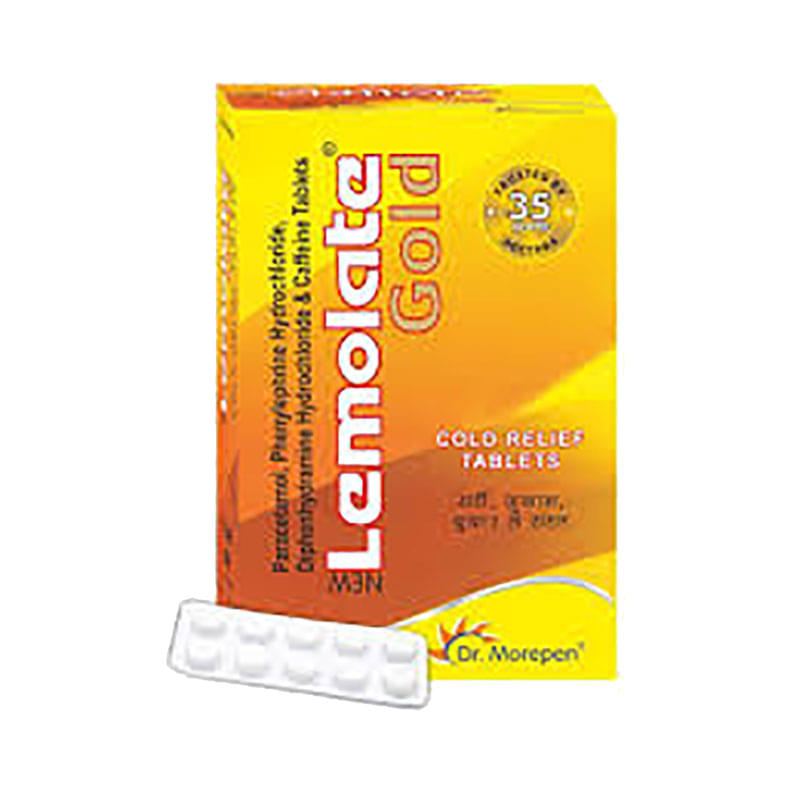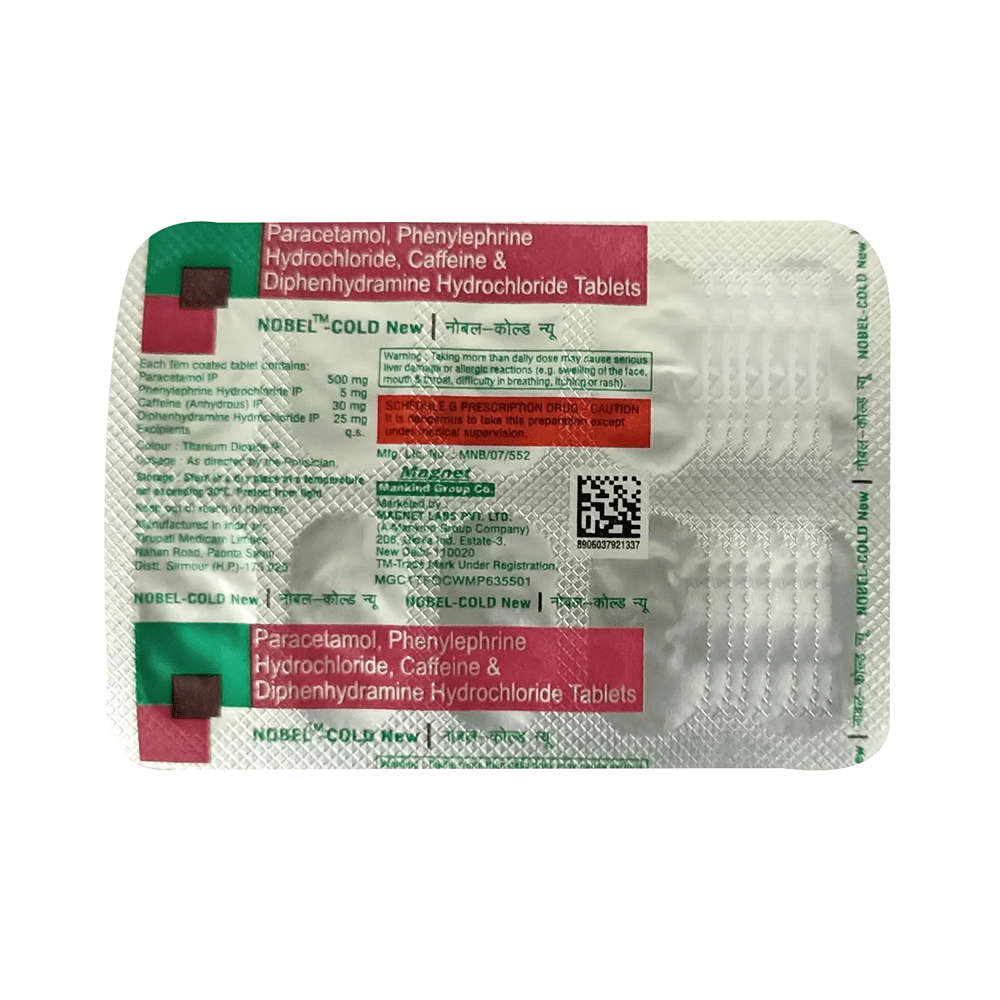
Snezcare P Tablet
strip of 10.0 tablets.Prescription required
About this product:
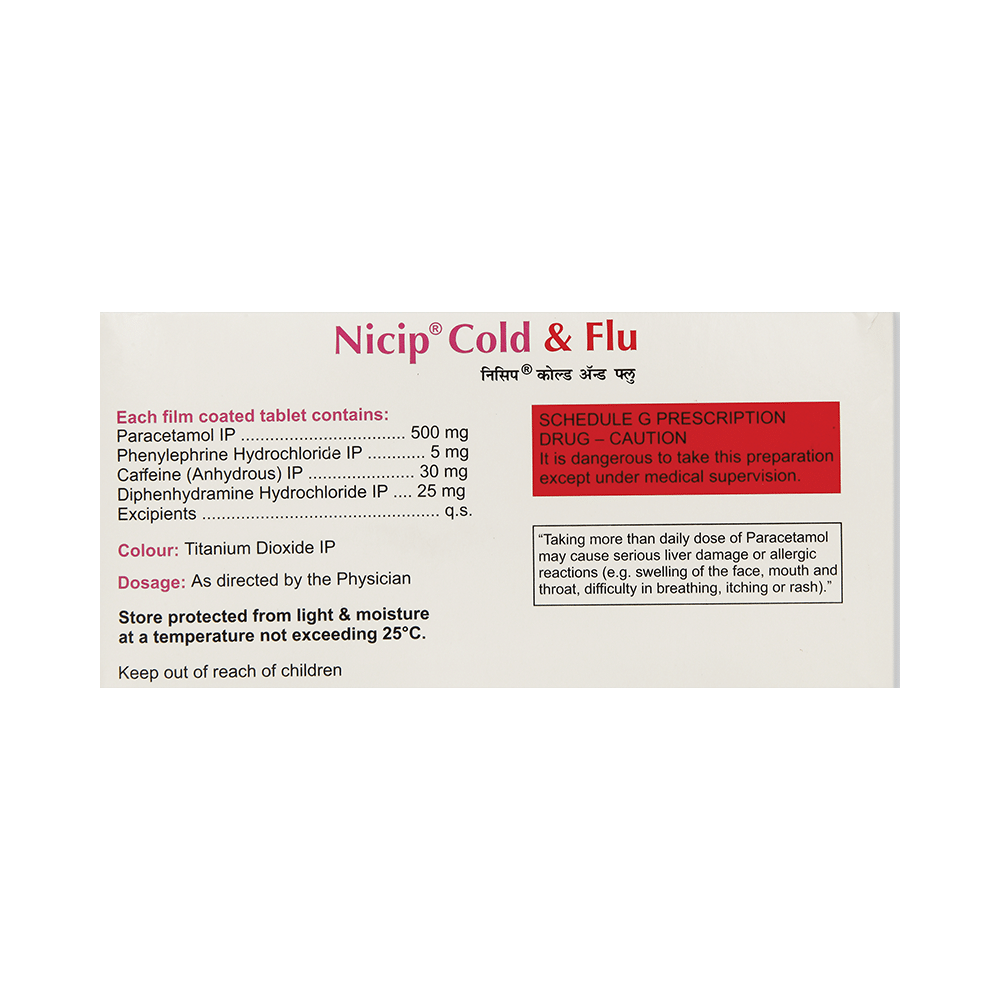
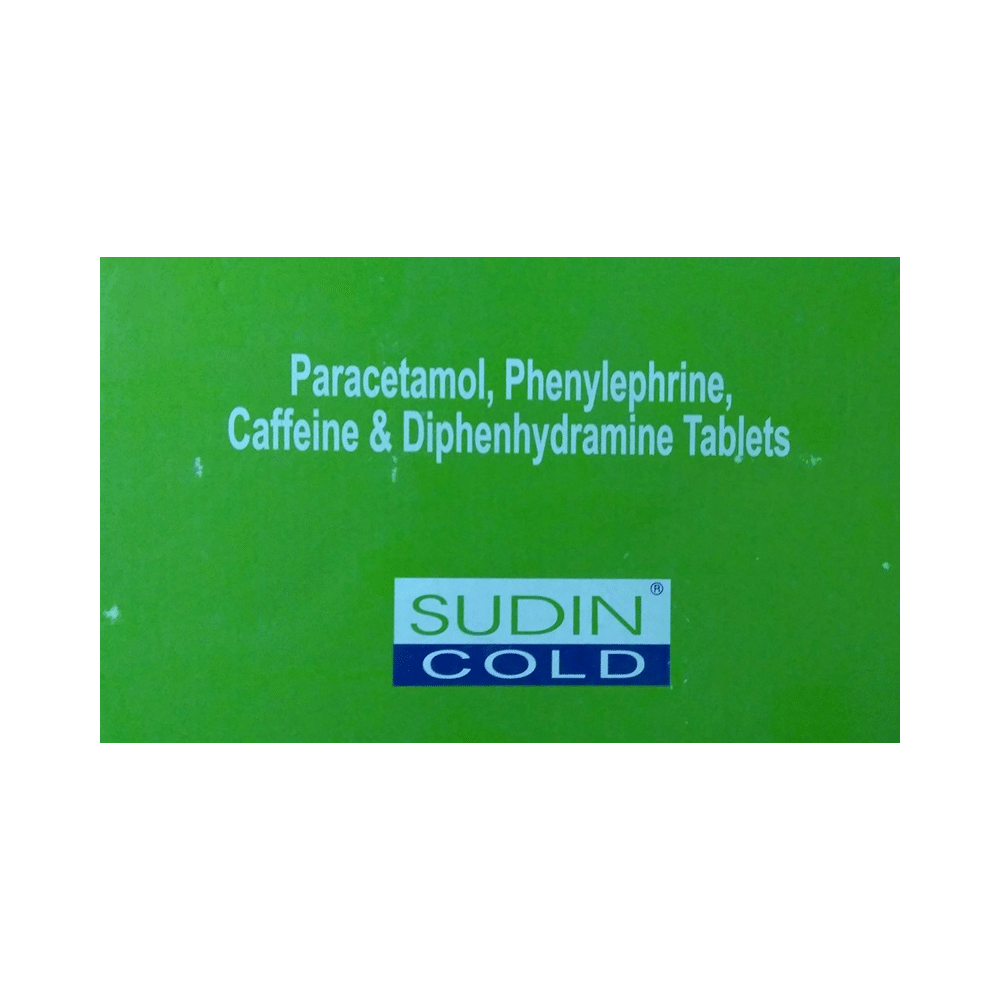
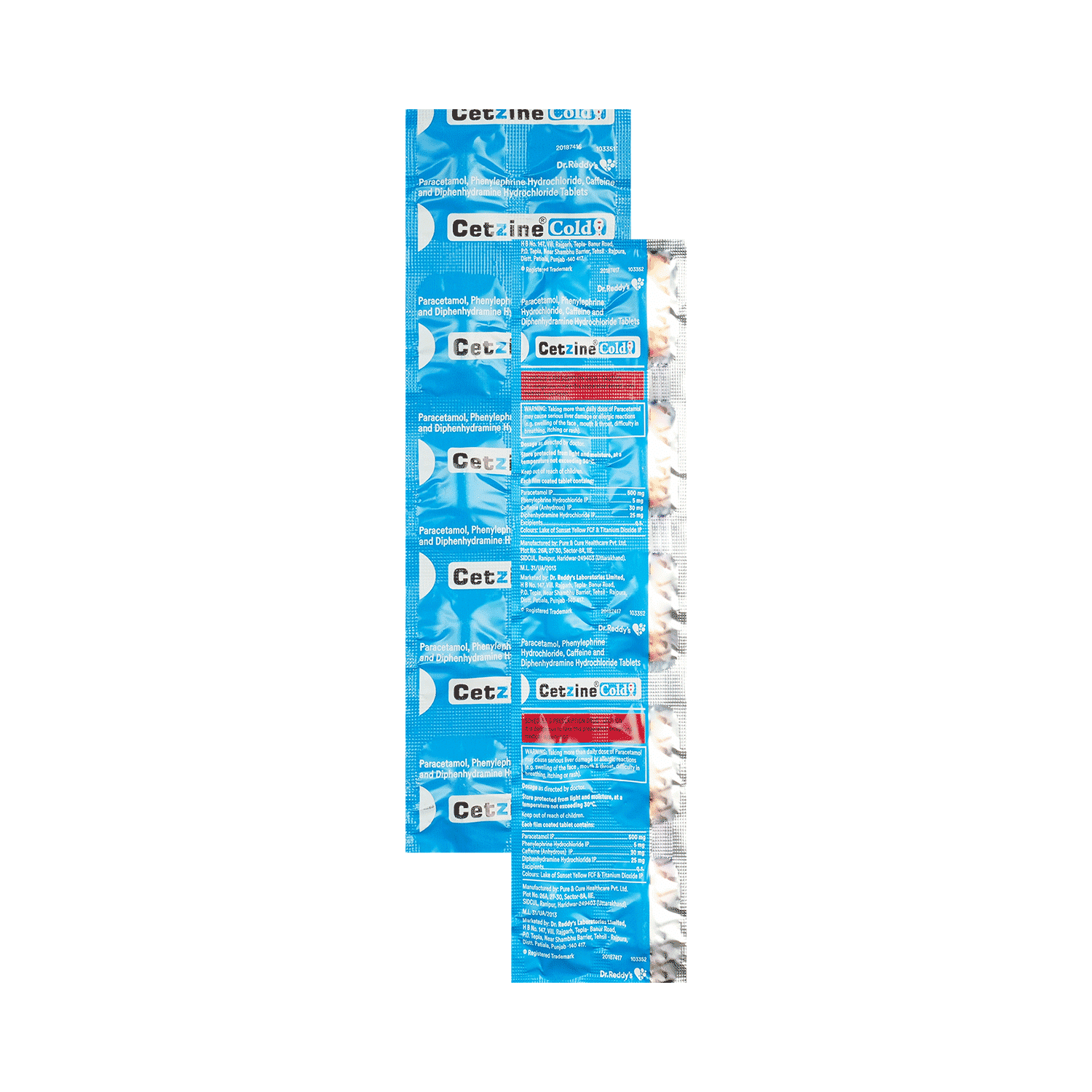
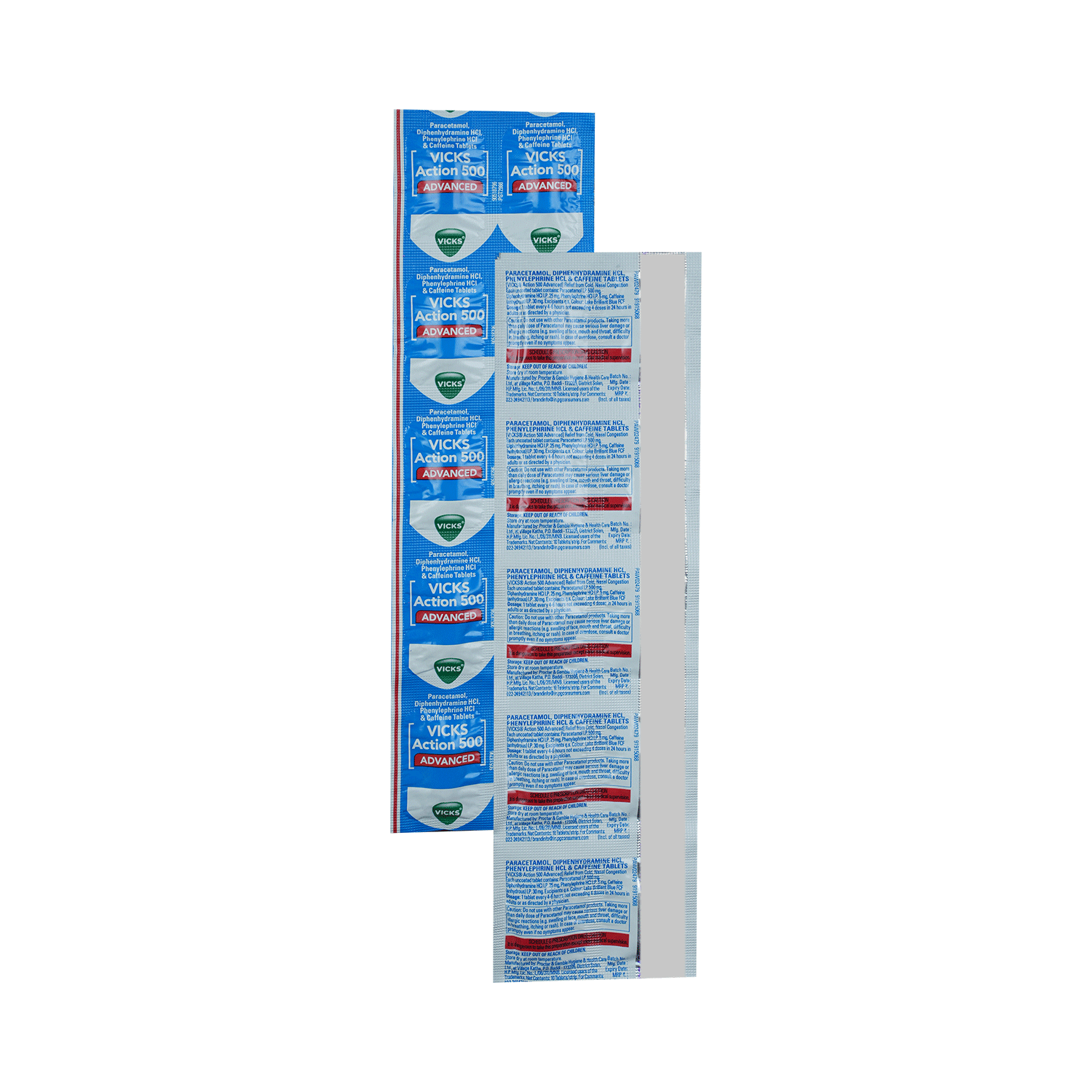
| Salt Composition: | Caffeine (30mg) + Diphenhydramine (25mg) + Paracetamol (500mg) + Phenylephrine (5mg) |
| Manufacturer: | Clancare Lifesciences |
| Storage: | Below 25 degree celcius |
Out of Stock
Have doubts about this medicine?
Have doubts about this medicine?
Snezcare P Tablet is used to treat common cold symptoms, providing temporary relief from stuffiness in the nose and relieving allergy symptoms like runny nose and watery eyes. Snezcare P Tablet is taken with or without food in a dose and duration as advised by the doctor. It is better to take it with food to avoid stomach upset. The dose you are given will depend on your condition and how you respond to the medicine. You should keep taking this medicine for as long as your doctor recommends.
Snezcare P Tablet is a combination of four medicines: Caffeine, Diphenhydramine, Paracetamol, and Phenylephrine, which relieves common cold symptoms.
What is Snezcare P Tablet?
Snezcare P Tablet contains a combination of Paracetamol, Caffeine, Diphenhydramine, and Phenylephrine. This medication provides relief for symptoms associated with colds, such as body aches, headaches, fatigue, fever, watery eyes, sneezing, cough, sore throat, runny and stuffy nose.
Are there any foods I should avoid while taking Snezcare P Tablet?
Snezcare P Tablet contains caffeine. Therefore, it is advisable to avoid substances containing caffeine such as coffee, tea, cola drinks, or chocolate, and also refrain from consuming alcohol (beer, wine, etc) while taking this medicine.
Can Snezcare P Tablet cause drowsiness?
Yes, Snezcare P Tablet can potentially cause drowsiness. Avoid activities like driving or operating machinery, working at heights, or engaging in potentially hazardous tasks until you are aware of its effect on your body.
Are there any serious side effects associated with the use of Snezcare P Tablet?
Serious side effects with Snezcare P Tablet are uncommon and rare. If you notice any allergic reactions, skin rash or peeling, mouth ulcers, breathing problems, unexplained bleeding, recurrent fevers or infections, vision disturbances, or a fast or irregular heartbeat, inform your doctor immediately.
Can I breastfeed while taking Snezcare P Tablet?
No, it is not advisable to breastfeed while using Snezcare P Tablet. This medicine contains diphenhydramine, an antihistamine that may pass into breast milk and potentially harm the baby. Inform your doctor if you are breastfeeding.
Will a higher than the recommended dose of Snezcare P Tablet be more effective?
No, taking a higher than the recommended dose will not necessarily increase effectiveness. This may even heighten the chances of side effects and toxicity. If your symptoms are not relieved by the prescribed dosage, or if you experience increased severity of symptoms, consult your doctor.
Are there any contraindications associated with the use of Snezcare P Tablet?
Snezcare P Tablet is not recommended for individuals with high blood pressure (hypertension), any underlying serious heart conditions or cardiovascular disorder, a history of stomach ulcers or overactive thyroid (hyperthyroidism). The use of Snezcare P Tablet should also be avoided if you are taking antidepressant drugs called monoamine oxidase inhibitors (MAOIs) such as phenelzine and isocarboxazid, or tricyclic antidepressants like imipramine and amitriptyline.
What are the instructions for the storage and disposal of Snezcare P Tablet?
Keep this medication in its original packaging or container tightly closed. Store it according to the instructions on the package label. Dispose of unused medication safely, ensuring it is not consumed by pets, children, or others.
Take this medicine in the dose and duration as advised by your doctor. Swallow it as a whole. Do not chew, crush or break it. Snezcare P Tablet may be taken with or without food but it is better to take it at a fixed time.
- Take exactly as directed by your doctor or on the label. Do not increase the dosage or take for longer than is recommended.
- Inform your doctor if you are taking any other medications for cold.
- Along with taking Snezcare P Tablet do the following simple tips at home to get relief: Steam inhalation, Gargling with warm saltwater, Apply vapor rubs on chest and back if needed.
- Take warm food and fluid only. Ensure adequate fluid intake.
- Advise hygiene measures to reduce spread: frequent hand-washing, avoiding sharing towels, pillowcase, etc.

Alcohol
It is unsafe to consume alcohol with Snezcare P Tablet.

Breastfeed
Snezcare P Tablet is probably safe to use during breastfeeding.

Pregnancy
Snezcare P Tablet may be unsafe to use during pregnancy.