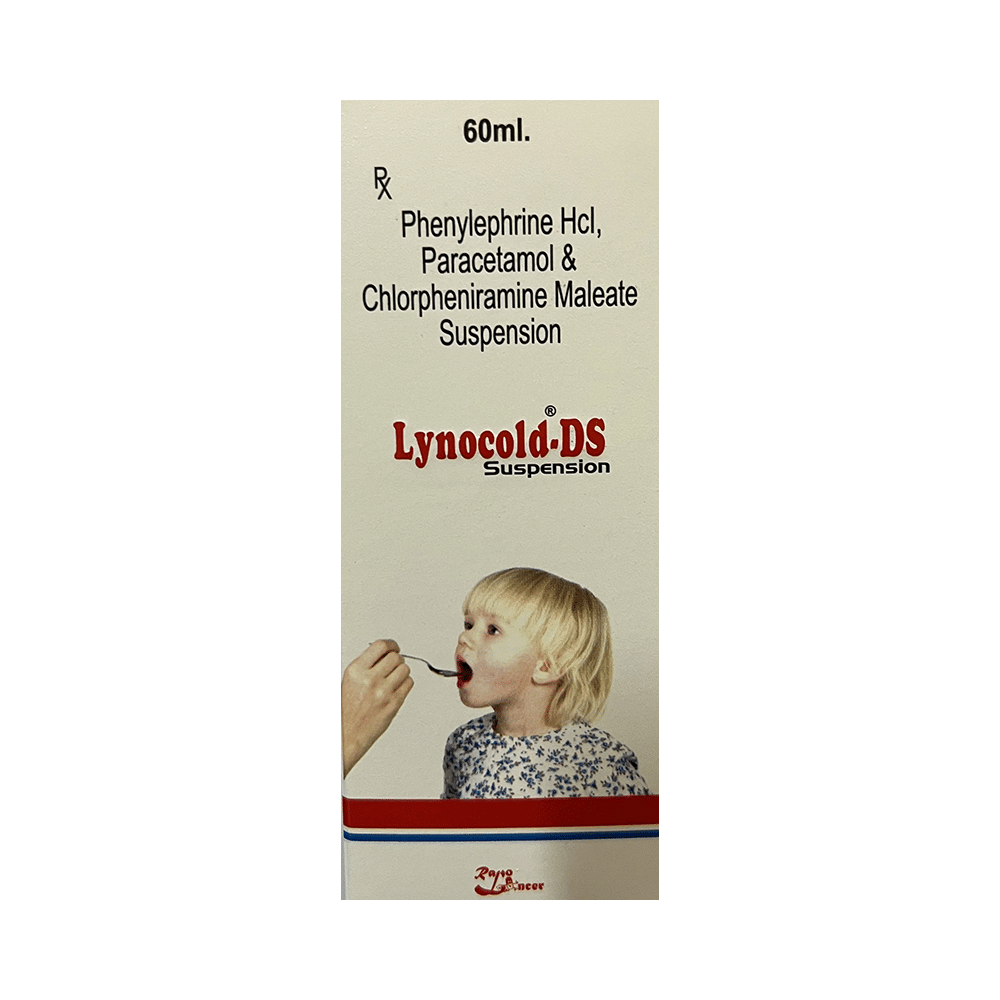
Lynocold DS Oral Suspension
bottle of 60.0 ml Oral Suspension.Prescription required
About this product:
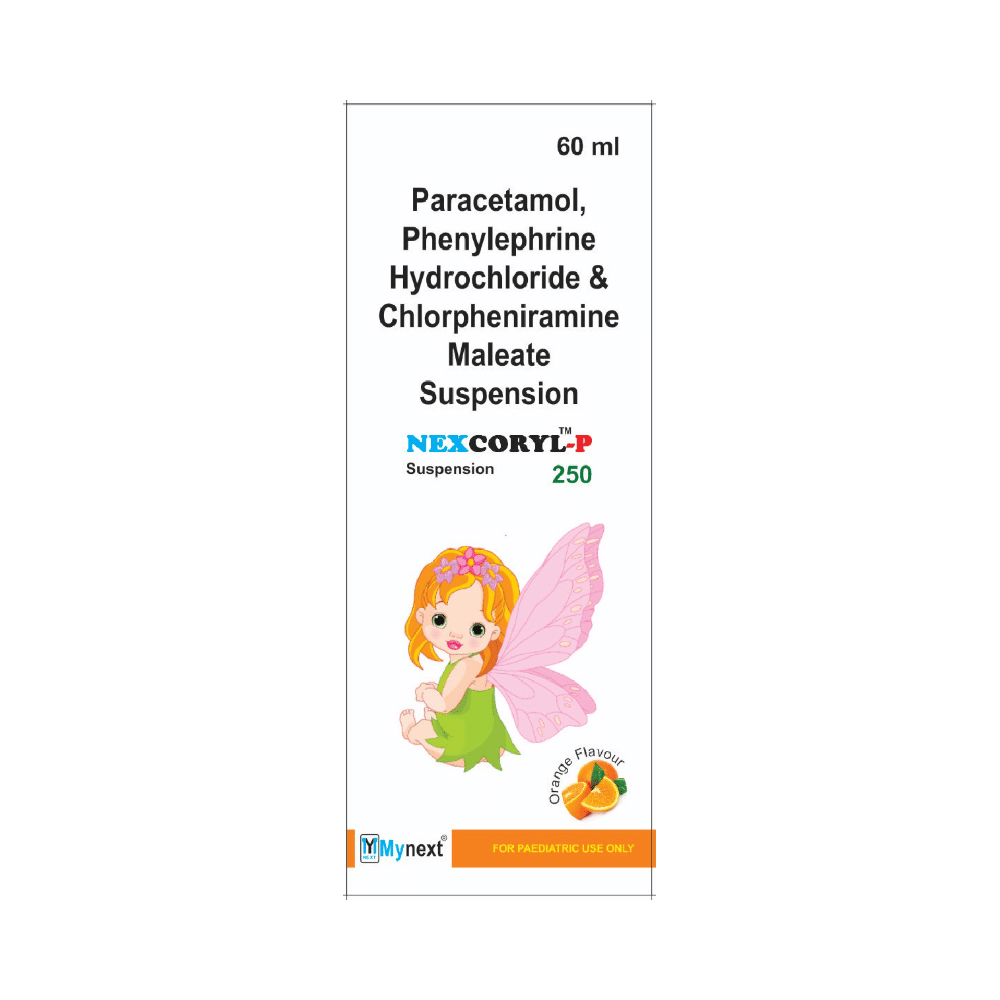
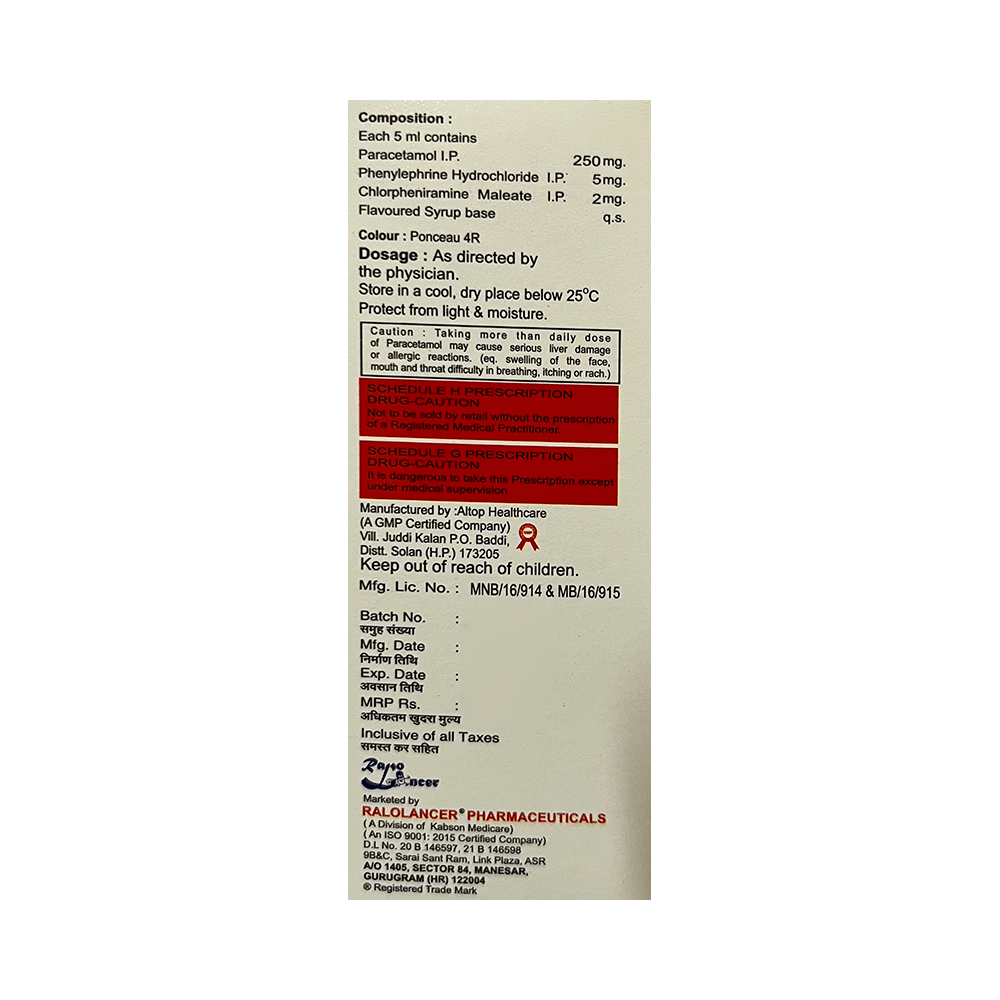
| Salt Composition: | Chlorpheniramine Maleate (2mg) + Paracetamol (50mg) + Phenylephrine (5mg) |
| Manufacturer: | Kabson Medicare |
| Storage: | Below 25 degree celcius |
Out of Stock
Have doubts about this medicine?
Have doubts about this medicine?
Lynocold DS Oral Suspension is a medicine used in the treatment of common cold symptoms, providing relief from symptoms such as headache, sore throat, runny nose, muscular pain, and fever. Lynocold DS Oral Suspension can be taken with or without food. The dose and duration will depend on the severity of your condition. You should keep taking the medicine even if you feel better until the doctor says it is alright to stop using it. Using this medicine may cause a few common side effects such as nausea, vomiting, sleepiness, dizziness, and headache. If any of these side effects do not resolve with time or get worse, you should let your doctor know. Your doctor may be able to suggest ways of preventing or reducing the side effects. In general, you should try to use the smallest amount necessary to control your symptoms.
Lynocold DS Oral Suspension is a combination of three medicines:
What is Lynocold DS Oral Suspension?
Lynocold DS Oral Suspension is a combination of chlorpheniramine, paracetamol / acetaminophen, and phenylephrine. This combination helps relieve symptoms associated with colds like runny nose, watery eyes, fever, and headache. Chlorpheniramine is an antiallergic medication that relieves allergy symptoms such as runny nose, watery eyes, and sneezing. Paracetamol blocks the release of certain chemical messengers in the brain responsible for pain and fever. Phenylephrine is a decongestant that narrows small blood vessels to provide relief from congestion or stuffiness in the nose.
Is Lynocold DS Oral Suspension safe to use?
Lynocold DS Oral Suspension is generally safe for most patients. However, some individuals may experience common side effects like nausea, vomiting, allergic reactions, sleepiness, headache, and other less frequent or rare side effects. If you experience any persistent problems while taking this medication, consult your doctor immediately.
Can I stop taking Lynocold DS Oral Suspension once my symptoms are relieved?
Lynocold DS Oral Suspension is typically used for short-term relief and can be discontinued when your symptoms improve. However, continue to take the medicine if your doctor has prescribed it.
Can Lynocold DS Oral Suspension cause dizziness?
Yes, Lynocold DS Oral Suspension may cause dizziness (feelings of faintness, weakness, unsteadiness or lightheadedness) in some patients. If you experience dizziness or lightheadedness, it is advised to rest and resume when feeling better.
Can Lynocold DS Oral Suspension damage the liver?
Lynocold DS Oral Suspension is generally safe for most patients when taken in recommended doses. However, excessive intake of Lynocold DS Oral Suspension may pose a risk to your liver. It's essential to avoid alcohol consumption while taking this medication as it can increase the likelihood of liver damage.
What is the recommended storage condition for Lynocold DS Oral Suspension?
Store this medicine in its original container, tightly sealed. Refer to the instructions on the packaging or label for further guidance regarding storage. Ensure unused medication is properly disposed of and does not fall into the hands of pets, children, or other individuals.
Take this medicine in the dose and duration as advised by your doctor. Check the label for directions before use. Measure it with a measuring cup and take it by mouth. Shake well before use. Lynocold DS Oral Suspension may be taken with or without food, but it is better to take it at a fixed time.
- Lynocold DS Oral Suspension helps relieve symptoms of cold and flu such as headache, sore throat, runny nose, muscular pain, and fever.
- It may cause dizziness and sleepiness. Don't drive or do anything that requires mental focus until you know how it affects you.
- Avoid consuming alcohol when taking this medicine as it may cause excessive drowsiness.
- Do not take it with any other medicine containing paracetamol (drugs for pain/fever or cough-and-cold) without asking your doctor first.
- Inform your doctor if you are pregnant, planning to conceive or breastfeeding.
- No common side effects listed.

Alcohol
It is unsafe to consume alcohol with Lynocold DS Oral Suspension.

Breastfeed
Lynocold DS Oral Suspension is probably safe to use during breastfeeding. Limited human data suggests that the drug does not represent any significant risk to the baby.

Pregnancy
Lynocold DS Oral Suspension may be unsafe to use during pregnancy. Although there are limited studies in humans, animal studies have shown harmful effects on the developing baby. Your doctor will weigh the benefits and any potential risks before prescribing it to you. Please consult your doctor.