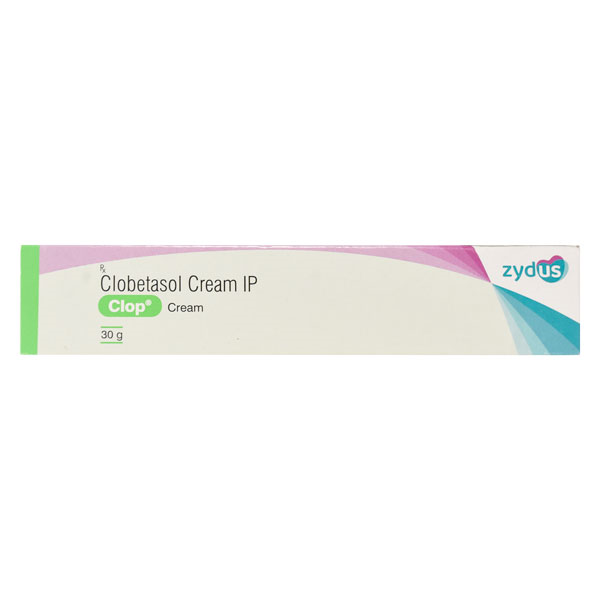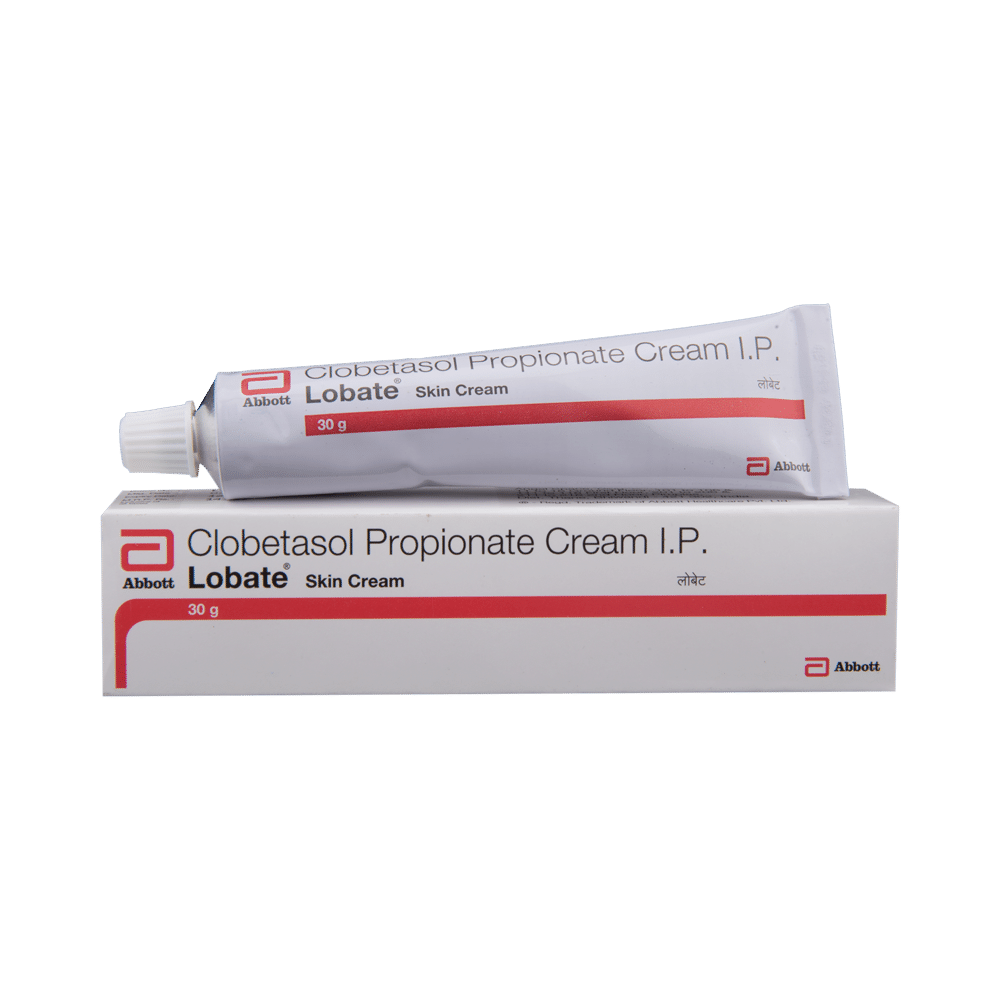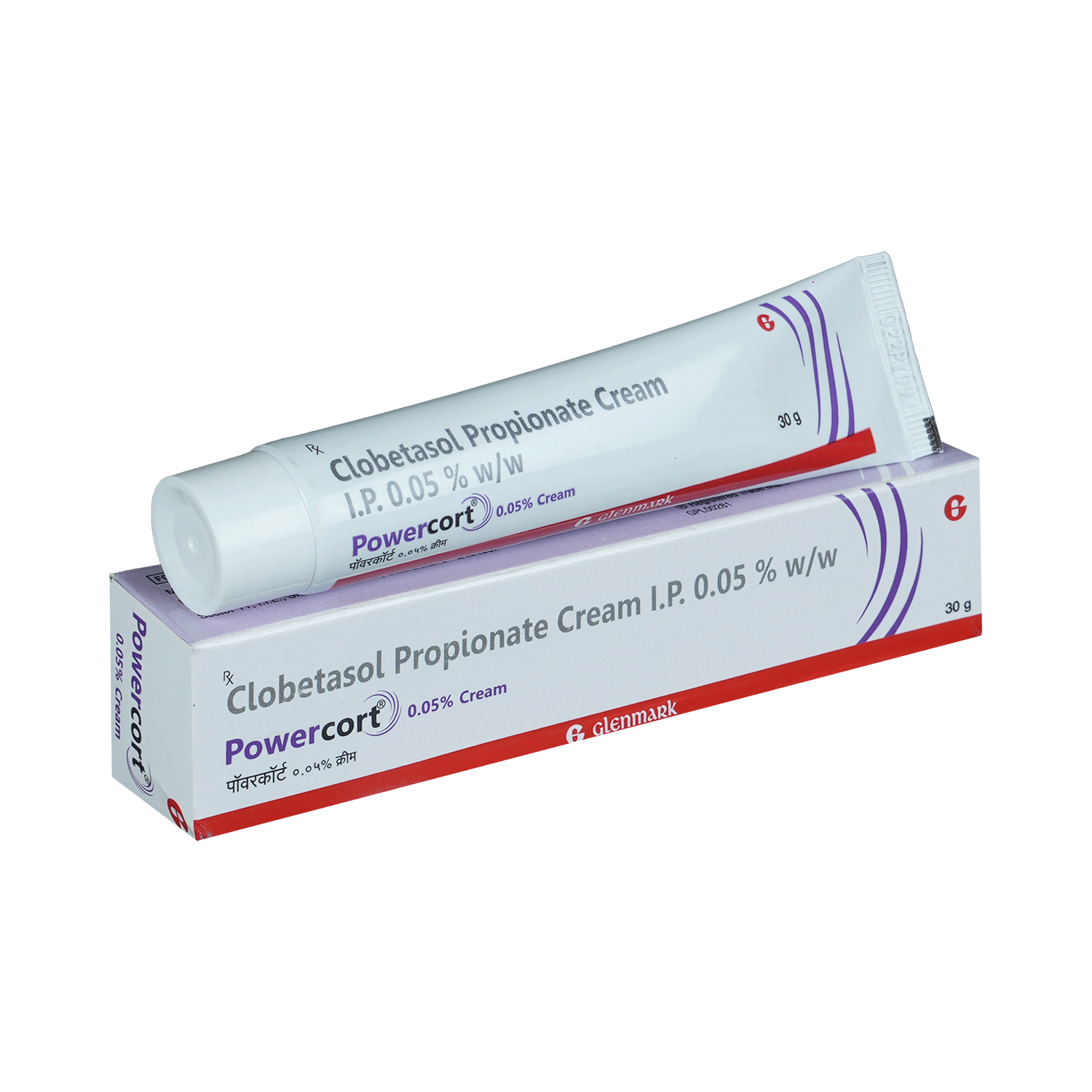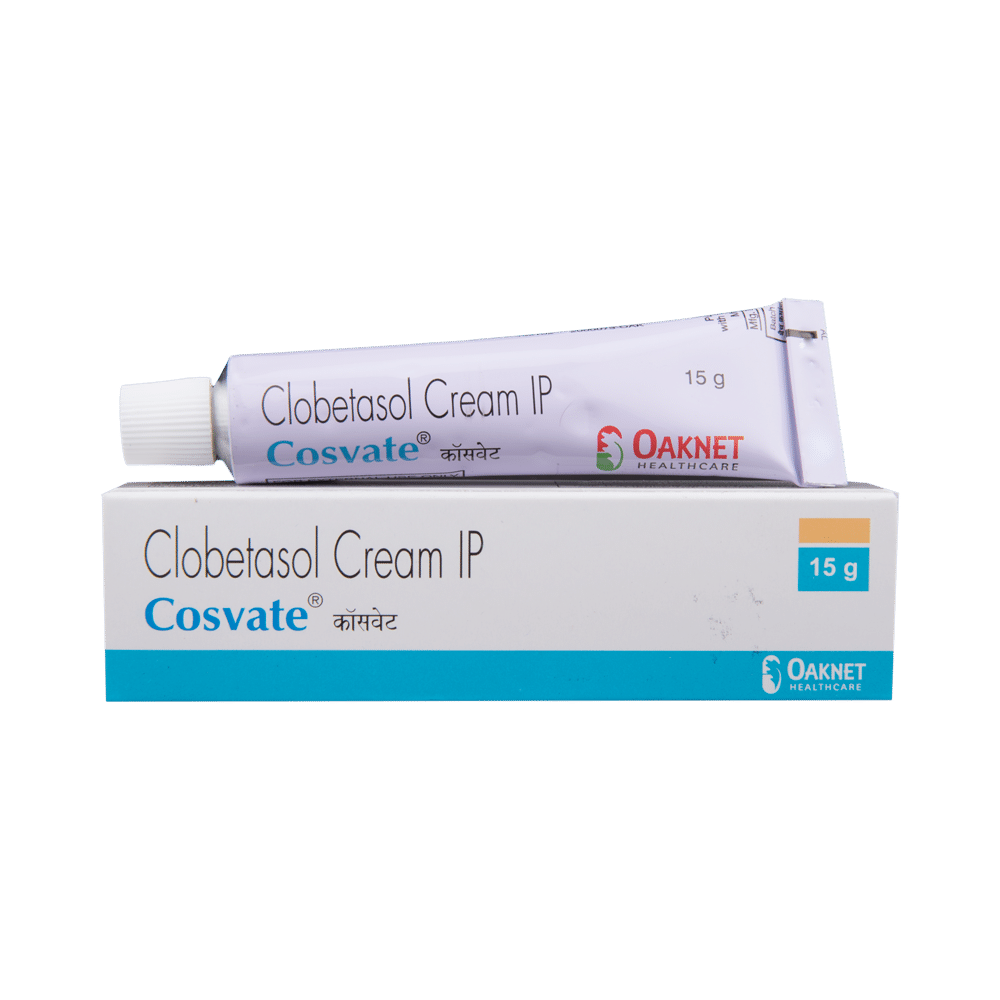
Kloova Cream
tube of 30.0 gm Cream.Prescription required
About this product:
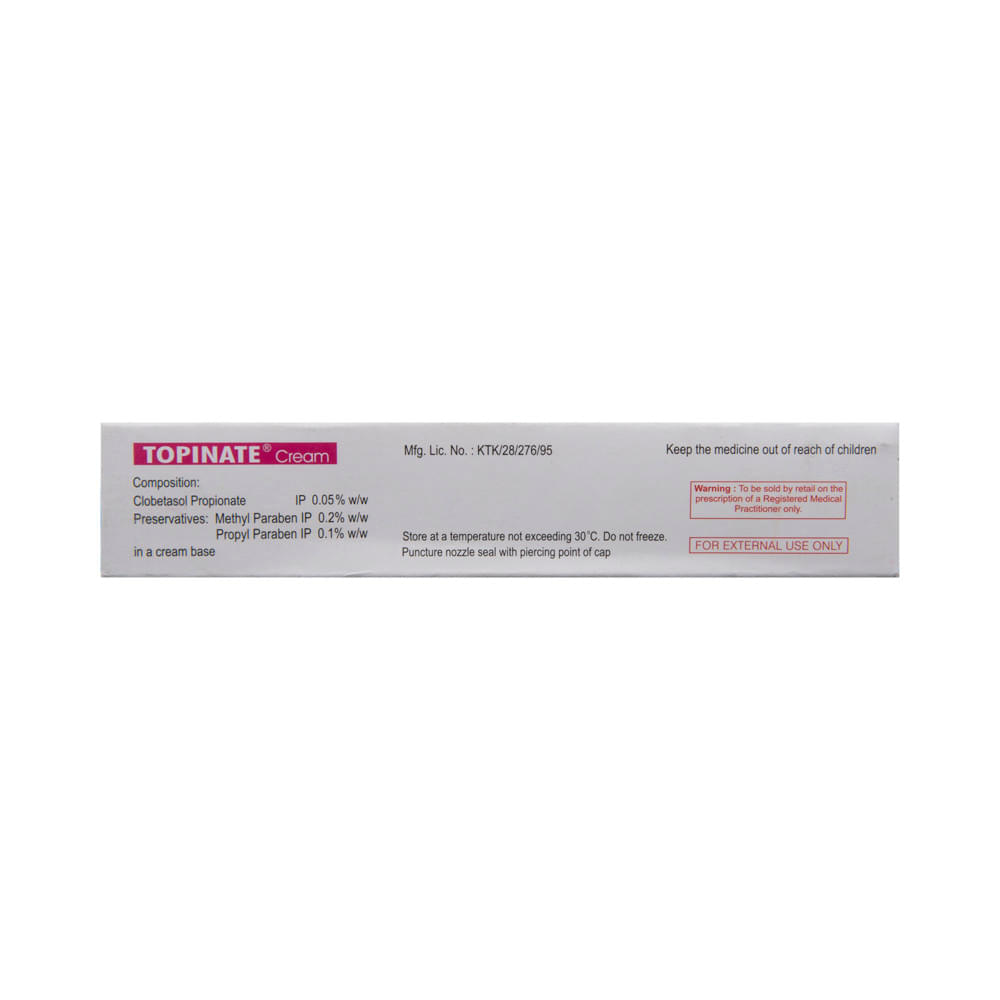
| Salt Composition: | Clobetasol (0.05% w/w) |
| Manufacturer: | Dan Healthcare Pvt Ltd |
| Storage: | Below 25 degree celcius |
Out of Stock
Have doubts about this medicine?
Have doubts about this medicine?
Kloova Cream is a steroid used to treat various skin conditions such as dermatitis, eczema, and allergies, reducing swelling, redness, and itchiness of the skin. Kloova Cream belongs to a group of medicines called steroids. It is used to treat various skin conditions such as dermatitis, eczema, and allergies. It works by reducing swelling, redness, and itchiness of the skin and prevents further irritation.
Kloova Cream is a steroid. It works by blocking the production of certain chemical messengers that make the skin red, swollen, and itchy.
Can Kloova Cream be used for a long time?
No, Kloova Cream is typically prescribed for only two consecutive weeks at a time. However, for chronic inflammatory conditions, the treatment may be extended by the physician.
Does Kloova Cream cause severe skin reactions?
Severe skin reactions are uncommon with Kloova Cream. It's an anti-inflammatory medication used to treat skin diseases and eczemas. However, a person with hypersensitive skin might experience a reaction. It's important to leave the affected area open after applying the cream as using occlusive dressings can potentially lead to skin reactions. Additionally, some reactions may be caused by excipients added to the medication itself, so it is essential to inform your doctor if any skin reactions occur.
Can Kloova Cream be used on the face?
No, Kloova Cream should not be applied to the face. Additionally, it shouldn't be used on armpits (axillae), groin, or areas with tissue atrophy. In exceptional cases, a doctor may prescribe it after consultation. It is recommended to use it only for a maximum of 5 days and this application should be reviewed by your physician regularly.
Can Kloova Cream be used on children?
Kloova Cream is not suitable for children under one year old. It's also not recommended for use in older children or adolescents due to increased side effects in these age groups. In children, there is an elevated risk of suppressed immune system that might increase vulnerability to other illnesses and tissue atrophy. However, under rare circumstances, it may be prescribed after consultation with a doctor, usually limited to 5 days, with weekly reviews.
Can we use Kloova Cream in infections?
Kloova Cream is not an antimicrobial or antifungal agent. It's a corticosteroid medication and shouldn't be used in infections because suppressing the immune system increases the risk of infection worsening, especially bacterial infections. If inflammatory lesions become infected or there is spread of infection, consult your doctor immediately. The doctor may discontinue Kloova Cream and provide appropriate antimicrobial therapy.
Can I stop taking Kloova Cream when my symptoms are relieved?
No, do not stop taking Kloova Cream until the full course of treatment is completed, even if you feel better. Your symptoms may improve before your treatment is complete. Stopping Kloova Cream prematurely can worsen your condition.
Does Kloova Cream cause dangerous skin reactions?
Local skin reactions are uncommon with Kloava Cream. This medication is an anti-inflammatory used to treat skin diseases and eczemas, but some people may experience a reaction due to hypersensitive skin. It's crucial to allow the affected area to remain open after applying the cream to prevent skin reactions. If using occlusive dressings leads to a reaction, inform your doctor immediately.
This medicine is for external use only. Use it in the dose and duration as advised by your doctor. Clean and dry the affected area and apply the cream. Wash your hands after applying unless hands are the affected area.
- Kloova Cream is used to treat redness
- Swelling
- Itching
- and discomfort of various skin conditions.
- It should be applied to the affected areas as a thin film two or three times daily or as advised by your doctor.
- Don't use it more often or for longer than advised by your doctor.
- Don't cover the area being treated with airtight dressings such as bandages unless directed by a doctor as this may increase the risk of side effects.
- If you think the area of skin you are treating has become infected you should stop using Kloova Cream and consult your doctor.
- Consult your doctor if your skin condition has not improved after four weeks of treatment. Do not use it for more than 4 consecutive weeks at a time.

Alcohol
No interaction found/established

Breastfeed
Kloova Cream is probably unsafe to use during breastfeeding. Limited human data suggests that the drug may pass into the breastmilk and harm the baby.

Pregnancy
Kloova Cream may be unsafe to use during pregnancy. Although there are limited studies in humans, animal studies have shown harmful effects on the developing baby. Your doctor will weigh the benefits and any potential risks before prescribing it to you. Please consult your doctor.