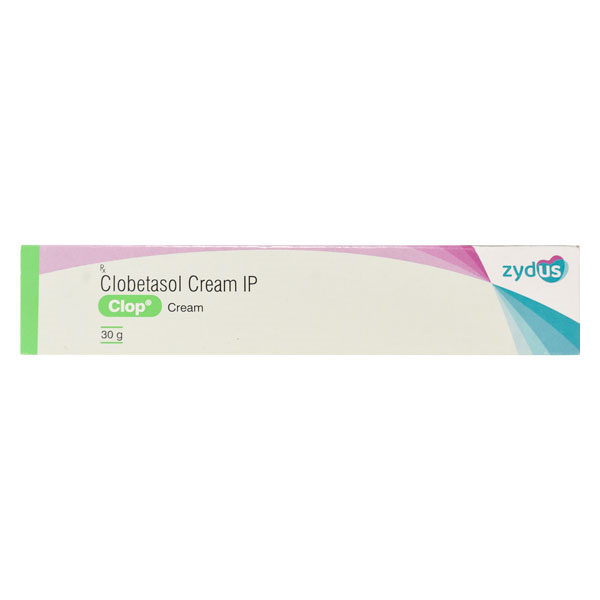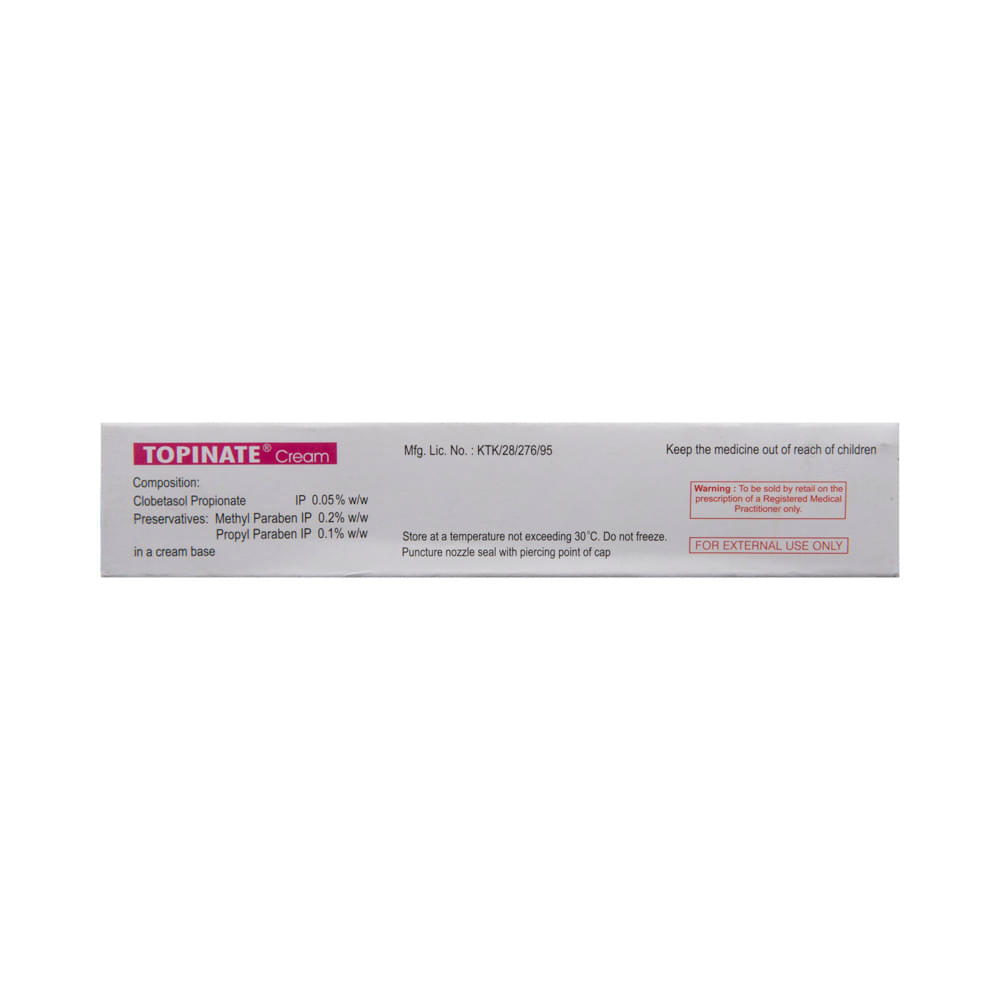
Clonext Cream
1 Tube of 30 gm .Prescription required
About this product:
| Salt Composition: | Clobetasol (0.05%w/w) |
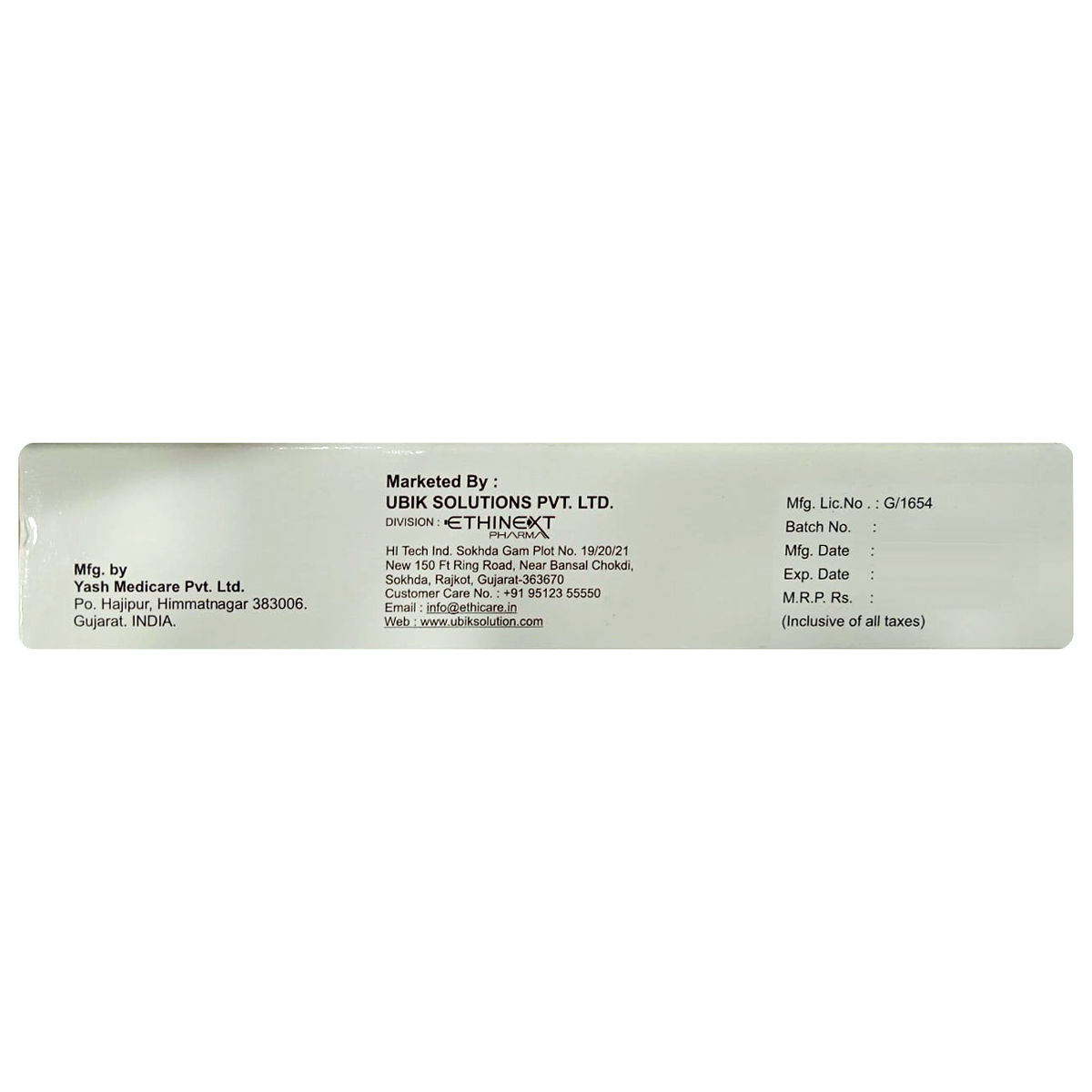
| Manufacturer: | Ethinext Pharma |
| Storage: | Below 25 degree celcius |
In Stock
Have doubts about this medicine?
Have doubts about this medicine?
Clonext Cream is a steroid used to treat various skin conditions such as dermatitis, eczema, and allergies. Clonext Cream belongs to a group of medicines called steroids. It is used to treat various skin conditions such as dermatitis, eczema, and allergies. It works by reducing swelling, redness, and itchiness of the skin and prevents further irritation.
Clonext Cream is a steroid. It works by blocking the production of certain chemical messengers that make the skin red, swollen and itchy.
Can Clonext Cream be used for a long time?
No, Clonext Cream should not be used for prolonged periods. The recommended duration is typically two consecutive weeks. However, in cases of chronic (long-term) inflammatory conditions, treatment may extend beyond this period under the guidance of a physician.
Does Clonext Cream cause severe skin reactions?
Severe skin reactions are extremely rare with Clonext Cream. Clonext Cream is an anti-inflammatory medication used to treat inflammatory skin conditions like eczema and skin rashes. However, individuals with hypersensitivity to the medication may experience side effects like skin reactions. It's crucial to maintain open areas after applying Clonext Cream. Using occlusive dressings (which create a barrier over the affected area) can contribute to skin reactions. The medicine itself is generally not the cause of reaction but rather the added excipients used in the formulation might trigger an adverse response in some patients. If you experience any skin reactions, inform your doctor immediately.
Can Clonext Cream be used on the face?
Clonext Cream is not suitable for use on the face. Additionally, it should not be applied to the armpits, groin, or areas with atrophy (tissue wasting). In specific situations, consultation and doctor-directed application may be considered. It's important to only use Clonext Cream after consulting a physician. If possible, limit its use on the face to a maximum of five days.
Can we use Clonext Cream in children?
Clonext Cream is not recommended for use in children under one year of age. It's also not suitable for older children and adolescents due to increased side effects in those groups. The immune system may be suppressed more severely in young children, making them more susceptible to other diseases and atrophy. However, under special circumstances, a doctor may prescribe the medication, but the treatment will be limited to five days, and its effect is periodically reviewed by the physician.
Can I stop taking Clonext Cream when my symptoms are relieved?
No, do not discontinue taking Clonext Cream even if your symptoms improve. It's essential to complete the full course of treatment. Stopping before completion may bring back your symptoms.
Does Clonext Cream cause dangerous skin reactions?
Local skin reactions are rare with Clonext Cream, being an anti-inflammatory medication used for skin conditions like eczema and rashes. However, individuals with hypersensitivity to the medication may experience side effects. It's crucial to leave the affected area open after applying Clonext Cream. Using occlusive dressings (which create a barrier over the affected area) can contribute to skin reactions. If not by the medicine itself, sometimes reactions are also caused by the added excipients used in the formulation. Inform your doctor immediately if you experience any skin reactions.
This medicine is for external use only. Use it in the dose and duration as advised by your doctor. Check the label for directions before use. Clean and dry the affected area and apply the cream. Wash your hands after applying unless hands are the affected area.
- Apply a thin film two or three times daily or as advised by your doctor.
- Don't use it more often or for longer than advised by your doctor.
- Don't cover the area being treated with airtight dressings such as bandages unless directed by a doctor.
- If you think the area of skin you are treating has become infected you should stop using Clonext Cream and consult your doctor.
- Consult your doctor if your skin condition has not improved after four weeks of treatment. Do not use it for more than 4 consecutive weeks at a time.

Alcohol
No interaction found/established

Breastfeed
Clonext Cream is probably unsafe to use during breastfeeding. Limited human data suggests that the drug may pass into the breastmilk and harm the baby.

Pregnancy
Clonext Cream may be unsafe to use during pregnancy. Although there are limited studies in humans, animal studies have shown harmful effects on the developing baby. Your doctor will weigh the benefits and any potential risks before prescribing it to you. Please consult your doctor.