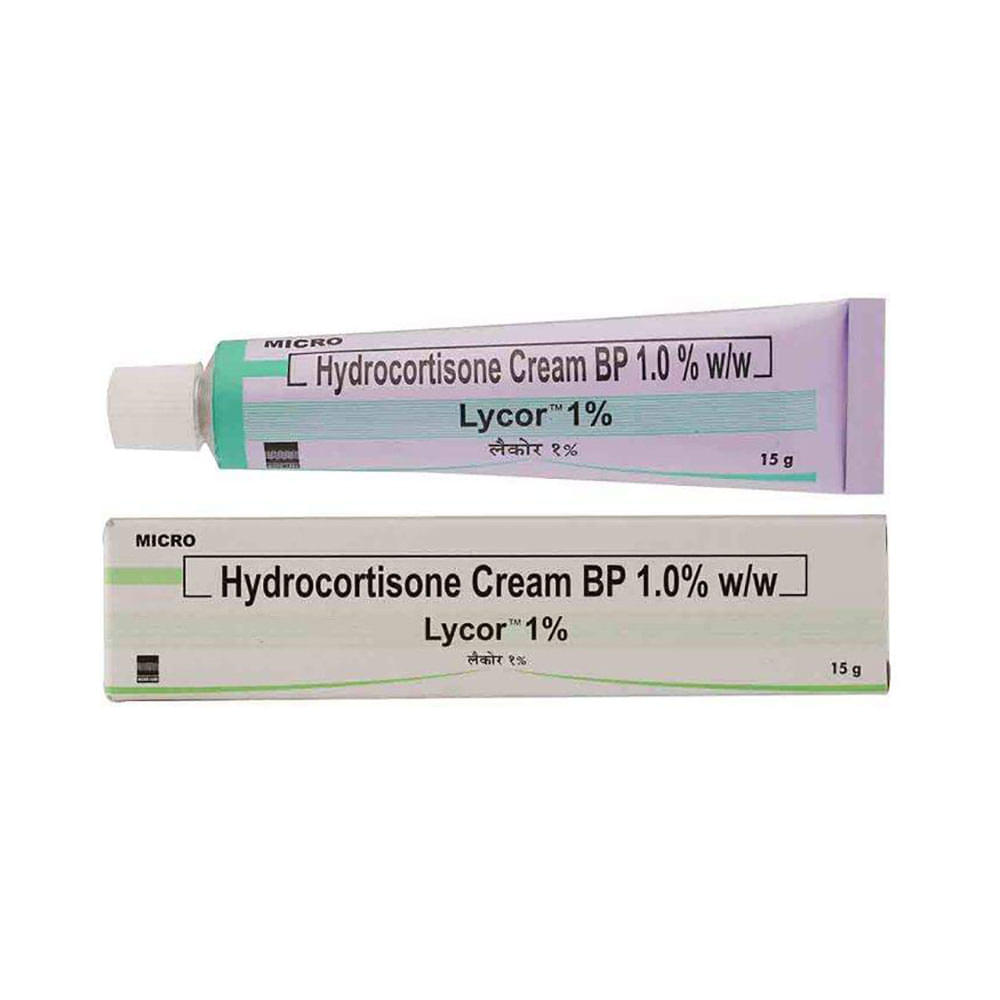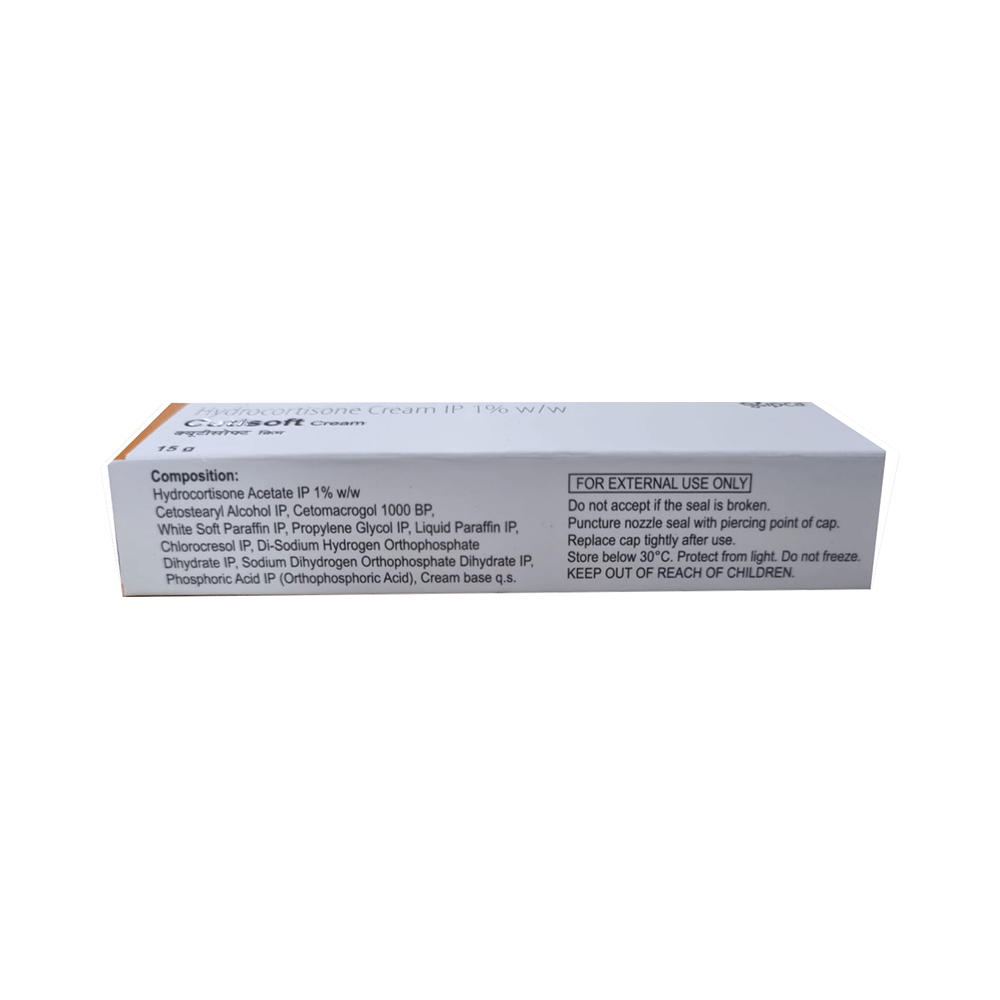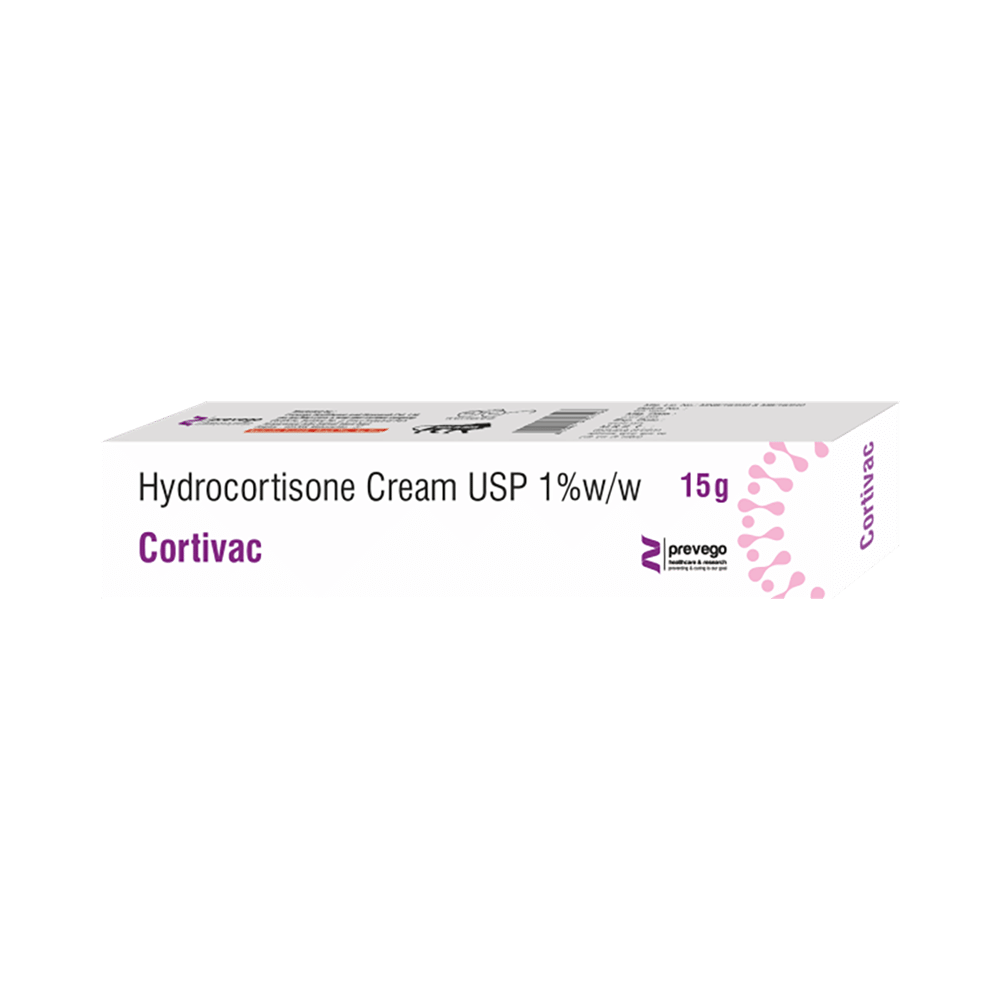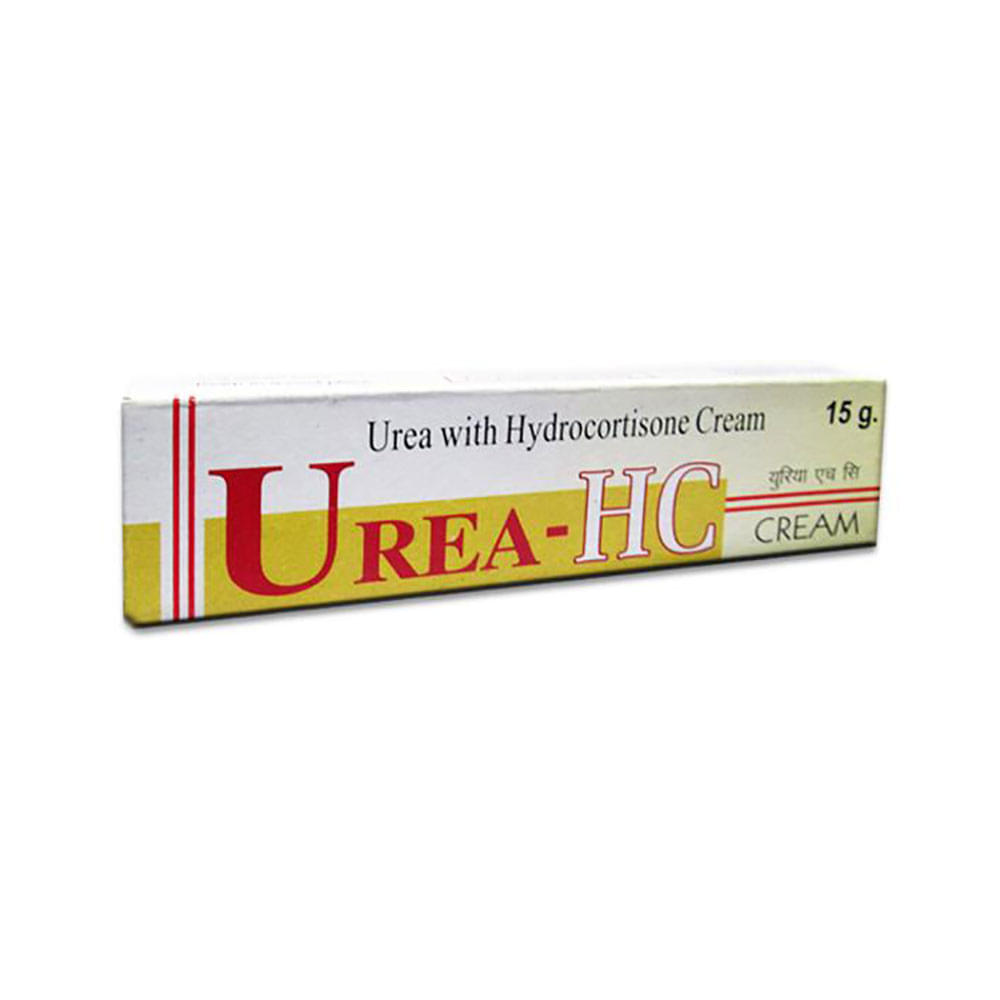
Hyddocort 1% Cream
tube of 15.0 gm Cream
About this product:
| Salt Composition: | Hydrocortisone (1% w/w) |
| Manufacturer: | Pfiscar India Ltd |
| Storage: | Below 25 degree celcius |
Out of Stock
Have doubts about this medicine?
Have doubts about this medicine?
Hyddocort 1% Cream is a topical steroid used for treatment of mild to moderate inflammatory skin disorders such as eczema. Hyddocort 1% Cream is a topical steroid used for treatment of mild to moderate inflammatory skin disorders such as eczema. It prevents the release of substances that cause inflammation and provides relief from swelling, redness, and itching in the affected area.
Hyddocort 1% Cream is a steroid medicine which blocks the production of certain chemical messengers that make the skin red, swollen and itchy.
Can Hyddocort 1% Cream be used on the face?
No, Hyddocort 1% Cream should not be used on the face. Additionally, it should not be applied to the axillae (armpits), groin, or if there is atrophy at the treatment site. In exceptional cases, use may be considered by a doctor after consultation with the patient and only with limited application for up to 5 days.
Can Hyddocort 1% Cream be used in infections?
Hyddocort 1% Cream is not an antimicrobial or antifungal agent. It is a steroid medication. It should not be used in infections because it suppresses the immune system and increases the risk of infection. Bacterial infections may worsen if they are covered with a dressing after using Hyddocort 1% Cream. If the inflammatory lesions become infected, contact your doctor immediately. The doctor will withdraw Hyddocort 1% Cream use and provide appropriate antimicrobial therapy.
How to apply Hyddocort 1% Cream?
Before applying Hyddocort 1% Cream, clean and dry the affected area. Gently massage it into the skin. Be careful not to get the medication in your eyes or mouth. If Hyddocort 1% Cream gets in your eyes accidentally, flush with water and contact your doctor if your eyes become irritated.
Can I stop using Hyddocort 1% Cream when my symptoms are relieved?
No, do not stop taking Hyddocort 1% Cream and finish the entire course of treatment even if you feel better. Your symptoms may improve before your treatment is complete. Stopping Hyddocort 1% Cream before the full course is completed can worsen your skin condition.
What precautions should be taken while using Hyddocort 1% Cream?
Hyddocort 1% Cream should not be used on the face. Do not use it for longer periods than prescribed by a doctor. Do not apply a bandage or dressing to the treatment area, as this increases absorption of the preparation and increases the risk of side effects. This medication should only be used when advised by a doctor and never given to others, even if their condition appears similar.
Who should not use Hyddocort 1% Cream?
Hyddocort 1% Cream should not be used in individuals with known allergies to it or any of its ingredients. It is also unsuitable for people with active skin infections, including eyes and ears. Before using this medication, informing your doctor if you are pregnant, planning a pregnancy, or breastfeeding is crucial to avoid potential harm to the baby.
What should I do if I forget to use Hyddocort 1% Cream?
If you forget to apply Hyddocort 1% Cream, there is no need for concern. Continue using it as soon as possible if you recall. However, if you have any doubts or uncertainties, please consult your doctor.
This medicine is for external use only. Use it in the dose and duration as advised by your doctor. Check the label for directions before use. Clean and dry the affected area and apply the cream. Wash your hands after applying unless hands are the affected area.
- Hyddocort 1% Cream is used to treat the redness
- swelling
- itching
- and discomfort of eczema.
- It should be applied to the affected areas as a thin film two or three times daily or as advised by your doctor.
- Don't use it more often or for longer than advised by your doctor.
- Don't cover the area being treated with airtight dressings such as bandages unless directed by a doctor as this may increase the risk of side effects.
- If you think the area of skin you are treating has become infected you should stop using Hyddocort 1% Cream and consult your doctor.
- Consult your doctor if your skin condition has not improved after 2 weeks of treatment.

Alcohol
No interaction found/established

Breastfeed
Hyddocort 1% Cream is probably unsafe to use during breastfeeding. Limited human data suggests that the drug may pass into the breastmilk and harm the baby.

Pregnancy
Hyddocort 1% Cream may be unsafe to use during pregnancy. Although there are limited studies in humans, animal studies have shown harmful effects on the developing baby. Your doctor will weigh the benefits and any potential risks before prescribing it to you. Please consult your doctor.