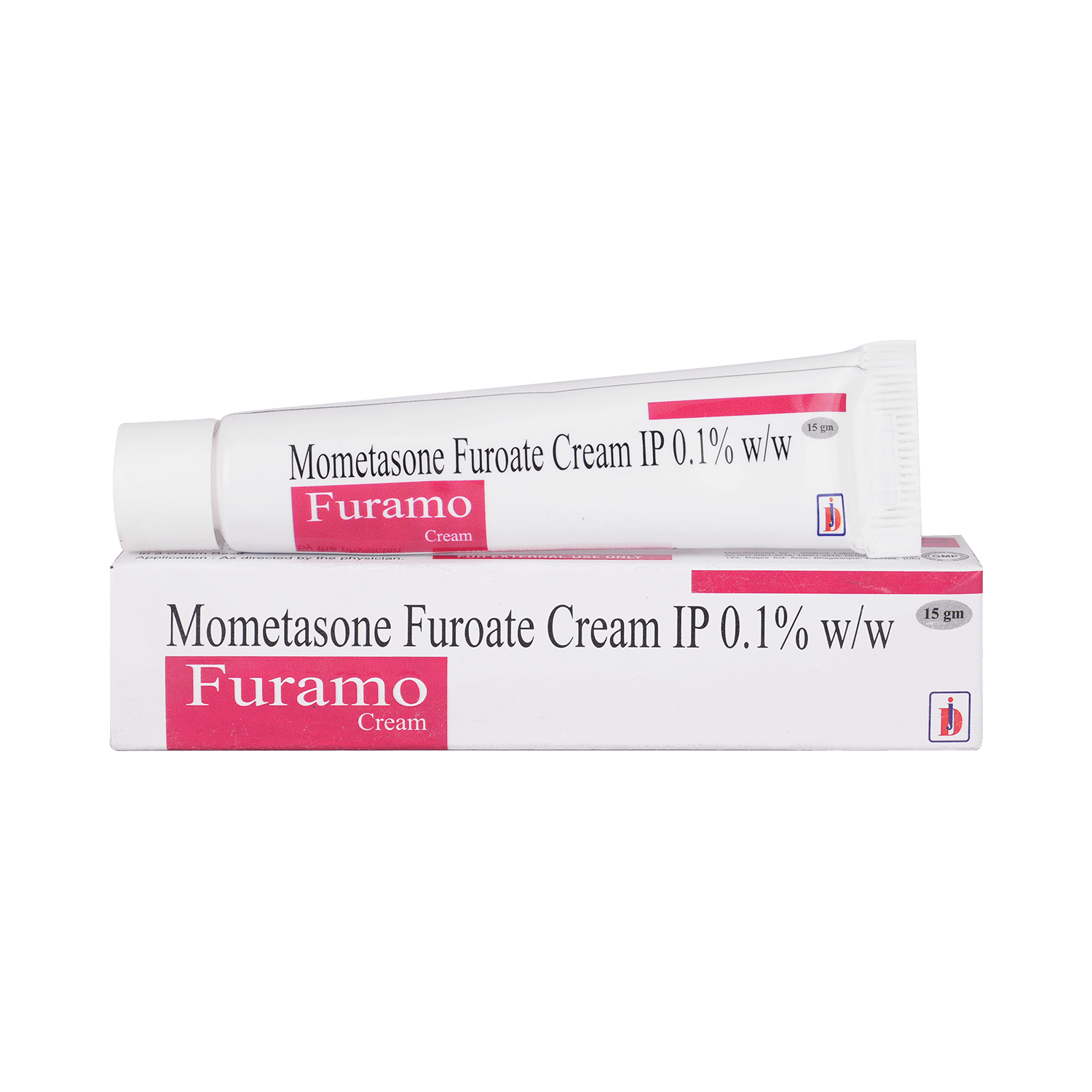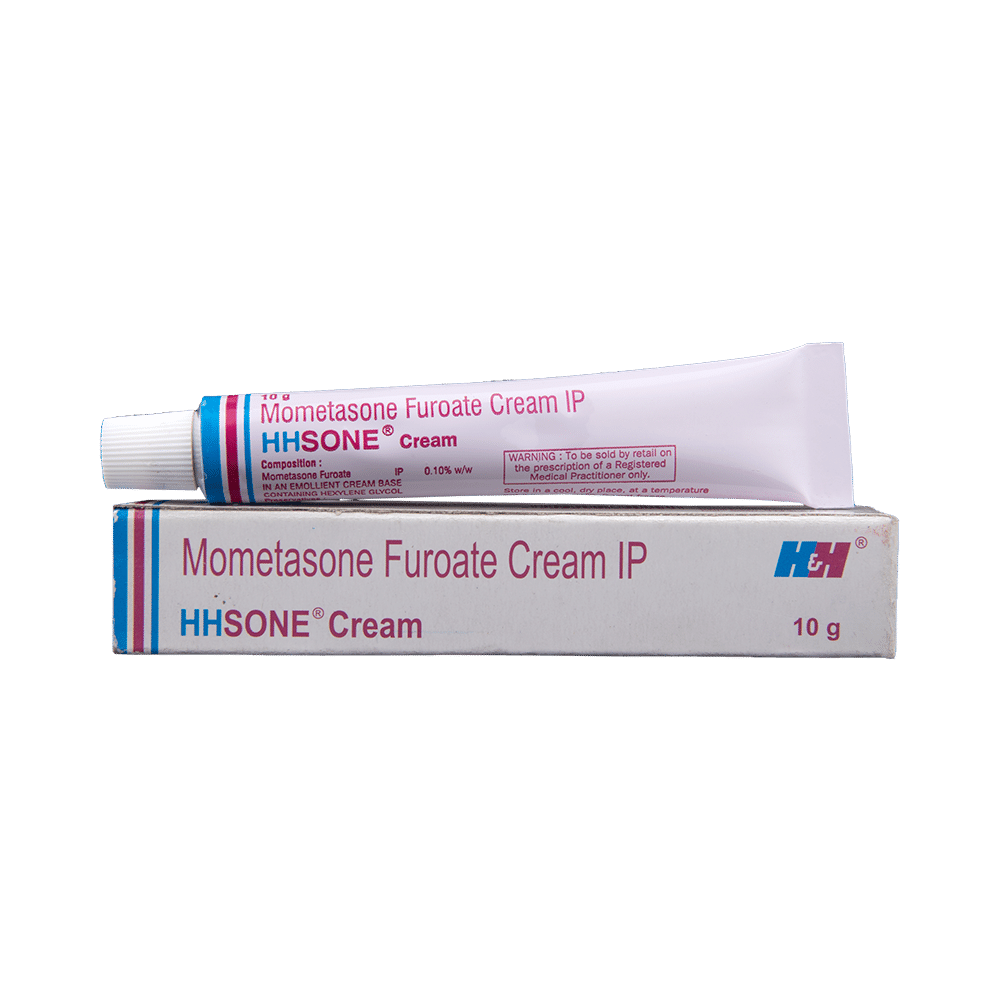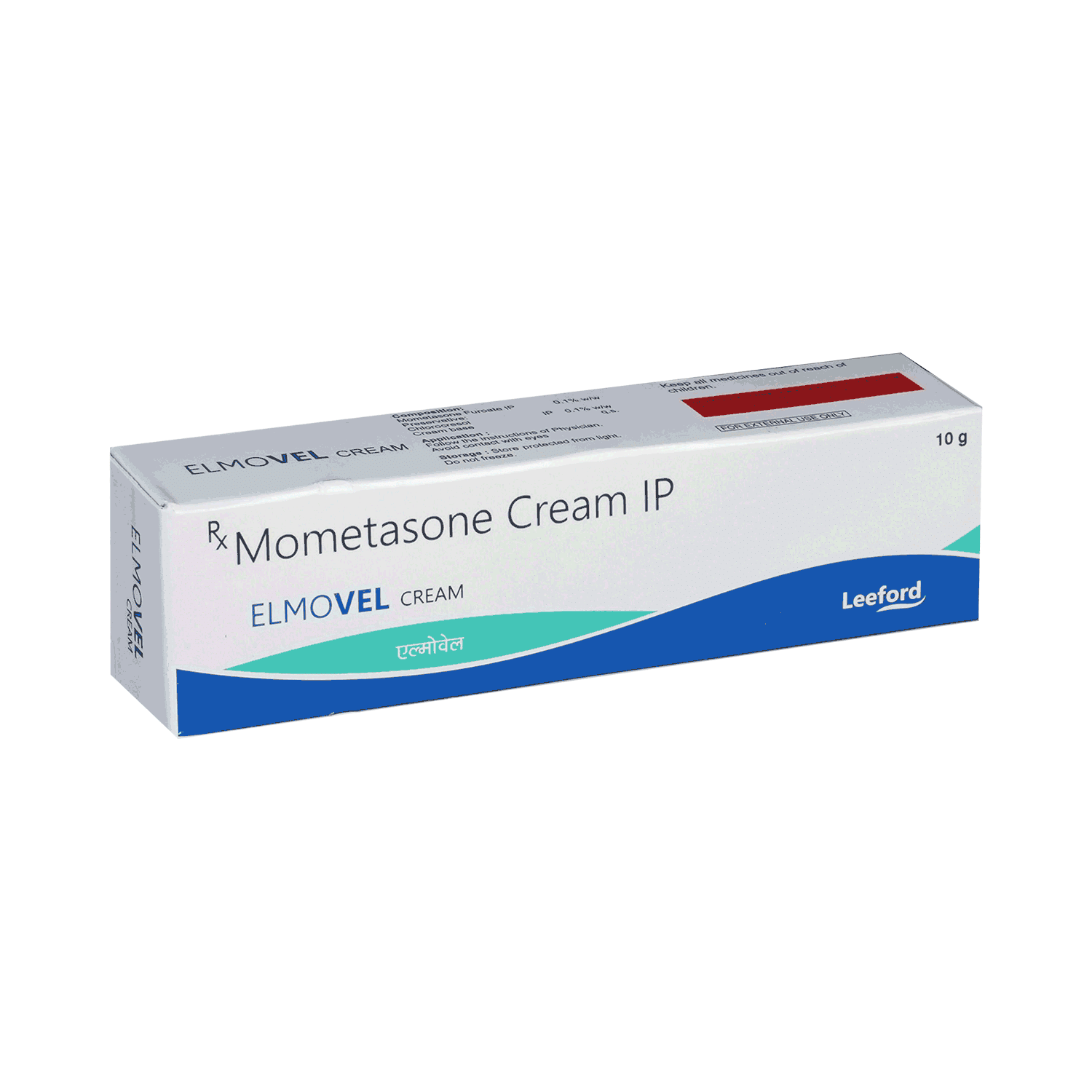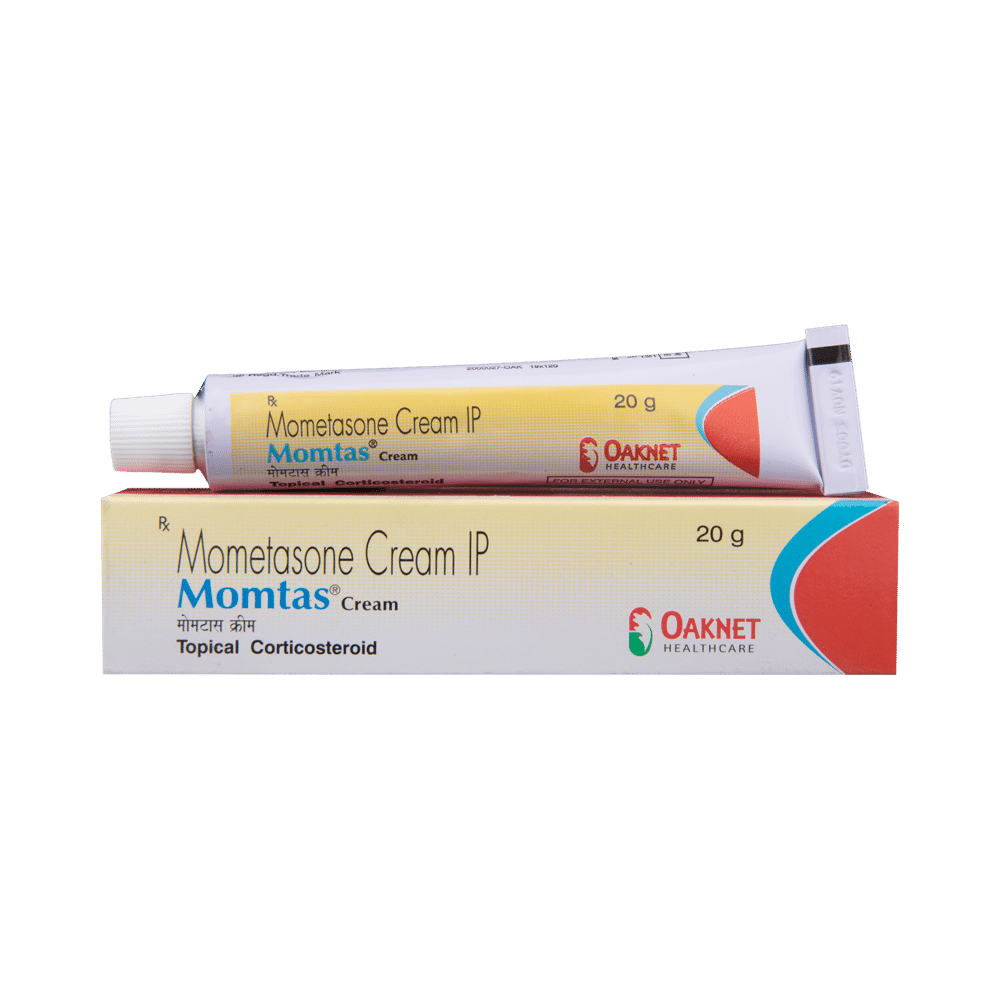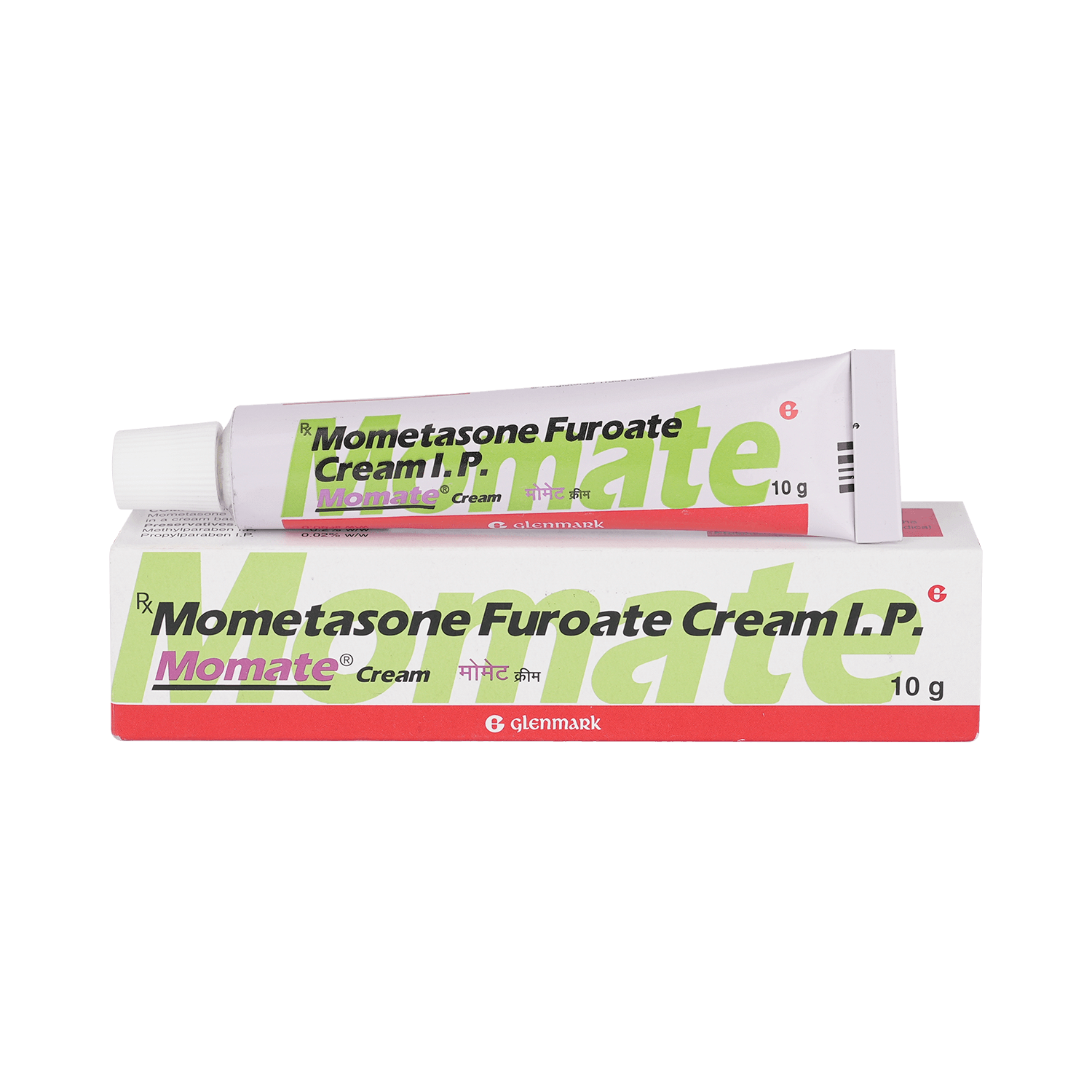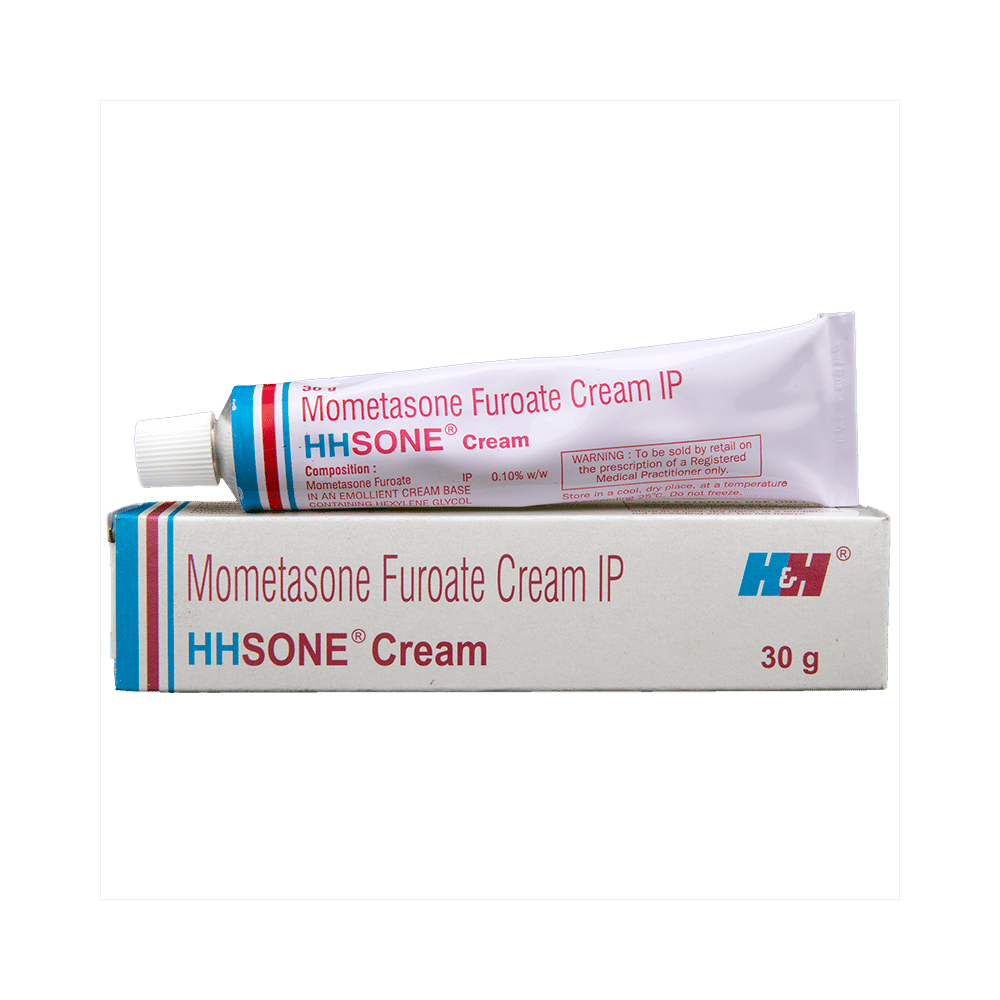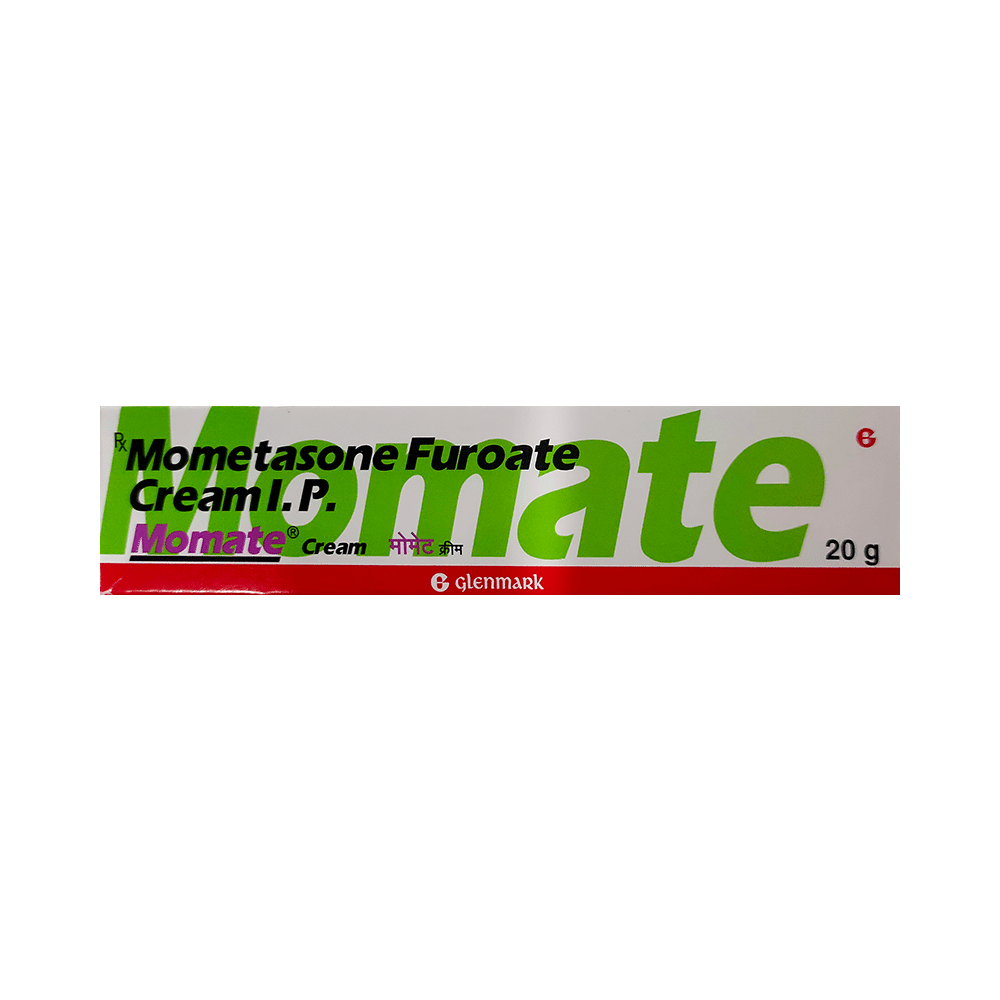
Xtramet Cream
tube of 20.0 gm Cream.Prescription required
About this product:
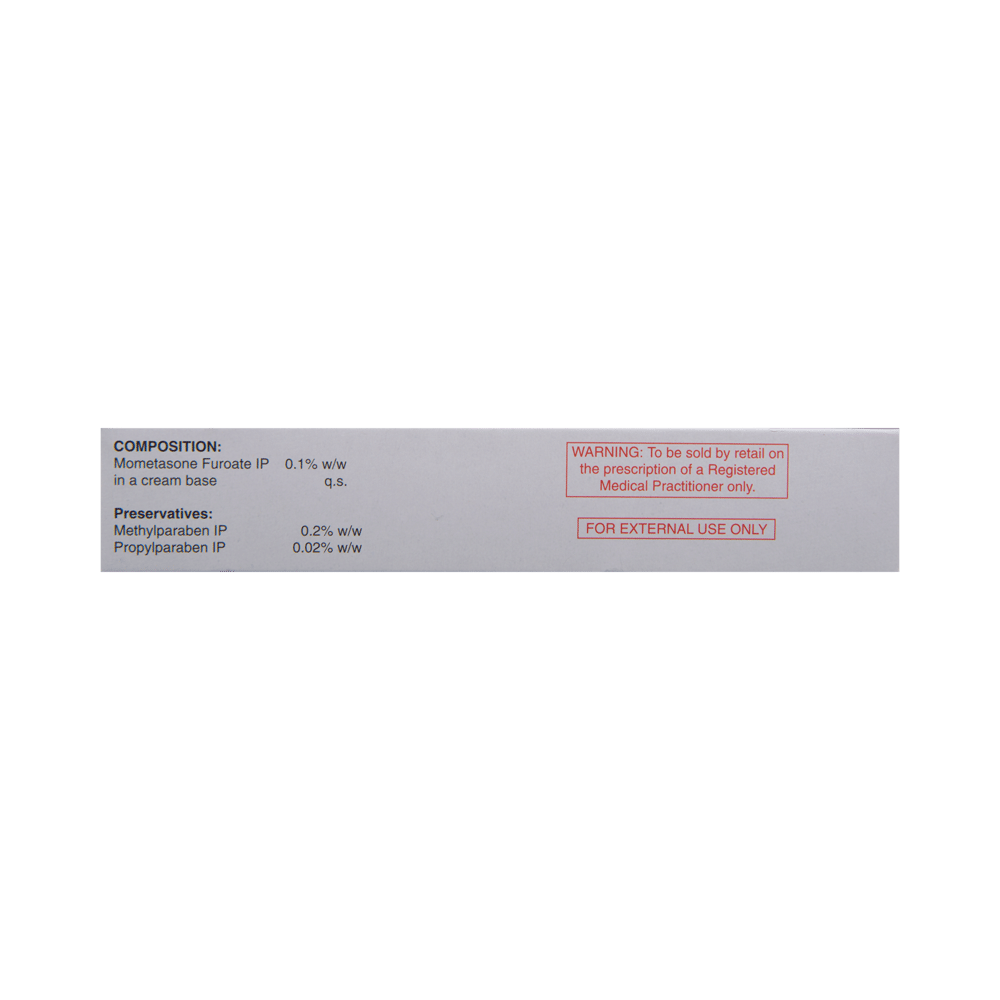
| Salt Composition: | Mometasone (0.1% w/w) |
| Manufacturer: | Oziel Pharmaceuticals Pvt Ltd |
| Storage: | Below 25 degree celcius |
Out of Stock
Have doubts about this medicine?
Have doubts about this medicine?
Xtramet Cream is a steroid used to treat certain skin conditions such as eczema, psoriasis, dermatitis, and rash. Xtramet Cream is a steroid that is used to treat certain skin conditions such as eczema, psoriasis, dermatitis, and rash. It helps reduce symptoms like swelling, itching, and redness. You should always use Xtramet Cream exactly as your doctor has told you. Do not use the cream or ointment for more than the recommended duration. Spread it as a thin layer onto the skin. Do not cover the area being treated with a bandage or plaster unless your doctor tells you to. You should use this medicine regularly but do not apply large amounts or use it for longer than prescribed. Tell your doctor if your condition does not improve after 2 weeks of treatment.
Xtramet Cream is a steroid. It works by blocking the production of certain chemical messengers (prostaglandins) that make the skin red, swollen, and itchy.
Is Xtramet Cream an antifungal, an antibiotic, or a steroid?
Xtramet Cream is neither an antifungal nor an antibiotic. It is a corticosteroid that reduces inflammation (redness, swelling) in various conditions. It is available as an ointment, cream, and lotion for external application. It is also available as a nasal spray or powder for inhalation.
Can I extend the treatment with Xtramet Cream beyond what my doctor has prescribed?
You should use Xtramet Cream as directed by your doctor, especially in children. Exceeding the recommended dose or extending the duration may cause hormonal imbalance in your child, leading to puffiness, facial rounding, and potential growth delays. Therefore, consult your doctor before any dose adjustments.
What is Xtramet Cream used for?
Xtramet Cream is a steroid medication that relieves inflammatory and itchy skin conditions when applied to the skin. It also helps reduce redness, scaling, and swelling associated with these conditions. Please consult your doctor before taking this medicine.
How do I use Xtramet Cream?
Use Xtramet Cream gently rubbed into affected skin twice daily for a maximum of about 2 weeks. If you do not experience considerable improvement within 2 weeks, consult your doctor for reevaluation.
Can I use Xtramet Cream on broken skin?
No, Xtramet Cream should not be applied to broken skin. It is a steroid medication that works by suppressing the immune system. This could cause varied side effects and delay healing. Moreover, steroids can also lead to skin atrophy, which may worsen the associated condition.
Does Xtramet Cream cause local irritation or skin reactions?
Yes, Xtramet Cream may cause local skin reactions like burning, itching, irritation, dryness, and hypopigmentation in sensitive individuals. Inform your doctor if you have a history of allergies or reactions before starting this medication. It is important to note that the allergic reaction could be due to added ingredients. If any reaction occurs, stop the medicine immediately and inform your doctor.
What precautions should I take when using Xtramet Cream?
Do not use Xtramet Cream on the face. Do not apply it for longer periods than recommended by your doctor. Do not cover the treated area with bandages or dressings, as this will increase absorption of the preparation and risk side effects. This medicine should only be used when advised by your doctor. It should never be given to others if they present a similar condition.
This medicine is for external use only. Use it in the dose and duration as advised by your doctor. Check the label for directions before use. Clean and dry the affected area and apply the cream. Wash your hands after applying unless hands are the affected area.
- Apply a thin layer to the affected area two or three times daily or as advised by your doctor. Do not use it more often or for longer than advised by your doctor. Do not cover the area being treated with airtight dressings such as bandages unless directed by a doctor as this may increase the risk of side effects.
- Inflammation and infection of hair follicle, burning, stinging, and itching sensations at the time of application

Breastfeed
Xtramet Cream is probably safe to use during breastfeeding. Limited human data suggests that the drug does not represent any significant risk to the baby.

Pregnancy
Xtramet Cream may be unsafe to use during pregnancy. Although there are limited studies in humans, animal studies have shown harmful effects on the developing baby. Your doctor will weigh the benefits and any potential risks before prescribing it to you. Please consult your doctor.