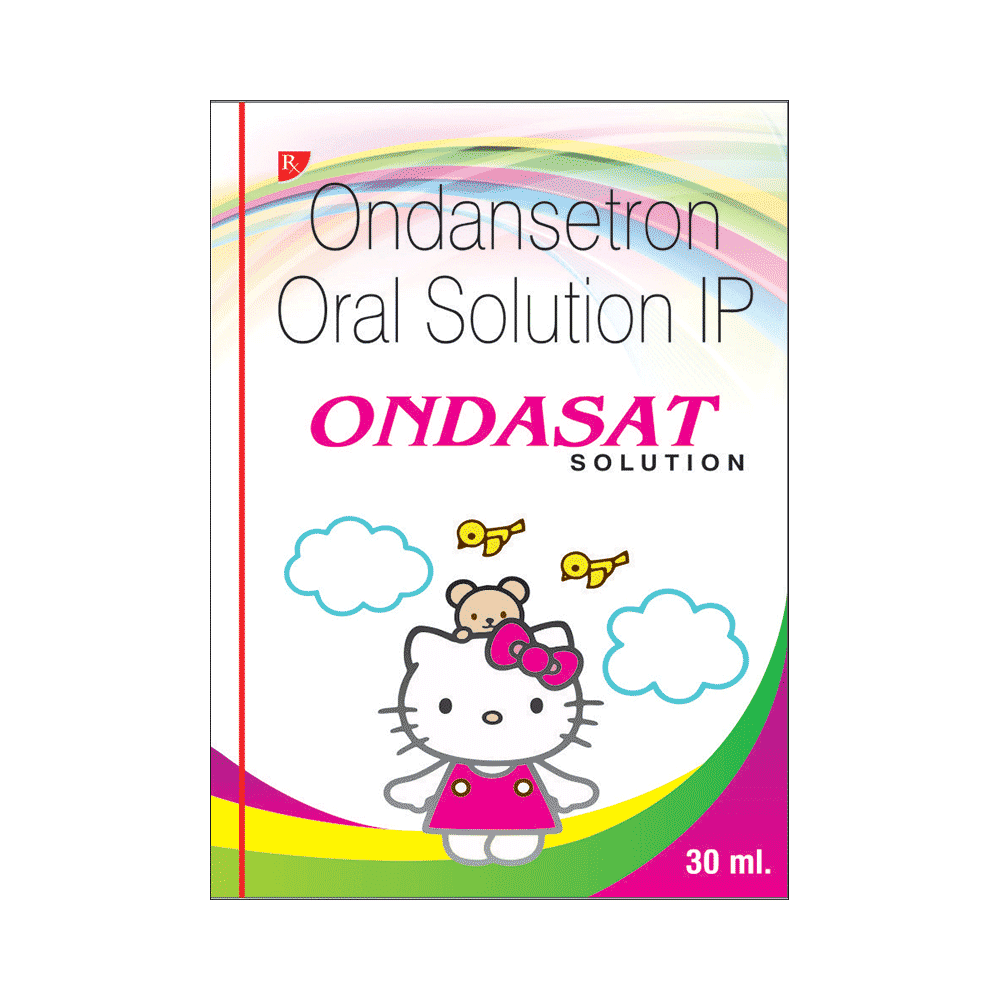
Vomdor Oral Solution
bottle of 30.0 ml Oral Solution.Prescription required
About this product:
| Salt Composition: | Ondansetron (2mg) |
| Manufacturer: | Dorphyll Healthcare |
| Storage: | Below 25 degree celcius |
Out of Stock
Have doubts about this medicine?
Have doubts about this medicine?
Vomdor Oral Solution is a medicine given to children to help treat nausea and vomiting. It is mainly given to treat nausea and vomiting associated with surgery, chemotherapy, radiotherapy, and stomach/intestinal infection. Vomdor Oral Solution may be given before or after meals. To control vomiting caused due to chemotherapy, give this medicine to your child 30 minutes before the procedure. Give it 1 to 2 hours before a radiotherapy session and 1 hour before surgery to prevent your child from vomiting post these procedures. If your child expels out the medicine within 30 minutes of the intake, help your child calm down and repeat the dose. Do not double the dose if it is already time for the next dose. Vomdor Oral Solution may cause some temporary side effects such as headache, constipation, diarrhea, and fatigue. These side effects usually subside once your child’s body adapts to the medicine. In case these side effects persist or become bothersome, do reach out to the doctor on a priority basis.
During radiotherapy, chemotherapy, abdominal infection, or any major surgeries, the dead cells in the body start releasing a chemical called serotonin directly into the blood. Later, this stimulates special centers in the body that are responsible for inducing vomiting in your child. Giving Vomdor Oral Solution just before the procedure helps block the effect of this chemical on vomiting centers of the brain and prevents vomiting.
What is Vomdor Oral Solution used for?
Vomdor Oral Solution is primarily used to prevent vomiting before major surgery, chemotherapy, or radiotherapy sessions. It may also be prescribed to treat vomiting caused by stomach diseases. Always follow the recommended dose and consult your child's doctor for guidance.
What if my child takes too much Vomdor Oral Solution?
Taking an extra dose of Vomdor Oral Solution is unlikely to cause harm, but it's essential to contact your child's doctor immediately. Excessive intake can lead to serious side effects such as serotonin syndrome, characterized by symptoms like excessive sleepiness, agitation, rapid heartbeat, and seizures.
How should Vomdor Oral Solution be stored?
Store Vomdor Oral Solution at room temperature in a dry place, away from direct heat and light. Keep all medications out of reach and sight of children to prevent accidental intake.
What medicines should my child avoid while taking Vomdor Oral Solution?
It's generally advised not to give Vomdor Oral Solution with antidepressant medications, apomorphine, anti-migraine medications, painkillers, heart medications, and antibiotics like linezolid. Consult your child's doctor for personalized advice based on their medical history.
In what conditions do I need to call my child's doctor right away?
If your child experiences symptoms of serotonin syndrome such as irregular heartbeat, green-colored vomiting, inability to pass wind, pale skin and eyes, dark-colored urine, restlessness, or insomnia, contact their doctor immediately.
My child is having a migraine and is on medication. Can I give Vomdor Oral Solution along with it?
Avoid combining Vomdor Oral Solution with medications for depression or migraines as it can lead to serotonin syndrome. Consult your child's doctor before giving any medication.
Take this medicine in the dose and duration as advised by your doctor. Check the label for directions before use. Measure it with a measuring cup and take it by mouth. Shake well before use. Vomdor Oral Solution may be taken with or without food but it is better to take it at a fixed time.
- Vomdor Oral Solution effectively controls nausea and bouts of vomiting reflex in children undergoing chemotherapy or radiotherapy sessions.
- It is fast-acting and starts working within 30 minutes.
- Practice self-care measures: Give plenty of fluids to your child to avoid dehydration, Avoid giving fried and spicy food or heavy meals to your child, Ensure that your child eats slowly and in small proportions.
- No common side effects listed.

Alcohol
Consuming alcohol with Vomdor Oral Solution does not cause any harmful side effects.

Breastfeed
Vomdor Oral Solution is probably safe to use during breastfeeding. Limited human data suggests that the drug does not represent any significant risk to the baby.

Pregnancy
Vomdor Oral Solution is generally considered safe to use during pregnancy. Animal studies have shown low or no adverse effects to the developing baby; however, there are limited human studies.