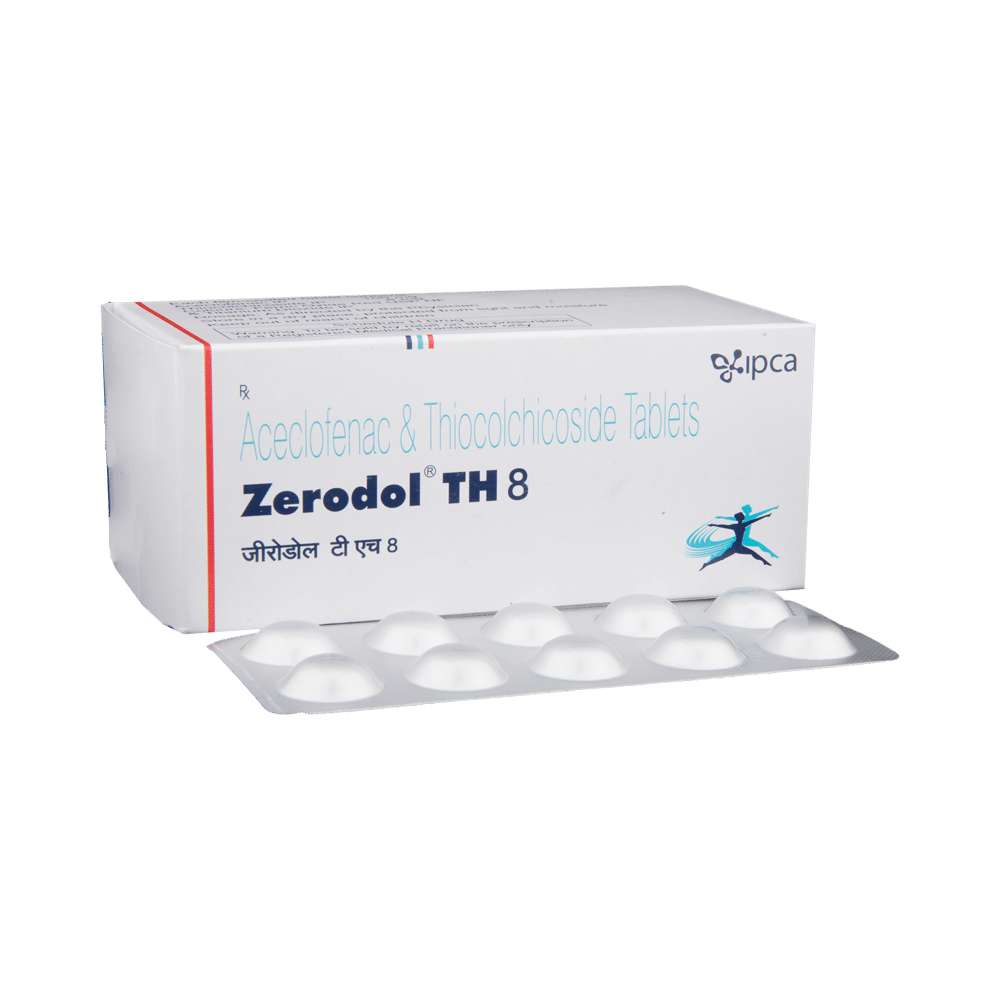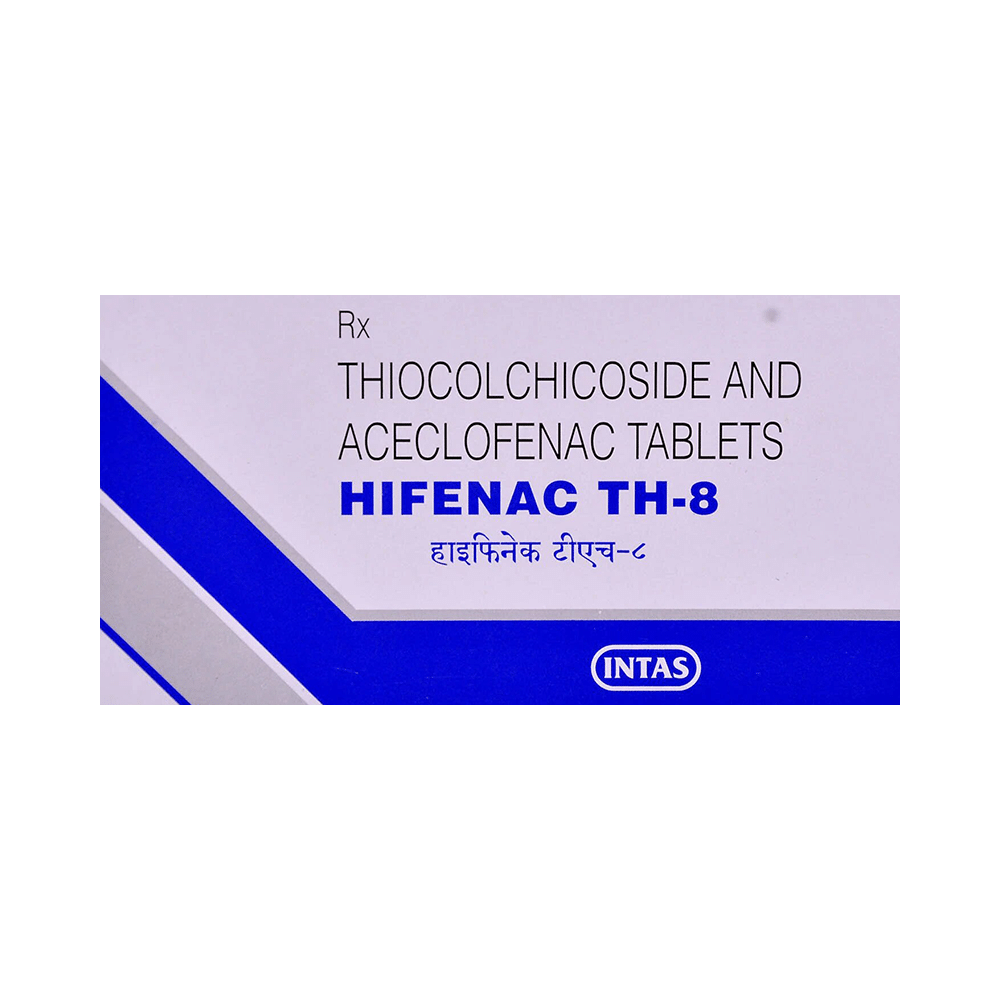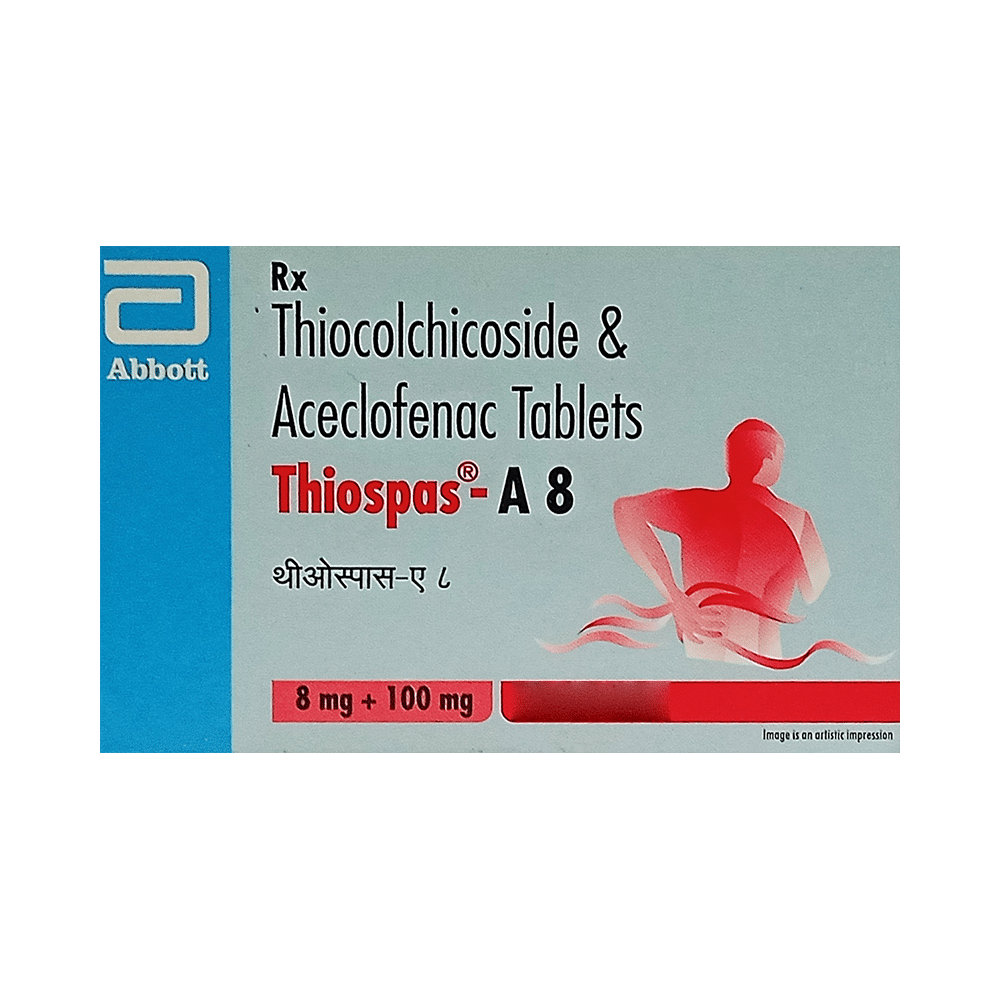
Thysid A 100mg/8mg Tablet
strip of 10.0 tablets.Prescription required
About this product:
| Salt Composition: | Aceclofenac (100mg) + Thiocolchicoside (8mg) |
| Manufacturer: | Medcure Pharma |
| Storage: | Below 25 degree celcius |
Out of Stock
Have doubts about this medicine?
Have doubts about this medicine?
Thysid A 100mg/8mg Tablet is a combination medicine used to treat pain due to muscle spasms, improving muscle movement and providing relief from pain and discomfort. Thysid A 100mg/8mg Tablet should be taken with food to prevent an upset stomach. It should be taken regularly as advised by your doctor. Do not take more or use it for a longer duration than recommended. Some common side effects include nausea, vomiting, heartburn, stomach pain, loss of appetite, and diarrhea. If any of these side effects bother you or do not go away with time, let your doctor know. The medicine may not be suitable for everybody. Before taking it, let your doctor know if you have any problems with your heart, kidneys, and liver. To make sure it is safe for you, let your doctor also know all the other medicines you are taking. Pregnant and breastfeeding mothers should first consult their doctors before using the medicine.
Thysid A 100mg/8mg Tablet is a combination of two medicines: Aceclofenac and Thiocolchicoside, which relieves pain and relaxes the muscles.
What is Thysid A 100mg/8mg Tablet?
Thysid A 100mg/8mg Tablet contains two active ingredients: Aceclofenac and Thiocolchicoside. This medication helps to relieve muscle pain by relaxing muscles through action on the central nervous system and reducing chemical substances in the body that contribute to pain and inflammation.
Is Thysid A 100mg/8mg Tablet safe to use?
Thysid A 100mg/8mg Tablet is generally considered safe for most patients. However, some individuals may experience common side effects such as nausea, vomiting, stomach pain, heartburn, diarrhea, and other rare side effects. If you experience persistent problems, consult your doctor.
When should I stop taking Thysid A 100mg/8mg Tablet?
Thysid A 100mg/8mg Tablet is typically used for short-term pain relief. You can discontinue it when your pain subsides, however, if prescribed by your doctor to continue use, do so as advised.
Can Thysid A 100mg/8mg Tablet cause dizziness?
Yes, some patients may experience dizziness (feeling lightheaded, weak, unsteady) when taking Thysid A 100mg/8mg Tablet. Resting in a comfortable position until symptoms subside is recommended.
Are there any contraindications for using Thysid A 100mg/8mg Tablet?
Thysid A 100mg/8mg Tablet should be avoided in patients with known allergies to painkillers or any of its components. It's also important to avoid this medication if you have a history of stomach ulcers or bleeding, as well as those with underlying liver or kidney disease.
Can Thysid A 100mg/8mg Tablet be taken with Vitamin B-complex?
Yes, Thysid A 100mg/8mg Tablet can be combined with Vitamin B-complex preparations. While this medication aims to relieve pain, Vitamin B-complex may also help to correct vitamin deficiencies that could be contributing to your symptoms.
Can Thysid A 100mg/8mg Tablet damage the kidneys?
Long-term use of Thysid A 100mg/8mg Tablet can potentially lead to kidney damage. This is because the medication lowers prostaglandins, chemicals that protect the kidneys from harm. If you have underlying kidney disease or a history of kidney problems, it's essential to discuss potential risks with your doctor.
Will taking higher doses of Thysid A 100mg/8mg Tablet be more effective?
No. Higher dosages will not increase the medication's effectiveness but may lead to increased side effects. If your symptoms are severe, consult your doctor for a reevaluation.
Take this medicine in the dose and duration as advised by your doctor. Swallow it as a whole. Do not chew, crush or break it. Thysid A 100mg/8mg Tablet is to be taken with food.
- Take it with food to avoid an upset stomach
- It is usually used along with rest and physical therapy
- May cause dizziness. Do not drive or do anything requiring concentration until you know how it affects you
- Avoid consuming alcohol when taking Thysid A 100mg/8mg Tablet as it may cause excessive drowsiness
- No common side effects listed

Alcohol
It is unsafe to consume alcohol with Thysid A 100mg/8mg Tablet.

Breastfeed
Information regarding the use of Thysid A 100mg/8mg Tablet during breastfeeding is not available. Please consult your doctor.

Pregnancy
Thysid A 100mg/8mg Tablet may be unsafe to use during pregnancy. Although there are limited studies in humans, animal studies have shown harmful effects on the developing baby. Your doctor will weigh the benefits and any potential risks before prescribing it to you. Please consult your doctor.