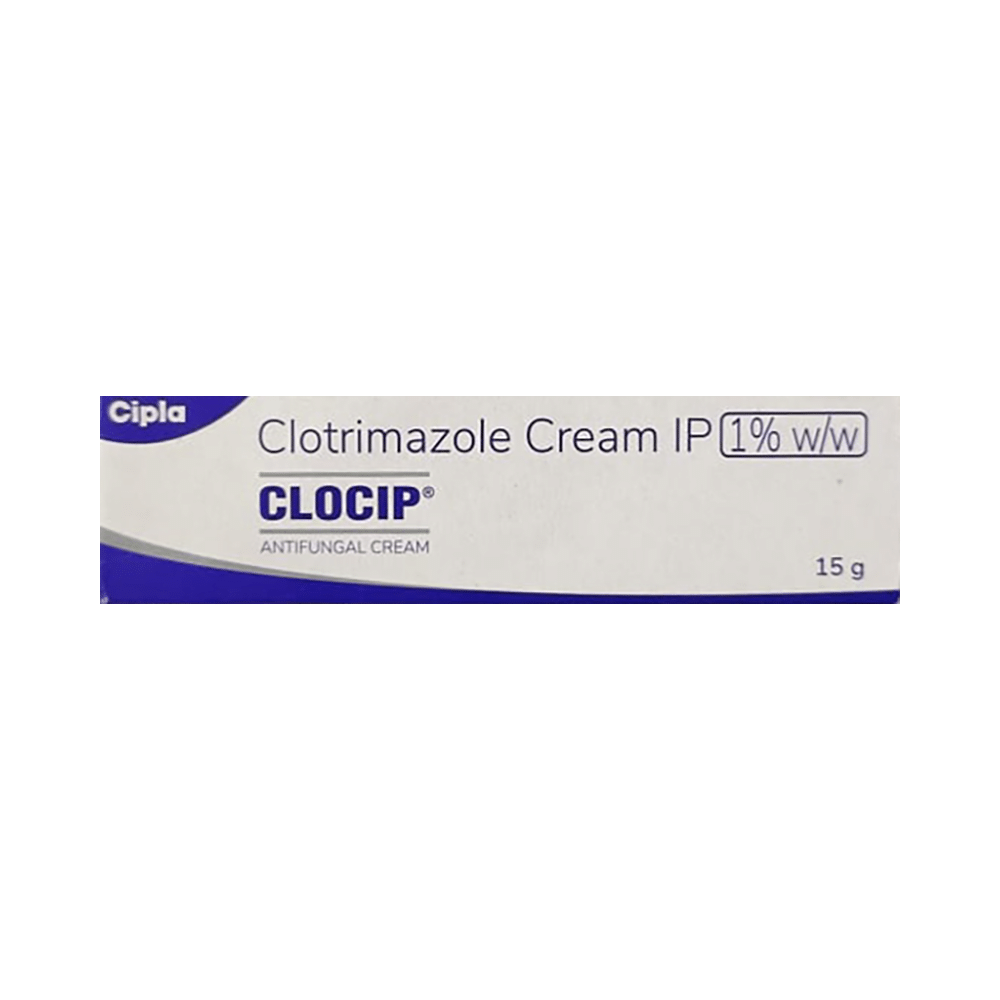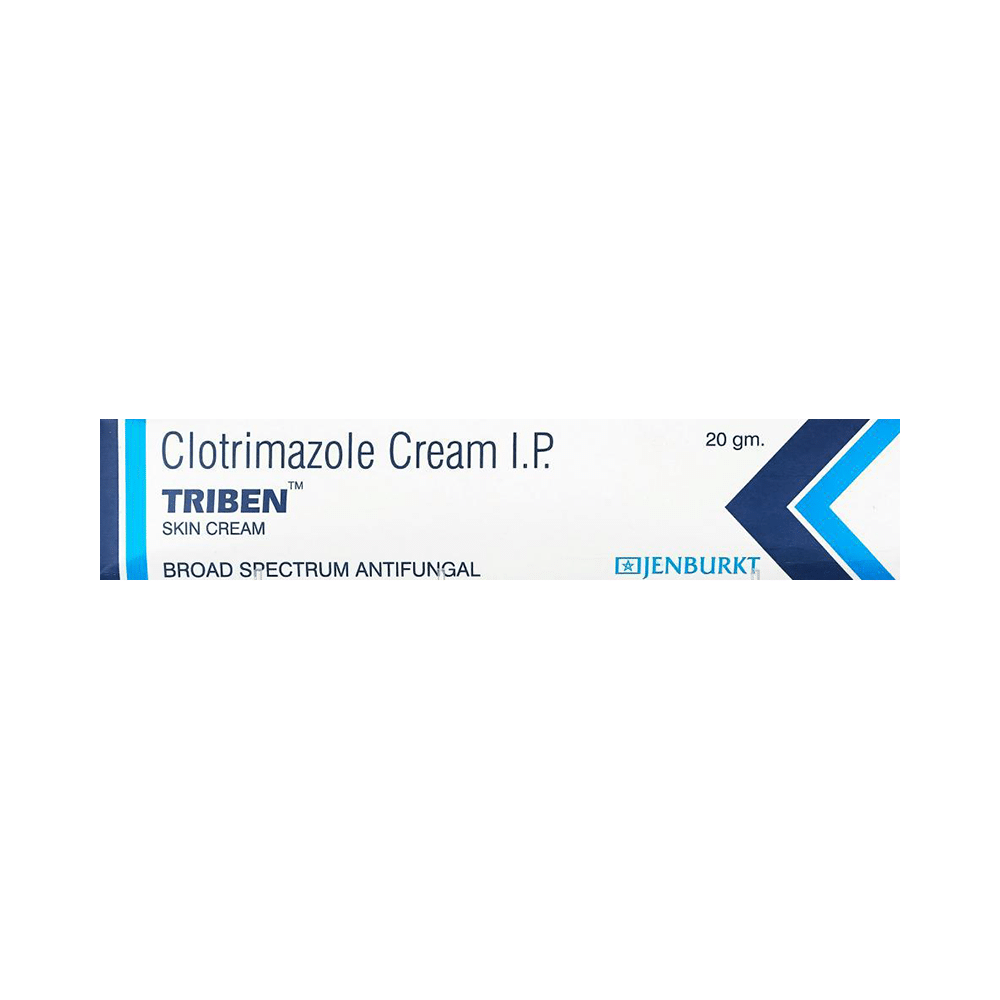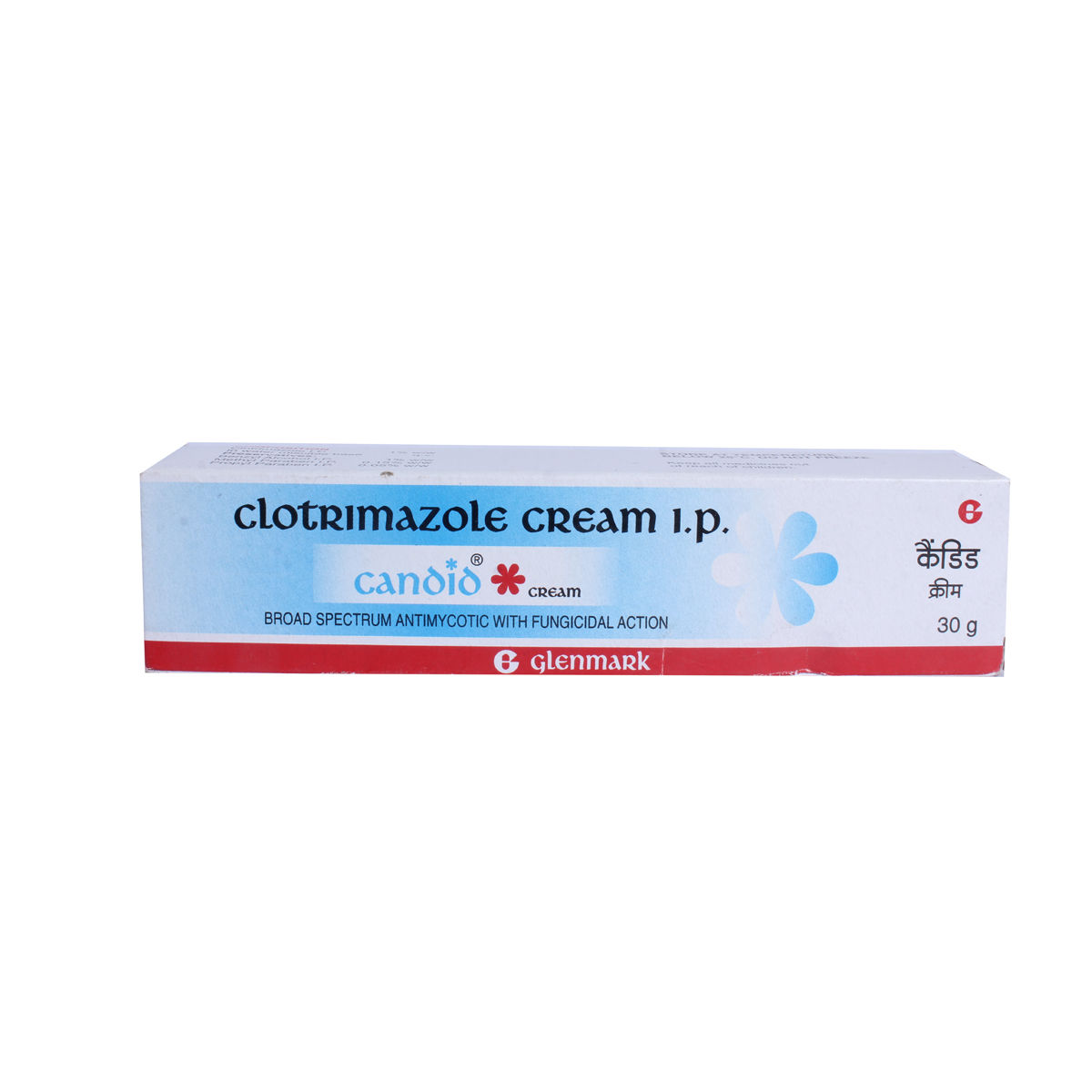
Septozole Cream
tube of 15.0 gm Cream
About this product:
| Salt Composition: | Clotrimazole (1% w/w) |
| Manufacturer: | Fredun Pharmaceuticals Limited |
| Storage: | Below 25 degree celcius |
Out of Stock
Have doubts about this medicine?
Have doubts about this medicine?
Septozole Cream is an antifungal medication used to treat fungal skin infections such as ringworm, athlete's foot, nappy rash, sweat rash, and vaginal thrush. Septozole Cream is for external use only. You should use it in the dose and duration advised by your doctor. This medicine should be used regularly to get the most benefit from it. Do not use more than you need as that may cause increased side effects. If your condition goes on for longer than four weeks or gets worse at any time, let your doctor know. The effects of this medicine can be increased by keeping the affected area clean and dry and washing hands before and after treating the infection.
Septozole Cream is an antifungal medication which treats skin infections. It works by killing the fungi on the skin by destroying their cell membrane.
What is Septozole Cream used for?
Septozole Cream is an antifungal medication. It's used to treat fungal skin infections like ringworm (a rash on various parts of the body), athlete’s foot, fungal nappy rash and sweat rash. It also helps with vulva irritation (external thrush) and genital irritation related to thrush.
What fungi does Septozole Cream treat?
Septozole Cream is effective against Trichophyton species, which cause ringworm infection, athlete's foot, and jock itch. It also works on yeast known as Candida, commonly causing vaginal thrush (Candida albicans overgrowth).
I started using Septozole Cream; when can I expect to see improvement?
You might start noticing improvements in your skin symptoms (itching or soreness) within a few days of starting treatment. However, the signs like redness and scaling may take longer to disappear. Please do not stop applying this medicine before the duration recommended by your doctor, even if you feel better.
What precautions should I take while applying Septozole Cream?
Always wash your hands thoroughly before and after using Septozole Cream. If you are treating an infected foot, wash and dry your feet thoroughly, especially between the toes, before applying the cream. Apply Septozole Cream thinly and evenly to the affected areas, and rub gently twice or three times a day.
How long should I use Septozole Cream, and can I stop it if the symptoms disappear completely?
The duration of treatment depends on the type of infection. Generally, treatment lasts for one month for tinea infections and at least 15 days for Candida infections. Do not stop taking this medication without consulting your doctor because stopping it too early may allow the fungus to come back.
Is Septozole Cream safe for children?
Only use Septozole Cream as prescribed by your doctor. It is crucial to give the correct dosage and duration of treatment. Minor side effects may occur in children, but usually, these are not severe.
How can I help my recovery faster with Septozole Cream?
Keep the affected skin areas clean and dry to prevent irritation. Do not scratch your skin as this could further irritate it and spread infections.
Does Septozole Cream affect contraception?
Septozole Cream can reduce the effectiveness of certain rubber contraceptives like diaphragms and condoms. If you're using it on your vulva or penis, switch to alternative contraceptive methods for at least five days after using Septozole Cream.
This medicine is for external use only. Use it in the dose and duration as advised by your doctor. Check the label for directions before use. Clean and dry the affected area and apply the cream. Wash your hands after applying unless hands are the affected area.
- Do not skip any doses and finish the full course of treatment even if you feel better.
- Keep your feet clean and dry, particularly between the toes.
- Cut your nails short and prefer open-toe shoes for everyday use.
- Keep your vagina clean and dry.
- Use a separate clean towel for the infected area.
- Take a shower with antifungal soap after gyming or severe sweating.
- Never share your socks, shoes, and towel with others.
- Apply a sufficient amount to cover the affected area and 1 inch of the immediate surrounding skin.
- Avoid getting it in the eyes, nose, or mouth. If accidental exposure occurs, rinse immediately with plenty of water.
- Inform your doctor if the infection does not clear up even after four weeks of treatment.
- Inform your doctor if you are pregnant, planning pregnancy or breastfeeding.
- If used topically on the nipple area, wash breasts before feeding your child.
- Do not apply Septozole Cream on cuts or burns. Keep away from children.
- skin irritation
- redness
- or itching at the site of application

Alcohol
No interaction found/established

Breastfeed
Septozole Cream is safe to use during breastfeeding. Human studies suggest that the drug does not pass into the breastmilk in a significant amount and is not harmful to the baby.

Pregnancy
Septozole Cream is generally considered safe to use during pregnancy. Animal studies have shown low or no adverse effects to the developing baby; however, there are limited human studies.