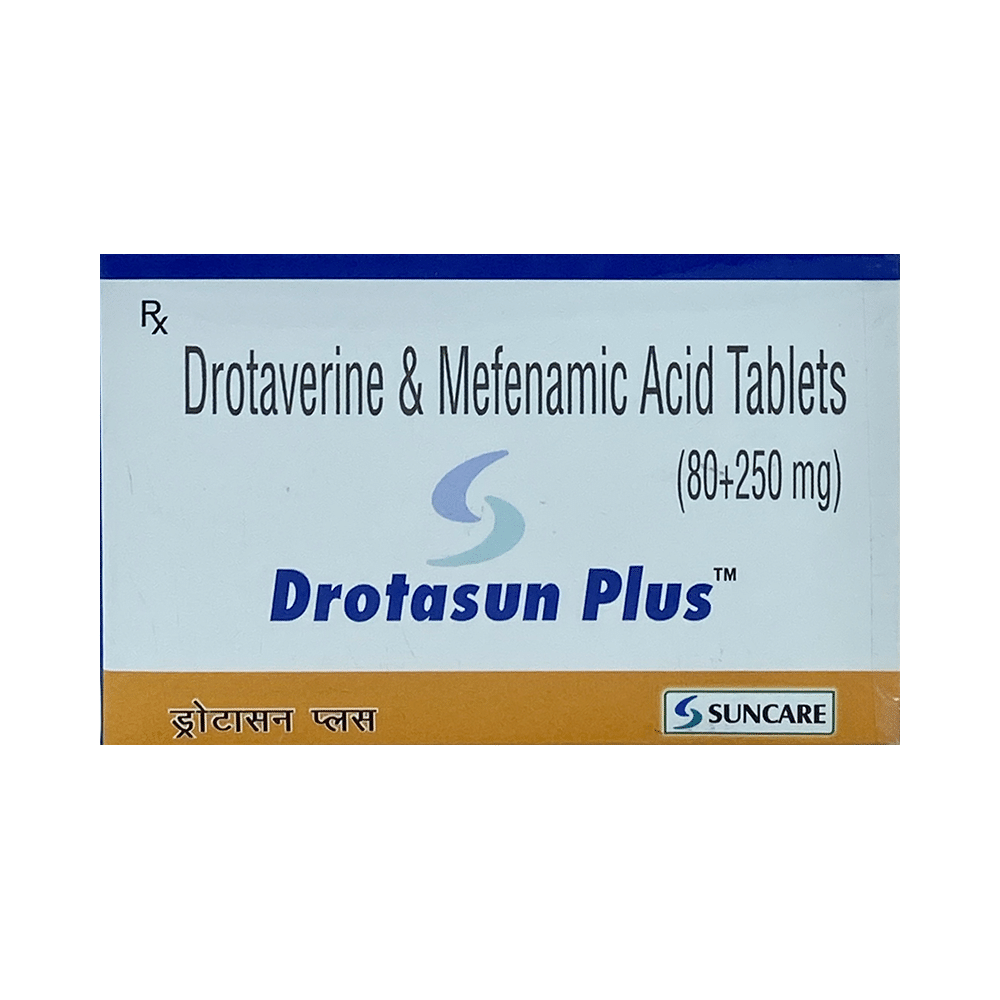
Sefrine 80mg/250mg Tablet
strip of 10.0 tablets.Prescription required
About this product:
| Salt Composition: | Drotaverine (80mg) + Mefenamic Acid (250mg) |
| Manufacturer: | Events Pharma |
| Storage: | Below 25 degree celcius |
Out of Stock
Have doubts about this medicine?
Have doubts about this medicine?
Sefrine 80mg/250mg Tablet is a combination medicine used to treat abdominal pain, bloating, discomfort, and cramps by relaxing stomach and gut muscles. Sefrine 80mg/250mg Tablet is taken with food in a dose and duration as advised by the doctor. The dose you are given will depend on your condition and how you respond to the medicine. You should keep taking this medicine for as long as your doctor recommends. If you stop treatment too early your symptoms may come back and your condition may worsen. Let your healthcare team know about all other medications you are taking as some may affect or be affected by this medicine.
Sefrine 80mg/250mg Tablet is a combination of two medicines: Drotaverine and Mefenamic Acid, which relieves abdominal pain and cramps. Drotaverine is an anti-spasmodic medicine which relieves contractions (spasms) associated with smooth muscles in the abdomen. Mefenamic Acid is a non-steroidal anti-inflammatory drug (NSAID) which works by blocking the release of certain chemical messengers that cause abdominal pain and inflammation (swelling).
What is Sefrine 80mg/250mg Tablet?
Sefrine 80mg/250mg Tablet contains two active ingredients: Drotaverine and Mefenamic acid. This medication is used to relieve abdominal pain. Drotaverine relaxes muscles in the abdomen, while Mefenamic Acid blocks the release of chemicals that cause pain and inflammation (swelling).
Is Sefrine 80mg/250mg Tablet safe to use?
Sefrine 80mg/250mg Tablet is generally safe for most people experiencing abdominal pain. However, it may cause common side effects like nausea, vomiting, heartburn, diarrhoea, loss of appetite, dryness in the mouth, weakness, sleepiness, and other rare or uncommon side effects. If you experience any persistent side effects while taking this medication, contact your doctor immediately.
Can I stop taking Sefrine 80mg/250mg Tablet once my pain is relieved?
Sefrine 80mg/250mg Tablet is usually prescribed for a short time and can be discontinued after your pain is alleviated. However, if you have been advised by your doctor to continue taking this medication, please follow their instructions.
Can Sefrine 80mg/250mg Tablet cause nausea and vomiting?
Yes, Sefrine 80mg/250mg Tablet can cause nausea and vomiting. You may be able to prevent this by taking it with a meal or milk, as well as using antacids if needed. If you experience vomiting, drink water in small sips, avoiding fatty foods. Talk to your doctor if vomiting persists or if you notice dehydration symptoms like dark-colored urine and lack of urination.
Can Sefrine 80mg/250mg Tablet cause dry mouth?
Yes, Sefrine 80mg/250mg Tablet can cause dry mouth. Drinking plenty of water throughout the day and keeping a glass of water by your bed at night is important. Using lip balm may also help. Avoid spicy, salty, or acidic foods (such as lemons).
Can I take more than the recommended dose of Sefrine 80mg/250mg Tablet?
No, do not exceed the recommended dose of Sefrine 80mg/250mg Tablet. Increasing the dosage can lead to heightened side effects.
What are the recommended storage conditions for Sefrine 80mg/250mg Tablet?
Keep this medicine in its original container or package, securely closed. Store according to the instructions given on the medication label. Discard any unused medication. Do not give this medication to pets, children, or other individuals.
Take this medicine in the dose and duration as advised by your doctor. Swallow it as a whole. Do not chew, crush, or break it. Sefrine 80mg/250mg Tablet is to be taken with food.
- Take it with food to prevent an upset stomach.
- Don't drive or do anything that requires mental focus until you know how it affects you.
- Avoid consuming alcohol while taking Sefrine 80mg/250mg Tablet.
- If you get diarrhea while taking this medicine, stop taking it and consult your doctor.
- Your doctor may regularly monitor your kidney and liver function if you are taking this medicine for long-term treatment.
- Diarrhea
- Nausea
- Vomiting
- Stomach pain
- Dryness in mouth
- Loss of appetite
- Feeling thirsty
- Heartburn

Alcohol
It is unsafe to consume alcohol with Sefrine 80mg/250mg Tablet.

Breastfeed
Information regarding the use of Sefrine 80mg/250mg Tablet during breastfeeding is not available. Please consult your doctor.

Pregnancy
Sefrine 80mg/250mg Tablet may be unsafe to use during pregnancy. Although there are limited studies in humans, animal studies have shown harmful effects on the developing baby. Your doctor will weigh the benefits and any potential risks before prescribing it to you. Please consult your doctor.