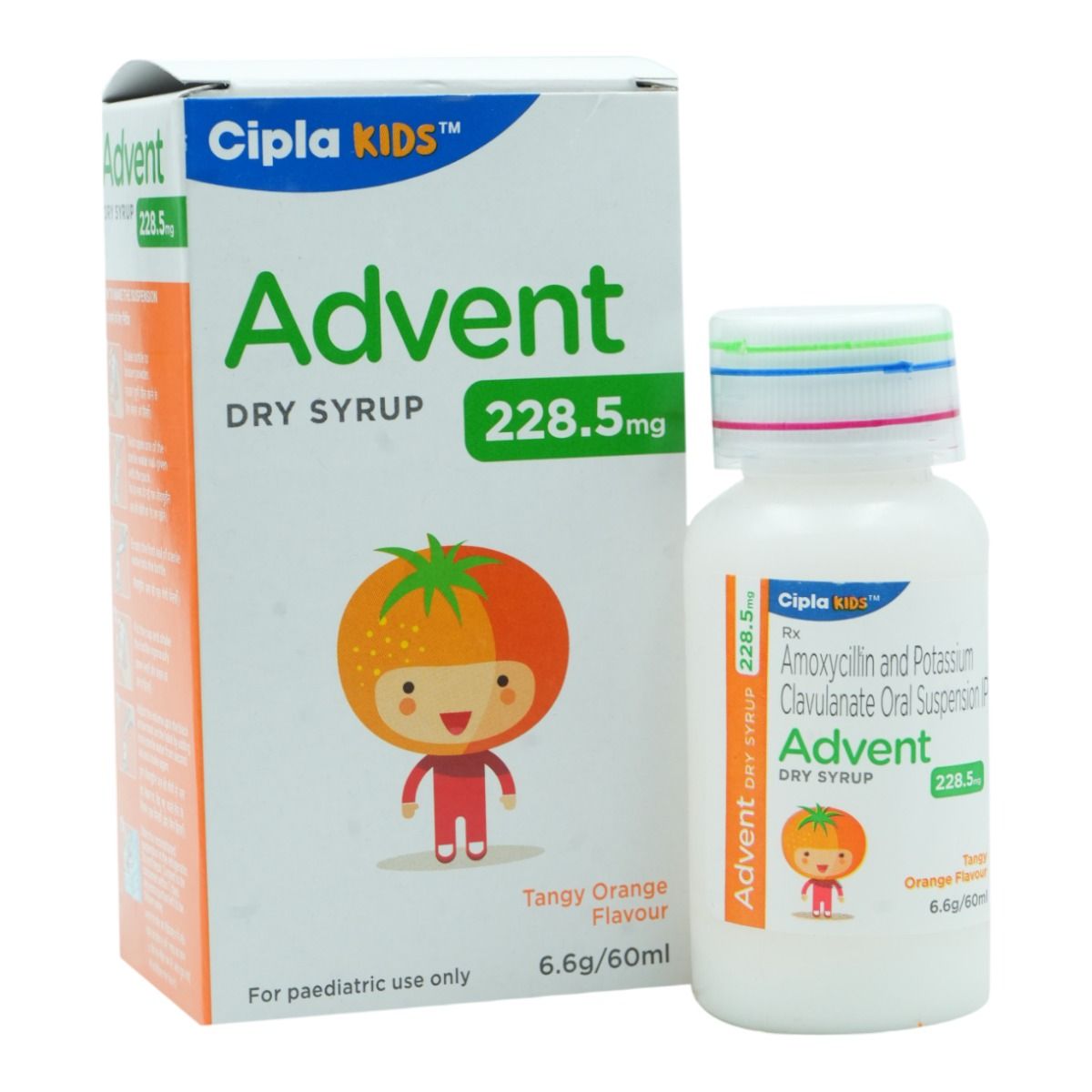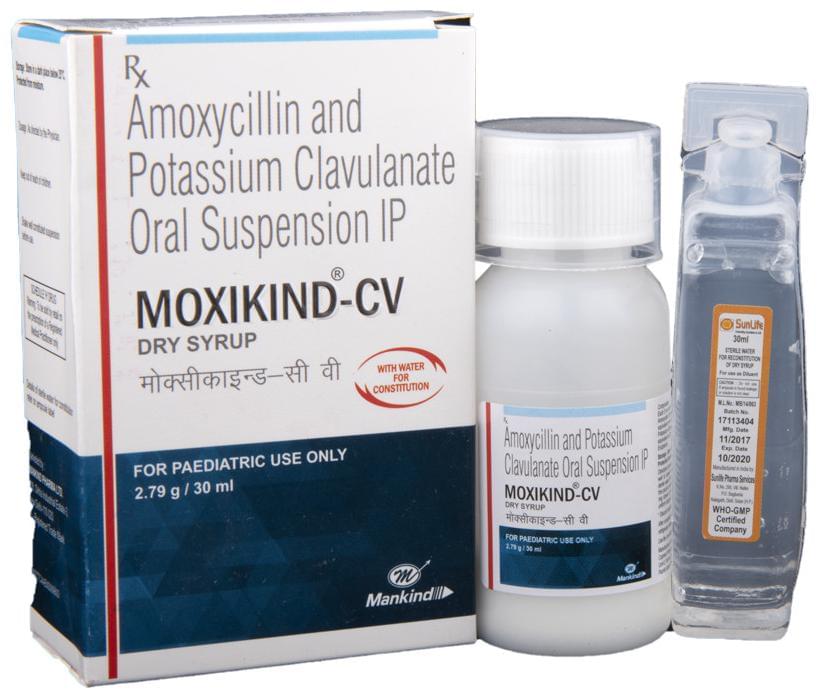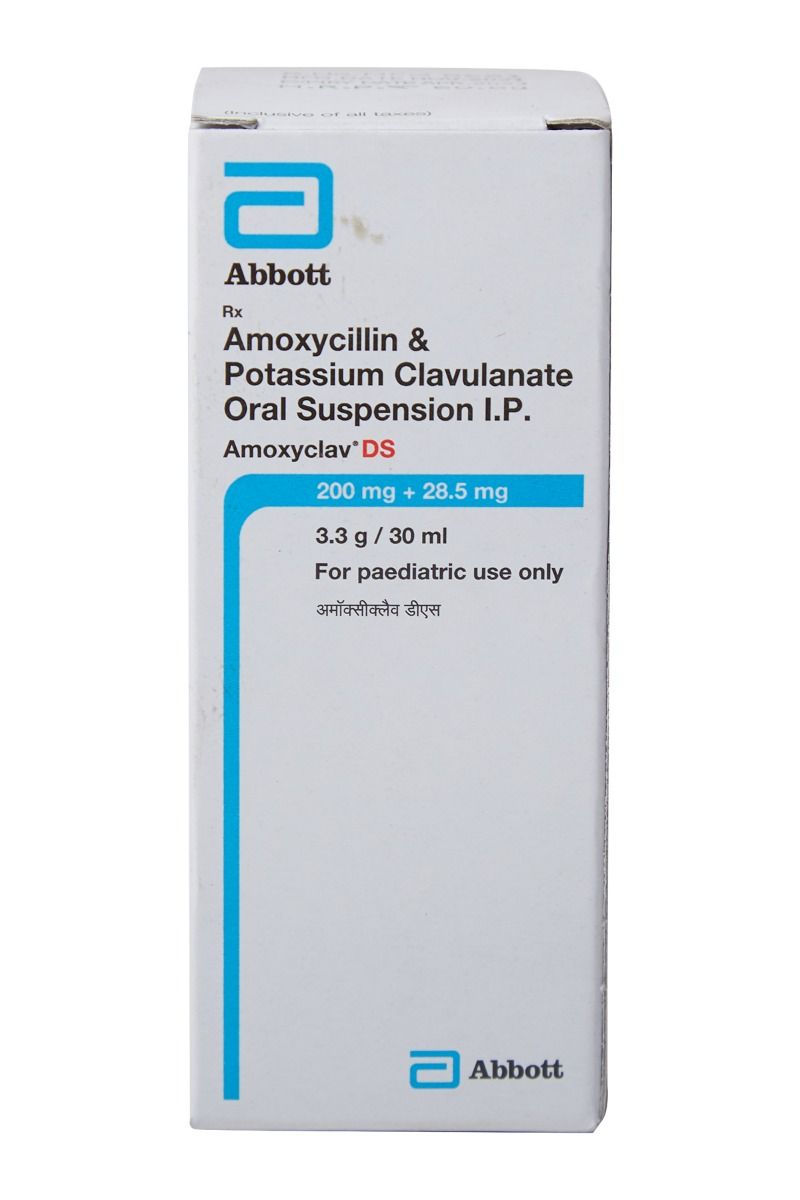
Sefmox Dry Syrup
bottle of 30.0 ml Dry Syrup.Prescription required
About this product:
| Salt Composition: | Amoxycillin (200mg) + Clavulanic Acid (28.5mg) |
| Manufacturer: | Suncruz Pharmaceuticals |
| Storage: | Below 25 degree celcius |
Out of Stock
Have doubts about this medicine?
Have doubts about this medicine?
Sefmox Dry Syrup is an antibiotic medicine that helps treat bacterial infections of the ear, nose, throat, chest, lungs, teeth, skin, and urinary tract. Sefmox Dry Syrup is an antibiotic medicine that helps treat bacterial infections of the ear, nose, throat, chest, lungs, teeth, skin, and urinary tract. It is capable of killing bacteria that have become resistant to other therapies and thus also helps treat tuberculosis that is resistant to other treatments.
Sefmox Dry Syrup is an antibiotic. It has two active agents amoxycillin and clavulanic acid. Amoxycillin works by preventing the formation of the bacterial protective covering (cell wall) essential for the survival of the bacteria. Whereas clavulanic acid serves a special purpose of inhibiting an enzyme (beta-lactamase) that is produced by resistant bacteria. This makes the combination of amoxycillin and clavulanic acid an effective line of treatment for many types of infections.
Can other medicines be given at the same time as Sefmox Dry Syrup?
It is important to consult with a healthcare professional regarding potential interactions between Sefmox Dry Syrup and other medications or substances your child may be taking. They can provide personalized advice based on your child's individual needs.
Can I get my child vaccinated while on treatment with Sefmox Dry Syrup?
Generally, antibiotics do not interfere with vaccines or cause a negative reaction in children who have recently received them. However, it is essential to wait until your child's condition has improved after the infection before administering any vaccine. After recovery, consult with your doctor for further vaccination guidance.
Which lab tests may my child undergo while taking Sefmox Dry Syrup on a long-term basis?
Regular monitoring of kidney and liver function is recommended during long-term use of Sefmox Dry Syrup. This helps assess your child's overall health and address any potential concerns.
Can I give a higher than the recommended dose of Sefmox Dry Syrup to my child?
It is important to strictly adhere to the recommended dosage for Sefmox Dry Syrup. Using higher doses can increase the risk of side effects and other complications. Consult with your child's healthcare professional for any concerns regarding dosage adjustments.
Can I stop giving Sefmox Dry Syrup to my child when the symptoms are relieved?
It is crucial not to abruptly discontinue Sefmox Dry Syrup unless it is as per your doctor's guidance for complete treatment. Symptoms may improve before the infection is completely cleared, so continued medication is essential.
Can the use of Sefmox Dry Syrup cause diarrhea?
Yes, Sefmox Dry Syrup can occasionally cause diarrhea. It works by eliminating harmful bacteria and also affects the beneficial bacteria in your child's stomach, potentially leading to diarrhea. Encourage your child to drink sufficient fluids to manage this side effect.
Do all viral common colds result in secondary bacterial infection?
Bacterial infections do not always follow viral colds. It is not necessary to administer antibiotics unless specifically advised by a doctor for your child's situation.
The mucus coming out of my child’s nose is yellow-green. Is it a sign of a bacterial infection?
Yellow or green mucus from the nose during a common cold is generally normal, as the mucus thickens and changes color during this time. It often resolves within 7 to 10 days.
Is there any sign which shows that my child needs immediate medical attention?
Seek immediate medical help if your child experiences severe allergic reactions (difficulty breathing, skin rashes), gastrointestinal issues (diarrhea), or signs of liver damage (weakness, paleness, vomiting). It is essential to contact a healthcare professional immediately in these cases.
Your child must complete the entire course of antibiotics. Stopping too soon may cause the bacteria to multiply again or cause another infection.
- Your child must complete the entire course of antibiotics. Stopping too soon may cause the bacteria to multiply again or cause another infection.
- Your child may have a bitter taste in the mouth after the intake of Sefmox Dry Syrup. Eating citrus fruit or sipping plenty of water or fruit juice may help.
- Encourage your child to drink plenty of water in case diarrhea develops as a side effect.
- Never give Sefmox Dry Syrup until and unless prescribed by the doctor.
- Do not give Sefmox Dry Syrup to treat common cold and flu-like symptoms caused by viruses.
- Never save medicine for future illnesses.
- Check ‘expiry’ before giving Sefmox Dry Syrup to your child. Immediately discard all the expired medicines.
- Stop Sefmox Dry Syrup immediately if your child develops an itchy rash, facial swelling, or breathing difficulty. Report to the doctor without any delay.
- No common side effects listed