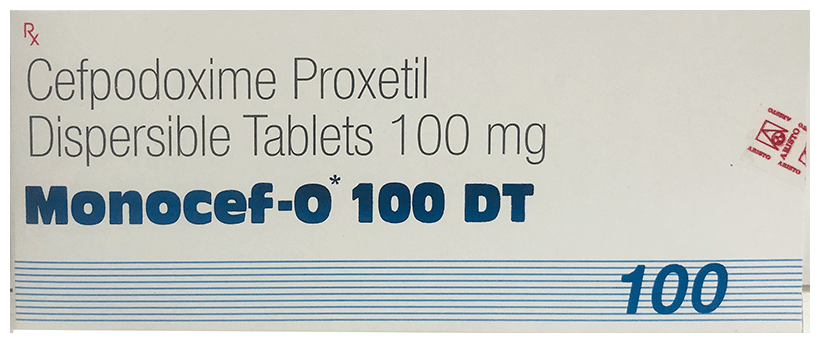
Scudex 100mg Tablet DT
strip of 10.0 tablet.Prescription required
About this product:
| Salt Composition: | Cefpodoxime Proxetil (100mg) |
| Manufacturer: | Scutage Pharmaceuticals |
| Storage: | Below 25 degree celcius |
Out of Stock
Have doubts about this medicine?
Have doubts about this medicine?
Scudex 100mg Tablet DT is an antibiotic medicine used to treat bacterial infections in your body. Scudex 100mg Tablet DT is an antibiotic medicine used to treat bacterial infections in your body. It is effective in infections of the lungs (eg. pneumonia), urinary tract, ear, nasal sinus, throat, and skin. It kills bacteria, which helps to improve your symptoms and cure the infection. Your doctor has prescribed Scudex 100mg Tablet DT to cure your infection and improve your symptoms. Do not skip any doses and finish the full course of treatment even if you feel better. Stopping it early may make the infection harder to treat.
Scudex 100mg Tablet DT is an antibiotic. It kills the bacteria by preventing them from forming the bacterial protective covering (cell wall) which is needed for them to survive.
Is Scudex 100mg Tablet DT safe to use?
Scudex 100mg Tablet DT is generally considered safe when used at the recommended dose for the prescribed duration, as advised by your doctor. It's essential to follow your doctor's guidance regarding its use.
Can Scudex 100mg Tablet DT cause diarrhea?
Yes, Scudex 100mg Tablet DT may cause diarrhea as a side effect. This occurs because the antibiotic kills not only harmful bacteria but also some of the helpful bacteria in your stomach or intestine, leading to diarrhea. If diarrhea persists, consult with your doctor about it.
Is Scudex 100mg Tablet DT an antibiotic?
Yes, Scudex 100mg Tablet DT is classified as a cephalosporin antibiotic, which belongs to the group of antibiotics known for their effectiveness against various bacterial infections.
Can Scudex 100mg Tablet DT cause constipation?
Yes, some individuals may experience constipation as a side effect when using Scudex 100mg Tablet DT. If you feel constipated, taking mild laxatives or following a fiber-rich diet that includes fresh fruits, vegetables, and whole wheat grains may provide relief. Avoiding oily and spicy food can also help. However, if your condition worsens, consult with your doctor.
Can I stop taking Scudex 100mg Tablet DT when my symptoms are relieved or when I feel better?
No, it's crucial to complete the full course of treatment as advised by your doctor. Even if you start feeling better before the infection is completely cured, stopping the medication prematurely can lead to the return of the infection.
How long does Scudex 100mg Tablet DT take to work?
Scudex 100mg Tablet DT usually starts working soon after you take it. However, it may take some days for the antibiotic to kill all the harmful bacteria and completely relieve your symptoms.
What if I do not get better after using Scudex 100mg Tablet DT?
Inform your doctor if you do not feel better even after completing the full course of treatment. You must also inform your doctor if the symptoms worsen while using this medicine.
Can Scudex 100mg Tablet DT treat UTI?
Yes, Scudex 100mg Tablet DT may be used to treat urinary tract infections (UTIs). Studies suggest that it is effective in treating symptoms of UTI such as foul-smelling urine, frequent urination, vaginal irritation, and stomach pain. However, not everyone may be prescribed Scudex 100mg Tablet DT, and it's essential to take it only if advised by a doctor.
Take this medicine in the dose and duration as advised by your doctor. Dissolve it in a glass of water before taking it. Scudex 100mg Tablet DT is to be taken with food.
- Your doctor has prescribed Scudex 100mg Tablet DT to cure your infection and improve your symptoms.
- Do not skip any doses and finish the full course of treatment even if you feel better.
- Discontinue Scudex 100mg Tablet DT and inform your doctor immediately if you get a rash, itchy skin, swelling of face and mouth, or have difficulty in breathing.
- Diarrhea may occur as a side effect but should stop when your course is complete. Inform your doctor if it does not stop or if you find blood in your stools.
- No common side effects listed.

Alcohol
Consuming alcohol with Scudex 100mg Tablet DT does not cause any harmful side effects.

Breastfeed
Scudex 100mg Tablet DT is safe to use during breastfeeding. Human studies suggest that the drug does not pass into the breastmilk in a significant amount and is not harmful to the baby. Avoid prolonged use of Scudex 100mg Tablet DT, since it may have possible effects such as rash and diarrhea.

Pregnancy
Scudex 100mg Tablet DT is generally considered safe to use during pregnancy. Animal studies have shown low or no adverse effects to the developing baby; however, there are limited human studies.