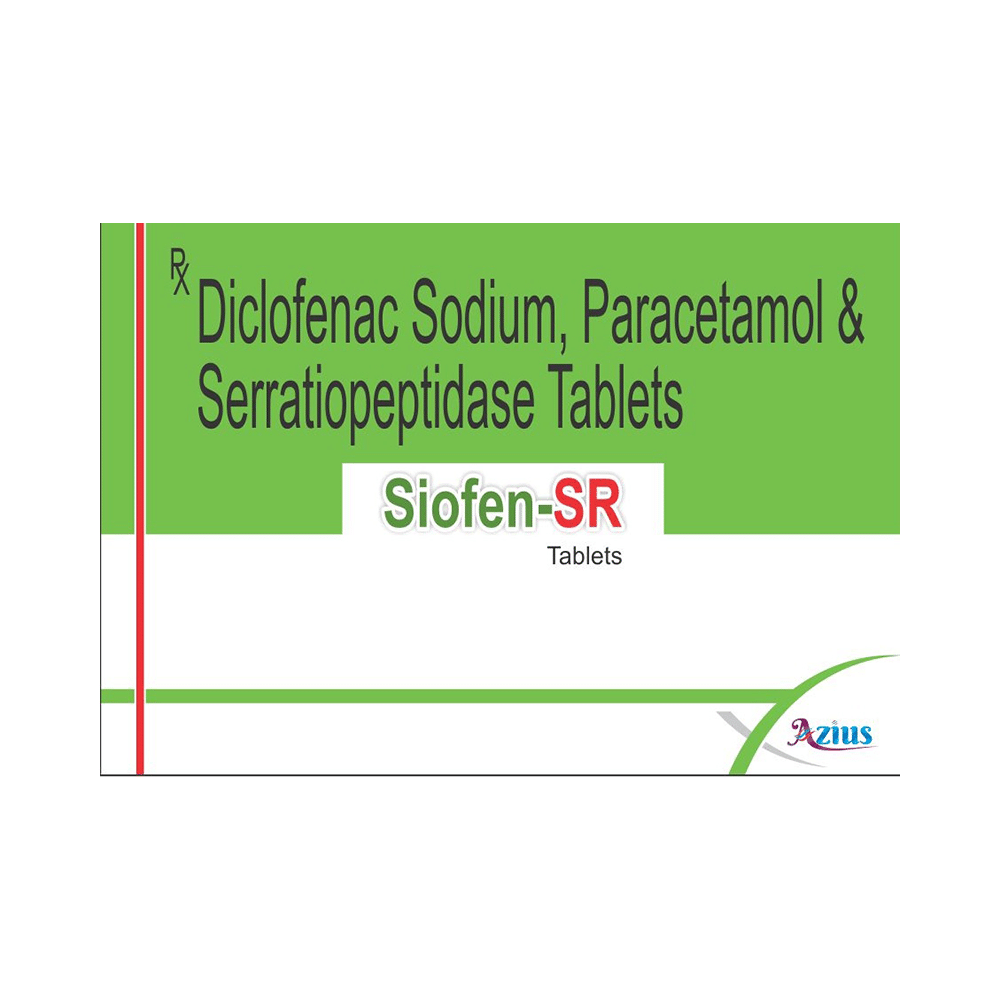
Safiflam Tablet
strip of 10.0 tablets.Prescription required
About this product:
| Salt Composition: | Diclofenac (50mg) + Paracetamol (325mg) + Serratiopeptidase (10mg) |
| Manufacturer: | New Search Life Sciences Pvt Ltd |
| Storage: | Below 25 degree celcius |
Out of Stock
Have doubts about this medicine?
Have doubts about this medicine?
Safiflam Tablet is a pain-relieving medicine used to alleviate moderate pain and reduce fever in conditions such as muscle ache, back pain, joint pain, menstrual cramps, and toothache. Safiflam Tablet should be taken with food to prevent an upset stomach. The dosage and duration depend on the condition being treated and the patient's response to the medication. Common side effects include nausea, vomiting, stomach pain, indigestion, and heartburn. Consult your doctor if these side effects persist or worsen. Inform your doctor of any other medical conditions or medications you are taking. Use with caution in patients with liver or kidney disease, and consult your doctor if you are pregnant or breastfeeding.
Safiflam Tablet is a combination of Diclofenac, Paracetamol, and Serratiopeptidase. Diclofenac is a non-steroidal anti-inflammatory drug (NSAID) and Paracetamol is an antipyretic (fever reducer). They work by blocking the release of certain chemical messengers in the brain that cause pain and fever. Serratiopeptidase is an enzyme that breaks down abnormal proteins at the site of inflammation and promotes healing.
What are the storage conditions for Safiflam Tablet?
Store Safiflam Tablet in its original container or package, tightly closed. Refer to the instructions on the label for specific storage details and ensure it is not accessible to pets, children, or others.
What is Safiflam Tablet?
Safiflam Tablet contains a combination of three medications: Diclofenac, Paracetamol, and Serratiopeptidase. These ingredients work together to alleviate pain and reduce inflammation by suppressing the release of chemical mediators involved in these processes.
Is Safiflam Tablet safe for use?
Safiflam Tablet is generally considered safe for most individuals, but common side effects like nausea, vomiting, stomach pain, heartburn, and diarrhea may occur. In case of persistent or concerning symptoms, consult your doctor immediately.
Can I stop taking Safiflam Tablet when my pain subsides?
Safiflam Tablet is typically used for a short duration and can be stopped once the pain has subsided. However, it is essential to follow your physician's instructions regarding continued use.
Does Safiflam Tablet cause nausea or vomiting?
Yes, taking Safiflam Tablet might lead to feelings of nausea or vomiting in some patients. Consuming the medication with milk, food, or antacids may reduce this side effect. Avoiding fatty and fried foods along with this medication is also recommended. In case of vomiting, it is advisable to drink small sips of water or other fluids periodically. If vomiting persists, consult your doctor. Also, be aware of signs of dehydration such as dark-colored urine and infrequent urination.
Can Safiflam Tablet cause dizziness?
Yes, Safiflam Tablet can lead to dizziness (feeling faint, weak, unsteady, or lightheaded) in some individuals. If experiencing dizziness, it is advisable to rest and resume activities once you feel better. Avoid driving or operating machinery while feeling dizzy.
Are there any specific contraindications for Safiflam Tablet use?
Safiflam Tablet should not be used by individuals with known allergies to any of its components or excipients, and individuals who have experienced adverse reactions to other NSAIDs. It is also important to avoid this medication in patients with a history of stomach ulcers, active or recurrent gastric ulcers/bleeding. Additionally, it is recommended to avoid use in those with a history of heart failure, hypertension, or liver or kidney disease.
Can I take Safiflam Tablet with Vitamin B-complex?
Safiflam Tablet can be taken alongside Vitamin B-complex preparations. While Safiflam Tablet helps reduce pain, Vitamin B-complex might correct any vitamin deficiencies that may have contributed to the pain.
Can I take Safiflam Tablet for stomach pain?
Safiflam Tablet is not intended for treating stomach pain. It should only be used under medical supervision. If taken inappropriately, it might increase stomach acid secretion which could worsen an underlying condition.
Can Safiflam Tablet damage the kidneys?
Safiflam Tablet does not directly cause kidney damage. However, exceeding the recommended dose may lead to increased side effects. If pain persists or is not alleviated by the prescribed doses, consult your doctor for a review of your treatment plan.
Take this medicine in the dose and duration as advised by your doctor. Swallow it as a whole. Do not chew, crush, or break it. Safiflam Tablet is to be taken with food.
- You have been prescribed this combination medicine for relieving pain and inflammation.
- Take it with food to avoid getting an upset stomach.
- It may cause dizziness and sleepiness. Do not drive or do anything that requires mental focus until you know how Safiflam Tablet affects you.
- Avoid consuming alcohol when taking Safiflam Tablet as it may cause excessive drowsiness and increase the risk of liver damage.
- Do not take it with any other medicine containing acetaminophen (drugs for pain/fever or cough-and-cold) without asking your doctor first.

Alcohol
It is unsafe to consume alcohol with Safiflam Tablet.

Breastfeed
Information regarding the use of Safiflam Tablet during breastfeeding is not available. Please consult your doctor.

Pregnancy
Safiflam Tablet is unsafe to use during pregnancy as there is definite evidence of risk to the developing baby. Consult your doctor.