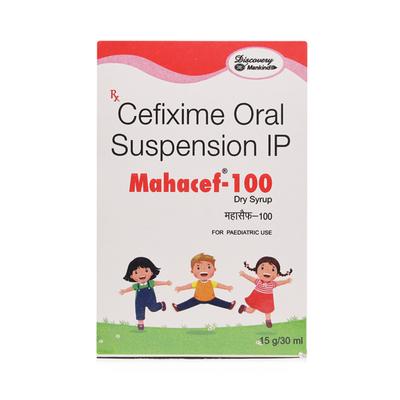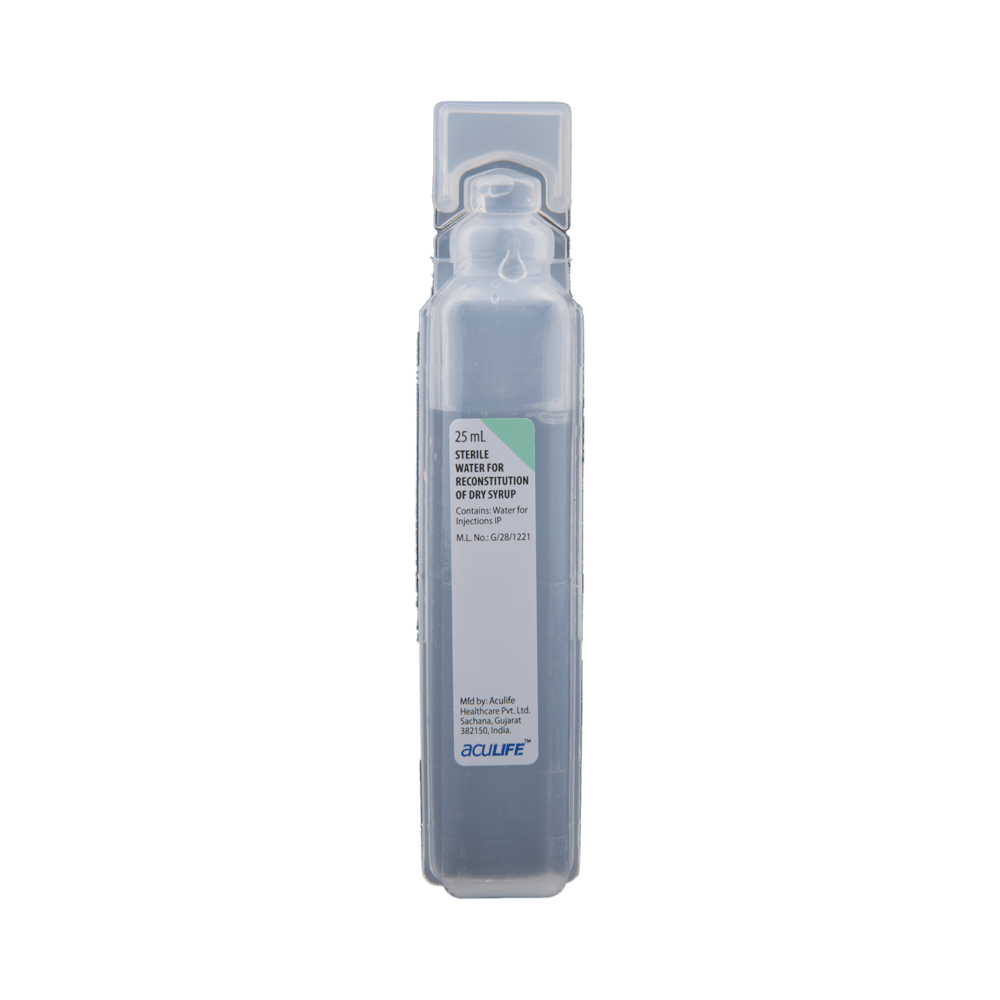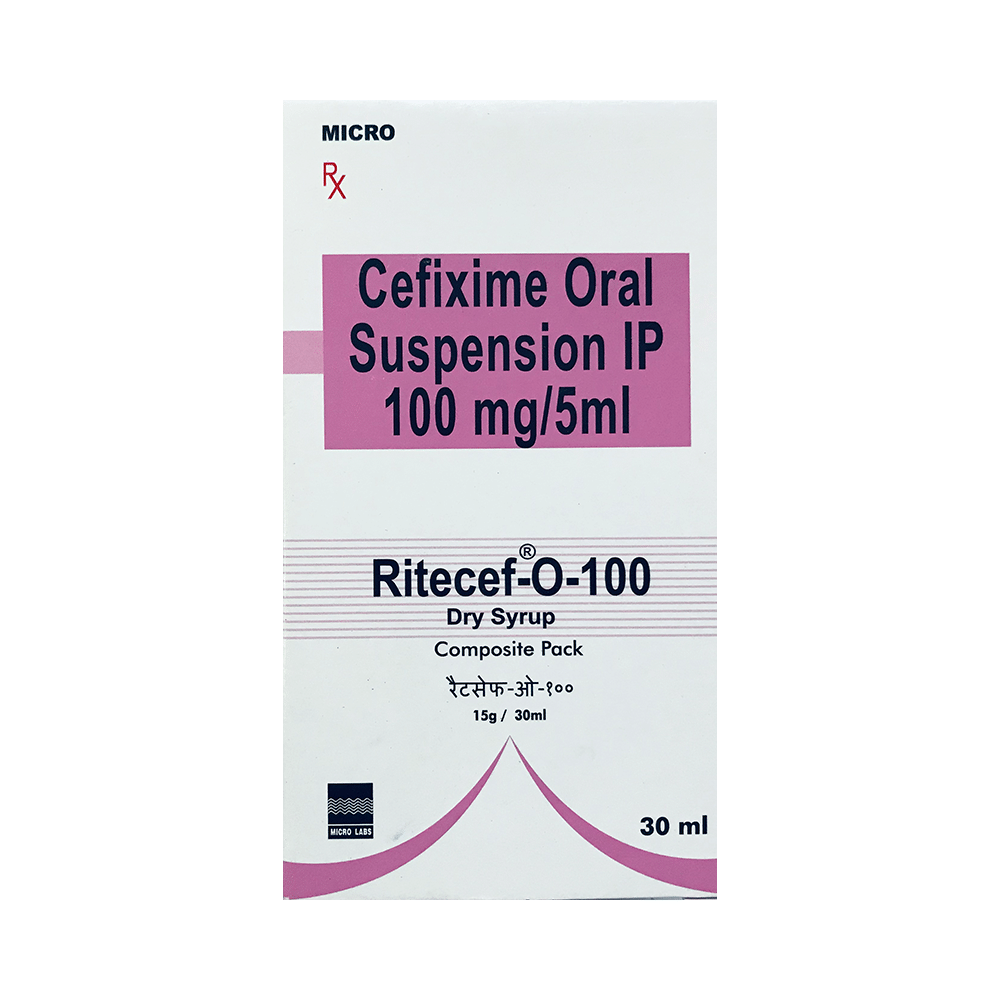
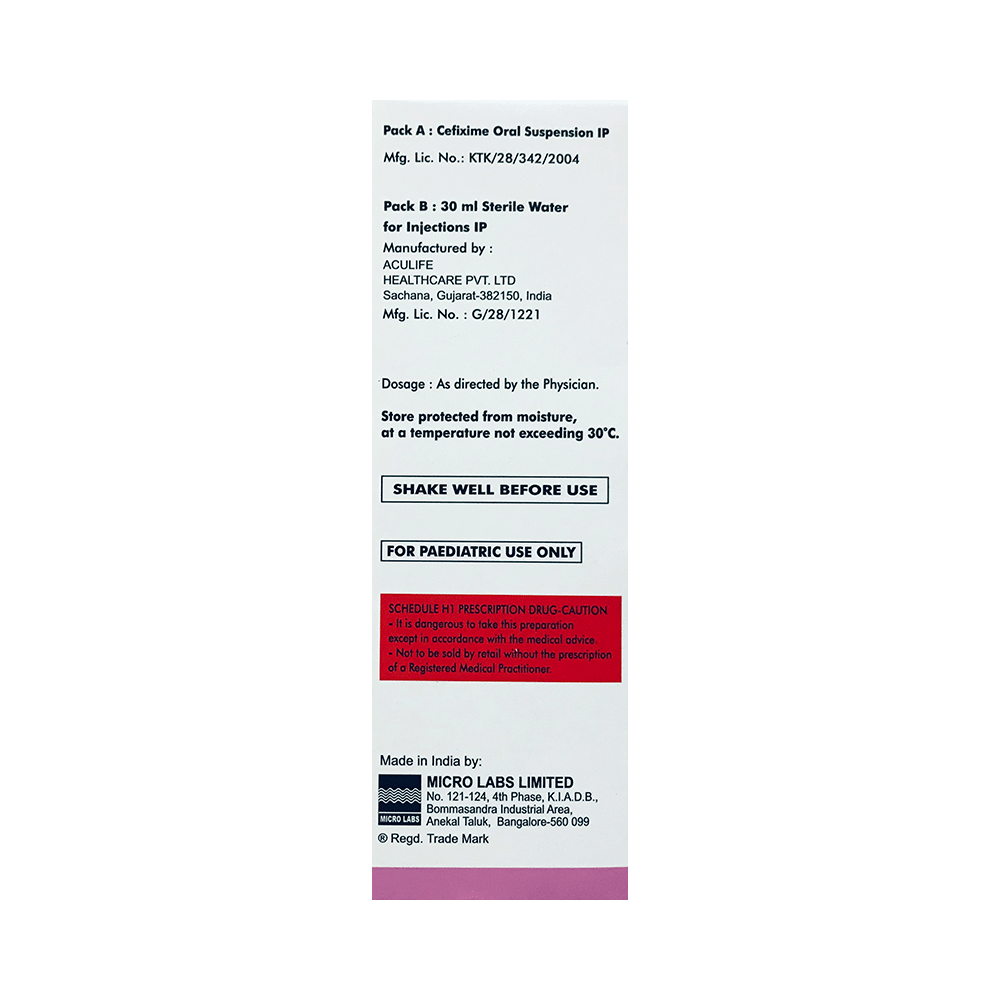
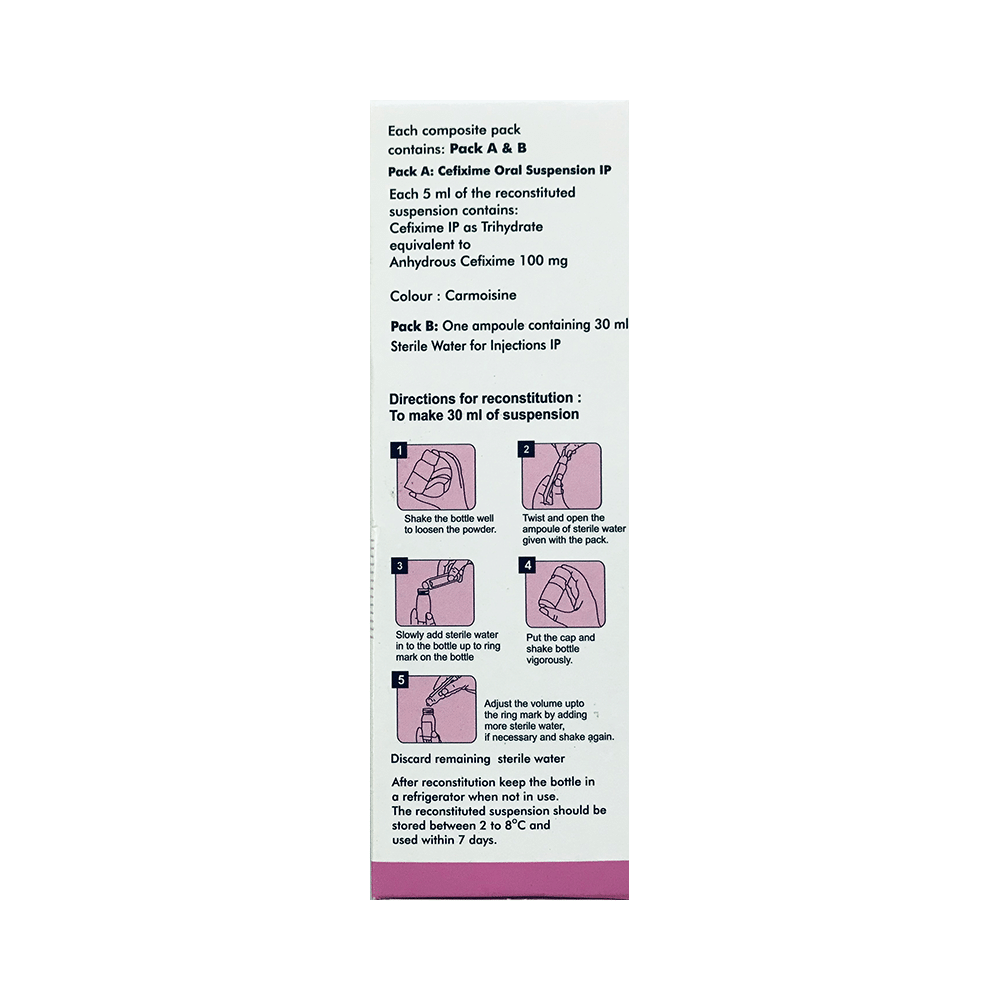
Ritecef-O 100 Dry Syrup
bottle of 30.0 ml Dry Syrup.Prescription required
About this product:
| Salt Composition: | Cefixime (100mg/5ml) |
| Manufacturer: | Micro Labs Ltd |
| Storage: | Below 25 degree celcius |
Out of Stock
Have doubts about this medicine?
Have doubts about this medicine?
Ritecef-O 100 Dry Syrup is an antibiotic used to treat various bacterial infections, including respiratory tract, urinary tract, ear, nasal sinus, throat, and sexually transmitted diseases. Ritecef-O 100 Dry Syrup should be given under the supervision of a doctor or health professional. Use it regularly at evenly spaced intervals as per the schedule prescribed by your doctor. The dose will depend on what you are being treated for, but you should always complete the full course of this antibiotic as prescribed by your doctor. Do not stop taking it until you have finished, even when you feel better. If you stop taking it early, some bacteria may survive and the infection may come back or worsen.
Ritecef-O 100 Dry Syrup is an antibiotic. It kills the bacteria by preventing them from forming the bacterial protective covering (cell wall) which is needed for them to survive.
What is the typical duration for taking Ritecef-O 100 Dry Syrup?
Ritecef-O 100 Dry Syrup is usually prescribed for a period of 7-14 days. It's essential to complete the full course of treatment as advised by your doctor to ensure effective recovery.
What should I do if I don't feel better after using Ritecef-O 100 Dry Syrup?
If you experience no improvement in your condition or if symptoms worsen while taking Ritecef-O 100 Dry Syrup, inform your doctor immediately. They will assess the situation and provide guidance on further treatment.
Can Ritecef-O 100 Dry Syrup cause diarrhea as a side effect?
Yes, Ritecef-O 100 Dry Syrup can lead to diarrhea due to its antibiotic properties. The medicine kills harmful bacteria but may also affect beneficial bacteria in the stomach or intestine, resulting in gastrointestinal disturbances.
Is Ritecef-O 100 Dry Syrup effective for treating infections?
Ritecef-O 100 Dry Syrup is a reliable treatment option when used as directed by your doctor. To maximize its effectiveness and ensure complete recovery, it's crucial not to discontinue use prematurely even if symptoms improve.
What should I do if I forget to take a dose of Ritecef-O 100 Dry Syrup?
If you miss a dose of Ritecef-O 100 Dry Syrup, take it as soon as possible. However, if it's almost time for the next scheduled dose, skip the missed one and continue with your regular dosing schedule. Avoid doubling the dose to compensate for the missed one to minimize potential side effects.
Is Ritecef-O 100 Dry Syrup safe for individuals with kidney issues?
Ritecef-O 100 Dry Syrup is generally safe for patients with normal kidney function, but it's essential to exercise caution when using this medication in combination with other antibiotics like aminoglycosides or cephalosporins. If your doctor has prescribed Ritecef-O 100 Dry Syrup, ensure you follow their instructions and discuss any concerns about your kidney health.
How long should I take Ritecef-O 100 Dry Syrup?
Ritecef-O 100 Dry Syrup is usually prescribed for a period of 7-14 days. It's essential to complete the full course of treatment as advised by your doctor to ensure effective recovery.
Take this medicine in the dose and duration as advised by your doctor. Check the label for directions before use. Dissolve the powder in sterile water. Shake well and use. Ritecef-O 100 Dry Syrup may be taken with or without food, but it is better to take it at a fixed time.
- Do not skip any doses and finish the full course of treatment even if you feel better.
- Take it with food to avoid an upset stomach.
- Diarrhea may occur as a side effect but should stop when your course is complete. Inform your doctor if it does not stop or if you find blood in your stools.
- Discontinue Ritecef-O 100 Dry Syrup and inform your doctor immediately if you get a rash, itchy skin, swelling of face and mouth, or have difficulty in breathing.

Alcohol
Consuming alcohol with Ritecef-O 100 Dry Syrup does not cause any harmful side effects.

Breastfeed
Ritecef-O 100 Dry Syrup is safe to use during breastfeeding. Human studies suggest that the drug does not pass into the breastmilk in a significant amount and is not harmful to the baby. Avoid prolonged use of Ritecef-O 100 Dry Syrup, since it may have possible effects such as rash and diarrhea.

Pregnancy
Ritecef-O 100 Dry Syrup is generally considered safe to use during pregnancy. Animal studies have shown low or no adverse effects to the developing baby; however, there are limited human studies.