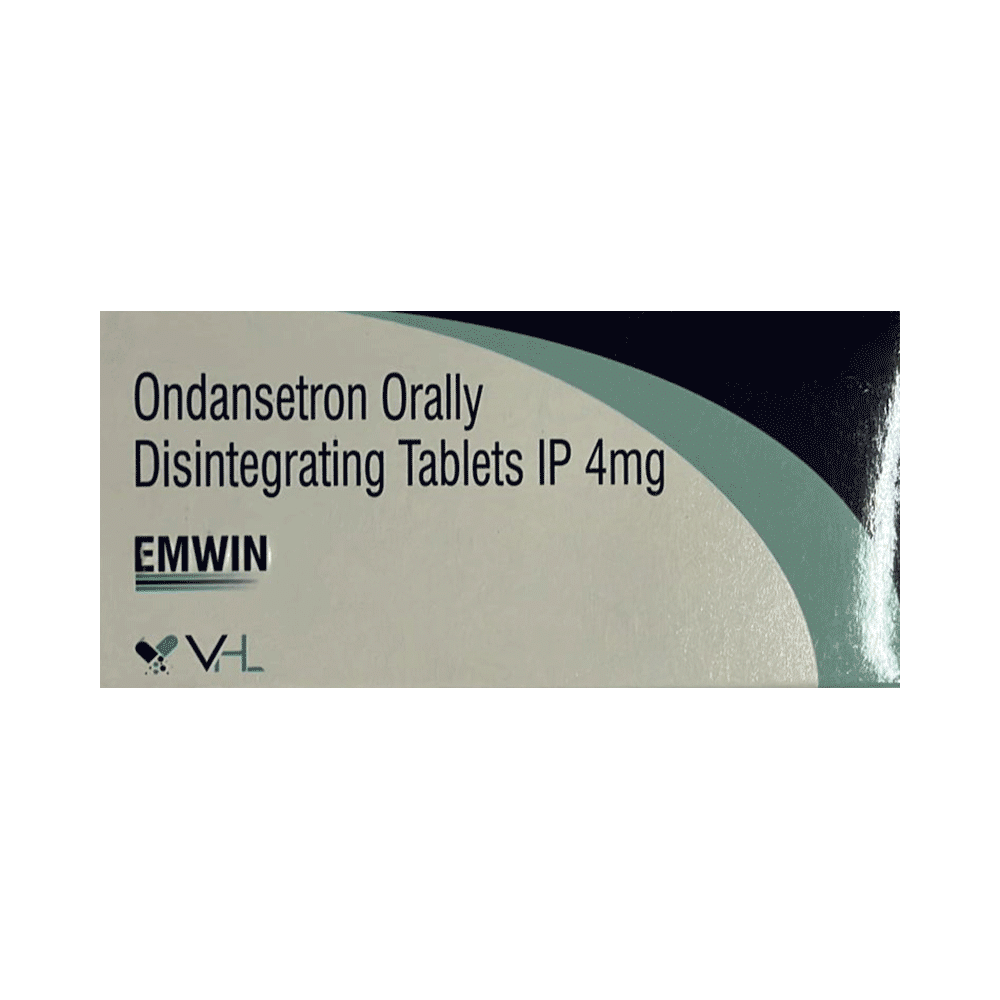
Ondrit 4mg Tablet MD
strip of 10.0 tablet.Prescription required
About this product:
| Salt Composition: | Ondansetron (4mg) |
| Manufacturer: | Aditri Marketing Pvt Ltd. |
| Storage: | Below 25 degree celcius |
Out of Stock
Have doubts about this medicine?
Have doubts about this medicine?
Ondrit 4mg Tablet MD is an antiemetic medicine used to control nausea and vomiting due to medical conditions like stomach upset, surgery, cancer drug therapy, or radiotherapy. Ondrit 4mg Tablet MD may be used alone or with other medications and can be taken with or without food. Your doctor will suggest the appropriate dose depending on what you are taking it for. The first dose is normally taken before the start of surgery, chemotherapy, or radiotherapy. After these treatments, take any further doses as prescribed by your doctor (normally only for a few days at most). Take it regularly at the same time(s) each day to get the most benefit. Be careful not to take too much. This medicine does not relieve other side effects associated with cancer treatments. Also, it has little effect on vomiting caused by motion sickness. The most common side effects of taking this medicine include headache, diarrhea, or constipation and feeling tired. These symptoms should disappear when you stop taking the medicine. However, if these side effects bother you or do not go away, your doctor may be able to suggest ways of preventing or reducing them. Before taking this medicine, tell your doctor if you have heart or liver problems or a blockage in your stomach or intestines. Also, tell your doctor about any other medicines you might be taking, especially medicines to treat epilepsy, heart problems, cancer, and depression. These may affect, or be affected by, this medicine. If you are pregnant or breastfeeding, ask for advice from your doctor.
Ondrit 4mg Tablet MD is an antiemetic medication. It works by blocking the action of a chemical messenger (serotonin) in the brain that may cause nausea and vomiting during anti-cancer treatment (chemotherapy) or after surgery.
How quickly does Ondrit 4mg Tablet MD start working?
Ondrit 4mg Tablet MD begins to take effect within half an hour to two hours. The medication dissolves rapidly into the bloodstream and starts showing its effects.
What are the possible side effects of Ondrit 4mg Tablet MD?
The most common side effects of Ondrit 4mg Tablet MD include constipation, diarrhea, fatigue, and headache. However, these are typically not severe and often resolve on their own over time. It is advisable to consult your doctor if any of these side effects persist or cause concern.
When should I take Ondrit 4mg Tablet MD?
Ondrit 4mg Tablet MD should be taken with a full glass of water, either before or after meals. Always adhere to the prescribed dose and duration as advised by your healthcare professional. Generally, the first dose of Ondrit 4mg Tablet MD is administered before the commencement of your surgery, chemotherapy, or radiation treatment.
Is Ondrit 4mg Tablet MD a steroid?
No, Ondrit 4mg Tablet MD is an antiemetic and not a steroid. It is specifically designed as a selective 5-HT3 receptor antagonist to treat nausea and vomiting associated with procedures like surgery or cancer chemotherapy.
Does Ondrit 4mg Tablet MD work for seasickness?
No, Ondrit 4mg Tablet MD does not treat seasickness. It primarily affects nausea related to surgical procedures or cancer treatment, and has minimal impact on motion sickness.
Take this medicine in the dose and duration as advised by your doctor. Do not handle the tablets with wet hands. Put it in your mouth but do not swallow it. Ondrit 4mg Tablet MD may be taken with or without food, but it is better to take it at a fixed time.
- You have been prescribed Ondrit 4mg Tablet MD for prevention of nausea and vomiting caused after surgery or due to chemotherapy and radiotherapy.
- It is fast-acting and starts working within 30 minutes.
- If you vomit within one hour of taking a dose, take another dose.
- Avoid heavy meals and try eating small nourishing snacks throughout the day. Also, sip water regularly to help avoid dehydration.

Alcohol
Consuming alcohol with Ondrit 4mg Tablet MD does not cause any harmful side effects.

Breastfeed
Ondrit 4mg Tablet MD is probably safe to use during breastfeeding. Limited human data suggests that the drug does not represent any significant risk to the baby.

Pregnancy
Ondrit 4mg Tablet MD is generally considered safe to use during pregnancy. Animal studies have shown low or no adverse effects to the developing baby; however, there are limited human studies.