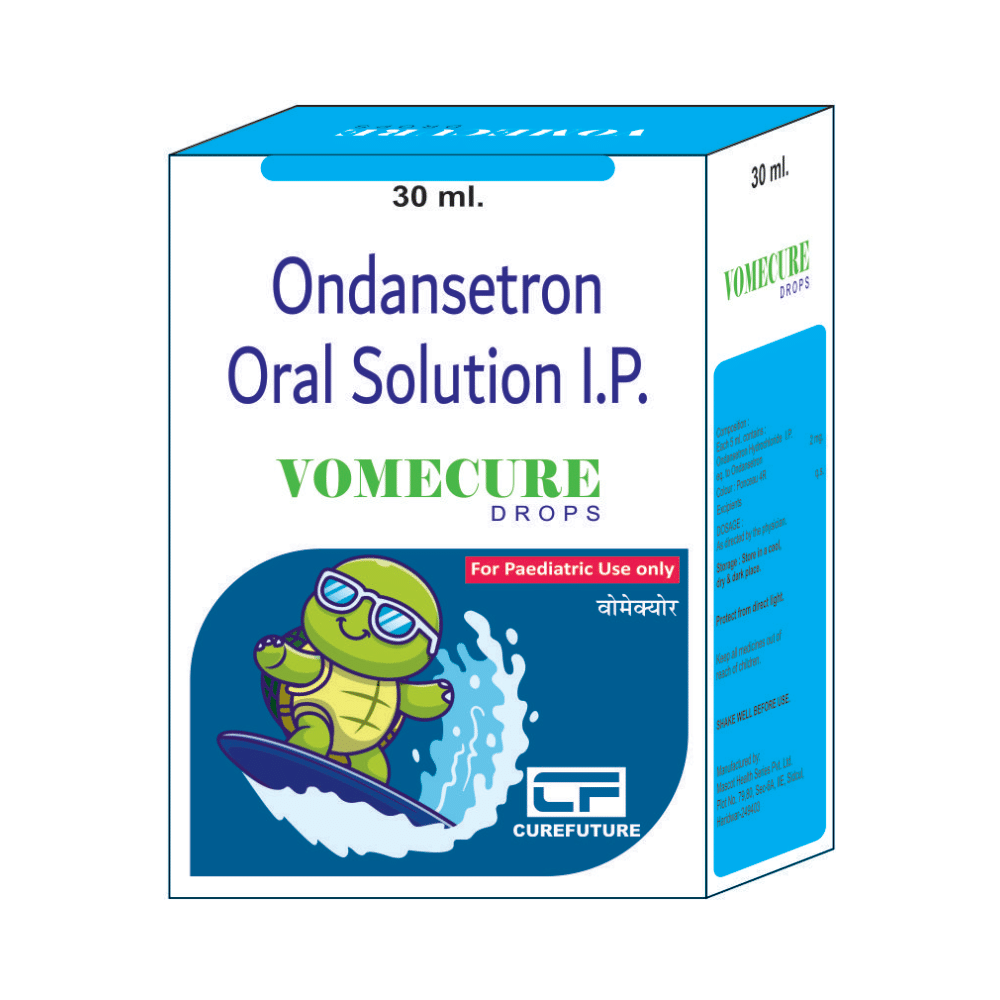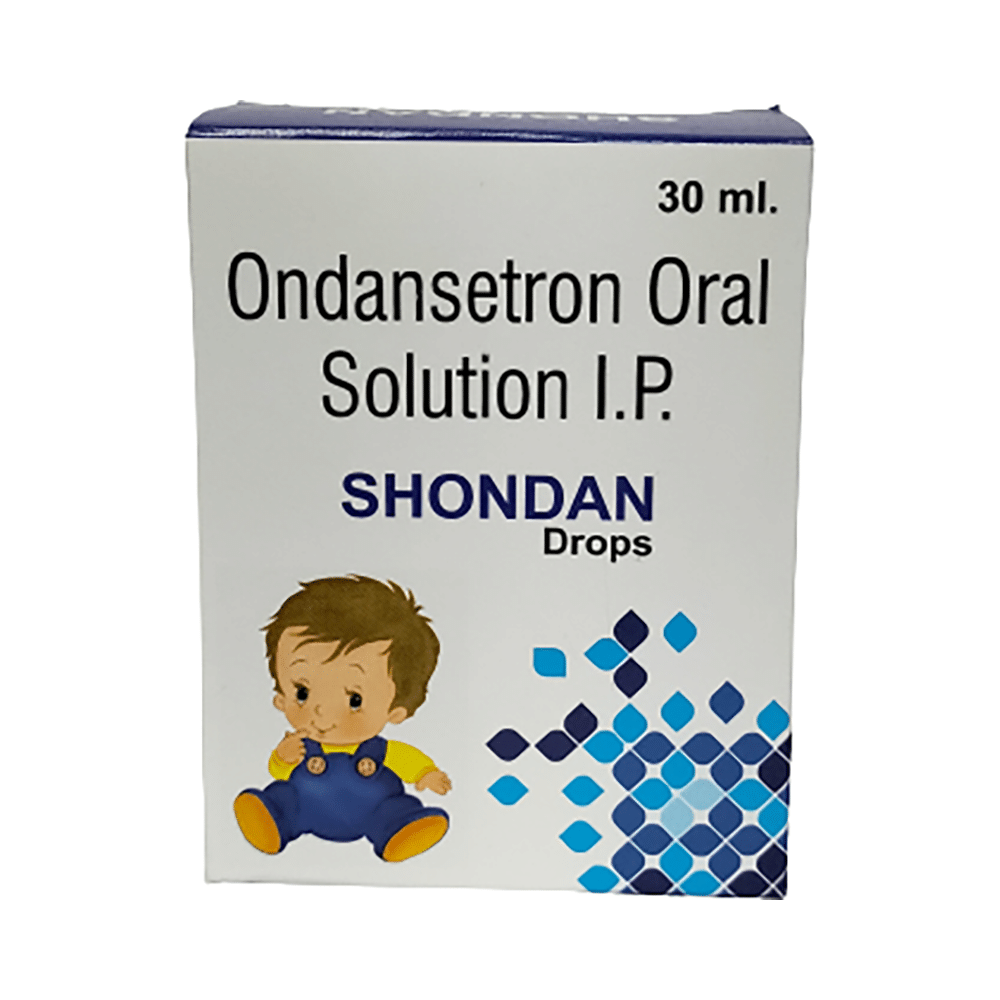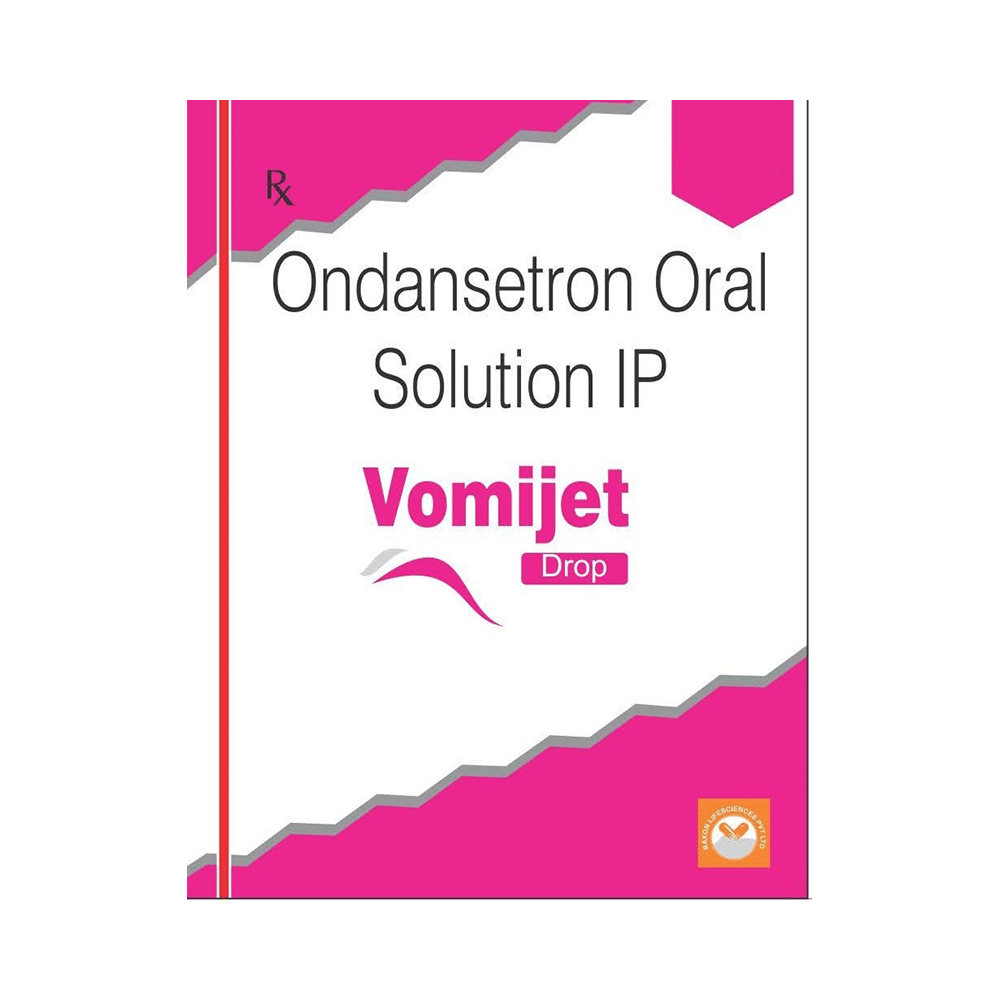
Ondapel Oral Solution
bottle of 30.0 ml Oral Solution.Prescription required
About this product:
| Salt Composition: | Ondansetron (2mg) |
| Manufacturer: | Pelzar Healthcare |
| Storage: | Below 25 degree celcius |
Out of Stock
Have doubts about this medicine?
Have doubts about this medicine?
Ondapel Oral Solution is used to treat nausea and vomiting in children, especially those undergoing surgery, chemotherapy, radiotherapy, or suffering from stomach/intestinal infections. Ondapel Oral Solution is administered to children to manage nausea and vomiting, particularly those related to surgery, chemotherapy, radiotherapy, and stomach/intestinal infections. It is also effective in treating vomiting caused by certain medications like painkillers. The medicine can be given before or after meals, and specific timing is recommended for procedures like chemotherapy and radiotherapy. Common side effects include headache, constipation, diarrhea, and fatigue, which usually subside as the body adapts. It is crucial to inform the doctor about any other medications the child is taking and any history of liver, kidney, gastrointestinal, or heart problems, as well as allergies.
During radiotherapy, chemotherapy, abdominal infection, or major surgeries, dead cells release serotonin into the blood, which stimulates vomiting centers in the brain. Ondapel Oral Solution blocks the effect of serotonin on these centers, preventing vomiting.
Take this medicine in the dose and duration as advised by your doctor. Check the label for directions before use. Measure it with a measuring cup and take it by mouth. Shake well before use. Ondapel Oral Solution may be taken with or without food, but it is better to take it at a fixed time.
- Ondapel Oral Solution effectively controls nausea and vomiting in children undergoing chemotherapy or radiotherapy.
- It is fast-acting and starts working within 30 minutes.
- Give plenty of fluids to your child to avoid dehydration.
- Avoid giving fried and spicy food or heavy meals to your child.
- Ensure that your child eats slowly and in small proportions.
- Headache
- Constipation
- Diarrhea
- Fatigue

Alcohol
Consuming alcohol with Ondapel Oral Solution does not cause any harmful side effects.

Breastfeed
Ondapel Oral Solution is probably safe to use during breastfeeding. Limited human data suggests that the drug does not represent any significant risk to the baby.

Pregnancy
Ondapel Oral Solution is generally considered safe to use during pregnancy. Animal studies have shown low or no adverse effects to the developing baby; however, there are limited human studies.