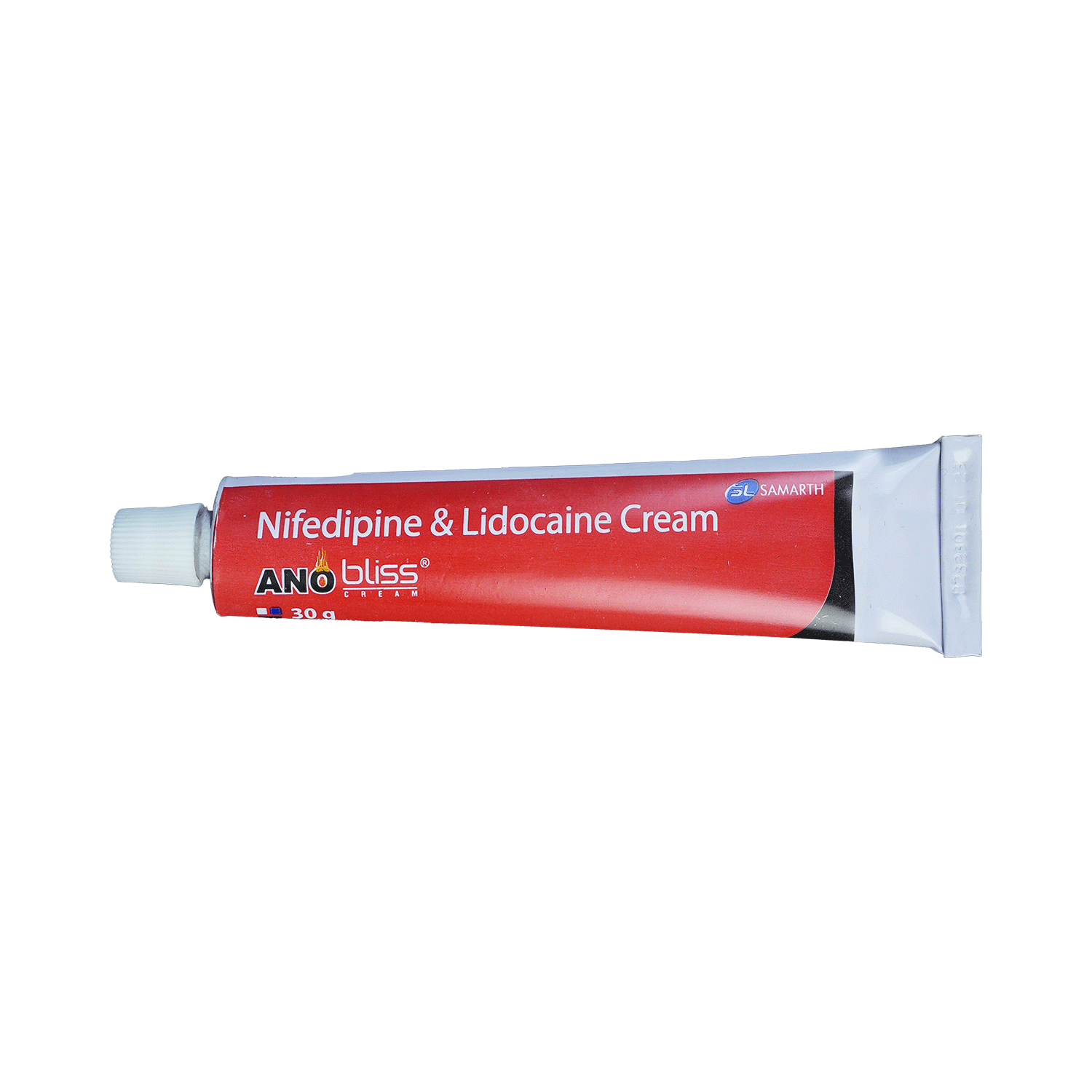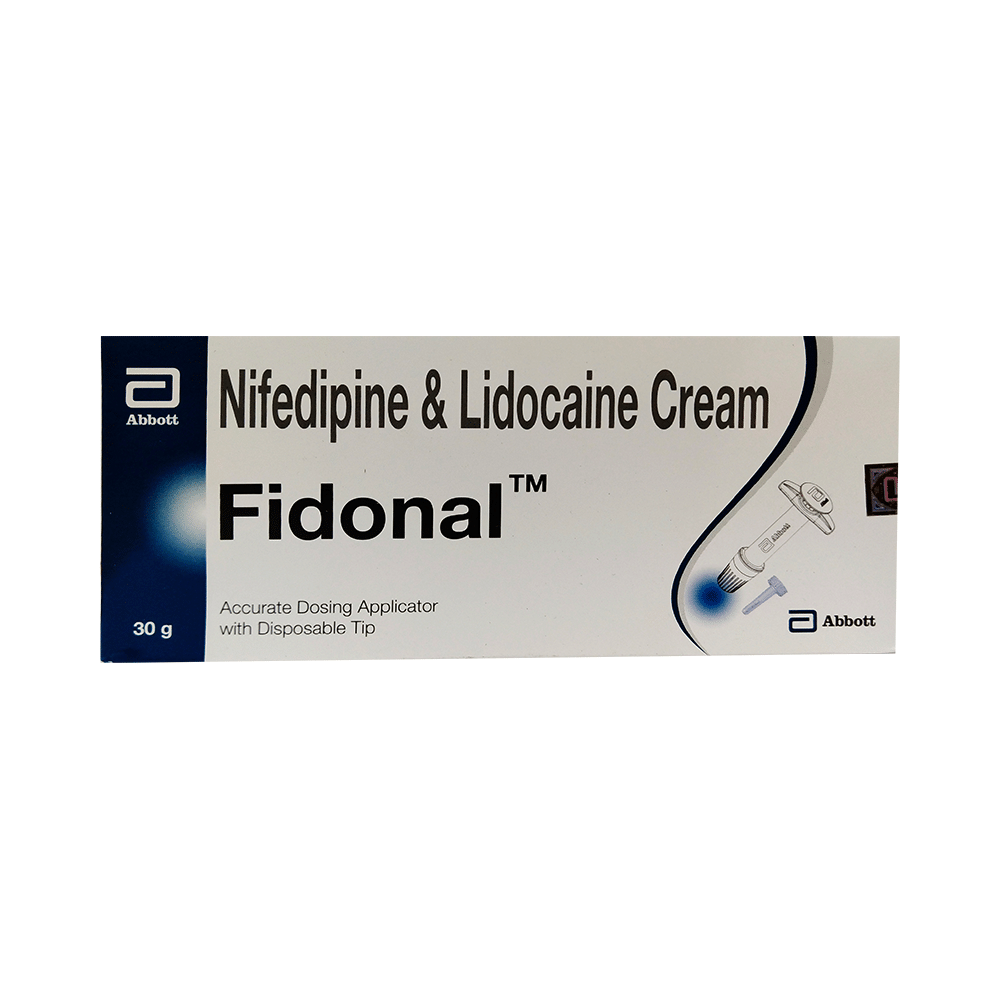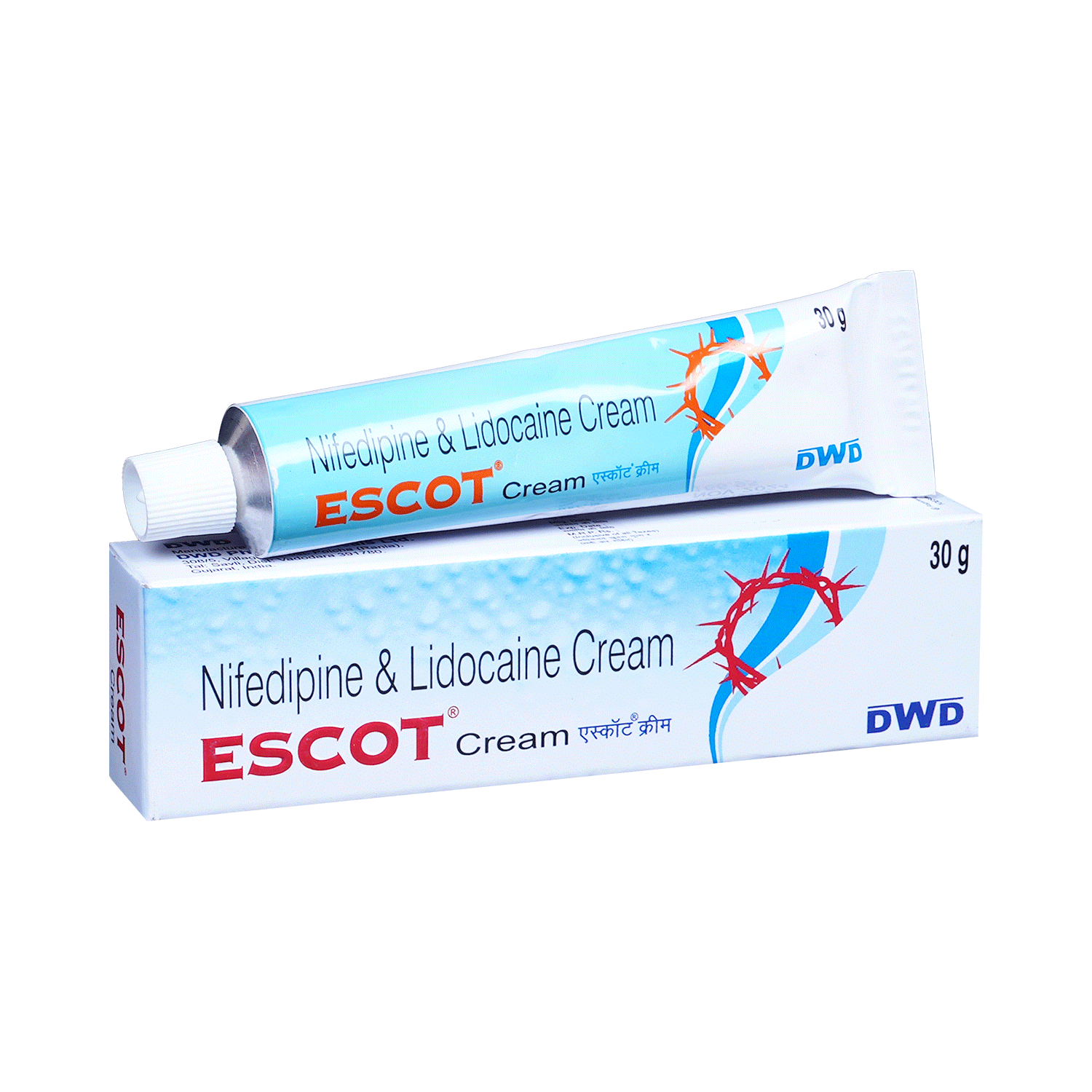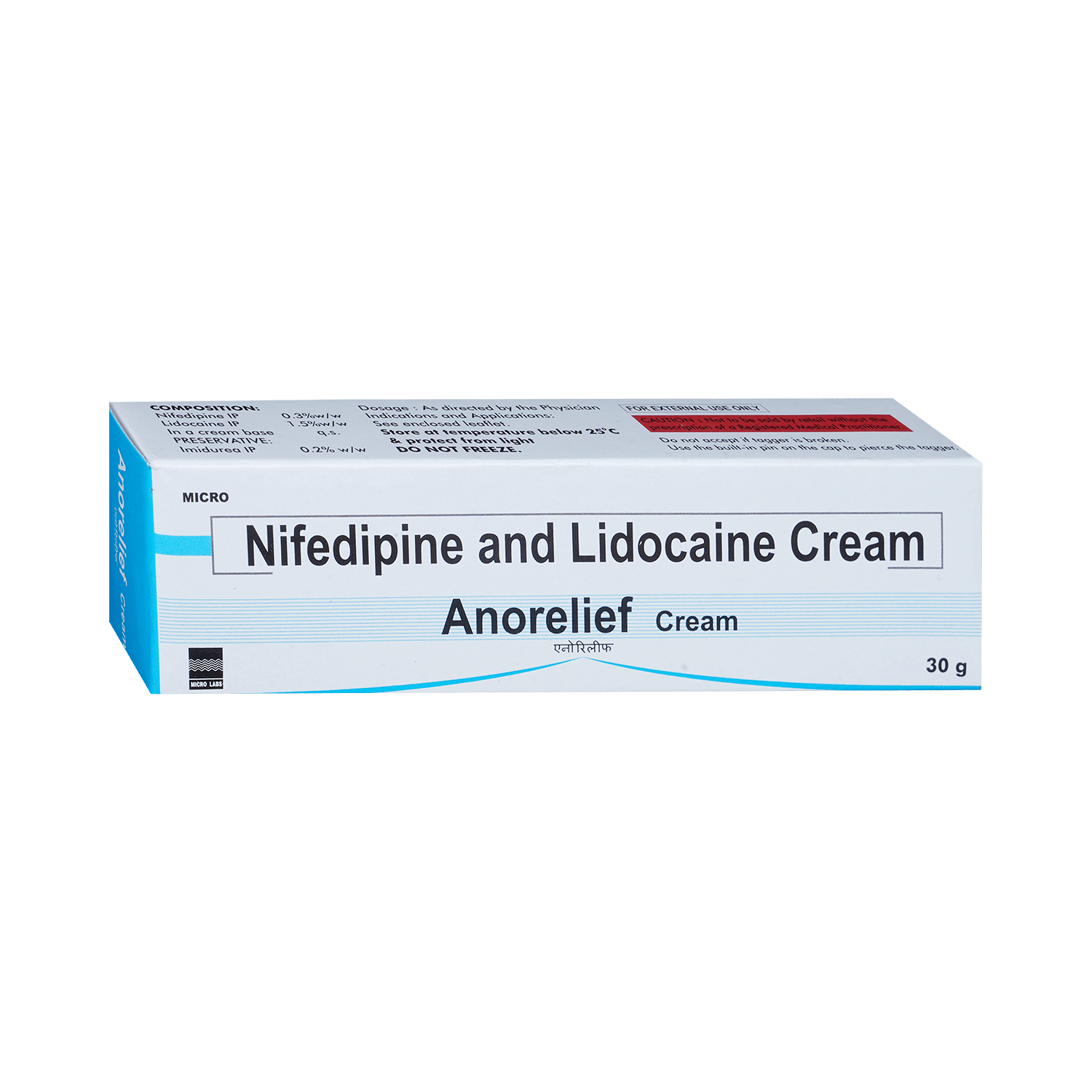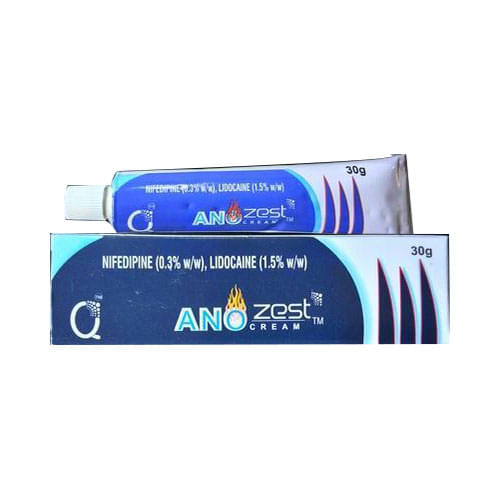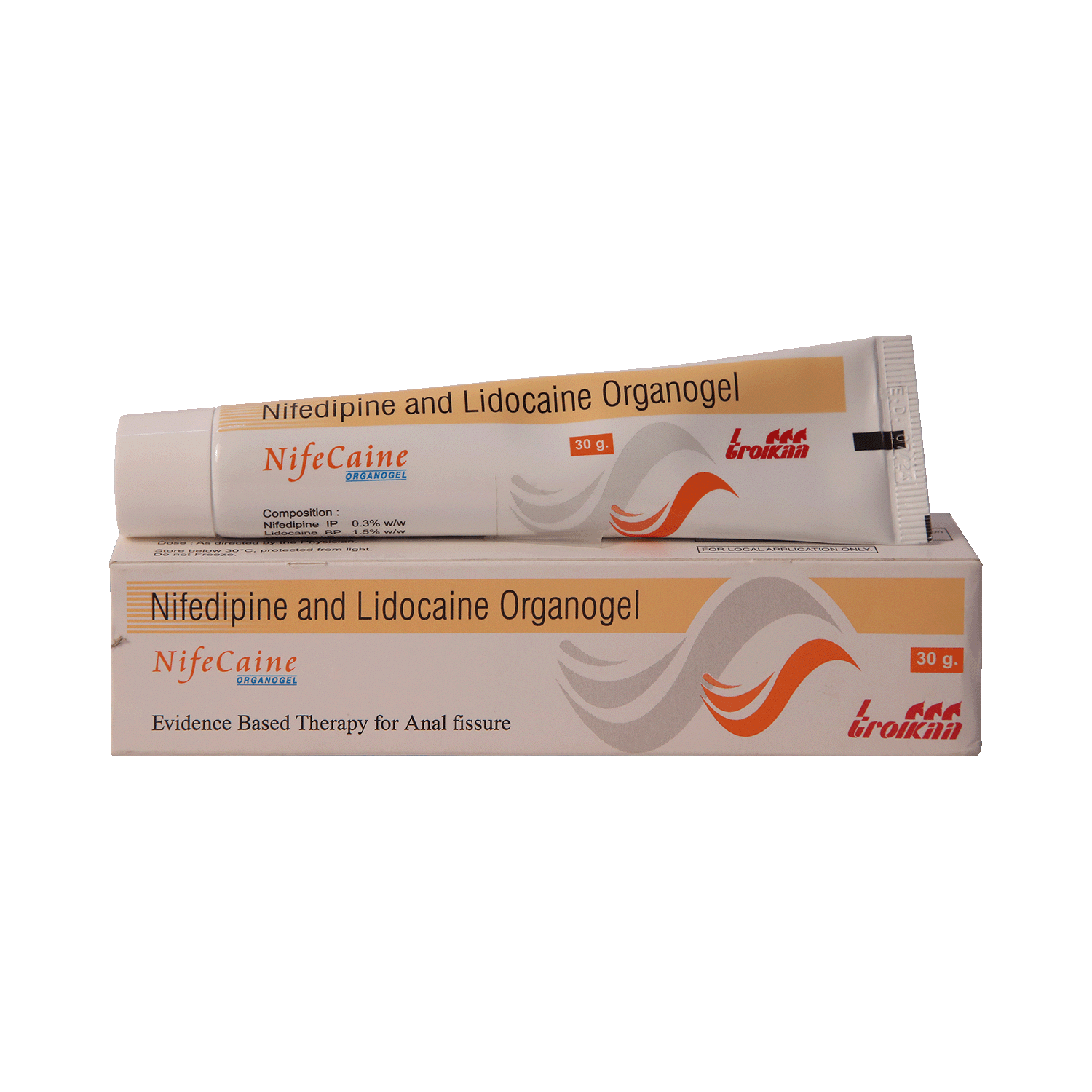
Nifedip LA Cream
tube of 30.0 gm Rectal Cream.Prescription required
About this product:
| Salt Composition: | Lidocaine (1.5% w/w) + Nifedipine (0.3% w/w) |
| Manufacturer: | Delvin Formulations Pvt Ltd |
| Storage: | Below 25 degree celcius |
Out of Stock
Have doubts about this medicine?
Have doubts about this medicine?
Nifedip LA Cream is a combination of two medicines used in the treatment of anal fissures (tear in the lining of the anus). It relieves the pain, swelling, itching, and discomfort associated with the passing of stools in people who suffer from problems in the anal area. Nifedip LA Cream relaxes the blood vessels in the anus thus helping in the healing of anal fissures. It should be used in the dose and duration as directed by your doctor. Do not stop using it suddenly without talking to your doctor as it may lead to worsening of your condition. Before applying this medicine clean and dry the affected area. Make sure to wash your hands thoroughly before and after applying this medicine. Avoid getting this medicine into your eyes, nose, or mouth. If accidental exposure occurs, wash your eyes with water and seek immediate medical attention. This medicine is generally well tolerated with minimal or no side effects. However, slight anal irritation may occur as a side effect of this medicine. This is temporary and usually resolves on its own in some time. Please consult your doctor if it does not resolve or persists for a longer duration. Inform your doctor immediately if you notice worsening of the infection or if you develop increased redness and irritation.
Nifedip LA Cream is a combination of two medicines: Lidocaine and Nifedipine. Lidocaine is a local anesthetic. It works by blocking pain signals from the nerves to brain which decreases pain sensation. Nifedipine is a calcium channel blocker (CCB). It works in anal fissure by blocking the action of calcium on blood vessels of anus.
Does Nifedip LA Cream cure anal fissures?
No, Nifedip LA Cream does not cure fissures. It reduces inflammation of the mucous membrane and skin, alleviating pain and itching by reducing irritation. This provides symptomatic relief but does not resolve the underlying cause of the fissures.
Why is my fissure not healing?
Anal fissures usually heal within a few weeks. However, if they are not healing, it might be due to poor blood supply to the area (ischemia) which can significantly slow down the healing process. In this situation, fissures may fail to heal and worsen over time. It is essential to consult your doctor immediately if you have been experiencing fissure issues for more than a few weeks.
What should I eat and avoid in fissures?
A fiber-rich diet, such as vegetables, fresh fruits, and whole grains, is essential when managing anal fissures. Drinking plenty of water is also important to promote stool consistency and ease defecation. Avoid alcohol consumption, which can exacerbate bowel issues and slow down healing. Your doctor may also recommend laxatives or fiber supplements if you are experiencing digestive problems.
Can spicy food cause fissures?
Spicy foods themselves do not directly cause anal fissures. However, they can irritate pre-existing fissures and worsen symptoms. Therefore, it is advisable to avoid spicy foods when experiencing fissure discomfort.
How do I use Nifedip LA Cream?
Always follow your doctor's instructions before applying Nifedip LA Cream. Apply a small amount of the ointment to the affected rectal area as directed. If using inside the rectum, attach the rectal applicator to the tube. Insert the applicator gently and fully into the rectum. Gently squeeze the tube to deliver the medication while withdrawing it.
How long does fissure healing take?
Anal fissures usually heal within a few weeks. However, if they persist for more than 4-6 weeks, they are considered chronic fissures. Please consult your doctor immediately if you have experienced symptoms for over 4 weeks.
This medicine is for external use only. Use it in the dose and duration as advised by your doctor.
- It is for administration into the rectum (back passage). It must not be taken by mouth.
- Use the applicator provided to insert a measured dose of cream into your back passage.
- Avoid getting it in the eyes, mouth, or nose. Rinse with cold water if you accidentally get it in these areas.
- Tips to prevent constipation that can cause anal fissure: Drink plenty of fluids to stay hydrated. Have fiber-rich food such as whole grains, oatmeal, and citrus fruits. Exercise regularly. Do not sit on the toilet for too long. Do not ignore your urge to go to the washroom.
- No common side effects listed.

Alcohol
No interaction found/established

Breastfeed
Nifedip LA Cream is probably safe to use during breastfeeding. Limited human data suggests that the drug does not represent any significant risk to the baby.

Pregnancy
Nifedip LA Cream may be unsafe to use during pregnancy. Although there are limited studies in humans, animal studies have shown harmful effects on the developing baby. Your doctor will weigh the benefits and any potential risks before prescribing it to you. Please consult your doctor.