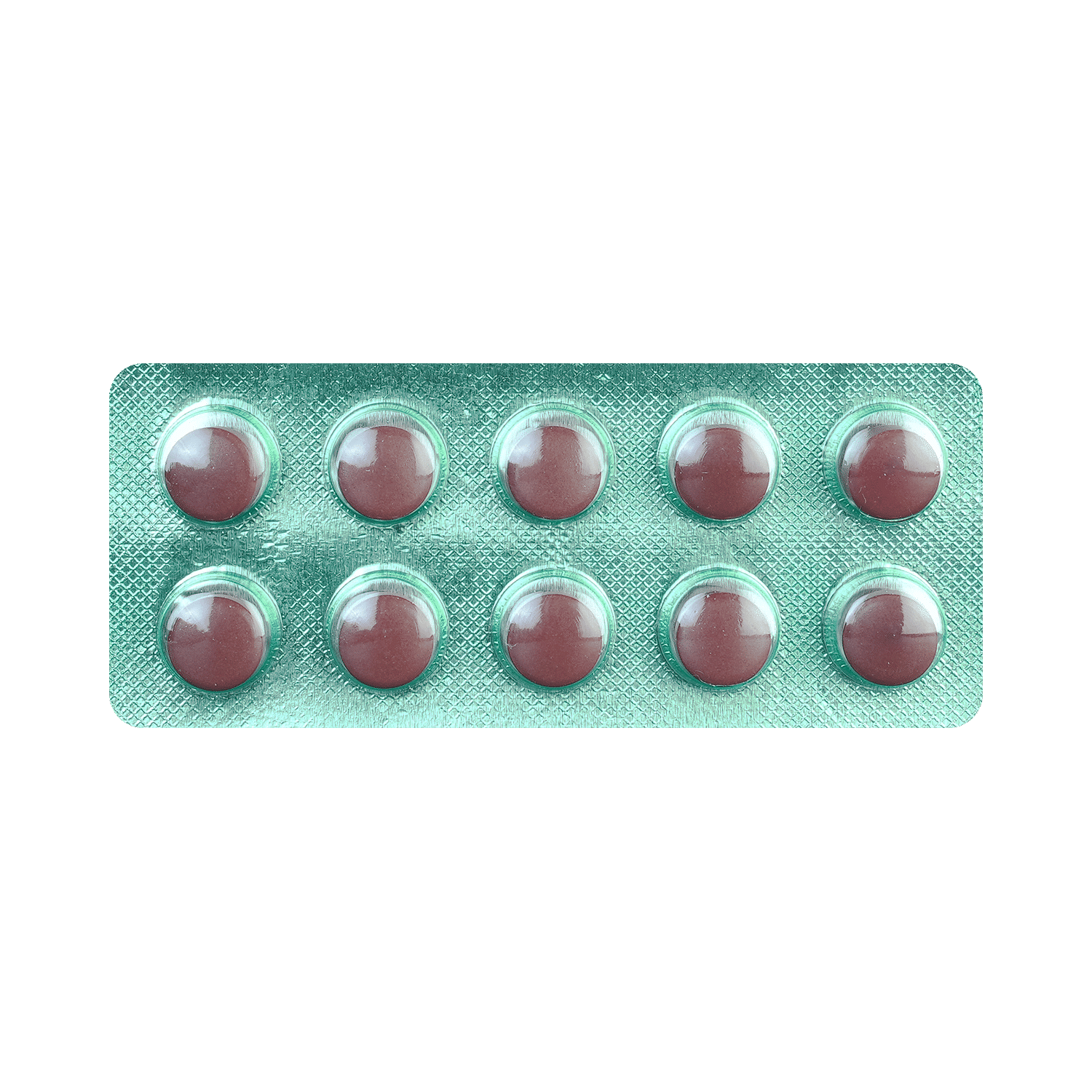
Naprostar D 250mg/10mg Tablet
strip of 10.0 tablets.Prescription required
About this product:
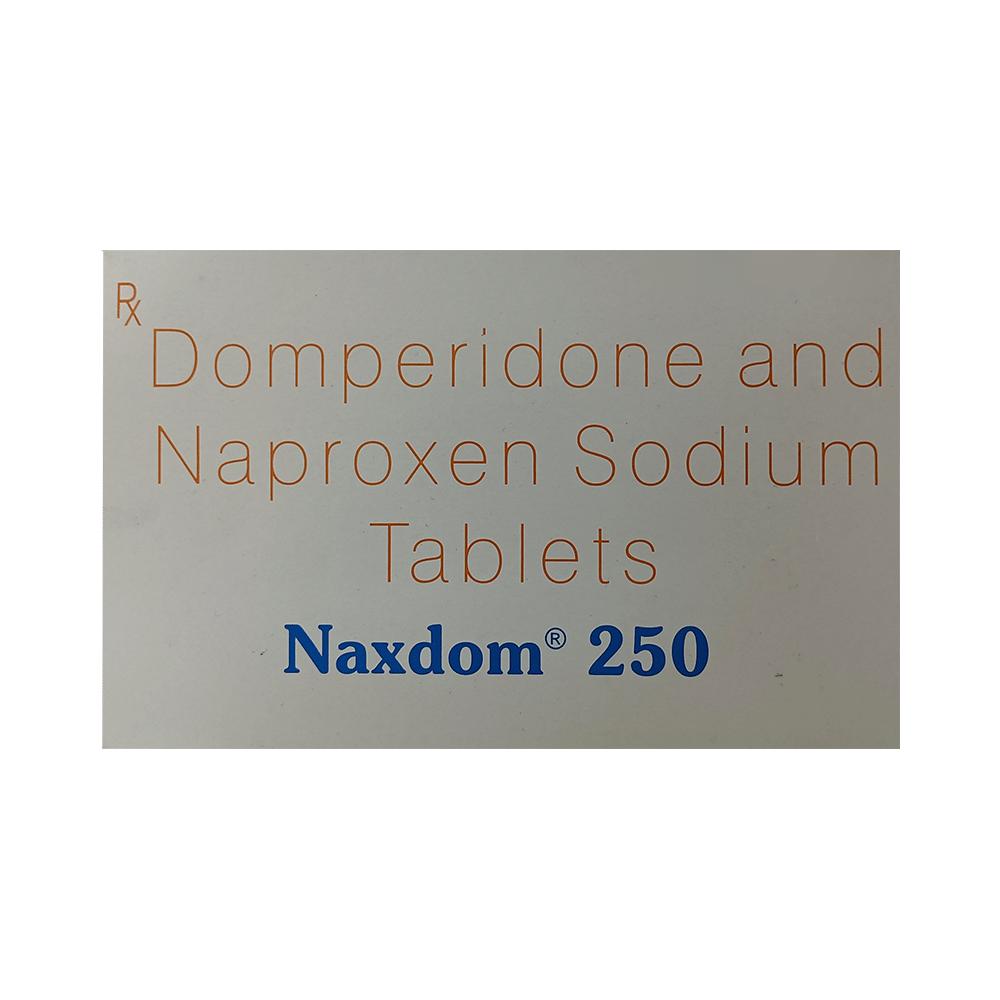
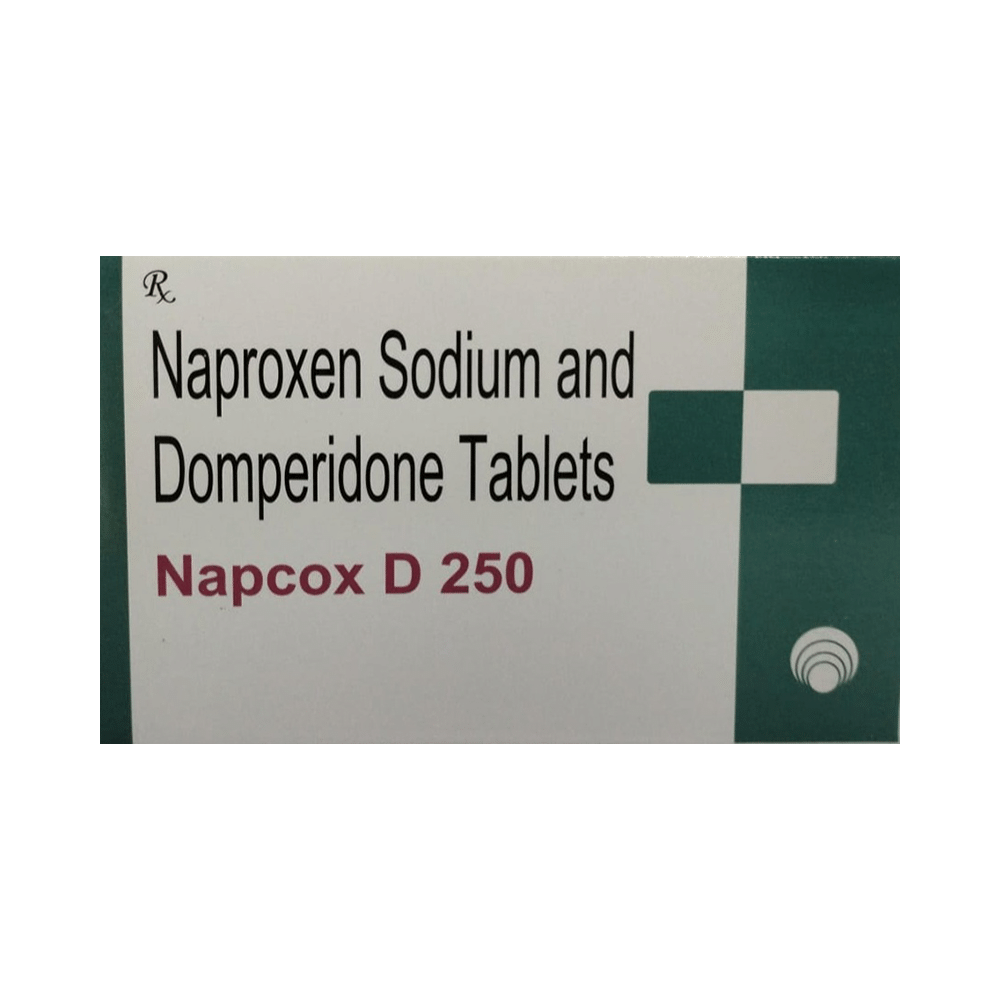
| Salt Composition: | Naproxen (250mg) + Domperidone (10mg) |
| Manufacturer: | Greystar Pharma |
| Storage: | Below 25 degree celcius |
Out of Stock
Have doubts about this medicine?
Have doubts about this medicine?
Naprostar D 250mg/10mg Tablet is a combination of two medicines used in the prevention of migraines. It blocks the release of certain chemical messengers that cause pain, inflammation, and fever. Naprostar D 250mg/10mg Tablet may be prescribed alone or in combination with another medicine. It can be taken with or without food. The dose and duration will depend on the severity of your condition and how well it helps your symptoms. Use it regularly and do not discontinue using it until the doctor tells you it is alright to stop.
Naprostar D 250mg/10mg Tablet is a combination of two medicines: Naproxen and Domperidone. Naproxen is a non-steroidal anti-inflammatory drug (NSAID) which works by blocking the release of certain chemical messengers that cause pain due to migraine. Domperidone is a prokinetic which works on the region in the brain that controls vomiting associated with migraine. It also increases the movement of the stomach and intestines allowing food to move more easily through the stomach.
What is Naprostar D 250mg/10mg Tablet?
Naprostar D 250mg/10mg Tablet combines two medicines: Naproxen and Domperidone. This combination helps relieve migraine symptoms, such as headache, nausea, and vomiting.
Can I stop taking Naprostar D 250mg/10mg Tablet when my migraine symptoms are relieved?
No, do not stop taking Naprostar D 250mg/10mg Tablet until advised by your doctor.
Can the use of Naprostar D 250mg/10mg Tablet cause diarrhea?
Yes, the use of Naprostar D 250mg/10mg Tablet can cause diarrhea. If you experience diarrhea, drink plenty of fluids. Consult your doctor if diarrhea persists or you notice signs of dehydration, like dark-colored and strong-smelling urine. Do not take any other medicine without consulting a doctor.
Are there any specific contraindications associated with the use of Naprostar D 250mg/10mg Tablet?
The use of Naprostar D 250mg/10mg Tablet is not recommended for patients with known allergies to any component or excipient. It should also be avoided in patients with a history of stomach ulcers, active or recurrent bleeding ulcers. This medicine should preferably be avoided in patients with heart failure, high blood pressure, and liver or kidney disease.
Can the use of Naprostar D 250mg/10mg Tablet cause damage to kidneys?
Long-term use of Naprostar D 250mg/10mg Tablet can increase risks of kidney damage. The chemical prostaglandins, which protect the kidneys, are lowered by taking pain relievers. This long-term effect can lead to kidney damage if not avoided.
Can I take a higher than the recommended dose of Naprostar D 250mg/10mg Tablet?
No, exceeding the recommended dosage of Naprostar D 250mg/10mg Tablet can increase the risk of side effects. If you experience increased migraine severity that is not relieved by the recommended dose, consult your doctor for re-evaluation.
What are the recommended storage conditions for Naprostar D 250mg/10mg Tablet?
Store this medicine in its original container or pack, tightly closed. Follow instructions on the packaging label and dispose of unused medication properly. Do not allow children or pets to access this medicine.
Take this medicine in the dose and duration as advised by your doctor. Swallow it as a whole. Do not chew, crush or break it. Naprostar D 250mg/10mg Tablet may be taken with or without food but it is better to take it at a fixed time.
- Have your meals at the same time everyday
- Avoid bright lights and extreme temperatures
- Avoid loud music and noisy places
- Avoid chocolates, cheese, processed food, alcohol and smoking
- Get enough sleep and avoid stress

Alcohol
It is unsafe to consume alcohol with Naprostar D 250mg/10mg Tablet.

Breastfeed
Naprostar D 250mg/10mg Tablet is safe to use during breastfeeding. Human studies suggest that the drug does not pass into the breastmilk in a significant amount and is not harmful to the baby.

Pregnancy
Naprostar D 250mg/10mg Tablet may be unsafe to use during pregnancy. Although there are limited studies in humans, animal studies have shown harmful effects on the developing baby. Your doctor will weigh the benefits and any potential risks before prescribing it to you. Please consult your doctor.