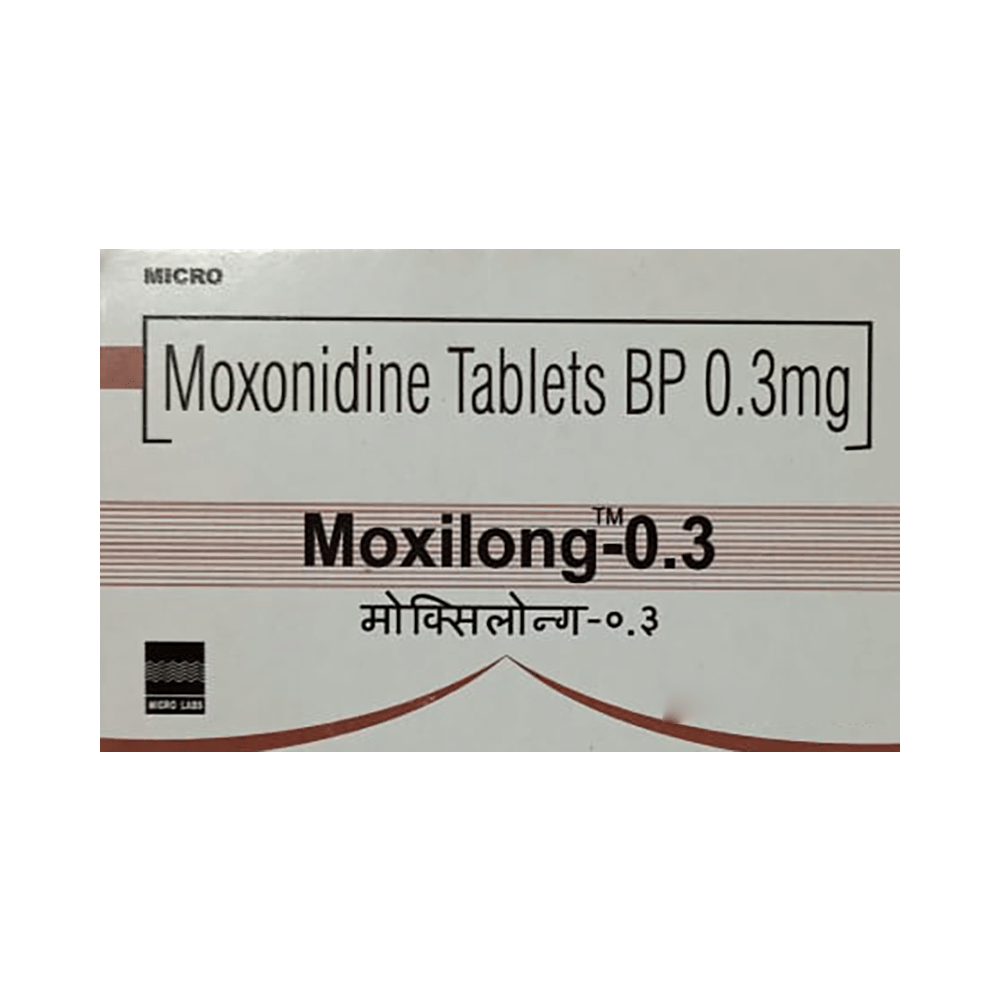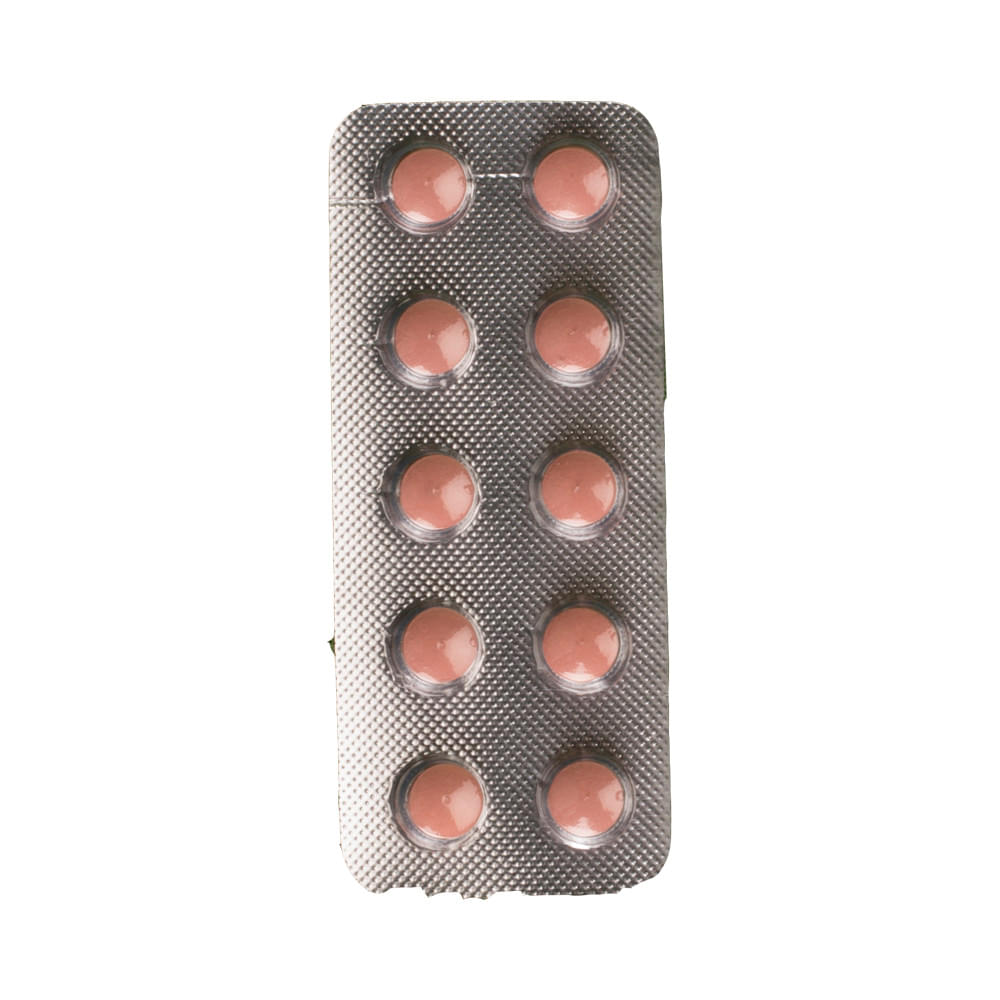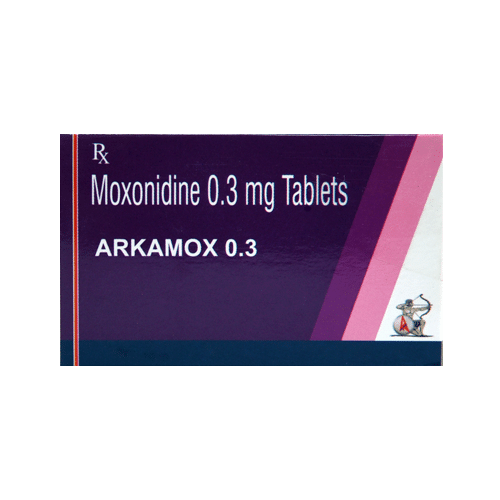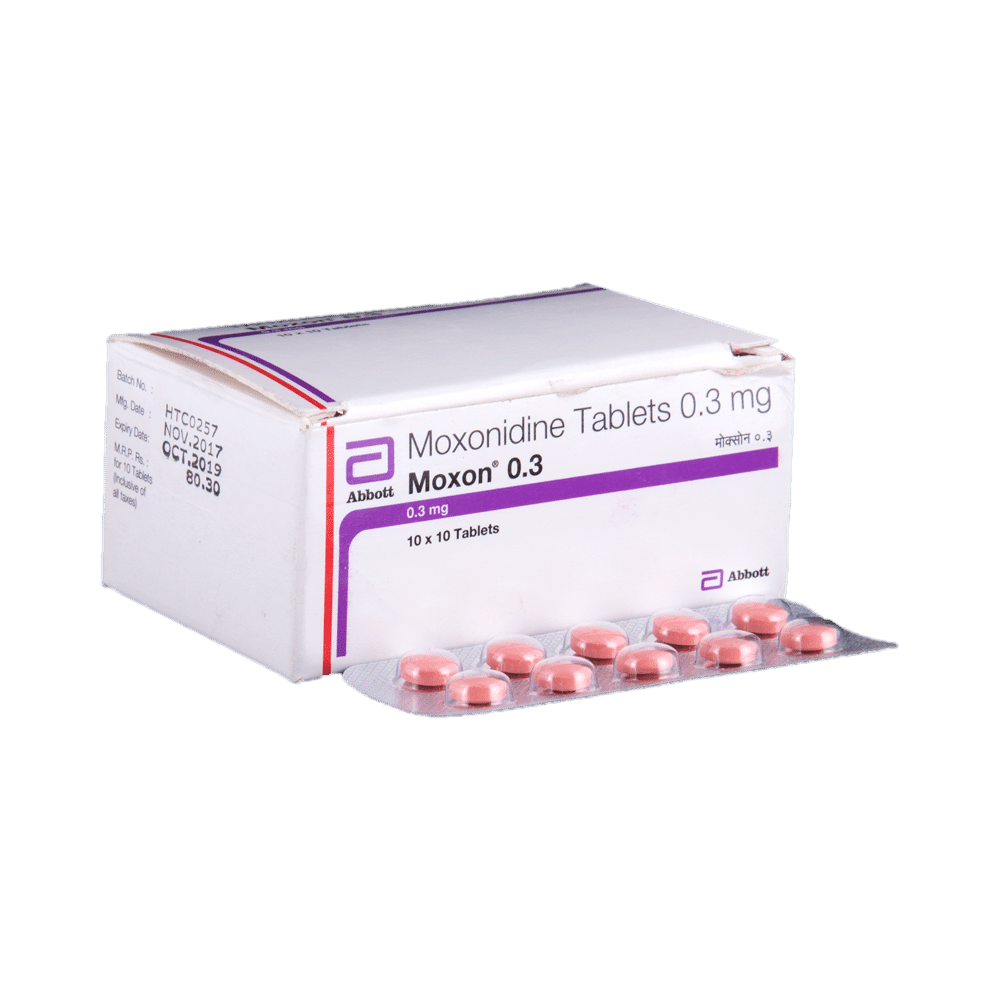
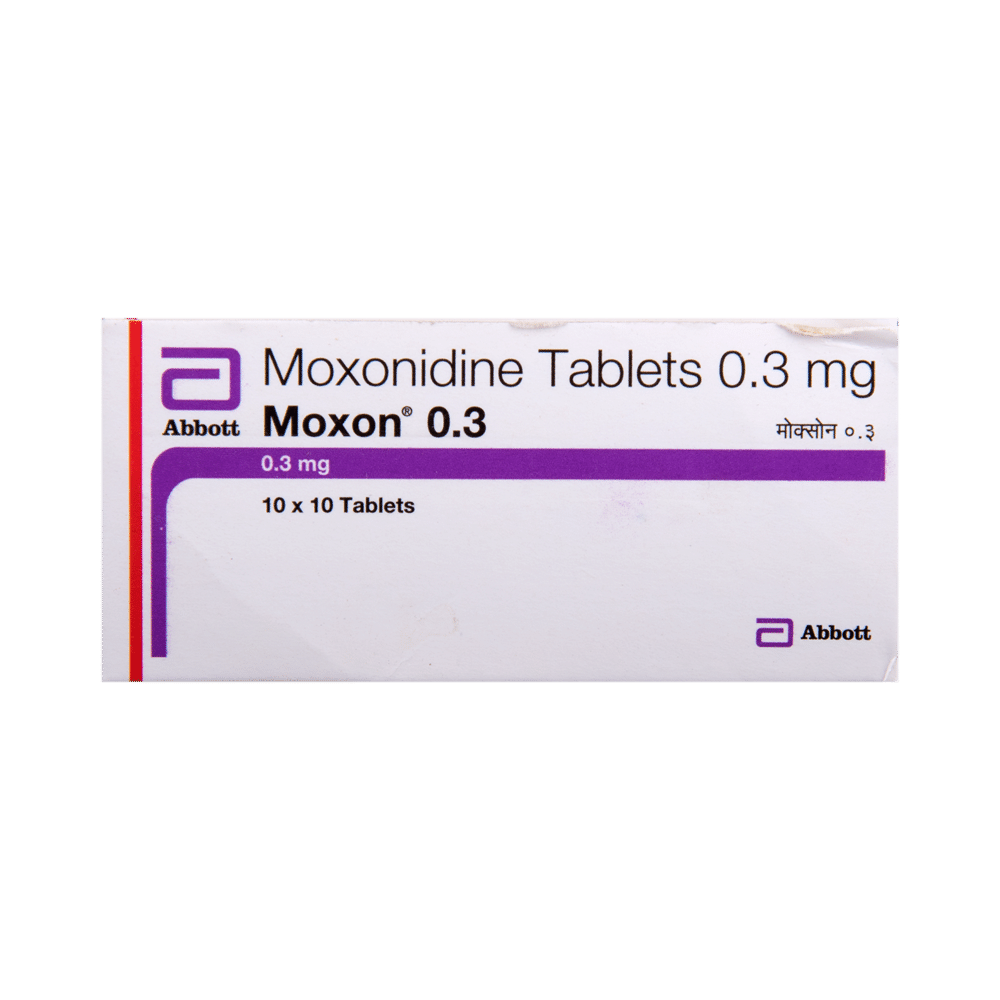
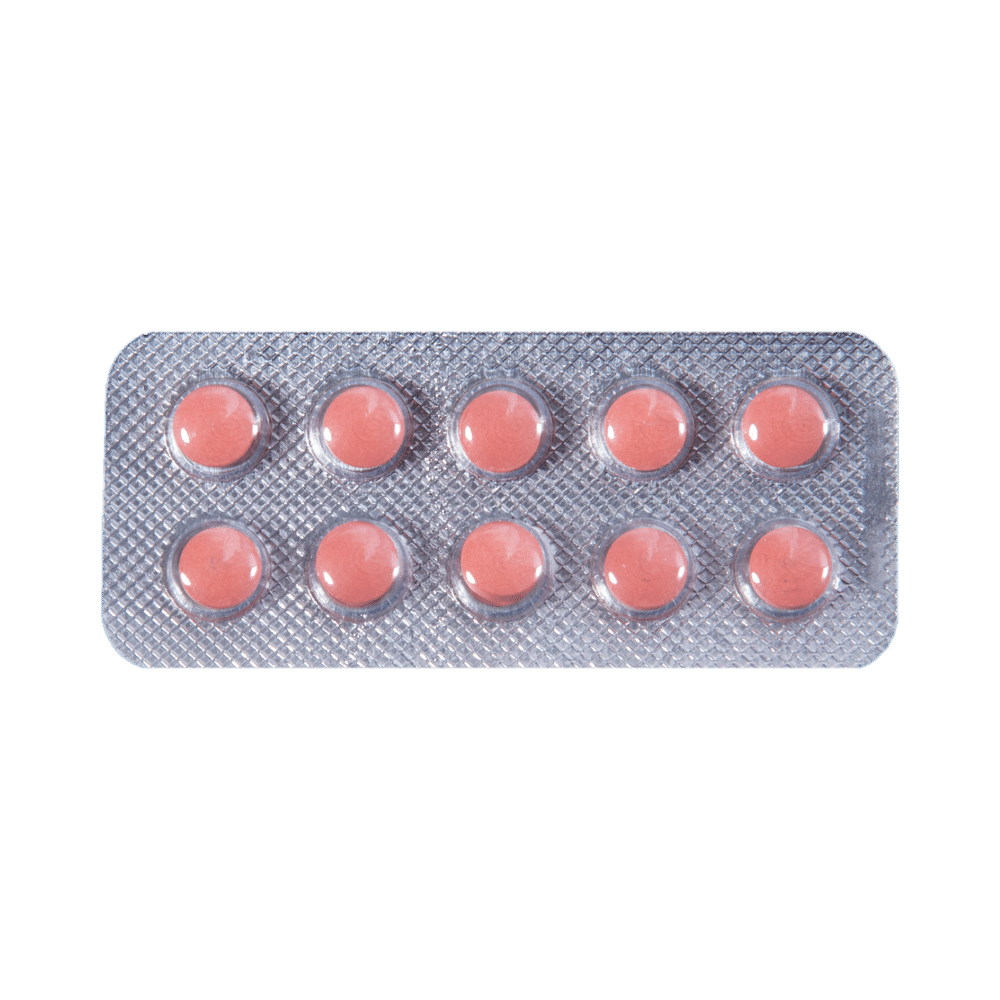
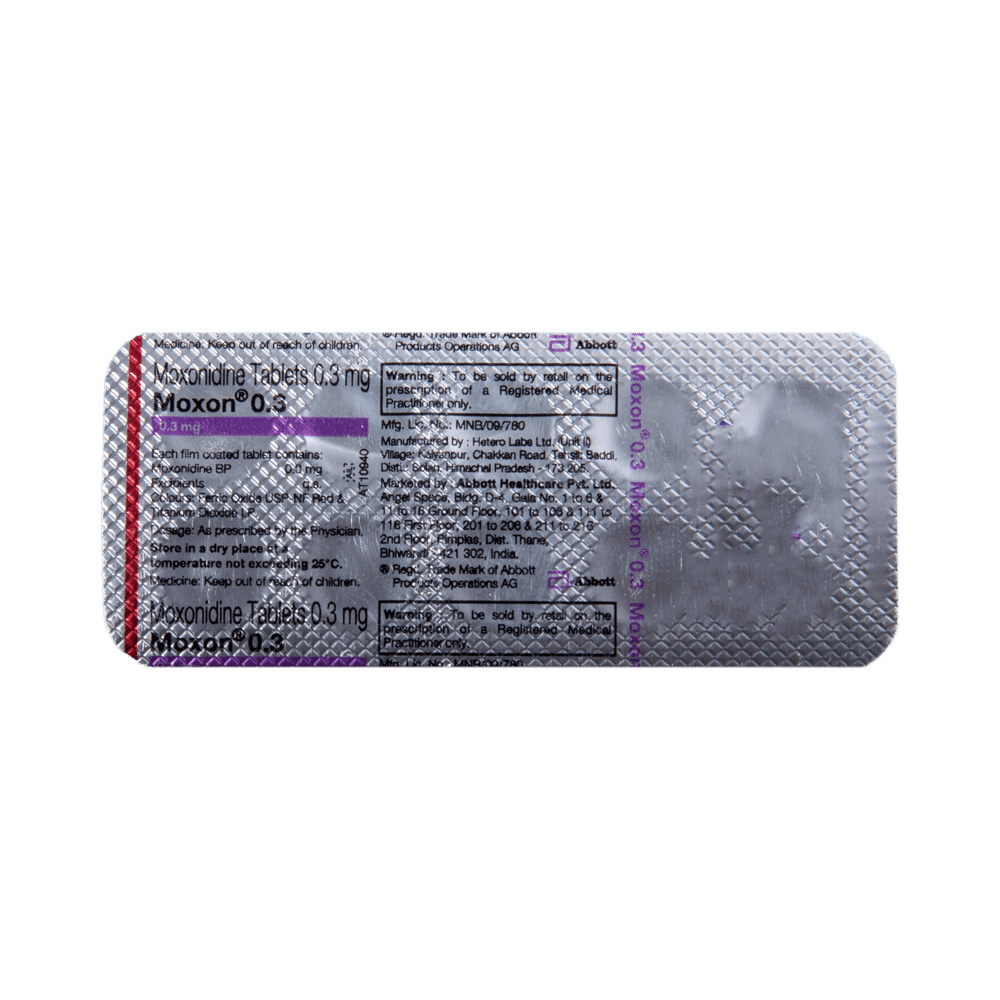
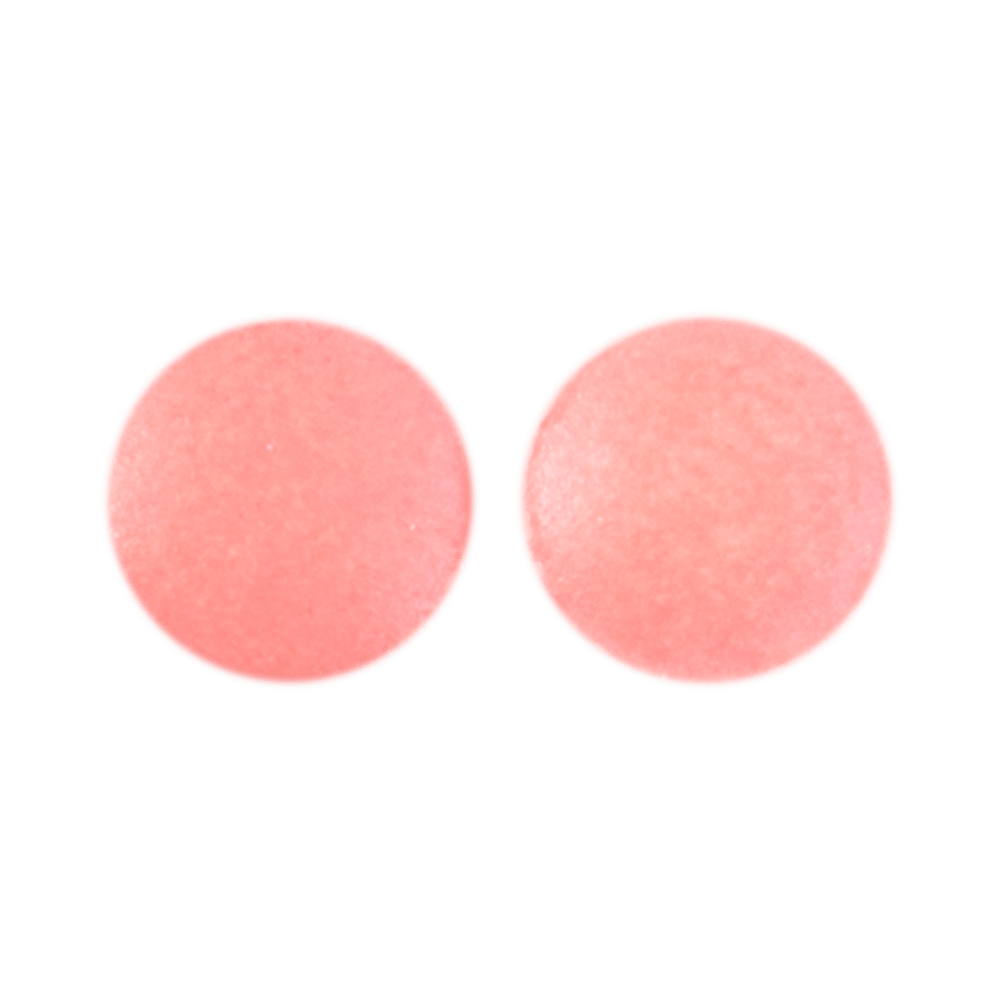
Moxon 0.3 Tablet
strip of 10.0 tablets.Prescription required
About this product:
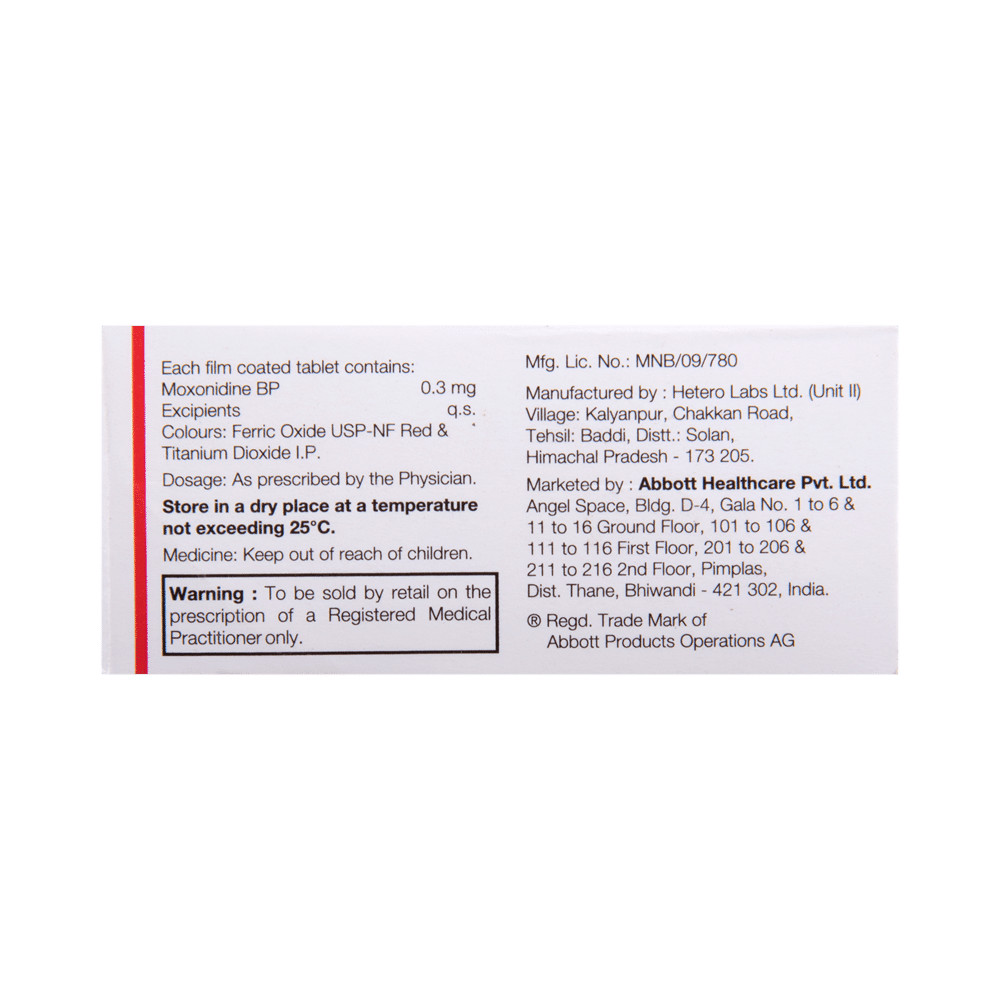
| Salt Composition: | Moxonidine (0.3mg) |
| Manufacturer: | Abbott |
| Storage: | Below 25 degree celcius |
Out of Stock
Have doubts about this medicine?
Have doubts about this medicine?
Moxon 0.3 Tablet is a medicine used in the treatment of hypertension (high blood pressure). It lowers the blood pressure by relaxing the blood vessels. Moxon 0.3 Tablet can be taken with or without food. You can take it at any time of day but try to take it at the same time each day. You should take this medicine as advised by the doctor and never stop it abruptly without consulting the doctor. Most people with high blood pressure do not feel ill but if you stop taking this medicine your condition could get worse. This may lead to your blood pressure rising up again and increase your risk of heart disease and stroke.
Moxon 0.3 Tablet is an anti-hypertensive medication. It works by relaxing blood vessels which makes the heart more efficient at pumping blood around the body.
Can I stop taking Moxon 0.3 Tablet if my blood pressure is controlled?
Do not stop taking Moxon 0.3 Tablet without consulting your doctor, even if you feel fine or your blood pressure is controlled. Suddenly stopping the medicine may cause significant changes in your blood pressure. If necessary, your doctor will gradually reduce the dose over a period of 2 weeks.
When can I take Moxon 0.3 Tablet?
If you are prescribed a single lowest dose of Moxon 0.3 Tablet, you can take it in the morning. If divided doses are prescribed, one dose can be taken in the morning and the other in the evening.
How should I take Moxon 0.3 Tablet?
You should take Moxon 0.3 Tablet exactly as prescribed by your doctor. Take it whole (without crushing or chewing it) with a sufficient amount of water. You can take it before, during, or after meals, as food does not affect the working of Moxon 0.3 Tablet.
Who should not take Moxon 0.3 Tablet?
You should not take Moxon 0.3 Tablet if you are allergic to it or have heart function insufficiency. Prefer not to use the medicine if you have a slow heart rate (below 50 beats/minute at rest) or suffer from an abnormal heart rhythm or a change in the rate of the heartbeat (called sick-sinus syndrome or second or third degree AV-block).
What are the symptoms of overdose of Moxon 0.3 Tablet?
Symptoms of overdose of Moxon 0.3 Tablet include headache, feeling sleepy, a drop in blood pressure, feeling dizzy, unusual weakness, and a slow heart rate. Other symptoms may include dry mouth, nausea, feeling tired, and abdominal pain. In case of overdose, contact your doctor or the nearest hospital emergency department immediately.
Can I take atenolol with Moxon 0.3 Tablet?
You can take atenolol along with Moxon 0.3 Tablet, but inform your doctor that you are taking atenolol as well. Also, if you plan to stop taking Moxon 0.3 Tablet, stop taking atenolol a few days before you stop Moxon 0.3 Tablet. This is because stopping both treatments at the same time could result in an increased blood pressure.
Can Moxon 0.3 Tablet affect my sleep?
Sleep disturbance is a common side effect of Moxon 0.3 Tablet. This tends to be mild and settles down soon. Other common side effects may include headache, dizziness, vertigo (a spinning sensation), and sleepiness. Contact your doctor if these effects persist or worry you.
What type of drug is Moxon 0.3 Tablet?
Moxon 0.3 Tablet belongs to the antihypertensive class of medicines. It is used to lower blood pressure in hypertensive patients.
Take this medicine in the dose and duration as advised by your doctor. Swallow it as a whole. Do not chew, crush or break it. Moxon 0.3 Tablet may be taken with or without food but it is better to take it at a fixed time.
- Moxon 0.3 Tablet lowers your blood pressure and makes it easier for your heart to pump blood around your body.
- Lowering high blood pressure helps prevent stroke and heart attack.
- Eat healthy (low-sodium diet)
- Exercise
- Quit smoking
- Limit alcohol intake
- Reduce stress along with taking Moxon 0.3 Tablet.
- Dry mouth may occur as a side effect. Frequent mouth rinses, good oral hygiene, increased water intake and sugarless candy may help.
- Moxon 0.3 Tablet may cause dizziness or sleepiness. Do not drive or do anything requiring concentration until you know how it affects you.
- It may cause you to feel lightheaded especially when you stand up (orthostatic hypotension). Rise slowly if you have been sitting or lying down.
- Dry mouth
- Nausea
- Dizziness
- Headache
- Insomnia
- Back pain

Alcohol
Moxon 0.3 Tablet may cause excessive drowsiness with alcohol.

Breastfeed
Moxon 0.3 Tablet is probably unsafe to use during breastfeeding. Limited human data suggests that the drug may pass into the breastmilk and harm the baby.

Pregnancy
Moxon 0.3 Tablet may be unsafe to use during pregnancy. Although there are limited studies in humans, animal studies have shown harmful effects on the developing baby.