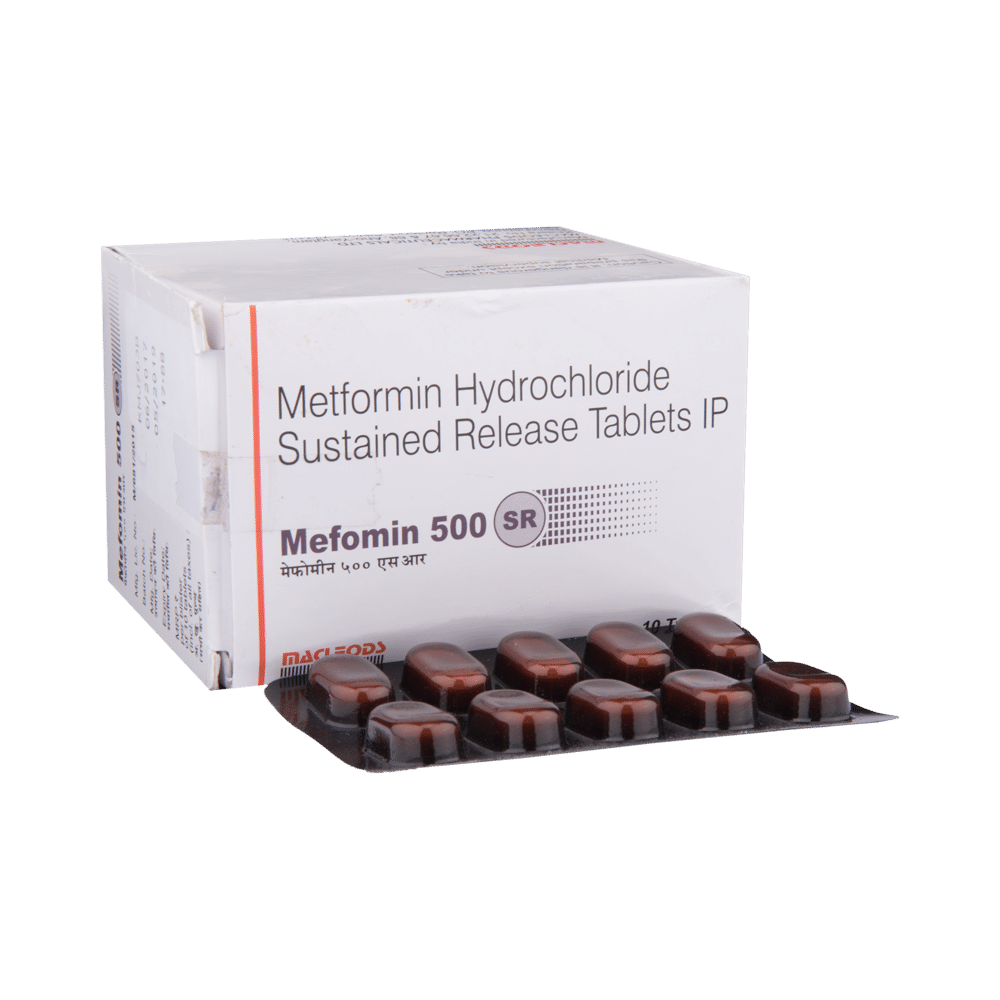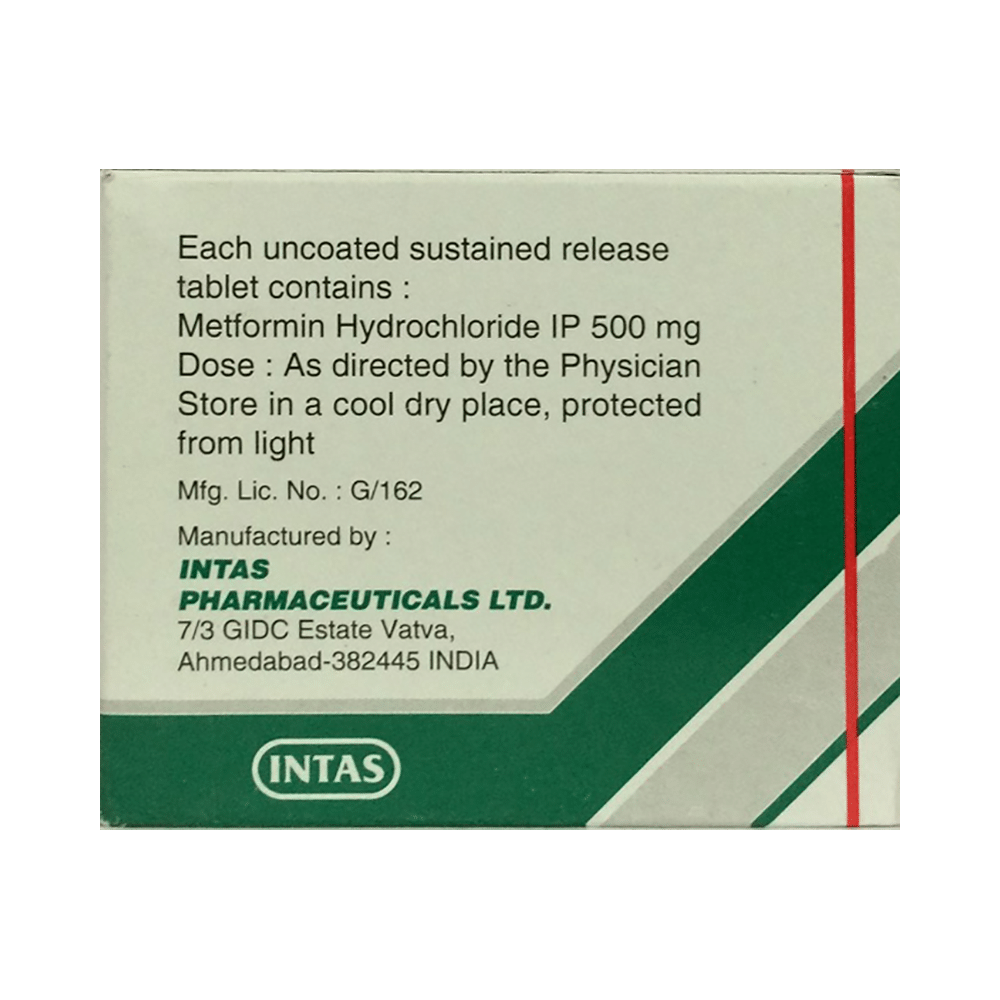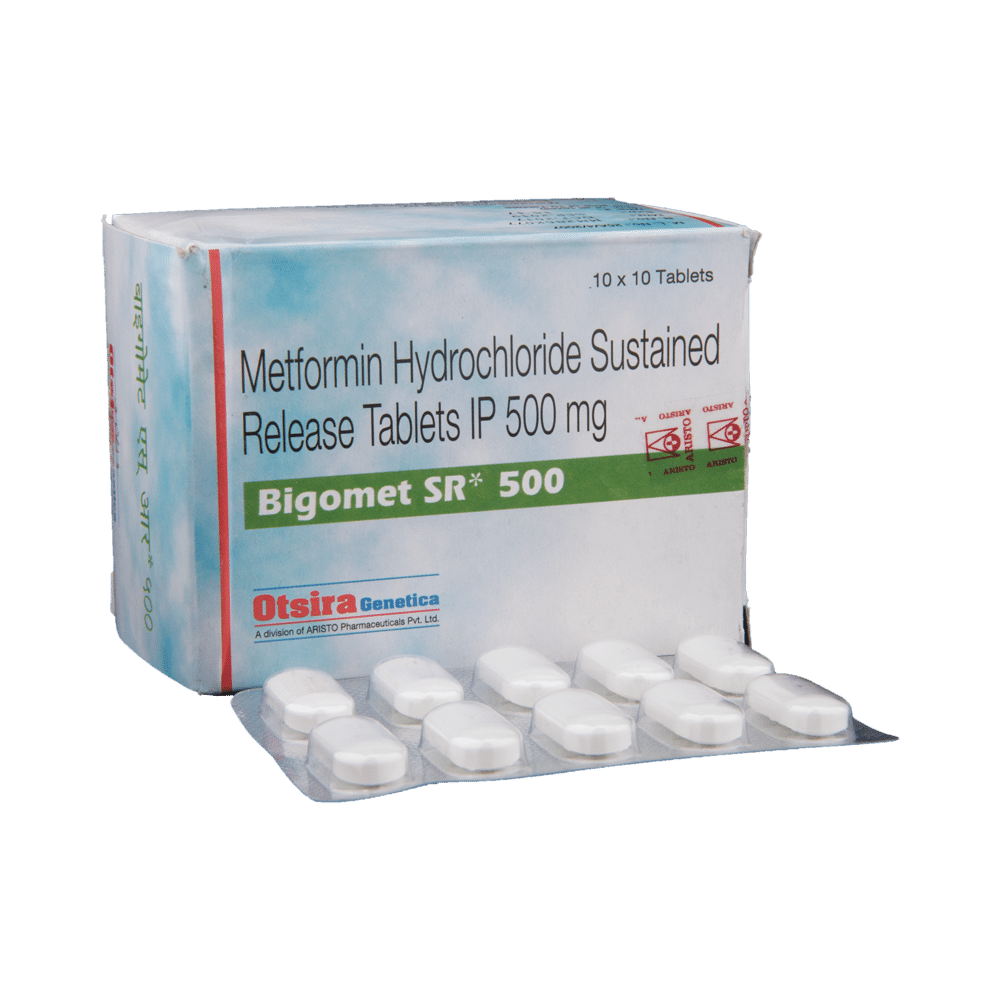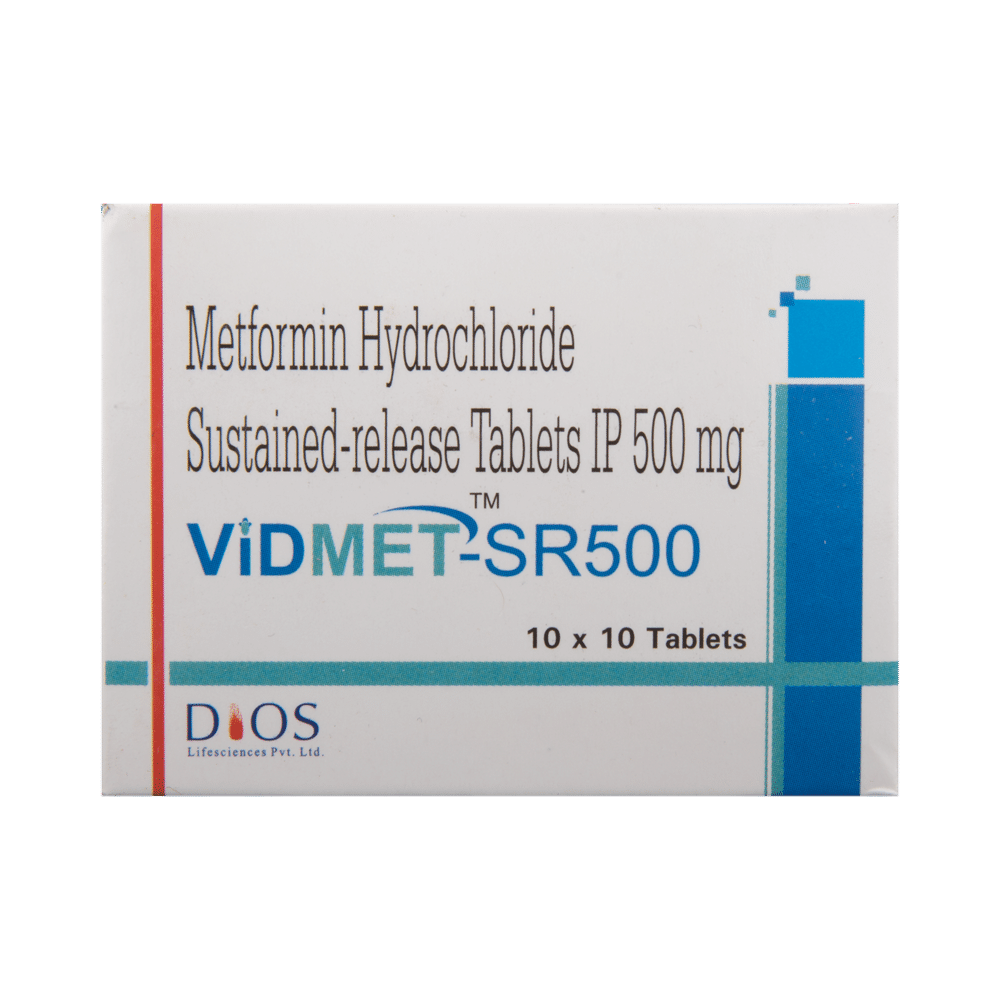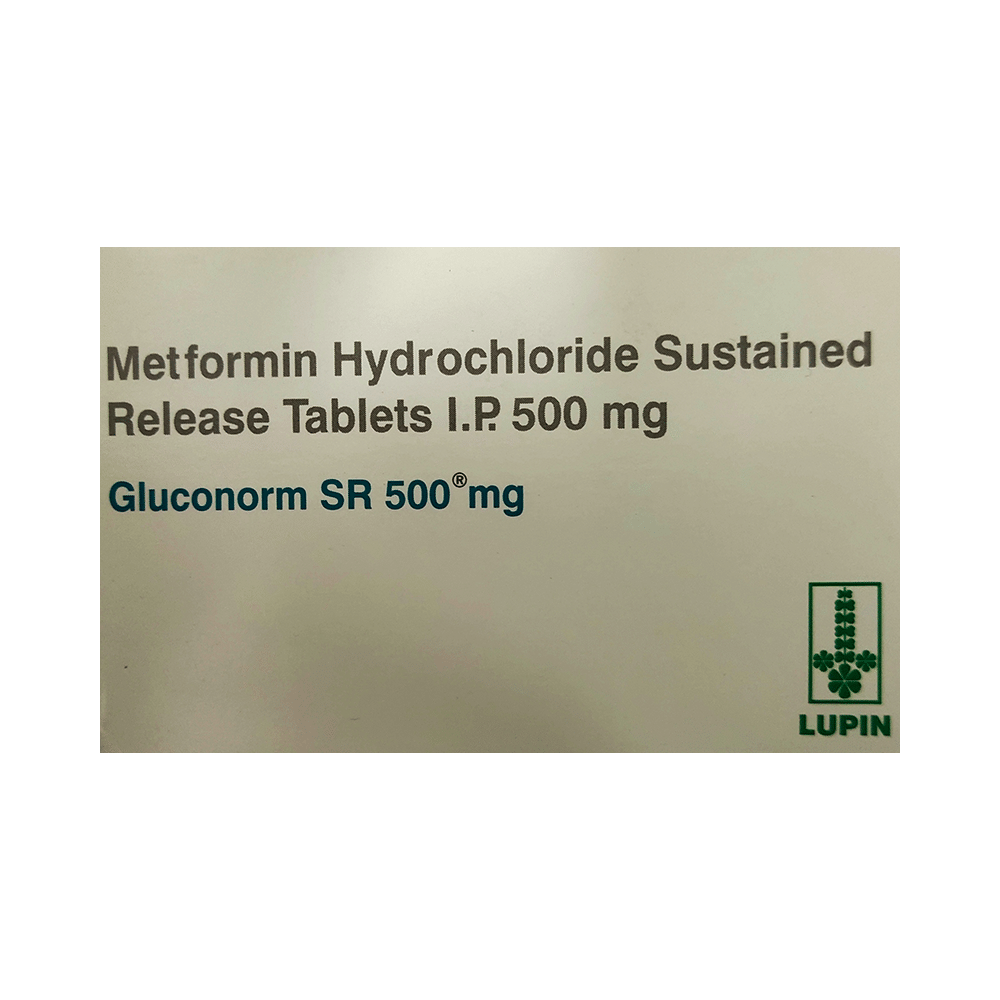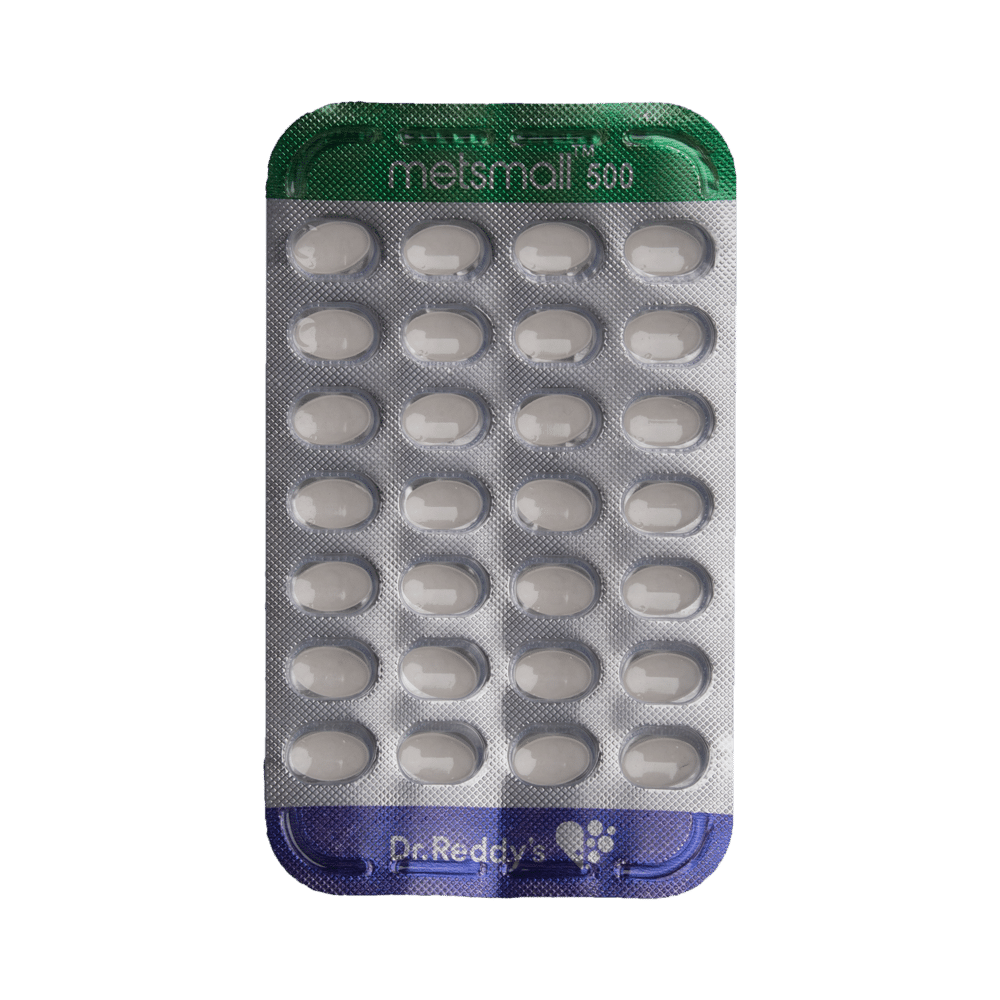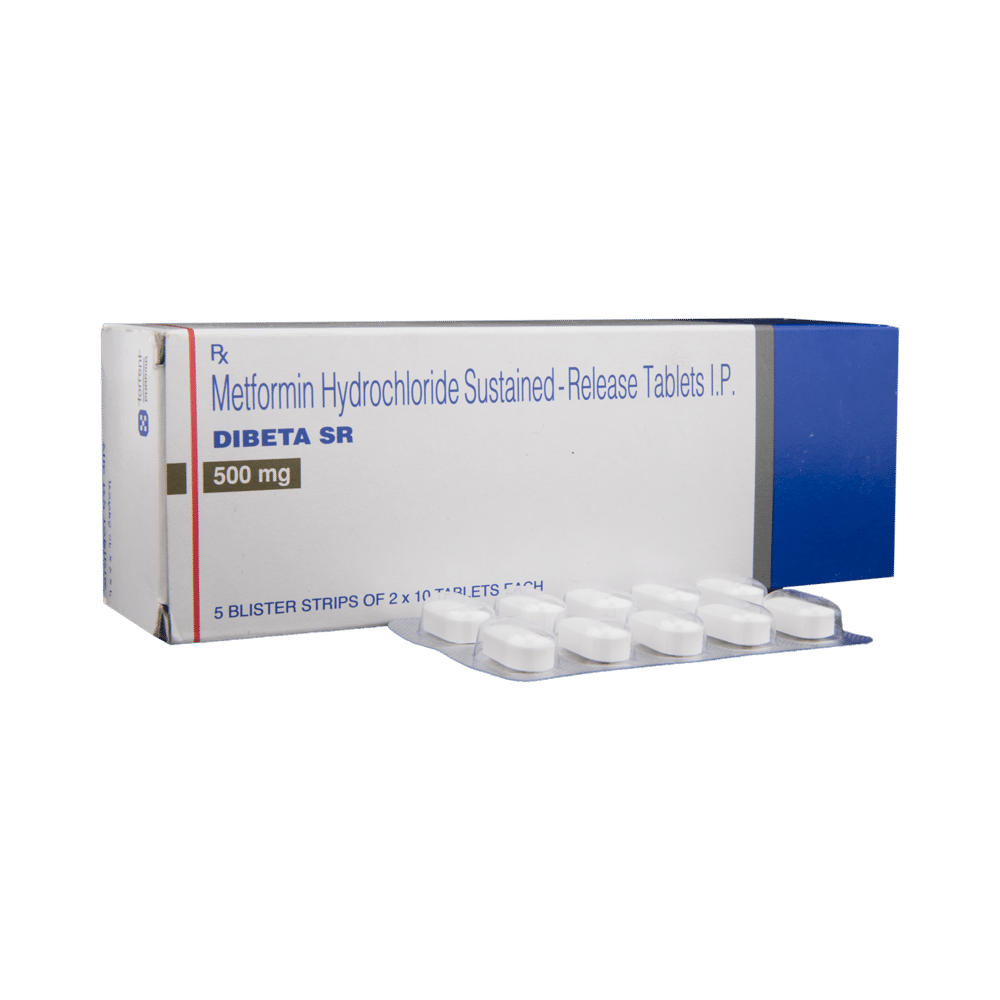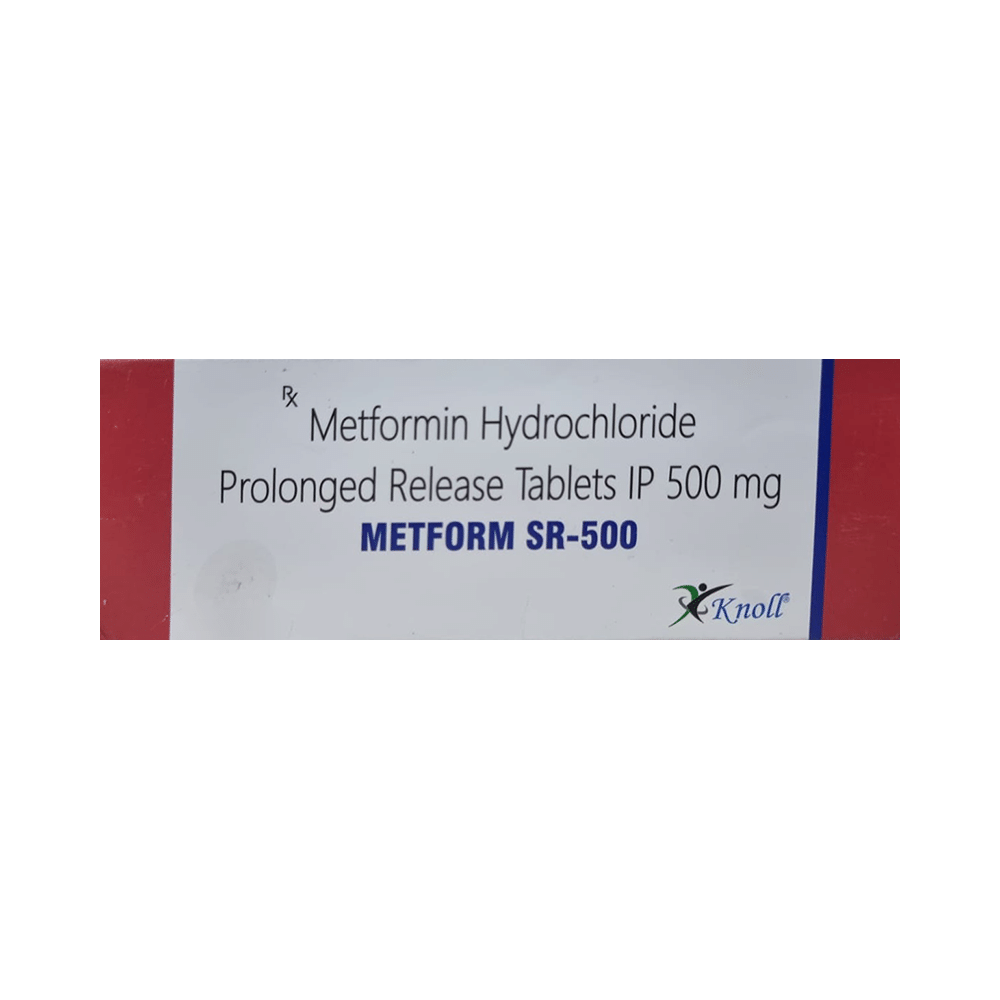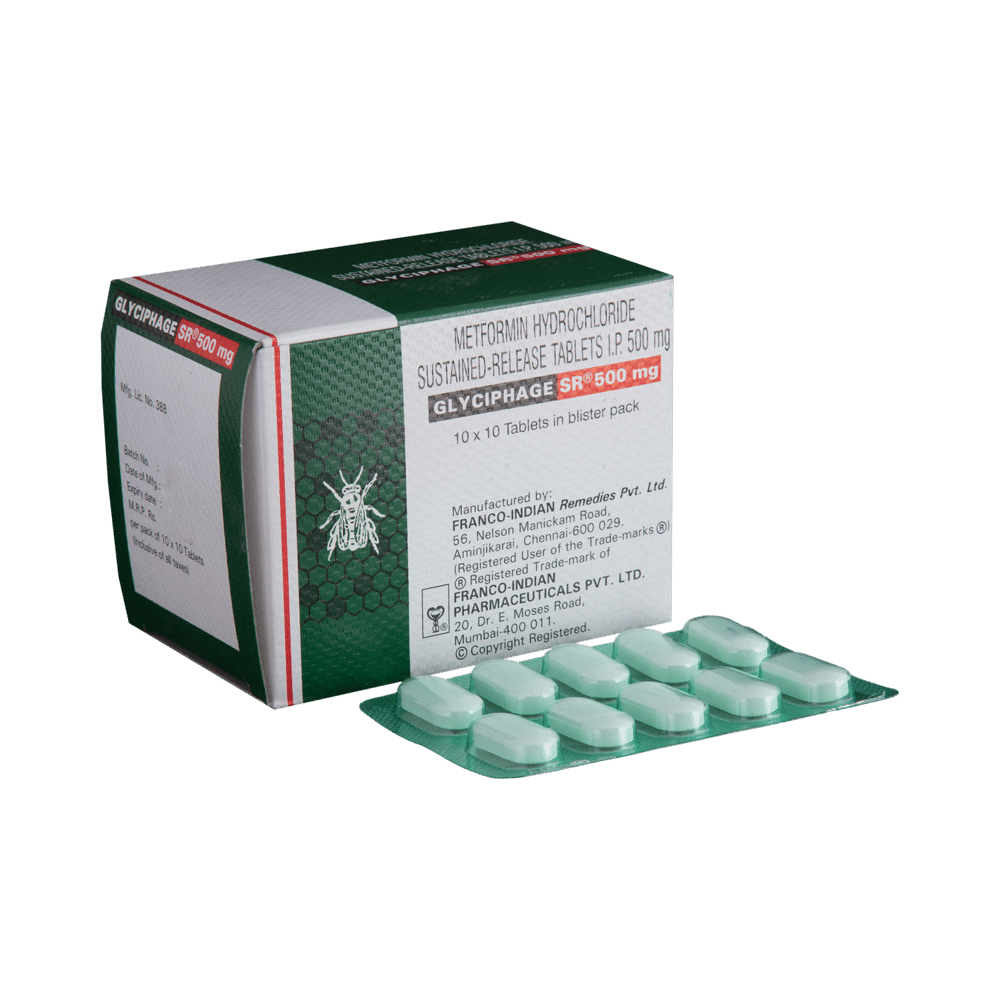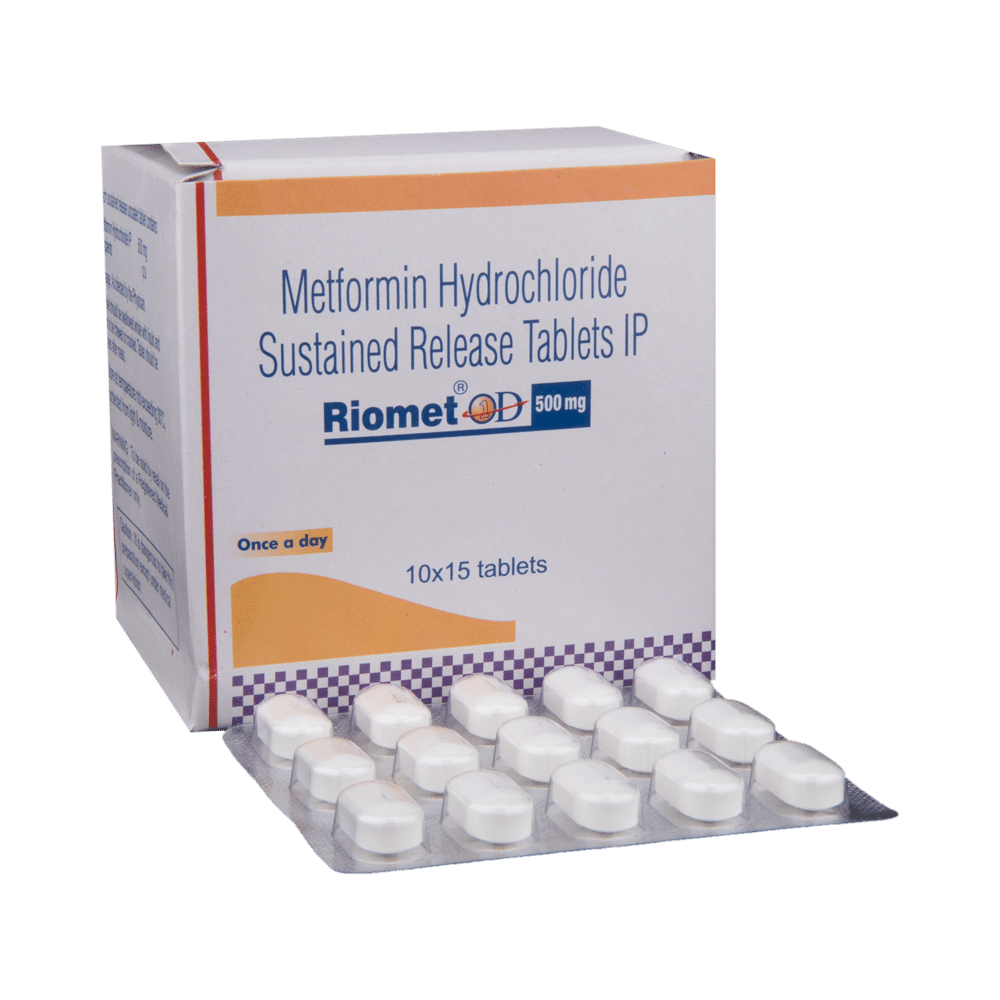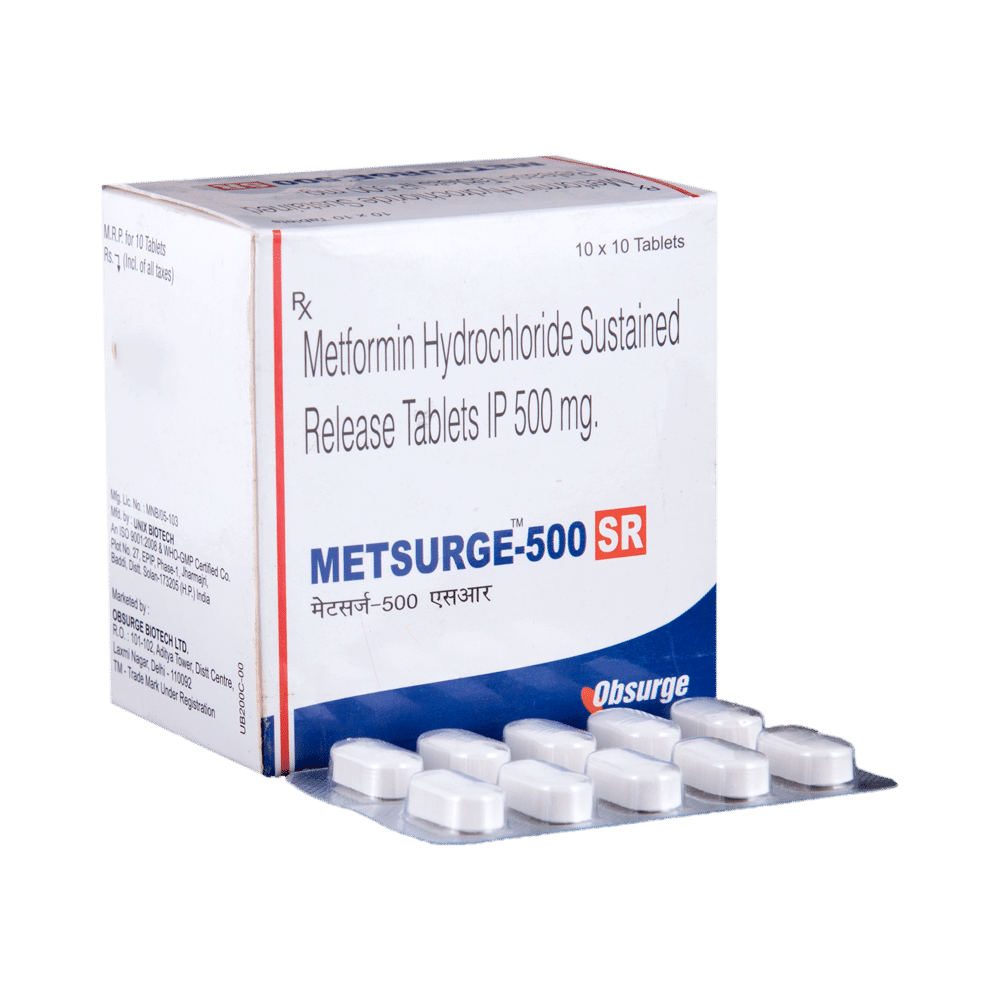
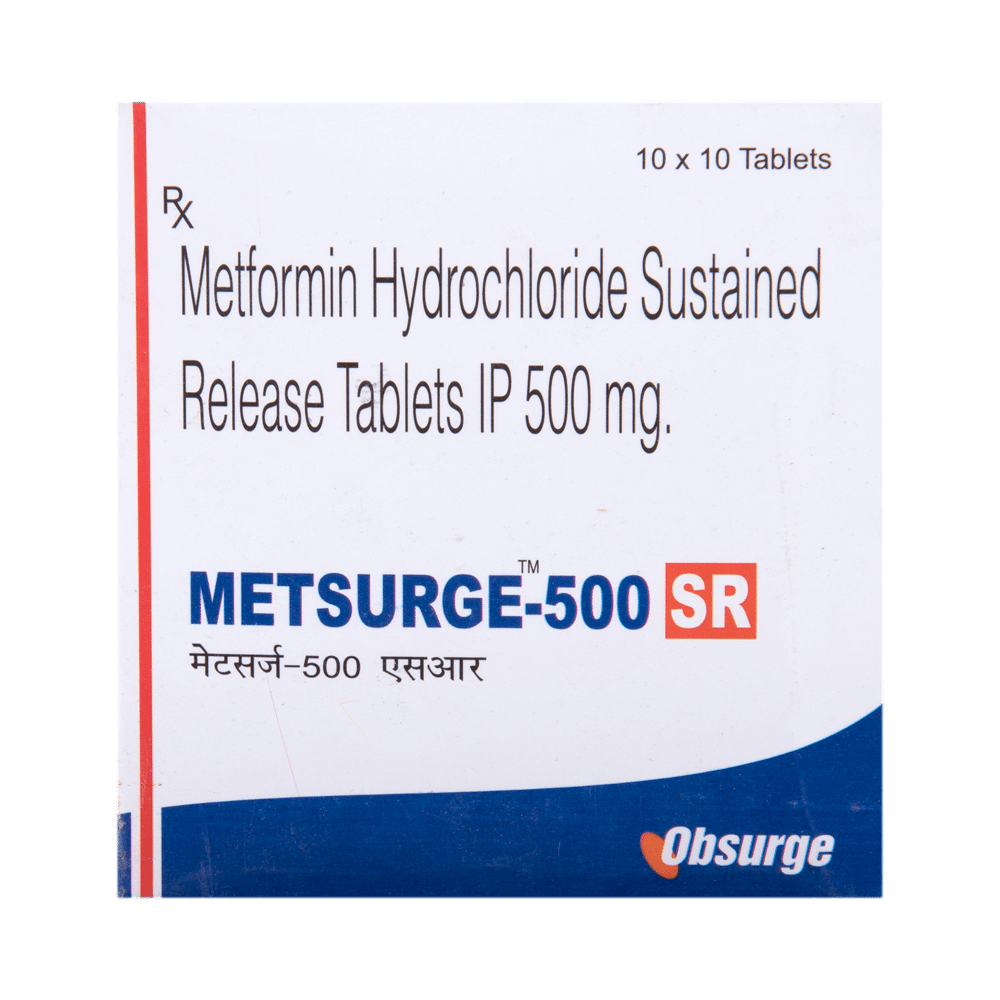
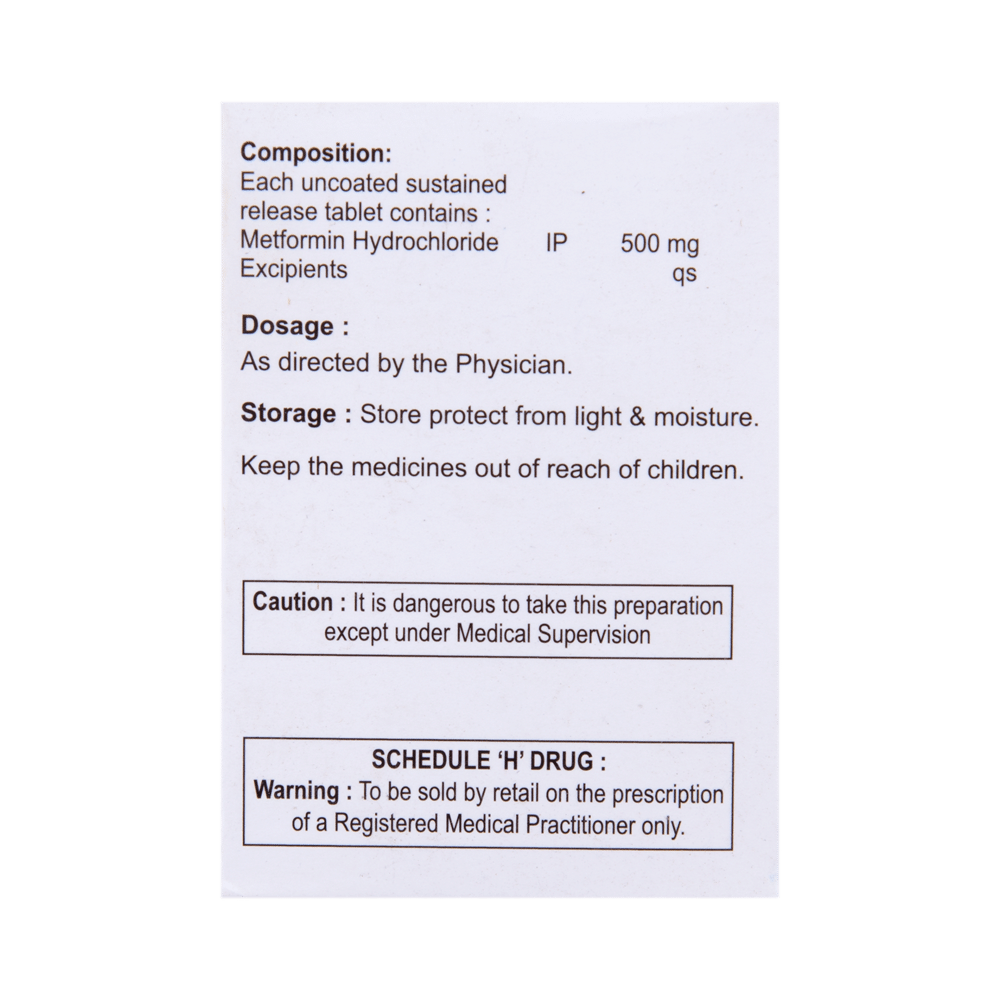

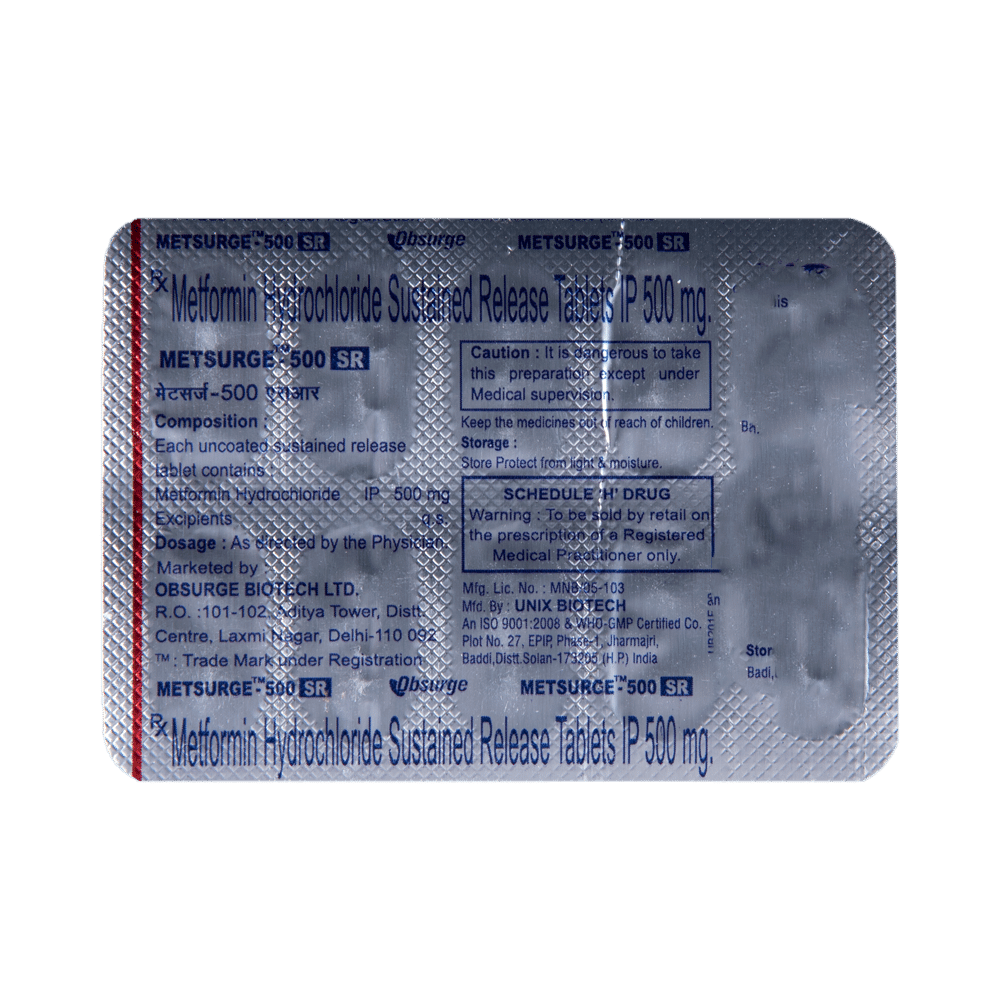
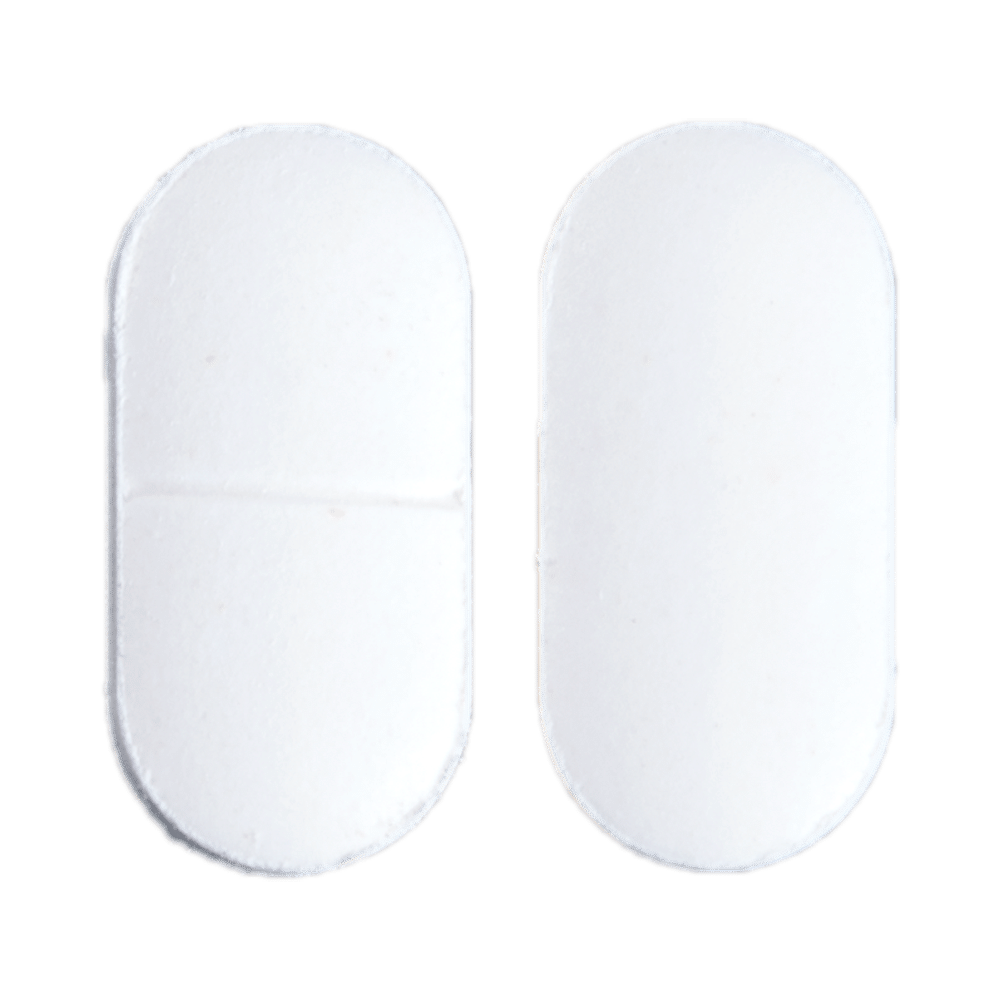
Metsurge 500 SR Tablet
1 Strip of 10 Tablets.Prescription required
About this product:
| Salt Composition: | Metformin (500mg) |
| Manufacturer: | Obsurge Biotech Ltd |
| Storage: | Below 25 degree celcius |
Out of Stock
Have doubts about this medicine?
Have doubts about this medicine?
Metsurge 500 SR Tablet is a medicine used to treat type 2 diabetes mellitus and Polycystic ovary syndrome (PCOS) in women, helping to control blood sugar levels and prevent complications. Metsurge 500 SR Tablet is an anti-diabetic medication used to treat type 2 diabetes mellitus and Polycystic ovary syndrome (PCOS) in women. It helps control blood sugar levels and prevent serious complications of diabetes. It is also used to treat a menstruation-related disorder known as Polycystic ovary syndrome (PCOS) in women.
Metsurge 500 SR Tablet is an anti-diabetic medication (biguanide). It works by lowering glucose production in the liver, delaying the absorption of sugar (glucose) from the intestines, and increasing the body's sensitivity to insulin.
What is the function of Metsurge 500 SR Tablet?
People with type 2 diabetes struggle to make enough insulin or respond effectively to the insulin they produce. This leads to elevated blood sugar levels (glucose). Metsurge 500 SR Tablet works in several ways to help manage these elevated blood sugar levels: it reduces glucose production from the liver, decreases absorption of glucose from the intestine after meals, and improves how well the body responds to insulin.
Does Metsurge 500 SR Tablet cause weight loss?
Yes, Metsurge 500 SR Tablet has been linked to some weight loss. It may lead to modest weight loss in individuals who are overweight or obese, and those at risk for diabetes. In some cases, it can contribute to weight loss due to improved insulin sensitivity.
What are the advantages of taking Metsurge 500 SR Tablet?
Metsurge 500 SR Tablet is one of the first medications prescribed for high blood sugar levels. It helps control blood glucose, enhances the body's response to insulin produced by the pancreas, decreases the amount of sugar made in the liver, and reduces the absorption of sugar from the intestines. Unlike some other oral antidiabetic drugs, Metsurge 500 SR Tablet typically does not cause significant low blood sugar. Additionally, it helps manage weight gain.
Can Metsurge 500 SR Tablet lead to drowsiness?
Metsurge 500 SR Tablet is usually well tolerated and rarely causes drowsiness. However, use of the medication might occasionally result in sleep problems or insomnia. Drowsiness could potentially be a sign of lactic acidosis, which is a serious side effect that can occur if your kidneys are not functioning properly. If you experience excessive tiredness or sleepiness while taking Metsurge 500 SR Tablet, consult your doctor immediately.
How should I take Metsurge 500 SR Tablet?
Take Metsurge 500 SR Tablet with a meal. Do not crush or chew the tablets and swallow them with a glass of water. If your doctor has prescribed one tablet daily, take it in the morning before breakfast. If you are being given two tablets per day, take one in the morning and the other at dinner. If you are taking three doses a day, consider taking one dose during lunch, the second at dinner.
What are some possible side effects of Metsurge 500 SR Tablet?
While generally well tolerated, it's important to be aware of potential side effects. Some individuals might experience digestive discomfort like indigestion, nausea, vomiting, diarrhea, stomach aches or loss of appetite. If any of these occur, contact your doctor.
Take this medicine in the dose and duration as advised by your doctor. Swallow it as a whole. Do not chew, crush or break it. Metsurge 500 SR Tablet is to be taken with food.
- You have been prescribed Metsurge 500 SR Tablet to control the blood sugar level and reduce the risk of diabetic complications such as heart attacks.
- Hypoglycemia (low blood sugar level) may occur when taken along with other antidiabetic medicines, alcohol or on delaying/skipping a meal. Carry a sugar source with you for immediate relief.
- Tell your doctor immediately if you experience any deep or rapid breathing, persistent nausea, vomiting, and stomach pain as Metsurge 500 SR Tablet may cause a rare but serious condition called lactic acidosis, which is an excess of lactic acid in the blood.
- Prolonged use of Metsurge 500 SR Tablet may lead to vitamin B12 deficiency which may lead to anemia, causing fatigue, pale skin, shortness of breath or headache. Notify your doctor if you experience any of these as you may require supplements.
- Your doctor will monitor your blood sugar levels and kidney functions regularly while you are taking this medication.
- No common side effects listed.

Alcohol
It is unsafe to consume alcohol with Metsurge 500 SR Tablet.

Breastfeed
Metsurge 500 SR Tablet should be used with caution during breastfeeding. Breastfeeding should be held until the treatment of the mother is completed and the drug is eliminated from her body.

Pregnancy
Metsurge 500 SR Tablet is generally considered safe to use during pregnancy. Animal studies have shown low or no adverse effects to the developing baby; however, there are limited human studies.