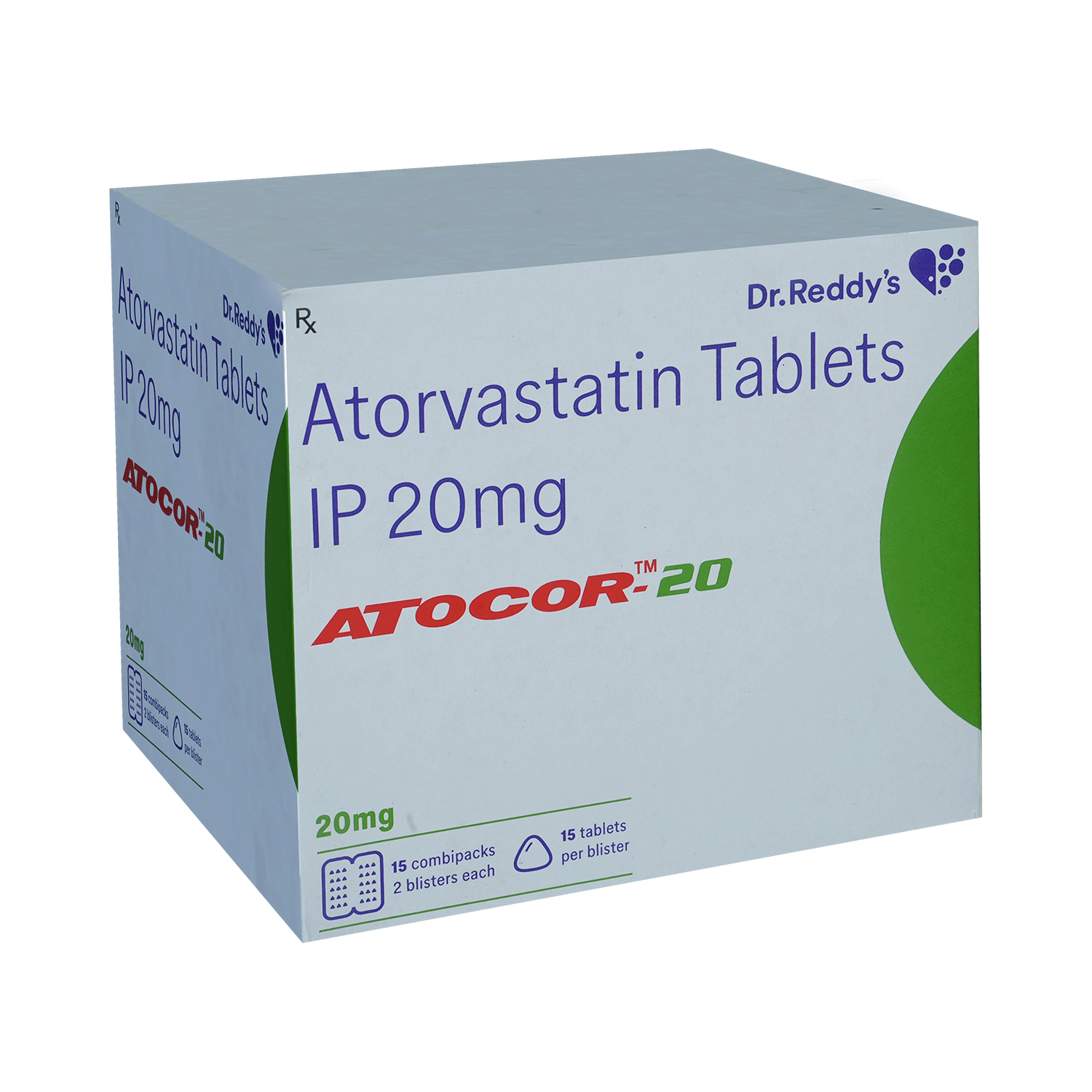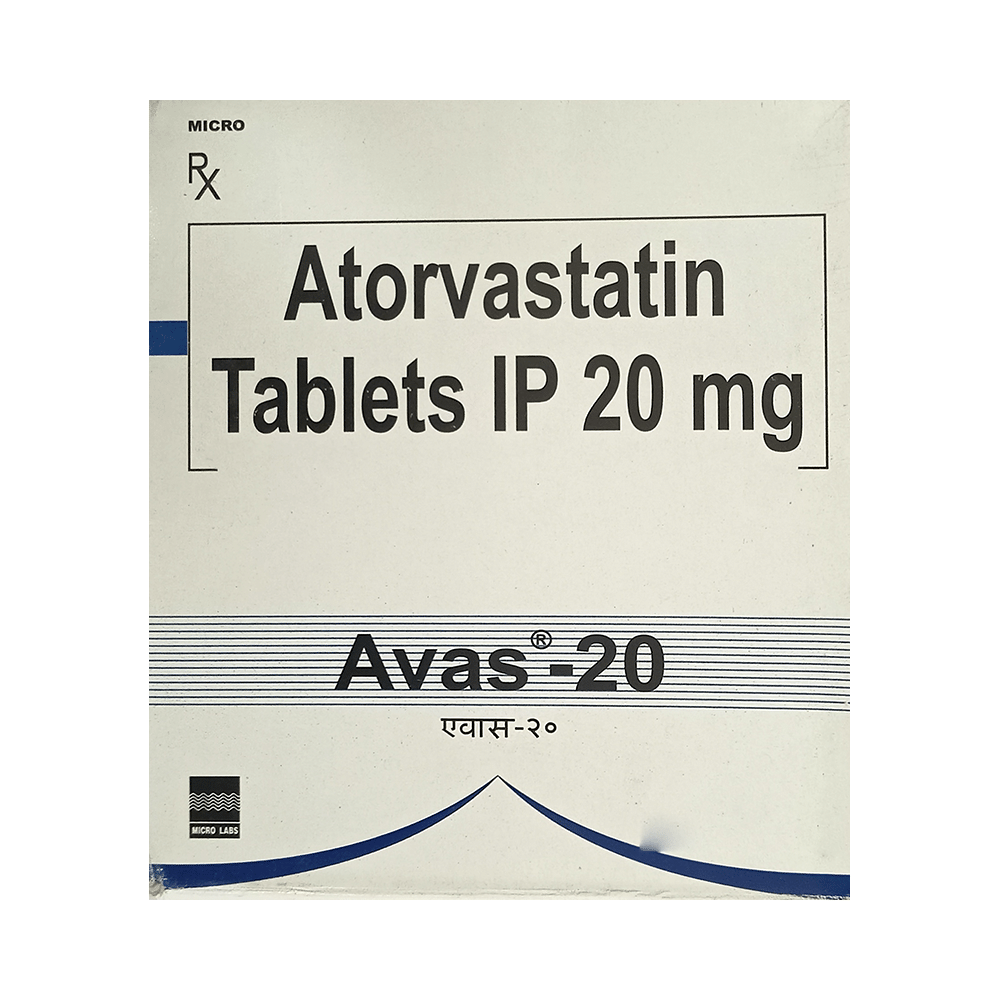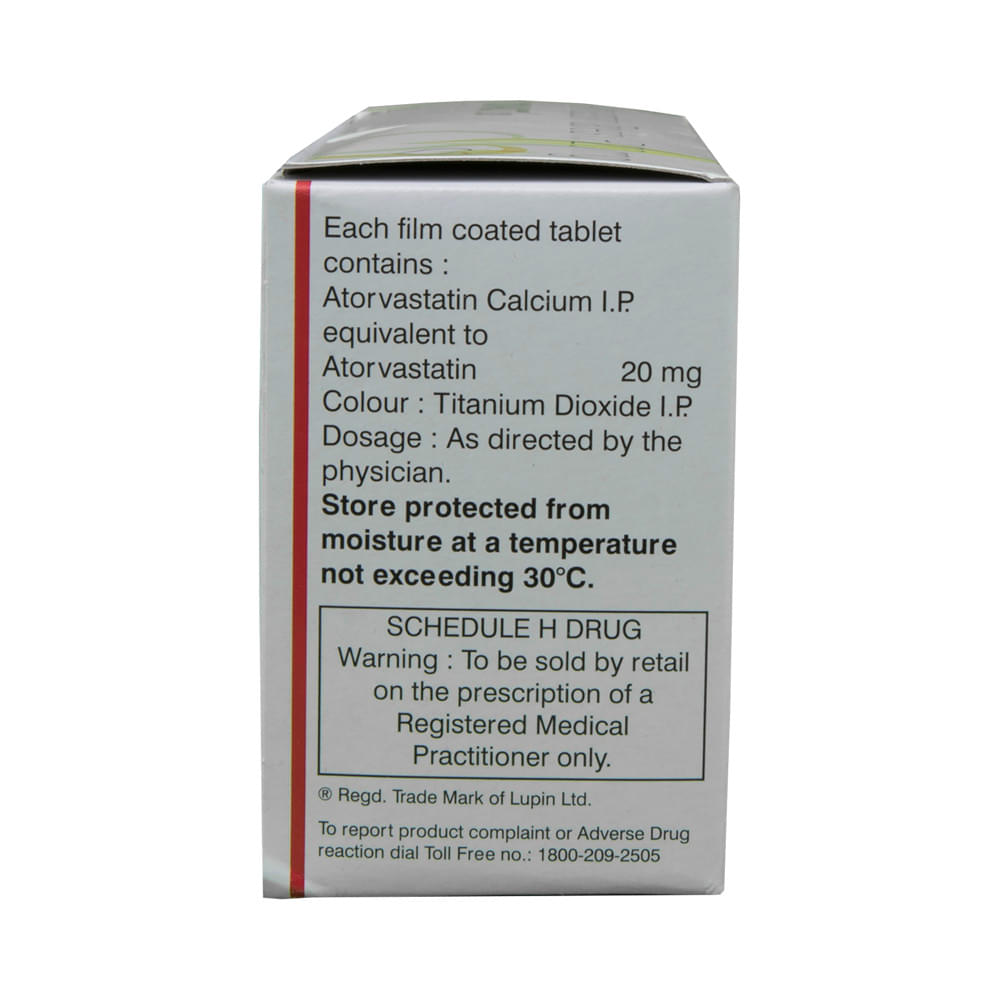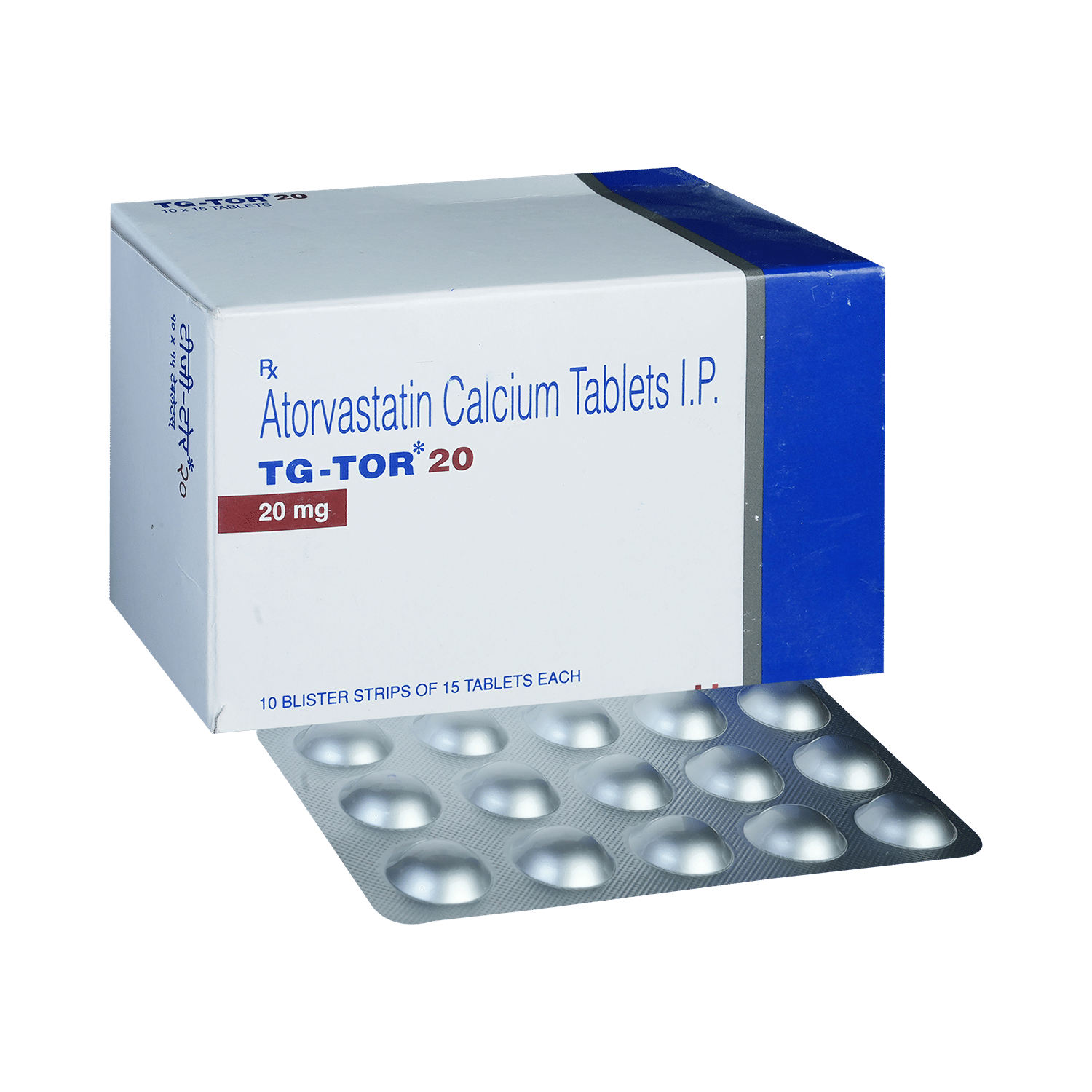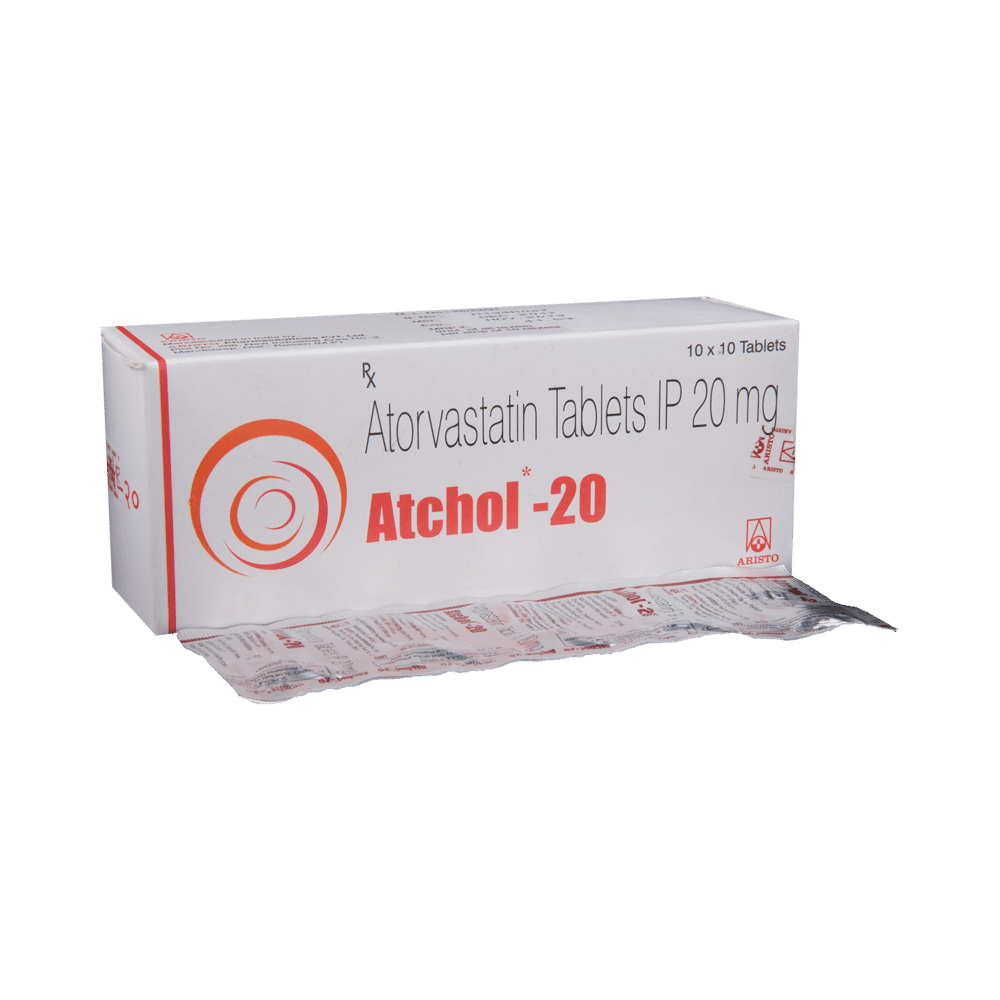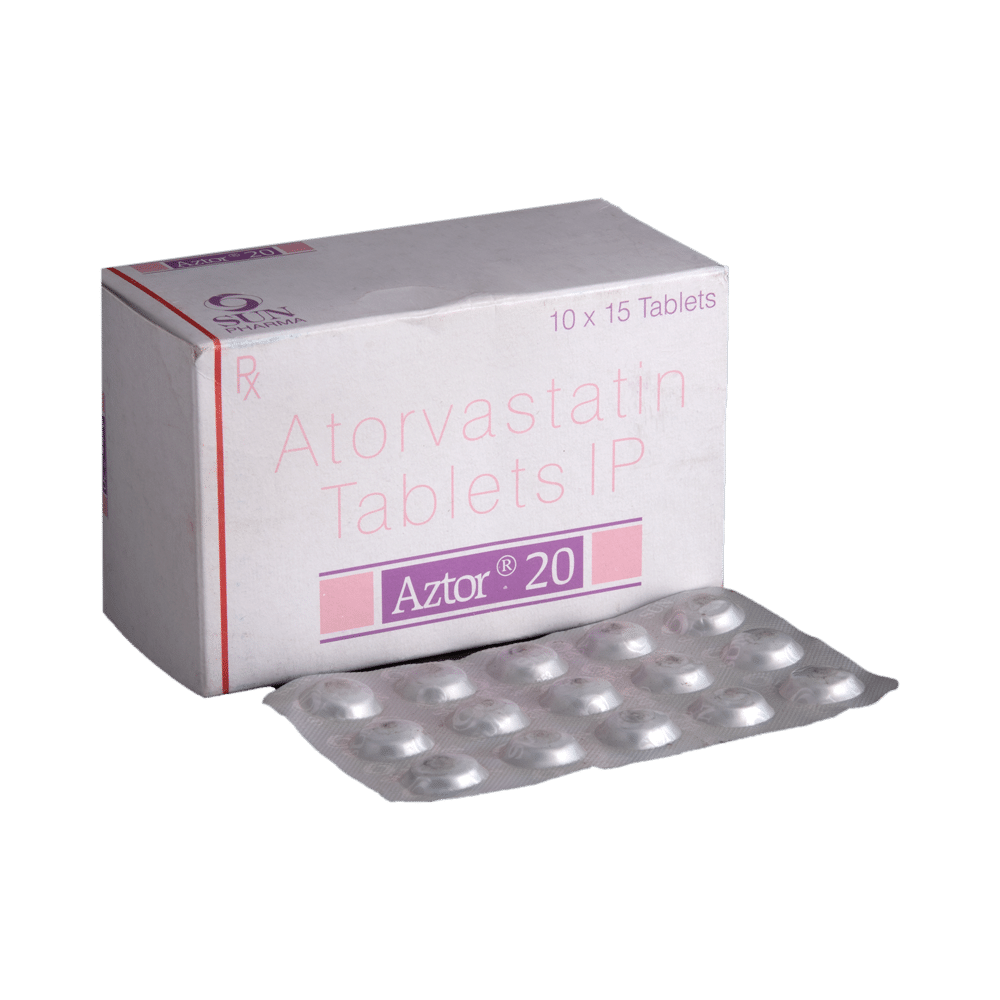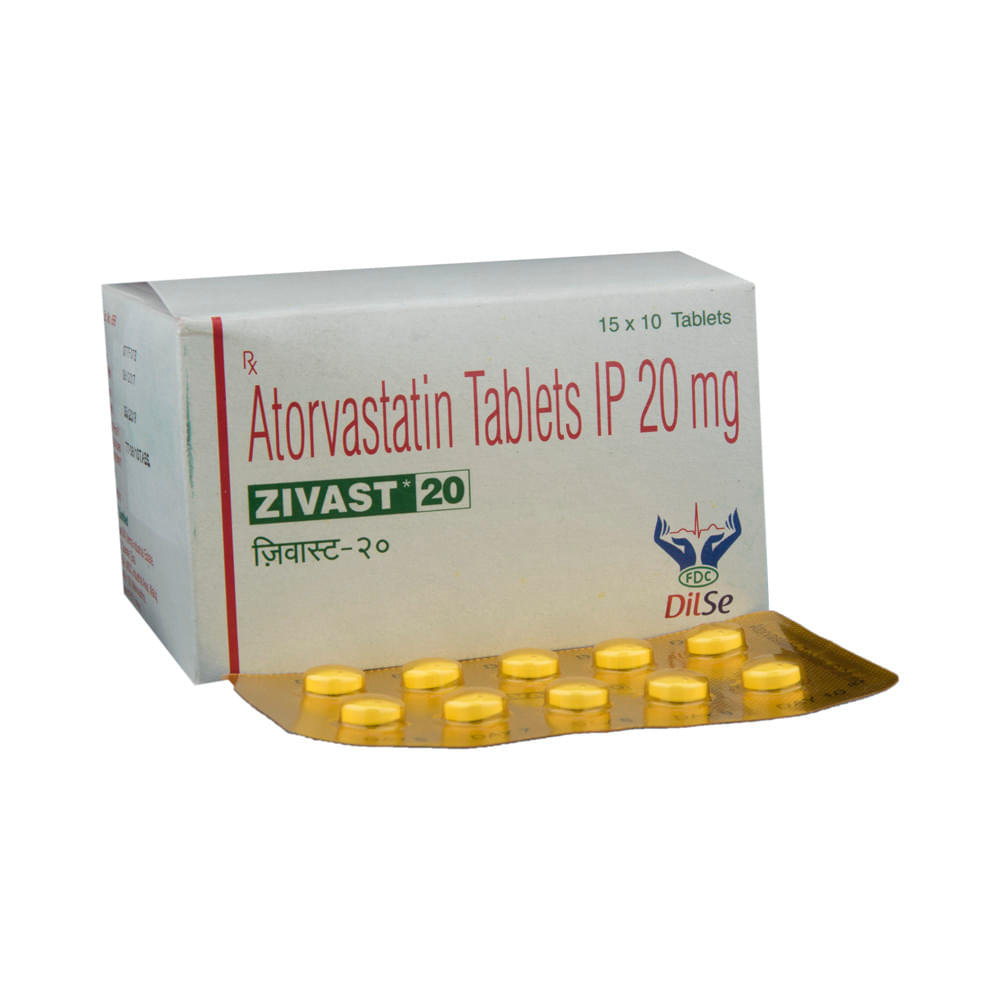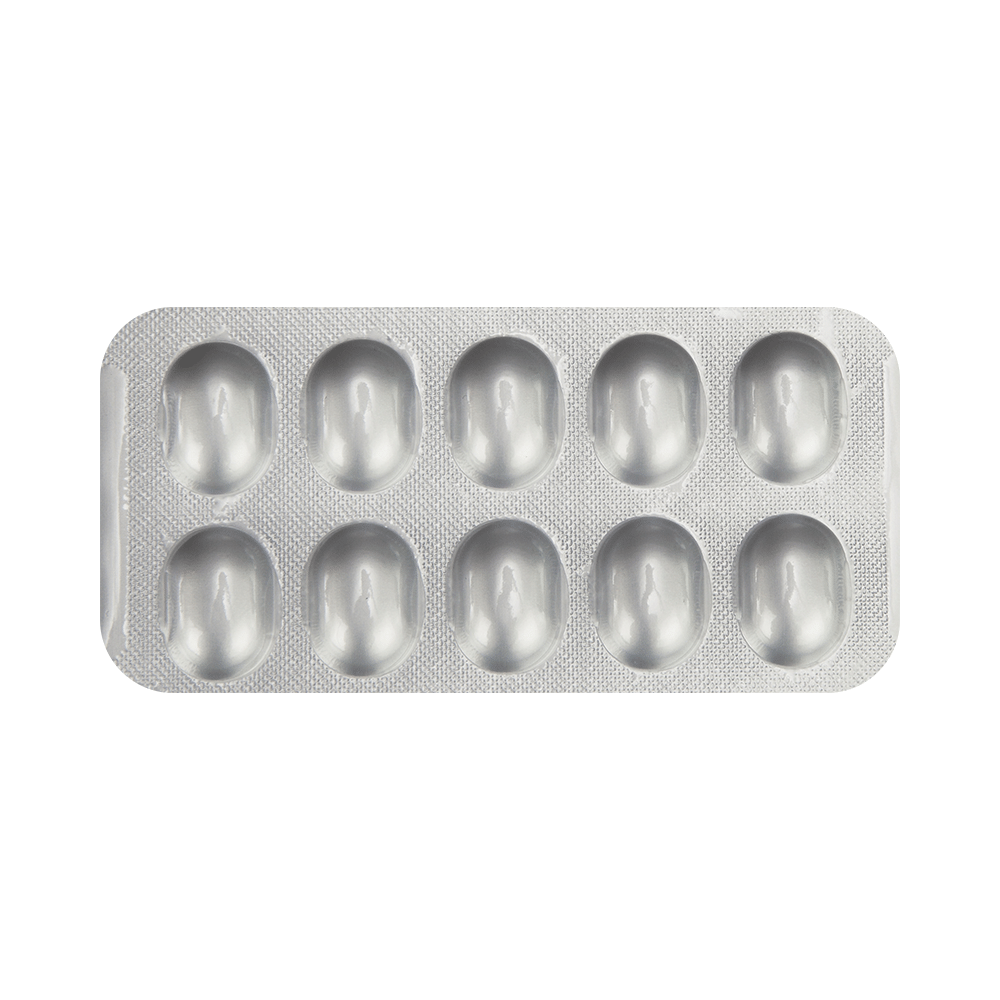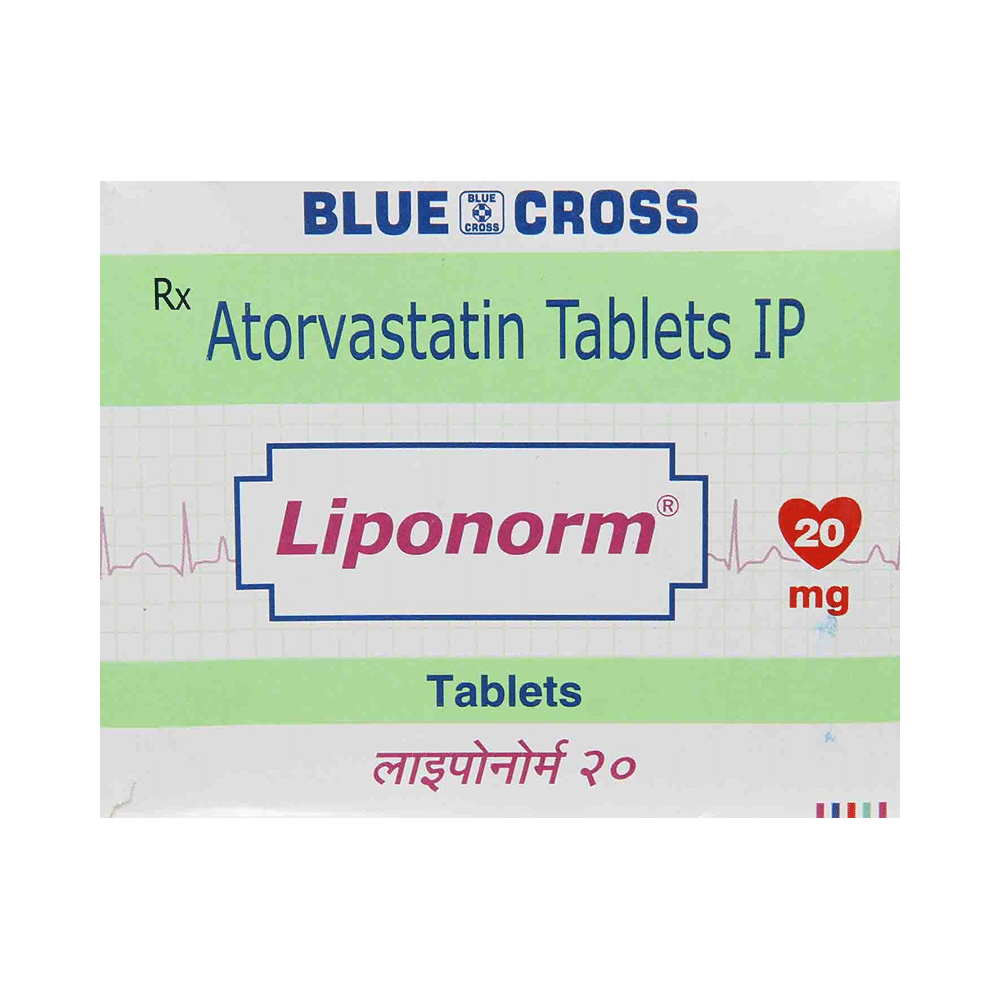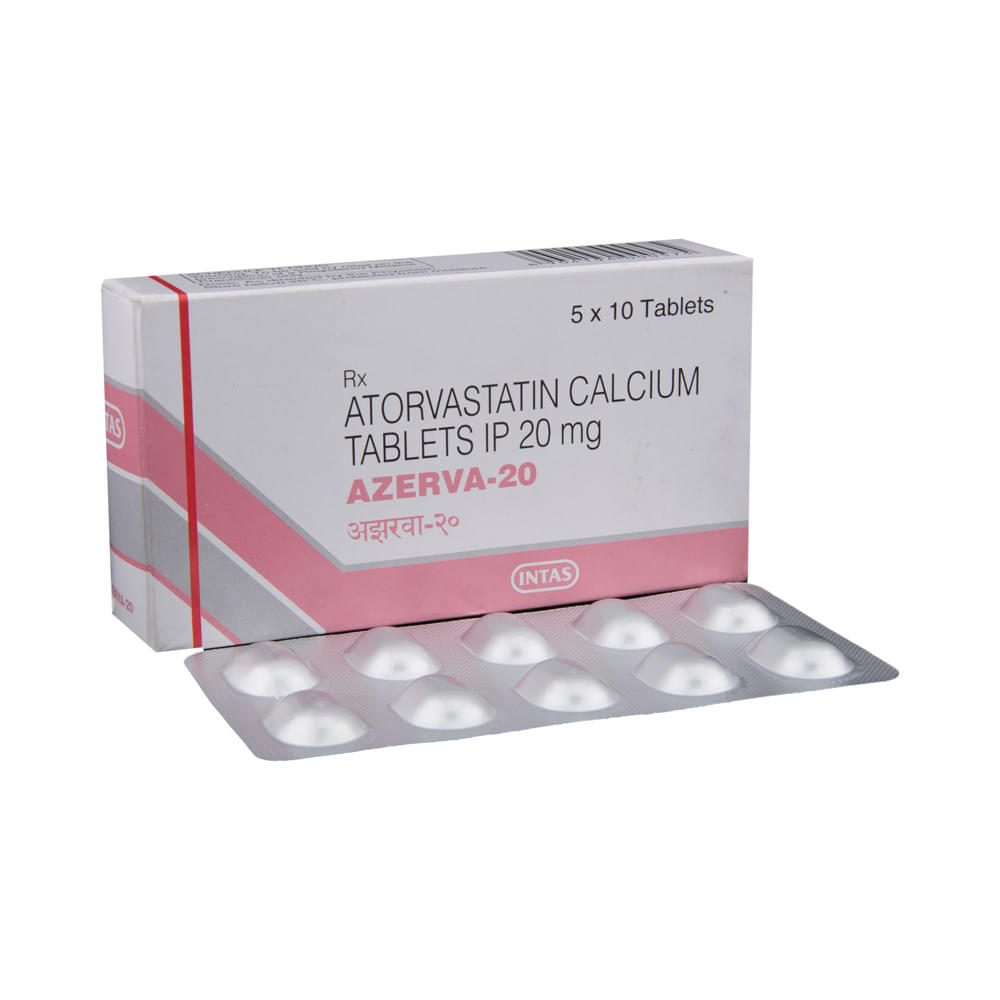
Lipina 20 Tablet
strip of 10.0 tablets.Prescription required
About this product:
| Salt Composition: | Atorvastatin (20mg) |
| Manufacturer: | West-Coast Pharmaceutical Works Ltd |
| Storage: | Below 25 degree celcius |
Out of Stock
Have doubts about this medicine?
Have doubts about this medicine?
Lipina 20 Tablet belongs to a group of medicines called statins. It is used to lower cholesterol and to reduce the risk of heart diseases. Lipina 20 Tablet is a widely prescribed medicine and is regarded as safe for long-term use when taken as per the doctor's advice. It can be taken with a meal or on an empty stomach. You can take it at any time of the day but try to take it at about the same time each day. Most people with high cholesterol do not feel ill but stopping your medicine may increase your cholesterol levels thereby increasing your risk of heart disease and stroke. It is important to have your cholesterol levels checked regularly. This medicine is only one part of the treatment program which should also include a healthy diet, regular exercise, smoking cessation, moderation of alcohol intake, and weight reduction. You can eat normally while taking this medicine but try to avoid foods that are high in fat. Common side effects of this medicine include constipation, flatulence, dyspepsia, and abdominal pain. These are usually mild and disappear after a short time. Consult your doctor if they persist or if you notice any yellowing of your eyes or get repeated or unexplained muscle pains. This medicine should not be used in some conditions such as liver disease. Also, pregnant women and breastfeeding mothers should not take this medicine as it may harm the developing baby. Diabetic patients should monitor their blood sugar levels while taking this medicine as it may lead to an increase in blood sugar levels. Your doctor may check your liver function before starting the treatment and monitor it regularly thereafter.
Lipina 20 Tablet is a lipid-lowering medication (statin). It works by blocking an enzyme (HMG-CoA-reductase) that is required in the body to make cholesterol. It thus lowers 'bad' cholesterol (LDL) and triglycerides, raising the level of 'good' cholesterol (HDL).
What should I know about high cholesterol?
Cholesterol is a type of fat found in your blood. Total cholesterol is the amount of both LDL and HDL cholesterol in your body. LDL cholesterol, also known as 'bad' cholesterol, can build up on the walls of your blood vessels and slow or block blood flow to your heart, brain, and other organs. This can increase the risk of heart disease and stroke. HDL cholesterol, also known as 'good' cholesterol, helps prevent bad cholesterol from building up in your blood vessels. High levels of triglycerides are also harmful to your health.
Can Lipina 20 Tablet cause muscle problems or muscle injury?
Yes, taking Lipina 20 Tablet can potentially cause muscle problems or muscle injuries. This is because it reduces oxygen supply to the muscles which can lead to fatigue, muscle pain, tenderness, or weakness. The soreness may be significant enough to interfere with your daily activities. Do not take Lipina 20 Tablet lightly and consult your doctor about ways to prevent this and avoid making it worse.
Is Lipina 20 Tablet used for lowering cholesterol?
Lipina 20 Tablet belongs to a group of medications called statins, which help lower the levels of lipids or fats in your body. Lipina 20 Tablet is used to lower levels of cholesterol and triglycerides in the blood when diet and lifestyle changes are not enough to bring down these lipid levels. If you are at increased risk for heart disease, Lipina 20 Tablet can also be used to reduce that risk, even if your cholesterol levels are normal. You should maintain a standard cholesterol-lowering diet during treatment.
Can Lipina 20 Tablet be prescribed to children?
Lipina 20 Tablet is for adults and children aged 10 years or older whose cholesterol levels do not come down enough with exercise and a low-fat diet. It is not approved for use in patients younger than 10 years old.
Can I take alcohol with Lipina 20 Tablet?
It is not advised to take alcohol with Lipina 20 Tablet. This is because the risk of liver problems increases if you drink alcohol while taking this medicine. Moreover, there is a significant increase in triglyceride levels if Lipina 20 Tablet is taken along with alcohol. This can further lead to liver damage and worsen some side effects such as muscle pain, muscle weakness, and tenderness. People with liver problems should therefore not take Lipina 20 Tablet without consulting their doctor. They should also refrain from consuming alcohol while taking this medicine for optimal benefit.
Does Lipina 20 Tablet make you tired?
Yes, Lipina 20 Tablet can make you feel tired. This is because it reduces the energy supply to your muscles. However, the exact reason behind this phenomenon is unknown and requires further research. Tiredness usually occurs after exertion. Generalized fatigue is more often seen in people with heart disease or those suffering from liver illness. Lipina 20 Tablet also causes muscle damage which further worsens the tiredness. Therefore, it's important to consult your doctor if you feel tired while taking Lipina 20 Tablet.
What are the most common side effects of Lipina 20 Tablet?
Some common side effects include nausea, indigestion, constipation, flatulence, diarrhea, headache, and aches and pains in your back and joints. It can also cause nosebleeds, sore throat, and cold-like symptoms such as a runny nose, blocked nose, or sneezing.
Take this medicine in the dose and duration as advised by your doctor. Swallow it as a whole. Do not chew, crush or break it. Lipina 20 Tablet may be taken with or without food but it is better to take it at a fixed time.
- Take it with food if you experience diarrhea, gas or an upset stomach
- Inform your doctor if you experience fatigue, muscle weakness or muscle pain
- Your doctor may check your liver function before starting the treatment and regularly thereafter
- Inform your doctor if you have kidney disease, liver disease or diabetes before starting treatment with this medicine
- Do not take Lipina 20 Tablet if you are pregnant, planning a pregnancy or breastfeeding
- constipation
- flatulence
- dyspepsia
- abdominal pain

Alcohol
Caution is advised when consuming alcohol with Lipina 20 Tablet. Please consult your doctor.

Breastfeed
Lipina 20 Tablet is unsafe to use during breastfeeding. Data suggests that the drug may cause toxicity to the baby.

Pregnancy
Lipina 20 Tablet is highly unsafe to use during pregnancy. Seek your doctor's advice as studies on pregnant women and animals have shown significant harmful effects to the developing baby.