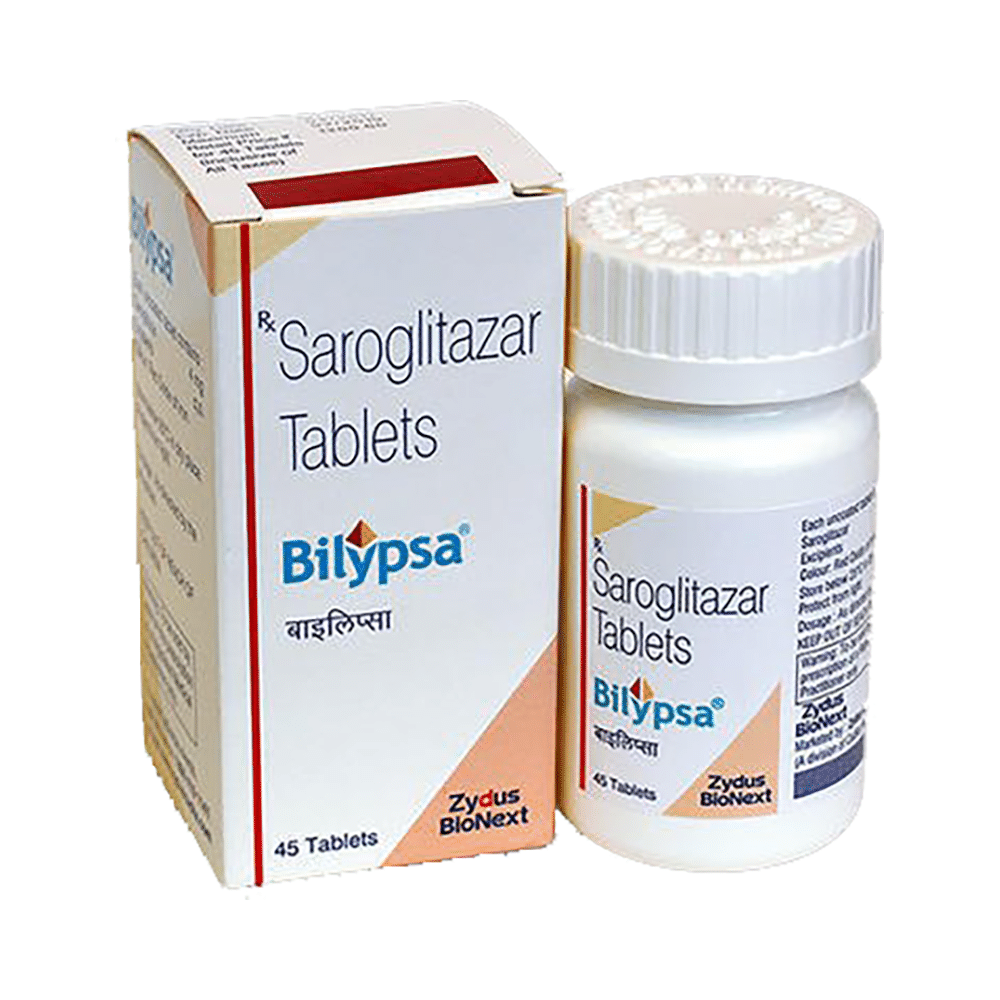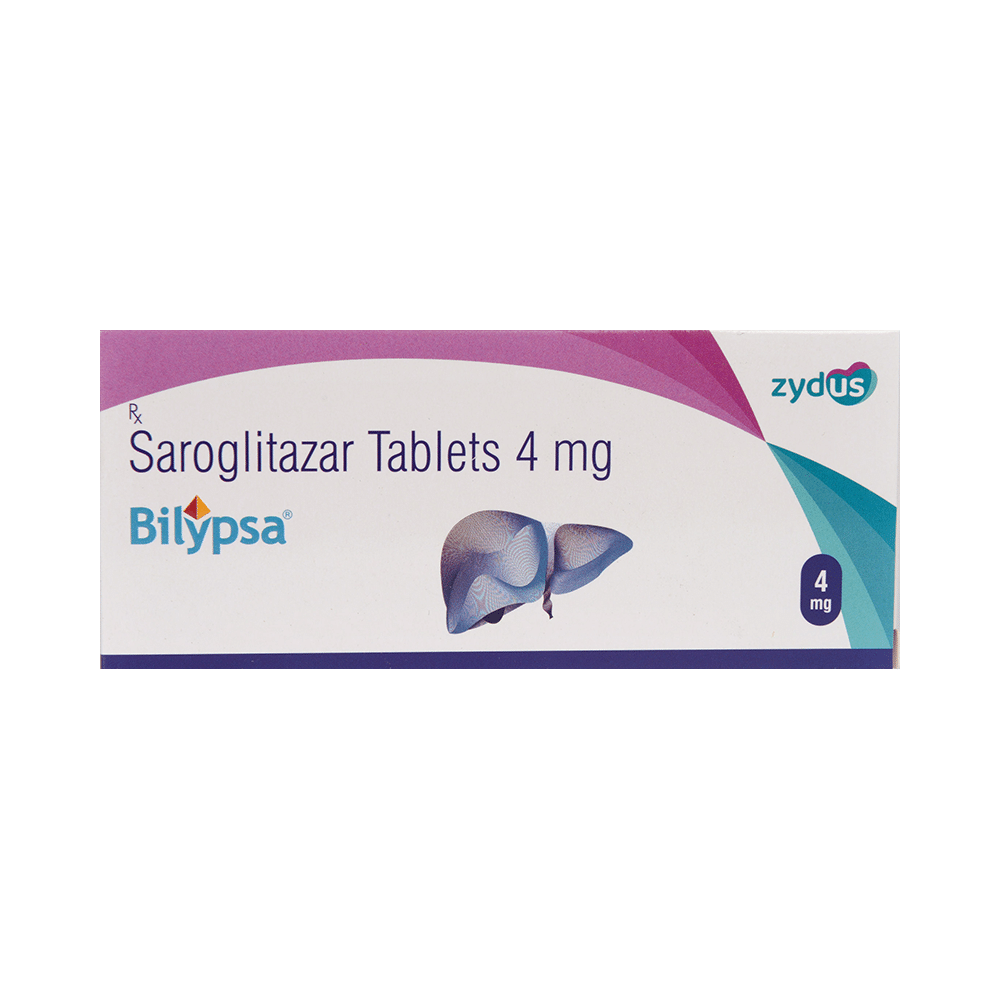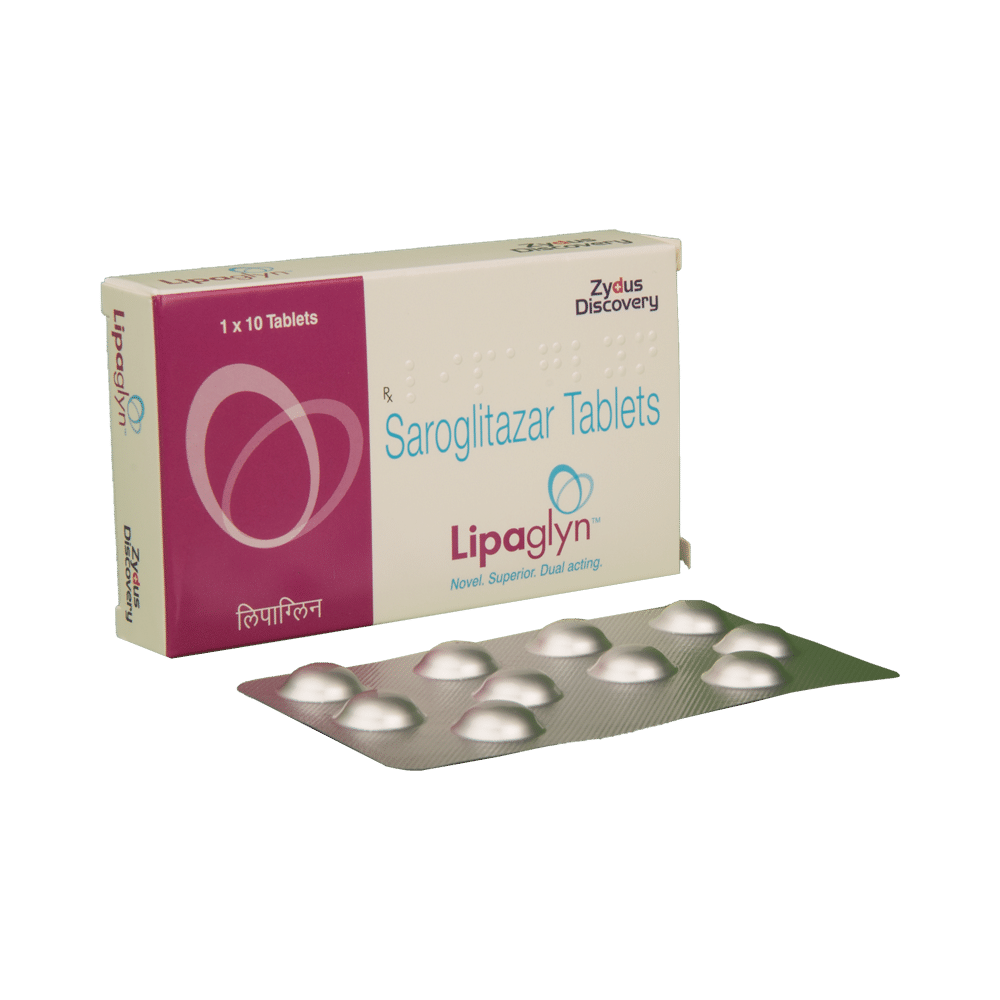
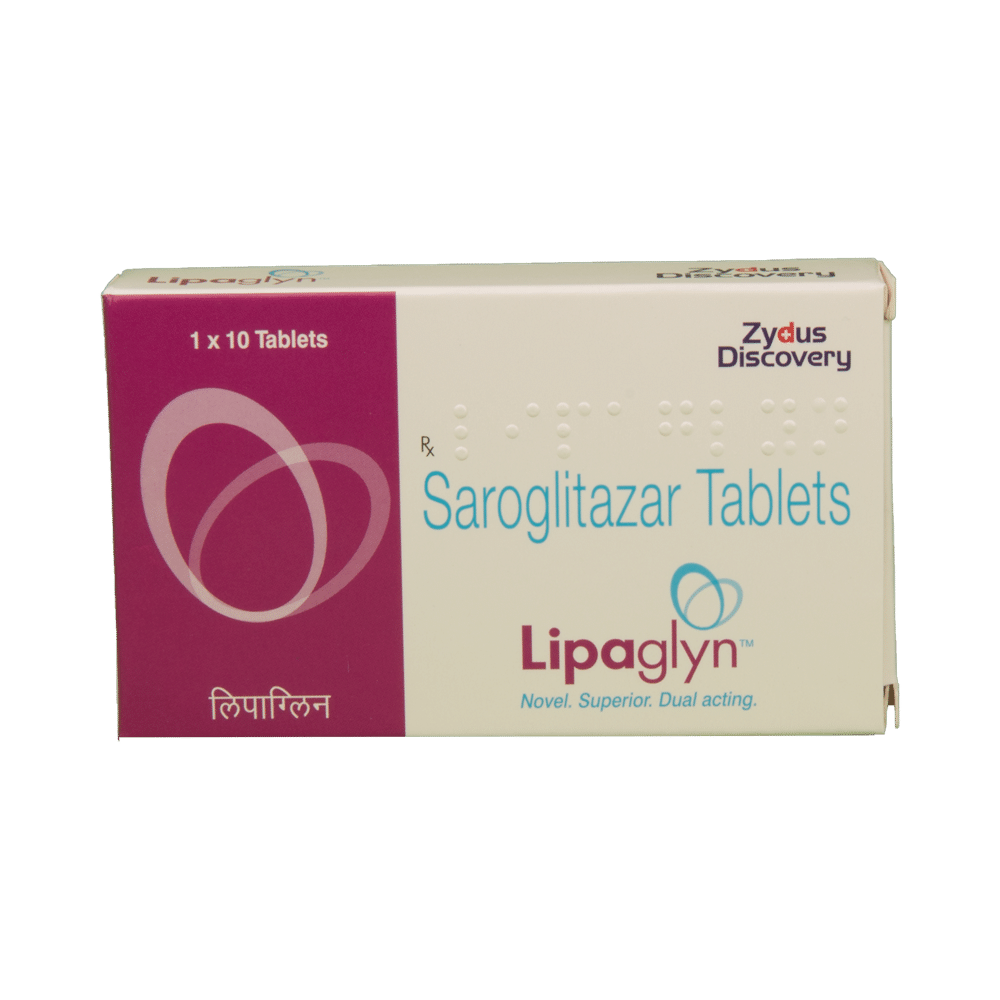
Lipaglyn Tablet
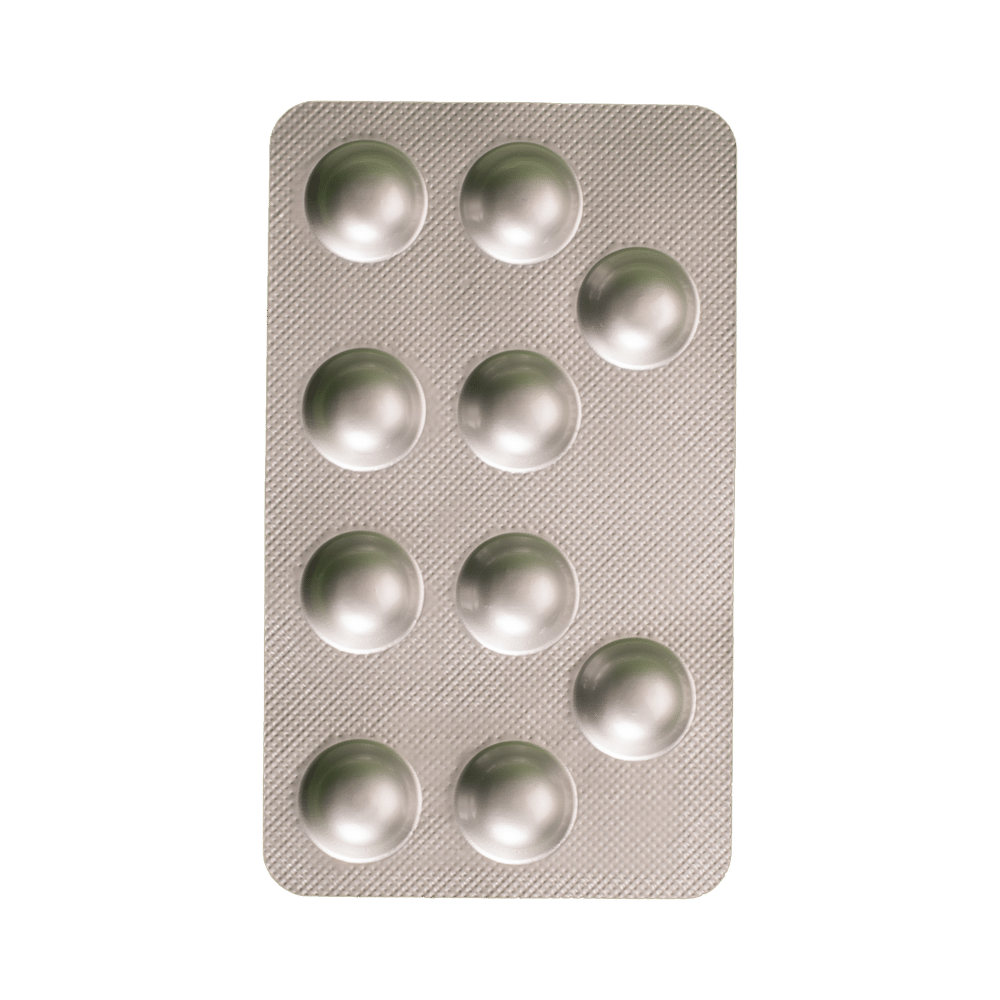
1 Strip of 10 Tablet.Prescription required
About this product:
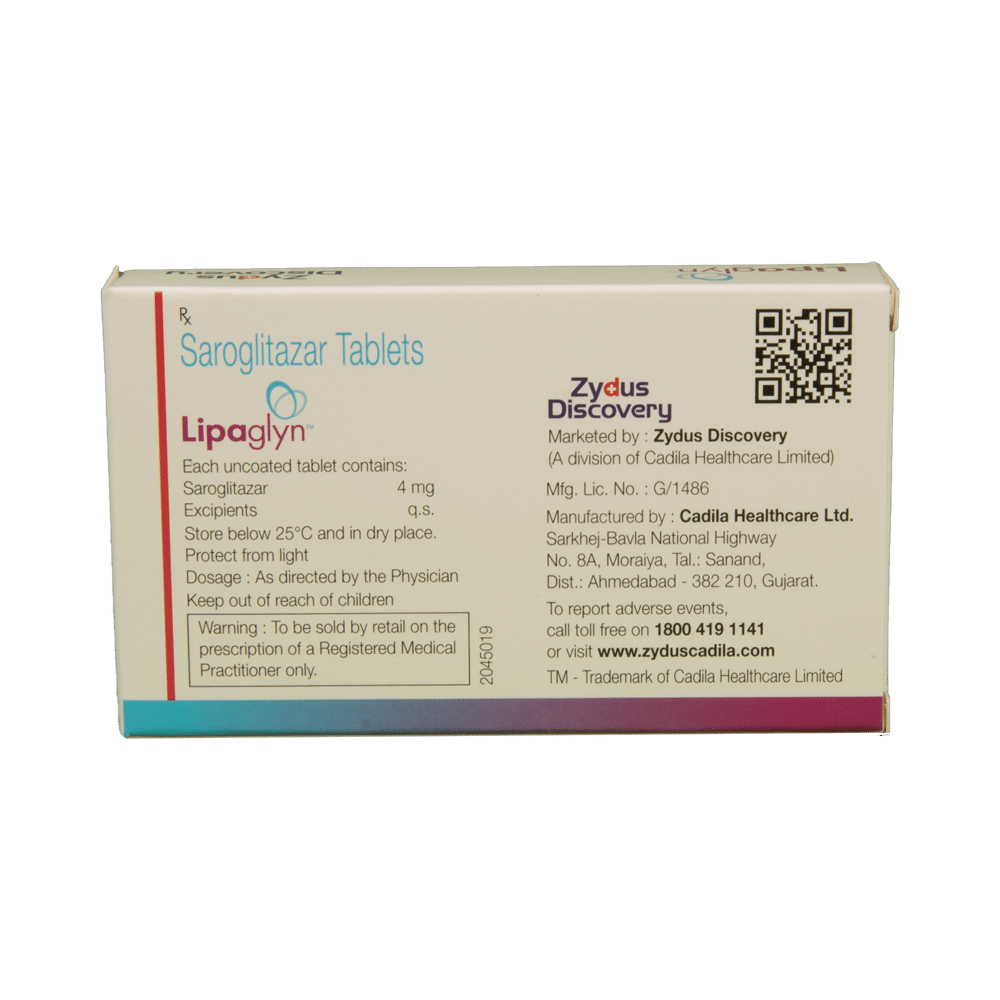
| Salt Composition: | Saroglitazar (4mg) |
| Manufacturer: | Zydus Cadila |
| Storage: | Below 25 degree celcius |
In Stock
Have doubts about this medicine?
Have doubts about this medicine?
Lipaglyn Tablet is a medicine used in the treatment of Noncirrhotic Non-Alcoholic Steatohepatitis, Non-alcoholic Fatty Liver Disease (NAFLD) with comorbidities, and high cholesterol in diabetes. Lipaglyn Tablet may be taken with or without food, at the same time each day, to get the most benefit. It is important to stay on the diet and exercise program recommended by your doctor while taking this medicine. Your lifestyle plays a big part in maintaining a healthy body weight, which will help protect your liver to a great extent. The most common side effects of this medicine are flatulence, indigestion, abdominal distension, increased body temperature, and weakness. These are usually not severe. Please consult your doctor if the side effects worry you or if they do not go away.
Lipaglyn Tablet contains Saroglitazar, a dual action peroxisome proliferator-activated receptor (PPAR) inhibitor that aids in the management of high cholesterol, especially triglycerides, as well as blood sugar levels in people with type 2 diabetes. It acts by a unique mechanism in which it reduces the synthesis and secretion of triglycerides (a type of lipid or cholesterol in blood). It also improves insulin sensitivity of the body for better utilization of the existing insulin and hence lowers the blood sugar levels.
Take this medicine in the dose and duration as advised by your doctor. Swallow it as a whole. Do not chew, crush or break it. Lipaglyn Tablet may be taken with or without food, but it is better to take it at a fixed time.
- It is better to take Lipaglyn Tablet after a meal or with a snack to avoid stomach problems.
- Your doctor may check your liver function before starting the treatment and regularly thereafter.
- It is important that you keep your regular appointments with your doctor so your condition can be monitored.
- Lifestyle changes like a low-fat and sugar diet, exercise, losing weight, not smoking, and cutting down on the amount of alcohol you normally drink may help this medication work better.
- flatulence
- indigestion
- abdominal distension
- increased body temperature
- weakness

Alcohol
It is unsafe to consume alcohol with Lipaglyn Tablet.

Breastfeed
Lipaglyn Tablet should be used with caution during breastfeeding. Breastfeeding should be held until the treatment of the mother is completed and the drug is eliminated from her body.

Pregnancy
Lipaglyn Tablet may be unsafe to use during pregnancy. Although there are limited studies in humans, animal studies have shown harmful effects on the developing baby. Your doctor will weigh the benefits and any potential risks before prescribing it to you. Please consult your doctor.