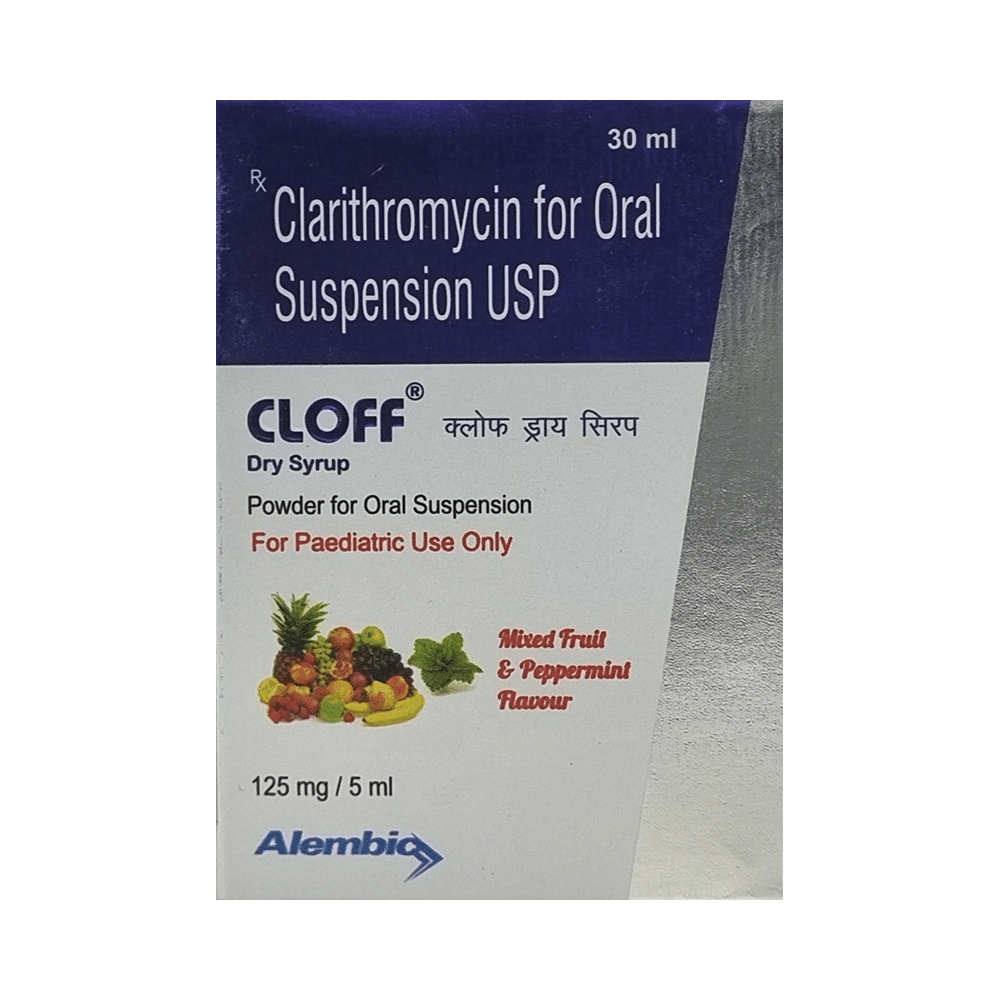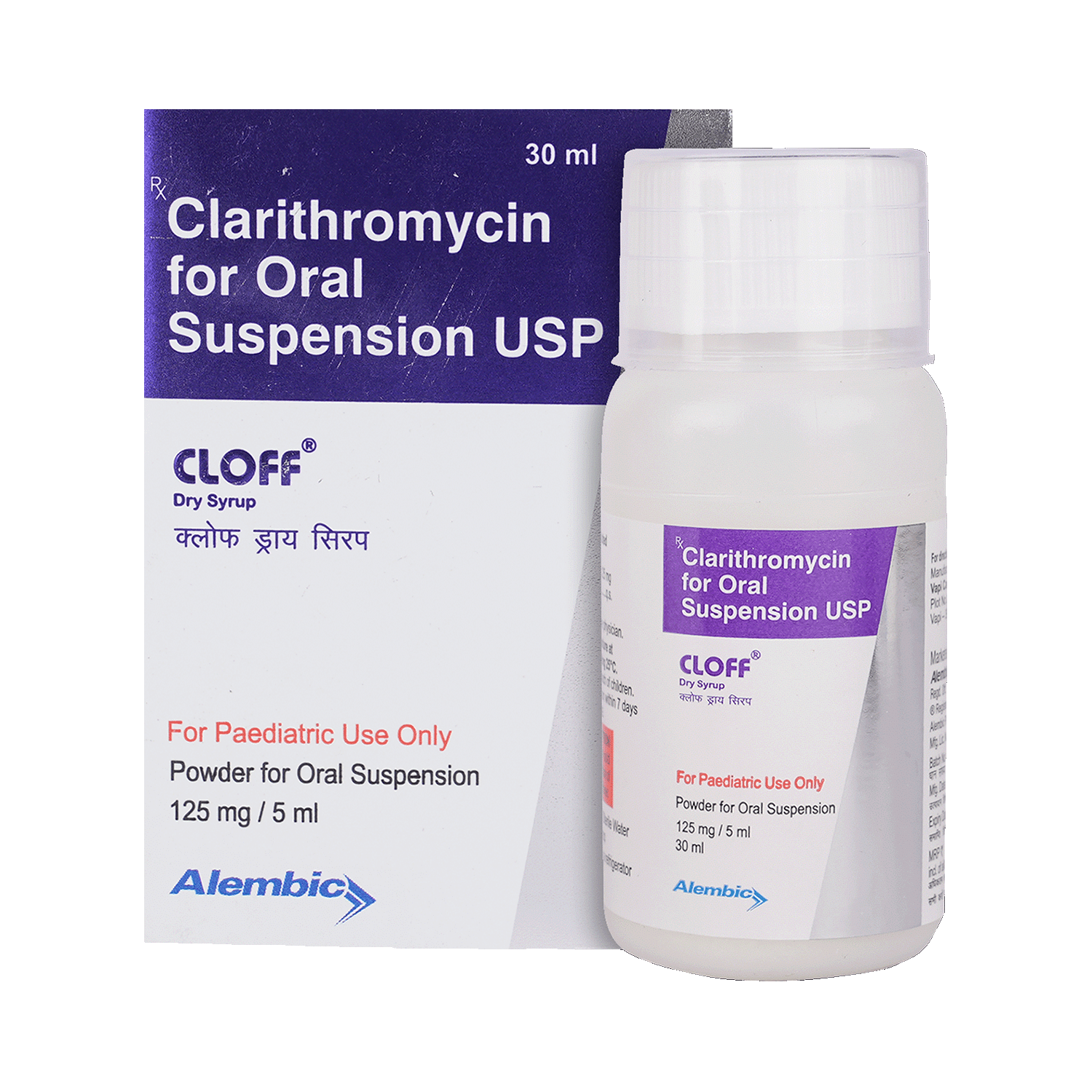
Lilliclar 125mg Dry Syrup
bottle of 30.0 ml Dry Syrup.Prescription required
About this product:
| Salt Composition: | Clarithromycin (125mg) |
| Manufacturer: | Zalman Life Sciences |
| Storage: | Below 25 degree celcius |
Out of Stock
Have doubts about this medicine?
Have doubts about this medicine?
Lilliclar 125mg Dry Syrup is an antibiotic medication used to treat bacterial infections in children, targeting various parts of the body, including the ear, throat, teeth, lungs, heart, skin, and gastrointestinal tract. Lilliclar 125mg Dry Syrup is an antibiotic medication given to children to treat a wide range of bacterial infections. It is effective in targeting infections in the ear, throat, teeth, lungs, heart, skin, and gastrointestinal tract. Additionally, it helps treat bacterial infections that can occur in children with HIV due to their weak immune systems.
Lilliclar 125mg Dry Syrup is an antibiotic that works by stopping the bacteria from utilizing proteins that are necessary for the bacteria to survive and perform important functions. By doing so, it stops the infection-causing bacteria from growing further and prevents the infection from spreading.
In what dose should I give Lilliclar 125mg Dry Syrup to my child?
The prescribed dosage of Lilliclar 125mg Dry Syrup depends on your child's specific condition, the type and severity of infection, and their age and weight. Always follow your doctor's instructions for dosage, timing, and administration. Altering the dosage without medical advice may lead to adverse effects or reduced treatment effectiveness.
What if I accidentally overdose my child with Lilliclar 125mg Dry Syrup?
Overdosing Lilliclar 125mg Dry Syrup is uncommon but could potentially cause unwanted side effects. If you suspect an overdose, it's crucial to contact your child's doctor immediately for guidance.
Are there any serious side effects associated with Lilliclar 125mg Dry Syrup?
Serious side effects of this medication include abnormal heart rhythms (QT prolongation), allergic reactions, diarrhea, and severe gastrointestinal infections. If your child experiences any of these symptoms, contact their doctor promptly.
Can other medications be given at the same time as Lilliclar 125mg Dry Syrup?
Always consult your doctor before administering any other medicines to your child while on this medication. Some medications can interact with Lilliclar 125mg Dry Syrup, and it is crucial to check for potential interactions.
Can I get my child vaccinated while they are taking Lilliclar 125mg Dry Syrup?
Generally, antibiotics do not interfere with vaccinations or cause adverse reactions in children. However, children on antibiotics should avoid getting vaccinated until they have recovered from their illness. Once your child feels better, the vaccine can be administered.
Which lab tests should my child undergo while long-term treatment with Lilliclar 125mg Dry Syrup?
Your doctor may recommend periodic kidney function and liver function tests during long-term treatment. ECG checks may be required to monitor heart health.
Can Lilliclar 125mg Dry Syrup affect my child's digestion?
Children can experience digestive upset while taking medications like Lilliclar 125mg Dry Syrup. Moreover, antibiotics often disrupt the natural balance of bacteria in the digestive system, potentially increasing the risk of stomach problems. If your child experiences diarrhea during treatment, do not stop the medication; instead, contact their doctor for guidance on appropriate next steps. In some cases, a dosage adjustment may be necessary.
My child has a muscle weakness disorder. Is it safe to give Lilliclar 125mg Dry Syrup?
Using Lilliclar 125mg Dry Syrup with caution is recommended for children with neuromuscular disorders such as Myasthenia gravis, as it may exacerbate symptoms or trigger new ones.
How can bacteria develop resistance to Lilliclar 125mg Dry Syrup?
Resistance occurs when a bacterial population adapts and changes due to prolonged use of antibiotics like Lilliclar 125mg Dry Syrup. This occurs because the bacteria are constantly exposed to the medication, leading to genetic mutations that allow them to survive treatment. The result is an ineffective antibiotic, requiring a change in treatment strategy.
Your child must complete the entire course of this medicine. Stopping the medicine without completing the dose can bring back the infection or make the bacteria resistant.
- Your child must complete the entire course of this medicine
- Encourage your child to drink plenty of water in case diarrhea develops as a side effect
- Do not give Lilliclar 125mg Dry Syrup to your child for cold & flu unless advised by the doctor
- Only give Lilliclar 125mg Dry Syrup to your child for their current infection
- Stop the medicine and contact the doctor immediately if your child develops an itchy rash, facial swelling, and breathing difficulties soon after the intake