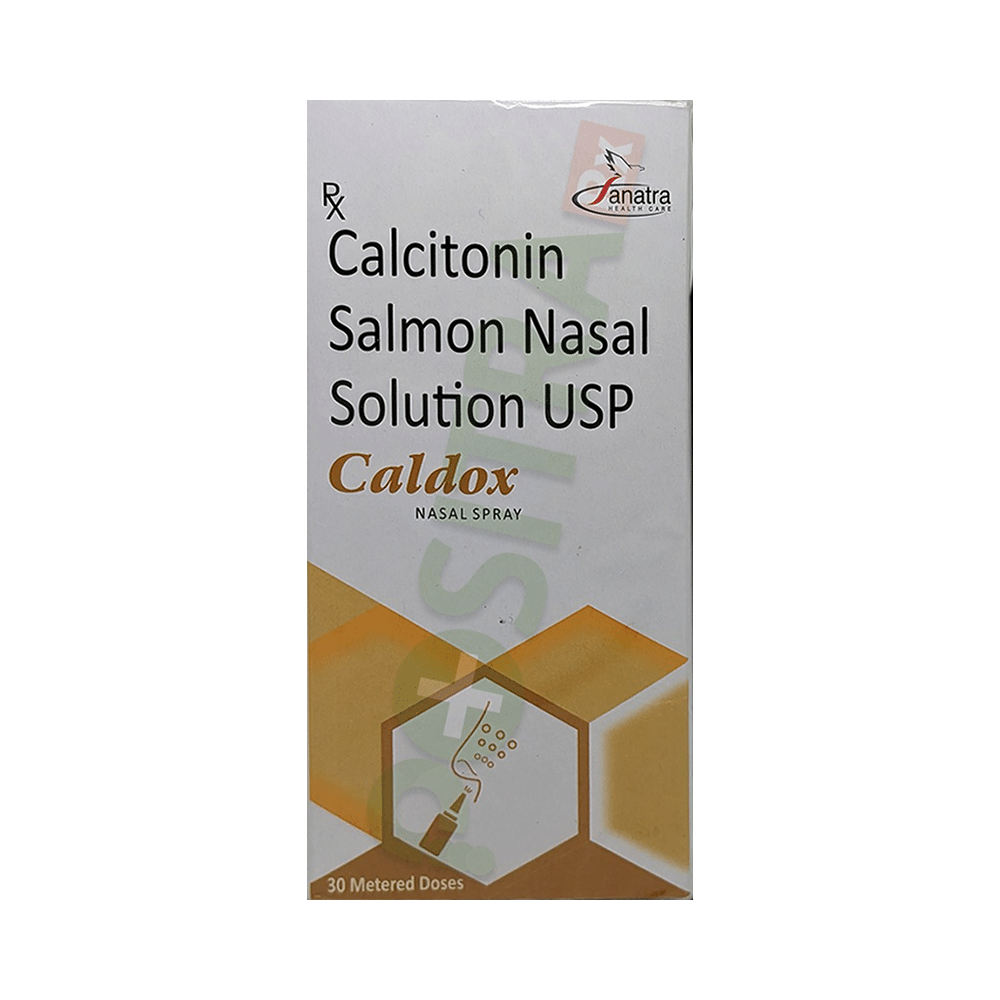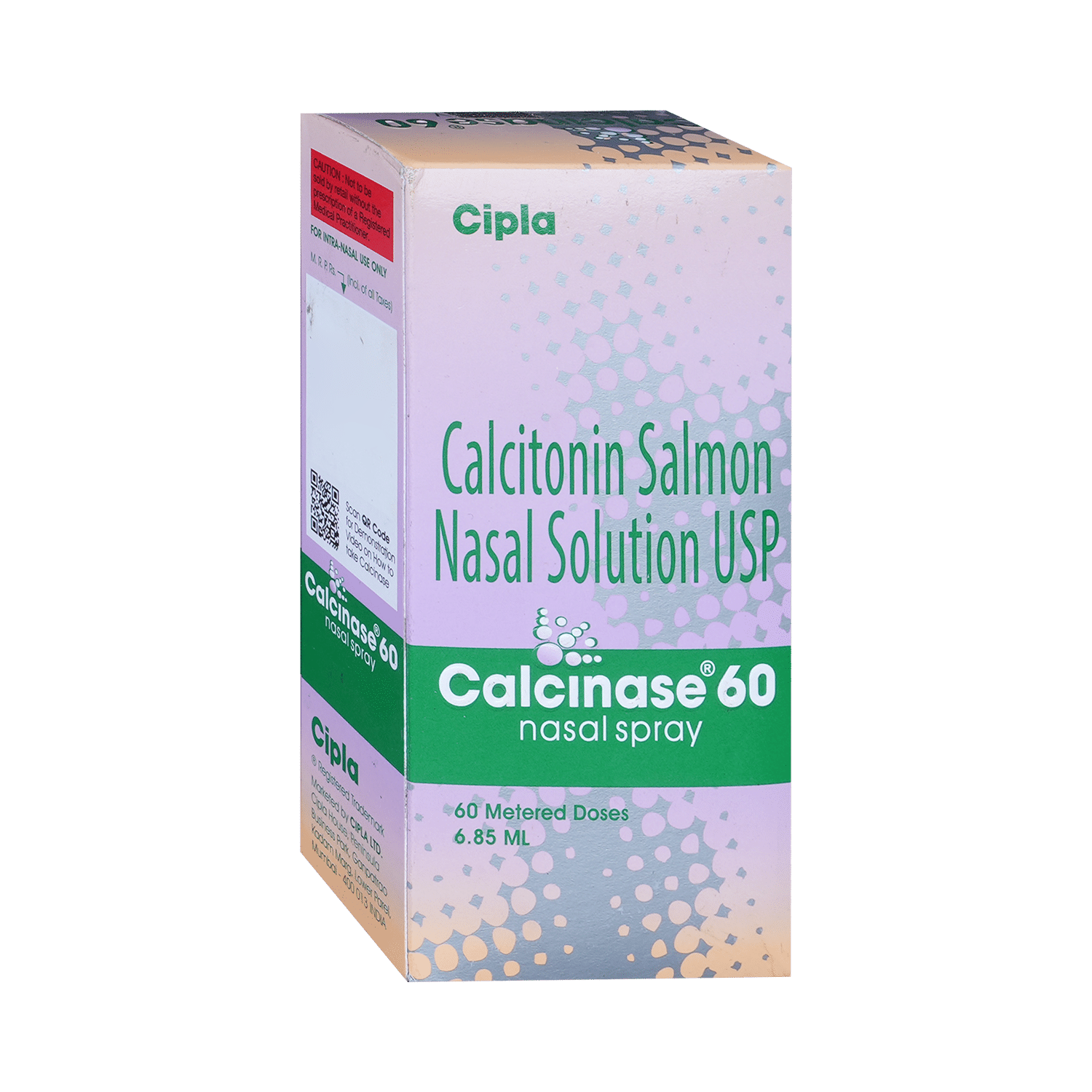
Kalnase Nasal Spray
bottle of 6.0 ml Nasal Spray.Prescription required
About this product:
| Salt Composition: | Calcitonin (Salmon) (200IU) |
| Manufacturer: | Virchow Biotech Pvt Ltd |
| Storage: | Below 25 degree celcius |
Out of Stock
Have doubts about this medicine?
Have doubts about this medicine?
Kalnase Nasal Spray is used for the treatment of osteoporosis in postmenopausal women, making bones stronger and lowering the risk of fractures. It may also be used for bone pain associated with Paget's disease. Kalnase Nasal Spray is a medication primarily used to treat osteoporosis in postmenopausal women. It helps in making the bones stronger and reduces the risk of fractures. Additionally, it can be used to alleviate bone pain associated with Paget's disease. The medicine works by suppressing the activity of osteoclasts, which are cells responsible for bone destruction. This action helps in strengthening the bones. While it is effective, users should be aware of potential side effects such as dizziness, nosebleeds, and allergic reactions. It is crucial to follow the prescribed dosage and consult a doctor if any adverse effects are observed.
Kalnase Nasal Spray is a calcitonin receptor agonist. It acts by suppressing the activity of osteoclasts, cells that cause destruction of bone, thereby strengthening the bones and minimizing the risk of fractures.
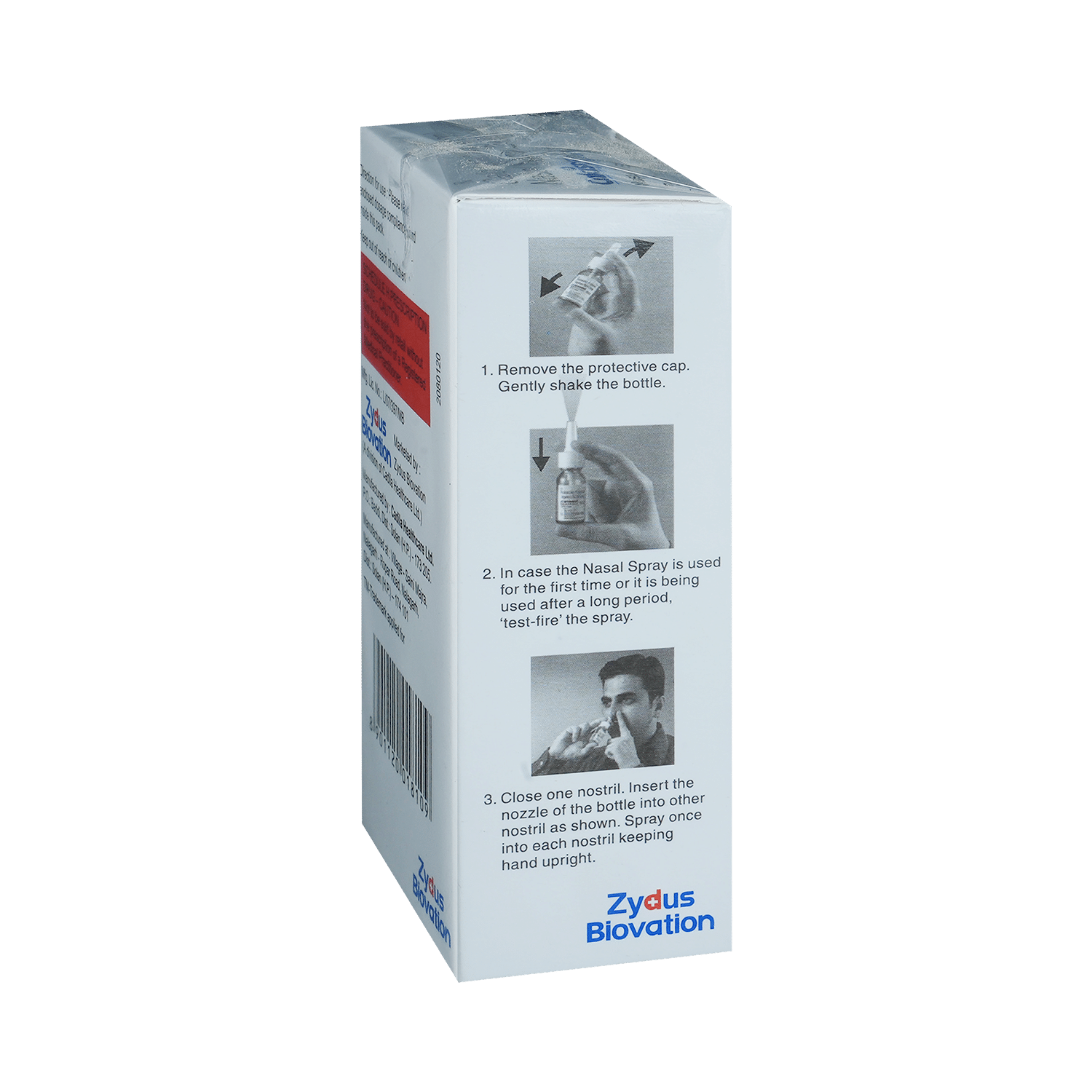
Use this medicine in the dose and duration as advised by your doctor. Check the label for directions before use. Insert the bottle tip into one nostril and close the other nostril. Direct the spray towards the sides of your nostril, away from the cartilage dividing the two sides of your nose. As you spray, breathe gently and keep the head upright. Repeat the same process for the other nostril.
- You have been prescribed Kalnase Nasal Spray to make your bones stronger and lower the risk of fractures.
- It is used in women with osteoporosis who have undergone menopause.
- It may cause temporary dizziness. Don't drive or do anything requiring concentration until you know how it affects you.
- Unopened bottles should be stored in the refrigerator. Once opened, they should be stored at room temperature for up to 35 days.
- Stop using it and inform your doctor if you get any nosebleeds or notice any ulceration inside your nose.
- Discontinue Kalnase Nasal Spray and inform your doctor immediately if you get a rash, itchy skin, swelling of face and mouth, or have difficulty in breathing.

Alcohol
No interaction found/established

Breastfeed
Kalnase Nasal Spray is probably unsafe to use during breastfeeding. Limited human data suggests that the drug may pass into the breastmilk and harm the baby.

Pregnancy
Kalnase Nasal Spray may be unsafe to use during pregnancy. Although there are limited studies in humans, animal studies have shown harmful effects on the developing baby. Your doctor will weigh the benefits and any potential risks before prescribing it to you. Please consult your doctor.