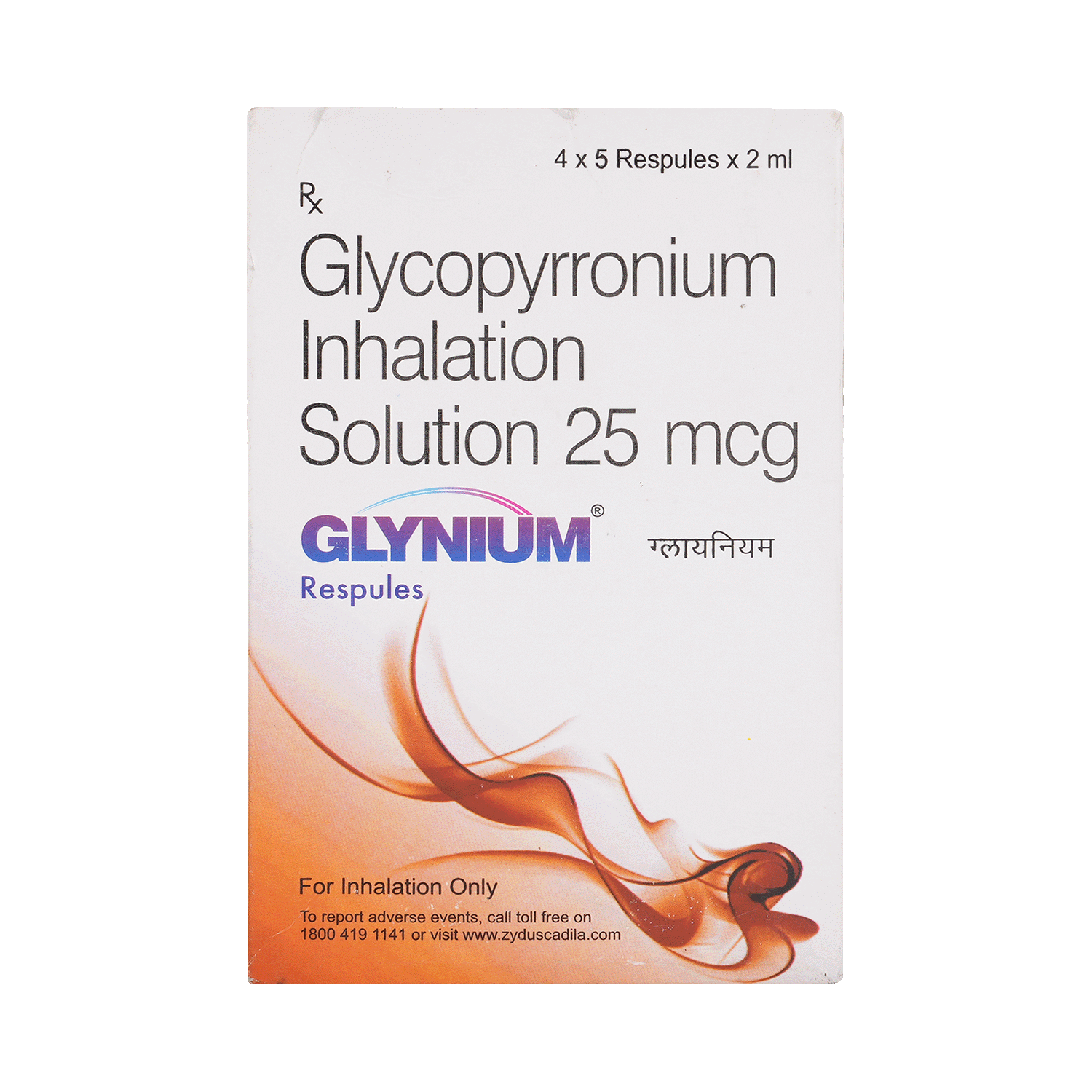
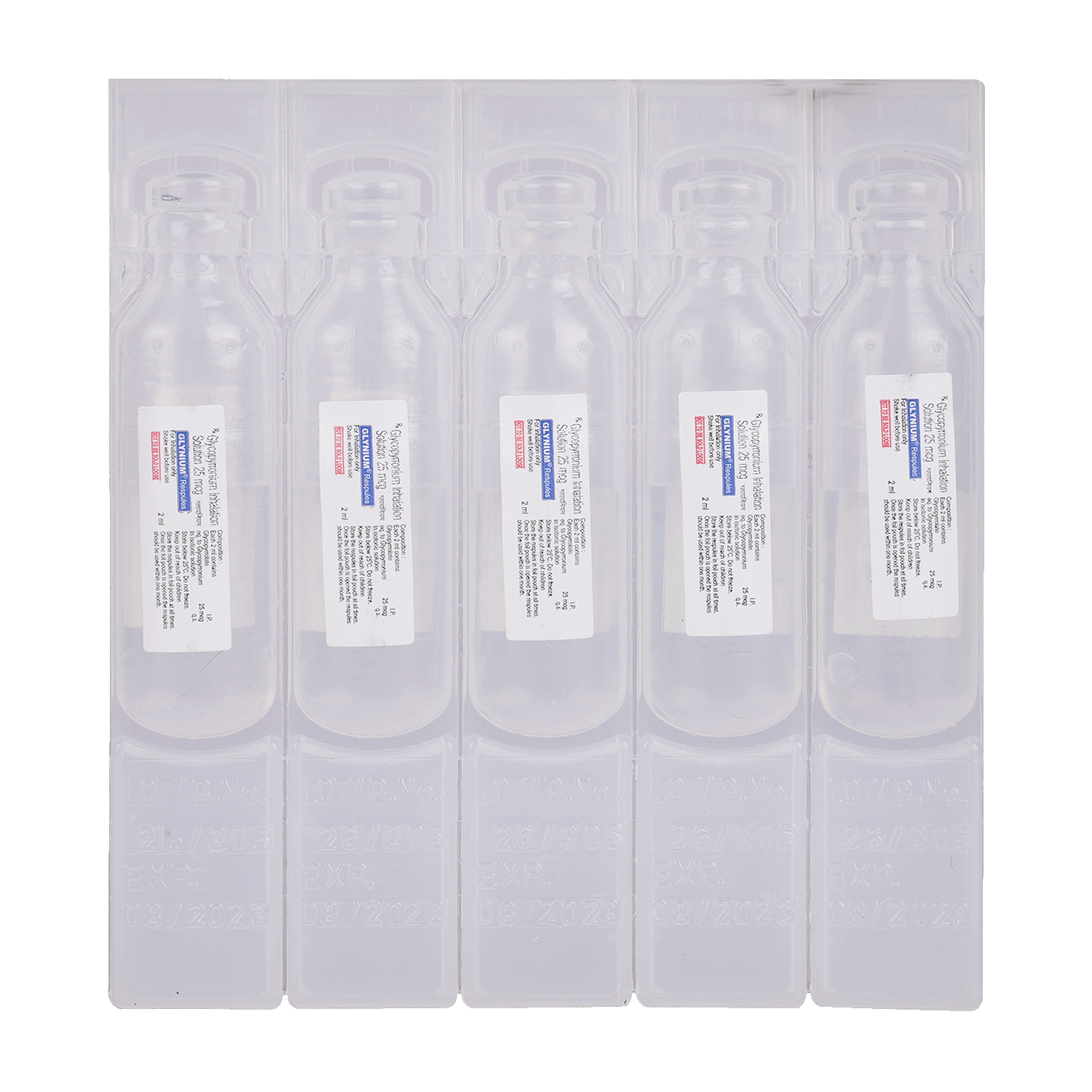
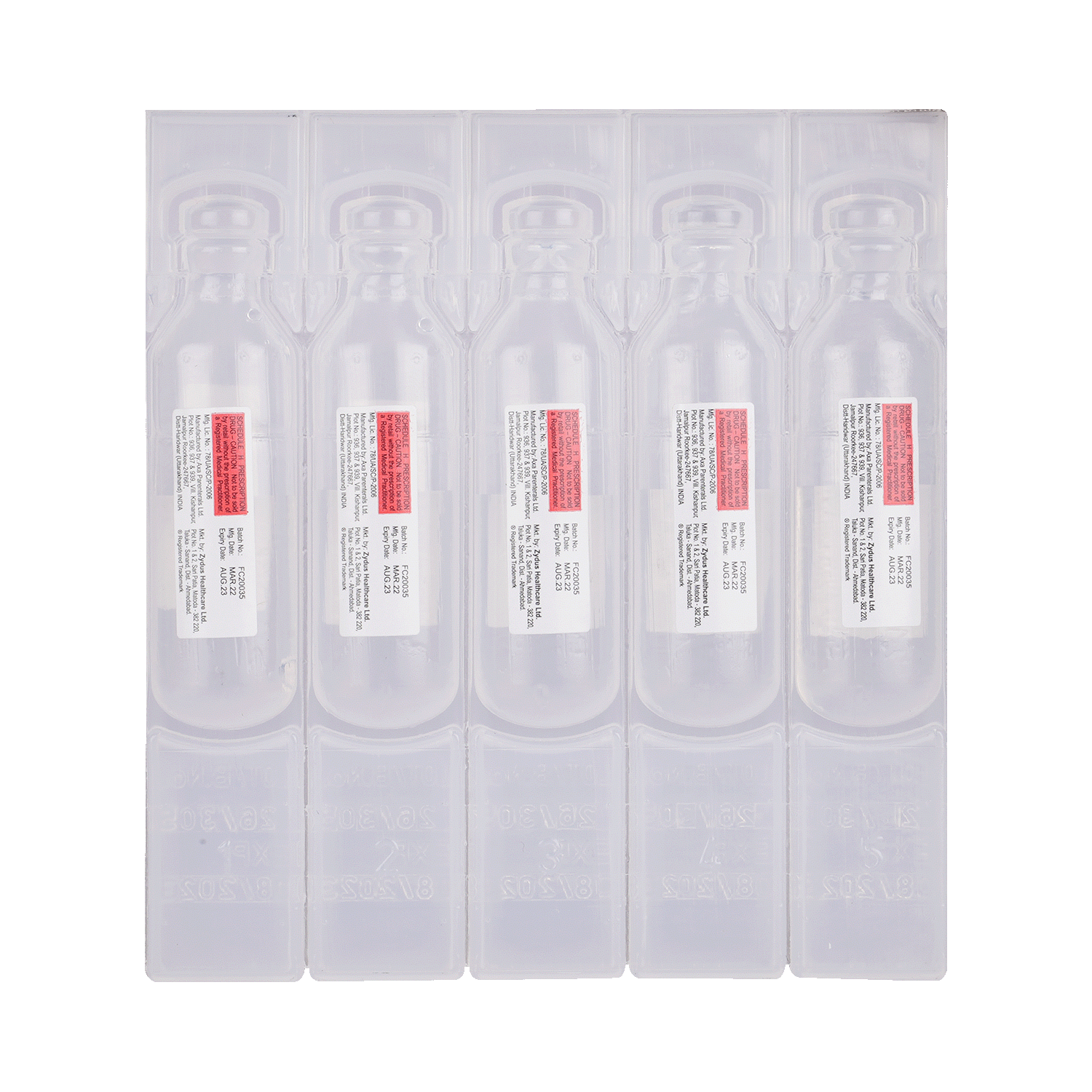
Glynium 25mcg Respules
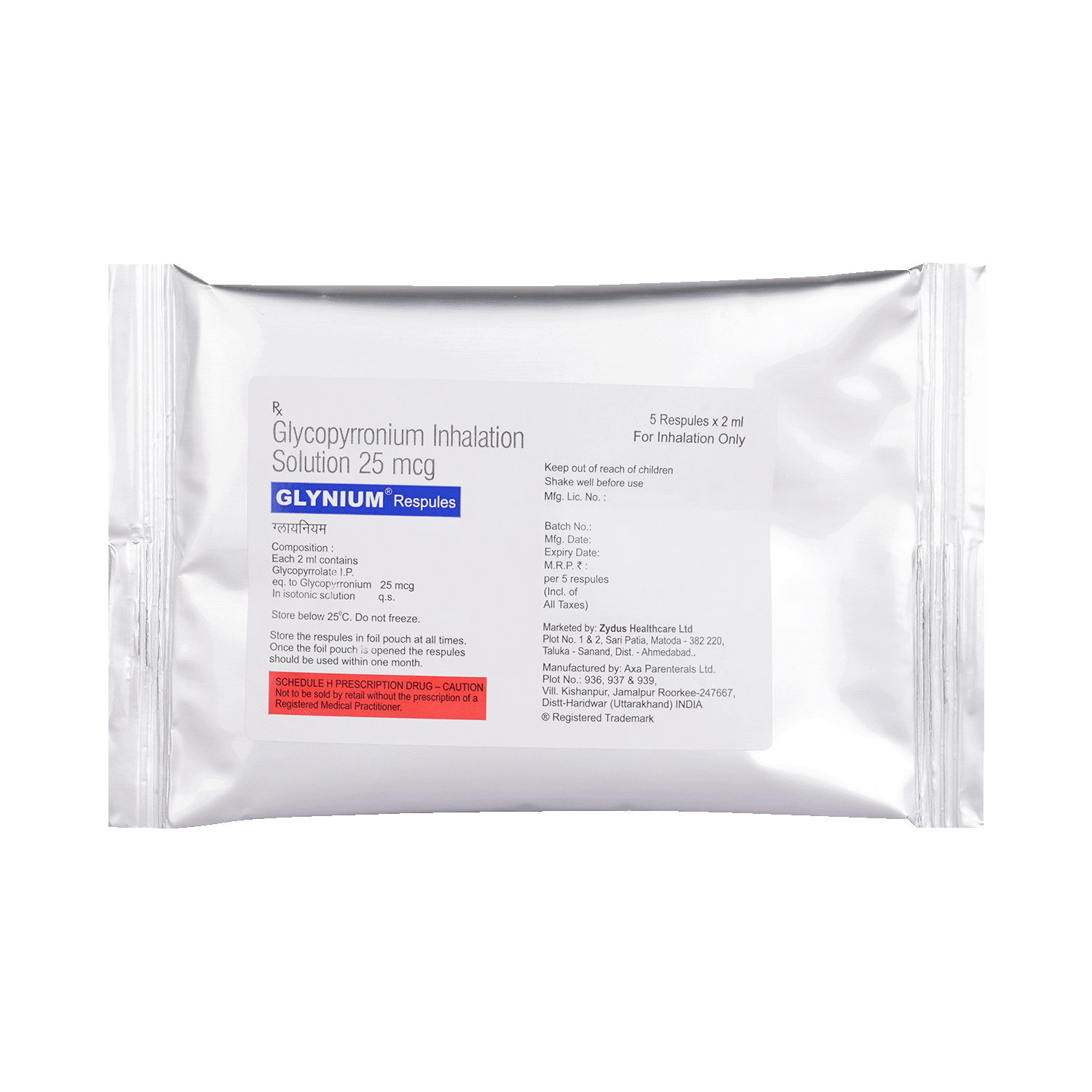
1 Packet of 5 Respules.Prescription required
About this product:
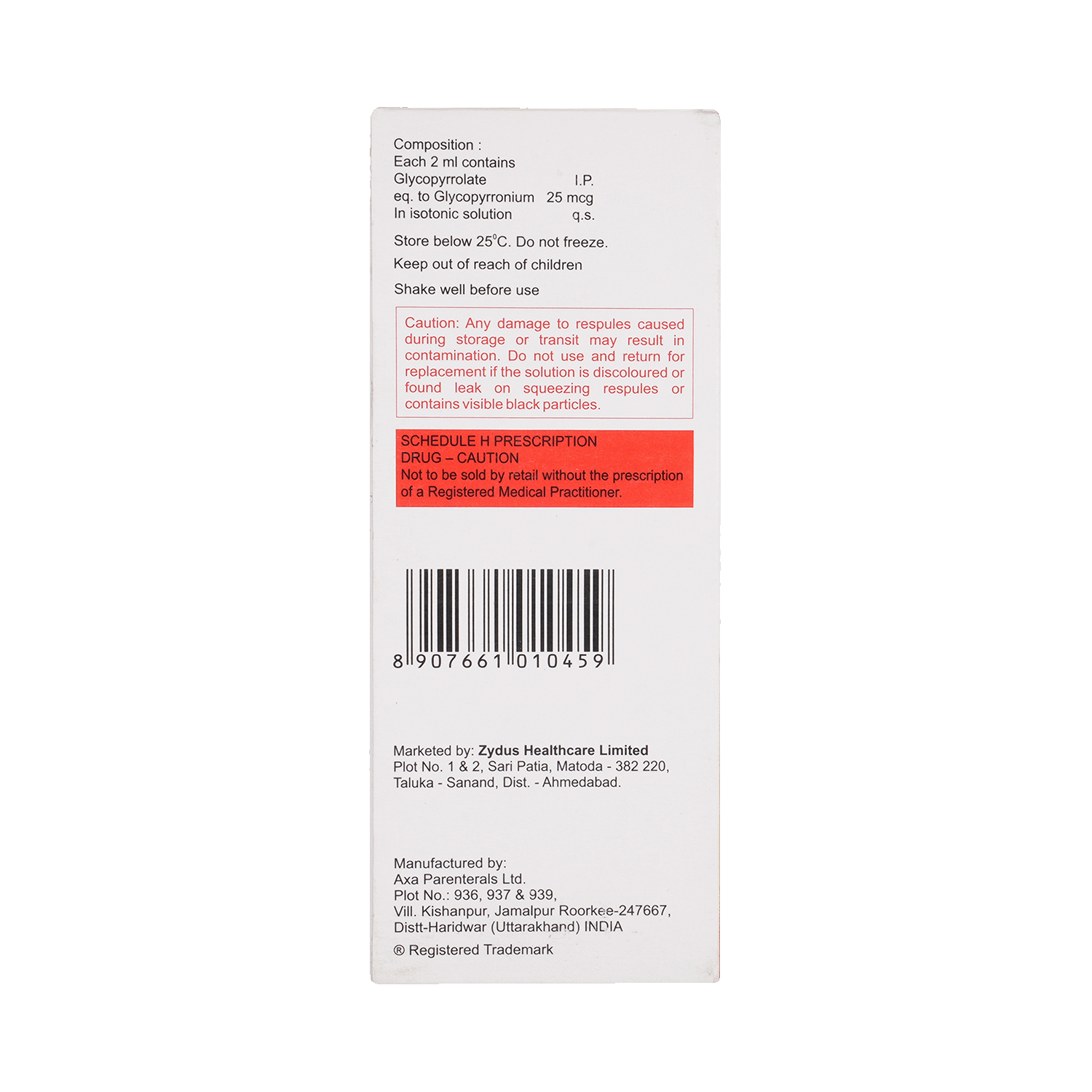
| Salt Composition: | Glycopyrrolate (25mcg/2ml) |
| Manufacturer: | Zydus Healthcare Limited |
| Storage: | Below 25 degree celcius |
Out of Stock
Have doubts about this medicine?
Have doubts about this medicine?
Glynium 25mcg Respules is used to treat chronic obstructive pulmonary disease (COPD) by relaxing the muscles around the lungs and reducing symptoms like coughing, chest tightness, and shortness of breath. Glynium 25mcg Respules is an anticholinergic medication used for long-term management of airflow obstruction in patients with chronic obstructive pulmonary disease (COPD). It works by blocking the activity of a chemical messenger (acetylcholine) in the brain. Your doctor will tell you how often you need to use Glynium 25mcg Respules. It is important that you take the lowest dose needed to effectively control your symptoms. The effect of this medicine may be noticeable after a few days but will only reach its maximum after a few weeks. This medicine must be used regularly to be effective, so continue using it even if you do not have any symptoms. If you stop taking it, your symptoms of COPD may get worse.
Glynium 25mcg Respules is an anticholinergic medication. It works by blocking the activity of a chemical messenger (acetylcholine) in the brain.
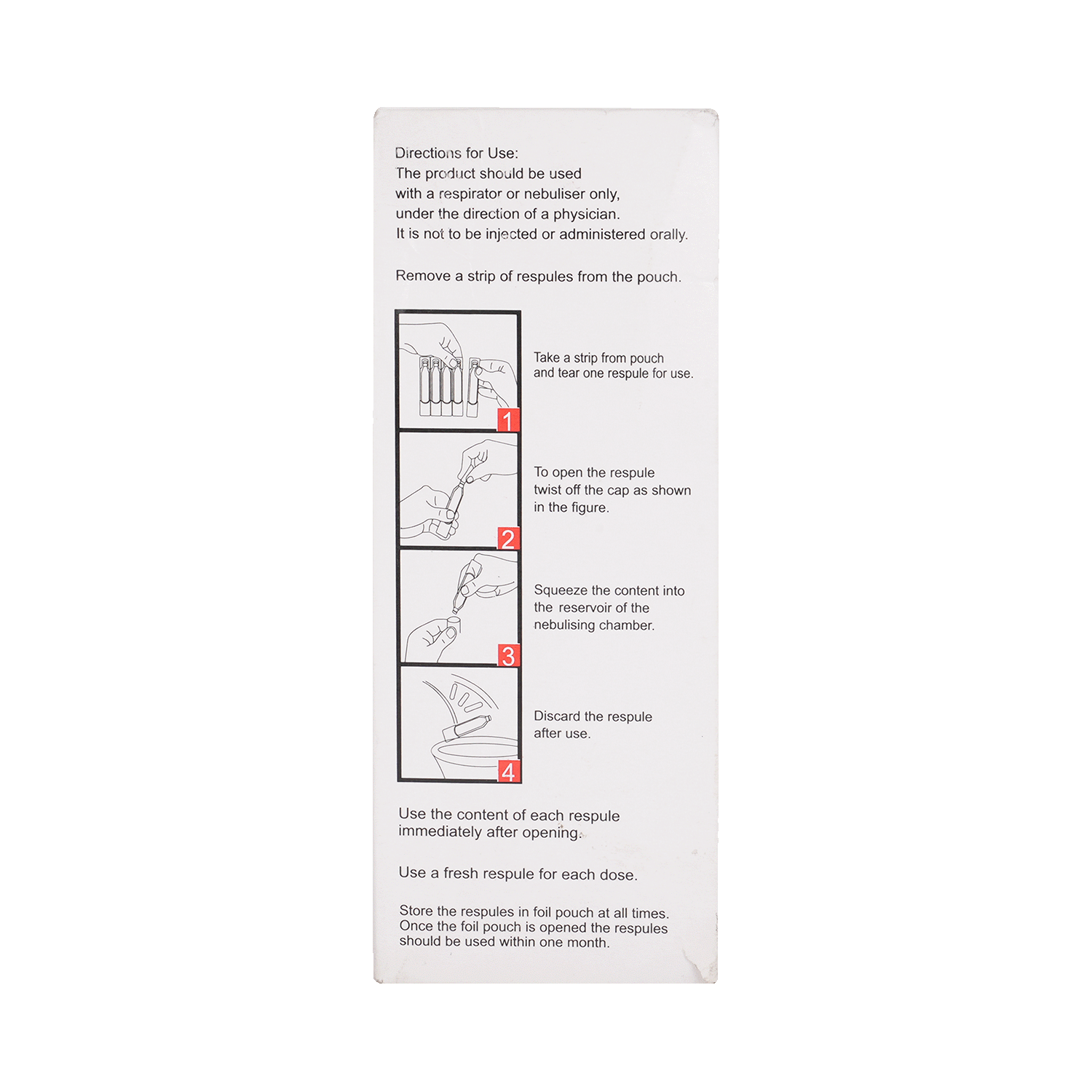
Use this medicine in the dose and duration as advised by your doctor. Check the label for directions before use. Twist off the top of the respule/transpule and squeeze all the liquid into the nebulizer. It should be used right away after opening.
- Glynium 25mcg Respules is used for long-term management of airflow obstruction in patients with chronic obstructive pulmonary disease (COPD).
- It does not work right away and should not be used to relieve sudden breathing problems.
- Take the first dose of this medicine under medical supervision as it may cause wheezing or tightening of the airways (bronchospasm) immediately after using.
- Avoid getting this medication into your eyes. It may cause eye pain/irritation, temporary blurred vision, and other vision changes.
- Inform your doctor if you have difficulty passing urine or have painful urination.

Alcohol
It is not known whether it is safe to consume alcohol with Glynium 25mcg Respules. Please consult your doctor.

Breastfeed
Glynium 25mcg Respules is probably safe to use during breastfeeding. Limited human data suggests that the drug does not represent any significant risk to the baby. Long-term use of Glynium 25mcg Respules might reduce milk production.

Pregnancy
Glynium 25mcg Respules is generally considered safe to use during pregnancy. Animal studies have shown low or no adverse effects to the developing baby; however, there are limited human studies.