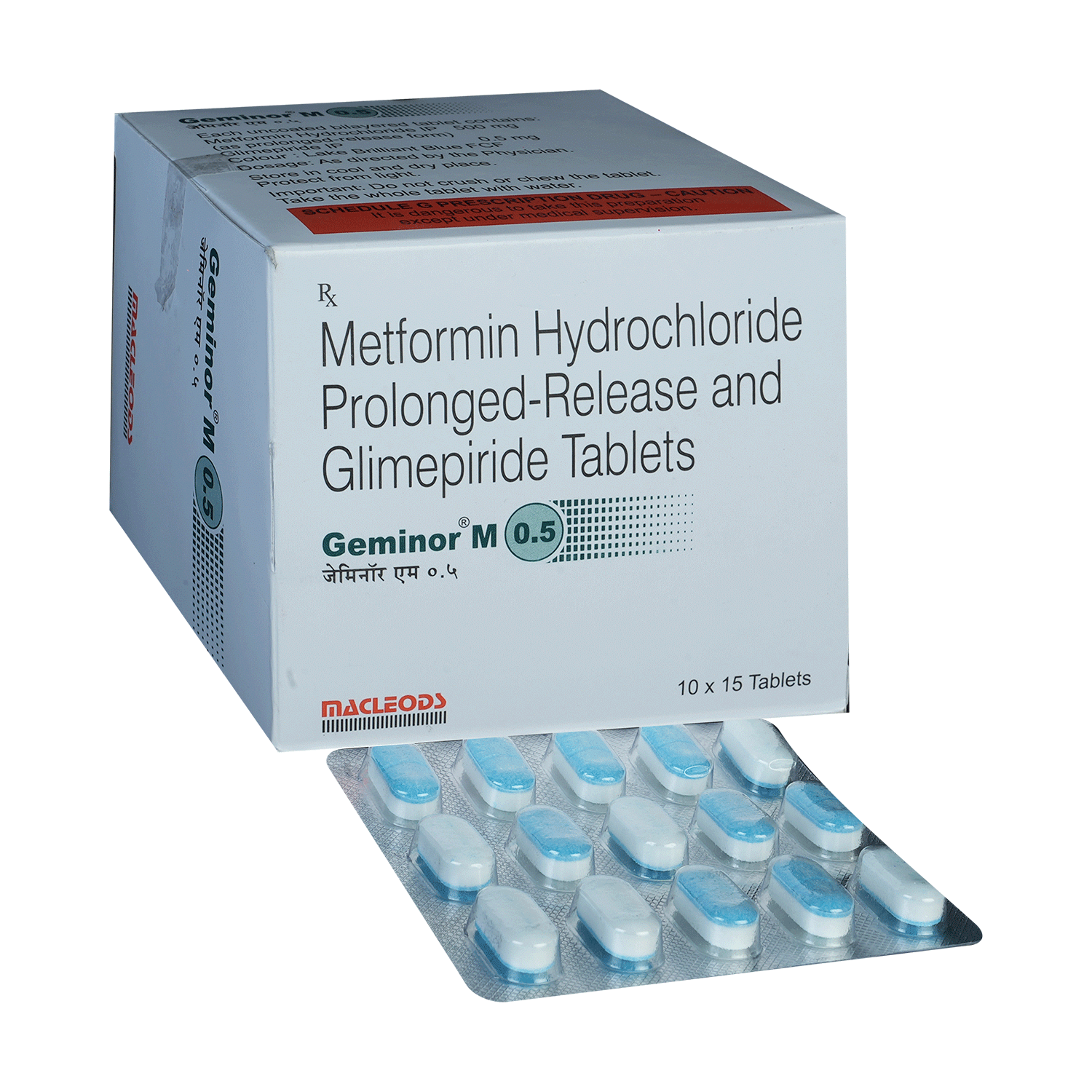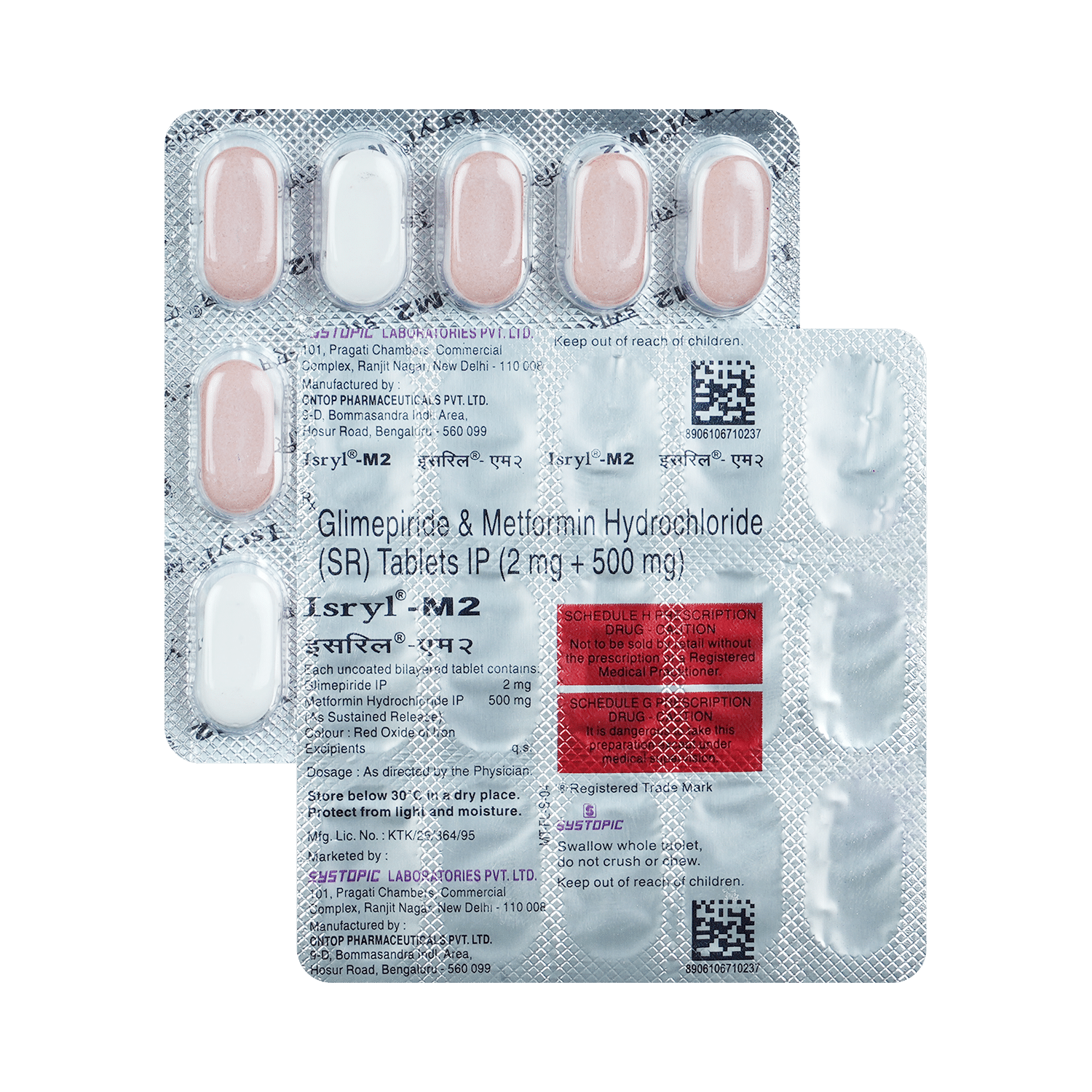
Glivion M 2mg/500mg Tablet SR
strip of 15.0 tablet.Prescription required
About this product:
| Salt Composition: | Glimepiride (2mg) + Metformin (500mg) |
| Manufacturer: | Biovion Pharma Pvt Ltd |
| Storage: | Below 25 degree celcius |
Out of Stock
Have doubts about this medicine?
Have doubts about this medicine?
Glivion M 2mg/500mg Tablet SR is a combination of two medicines used to treat type 2 diabetes mellitus in adults. It helps control blood sugar levels in people with diabetes. Glivion M 2mg/500mg Tablet SR belongs to a category of medicines known as anti-diabetic drugs. It is a combination of two medicines used to treat type 2 diabetes mellitus in adults. It helps control blood sugar levels in people with diabetes.
Glivion M 2mg/500mg Tablet SR is a combination of two antidiabetic medicines: Glimepiride and Metformin. Glimepiride is a sulfonylurea which works by increasing the amount of insulin released by the pancreas in order to lower the blood glucose. Metformin is a biguanide which works by lowering glucose production in the liver, delaying glucose absorption from intestines and increasing the body's sensitivity to insulin.
What are the recommended storage conditions for Glivion M 2mg/500mg Tablet SR?
To maintain the effectiveness of Glivion M 2mg/500mg Tablet SR, store it in its original container, tightly closed. Keep it at room temperature according to the instructions provided on the packaging or label. Dispose of any unused medication properly and ensure that it is out of reach of children, pets, and other individuals.
Can the use of Glivion M 2mg/500mg Tablet SR lead to lactic acidosis?
Yes, Glivion M 2mg/500mg Tablet SR can cause a rare but serious condition called lactic acidosis. It is essential to seek medical attention immediately if you experience symptoms such as muscle pain or weakness, dizziness, tiredness, feeling of cold in arms and legs, difficulty breathing, nausea, vomiting, stomach pain, or slow heart rate. Consult your doctor for guidance.
What is Glivion M 2mg/500mg Tablet SR?
Glivion M 2mg/500mg Tablet SR is a medication combining glimepiride and metformin. It is used to treat type 2 diabetes mellitus (DM) in adults, helping to regulate blood glucose levels when taken alongside a proper diet and regular exercise routine.
What are the possible side effects of Glivion M 2mg/500mg Tablet SR?
Common side effects associated with Glivion M 2mg/500mg Tablet SR include hypoglycemia (low blood sugar), altered taste, nausea, stomach pain, diarrhea, and headache. Rare but serious side effects may include lactic acidosis and Vitamin B12 deficiency.
Can the use of Glivion M 2mg/500mg Tablet SR lead to Vitamin B12 deficiency?
Yes, prolonged use of Glivion M 2mg/500mg Tablet SR can cause Vitamin B12 deficiency due to its interference with stomach absorption. Untreated deficiency may result in anemia and nerve problems, characterized by numbness or tingling sensations in hands and feet, weakness, urinary issues, changes in mental status, and balance difficulties (ataxia). Consult your doctor for guidance on preventing these complications.
Can the use of Glivion M 2mg/500mg Tablet SR cause hypoglycemia?
Yes, taking Glivion M 2mg/500mg Tablet SR can lead to low blood sugar levels. Monitor your glucose levels regularly and maintain a quick source of sugar nearby, such as glucose tablets or fruit juice.
Is it safe to take alcohol while I am also taking Glivion M 2mg/500mg Tablet SR?
No, combining Glivion M 2mg/500mg Tablet SR with alcohol may lower your blood sugar levels and increase the risk of lactic acidosis. It is not recommended to consume alcohol while taking this medication.
Take this medicine in the dose and duration as advised by your doctor. Swallow it as a whole. Do not chew, crush or break it. Glivion M 2mg/500mg Tablet SR is to be taken with food.
- You have been prescribed this combination medicine as it can control blood sugar better than metformin alone.
- You should continue to exercise regularly
- eat a healthy diet
- and take your other diabetes medicines along with Glivion M 2mg/500mg Tablet SR.
- Take it with food to lower your chance of having an upset stomach.

Alcohol
It is unsafe to consume alcohol with Glivion M 2mg/500mg Tablet SR.

Breastfeed
Glivion M 2mg/500mg Tablet SR is unsafe to use during breastfeeding. Data suggests that the drug may cause toxicity to the baby.

Pregnancy
Glivion M 2mg/500mg Tablet SR may be unsafe to use during pregnancy. Although there are limited studies in humans, animal studies have shown harmful effects on the developing baby. Your doctor will weigh the benefits and any potential risks before prescribing it to you. Please consult your doctor.