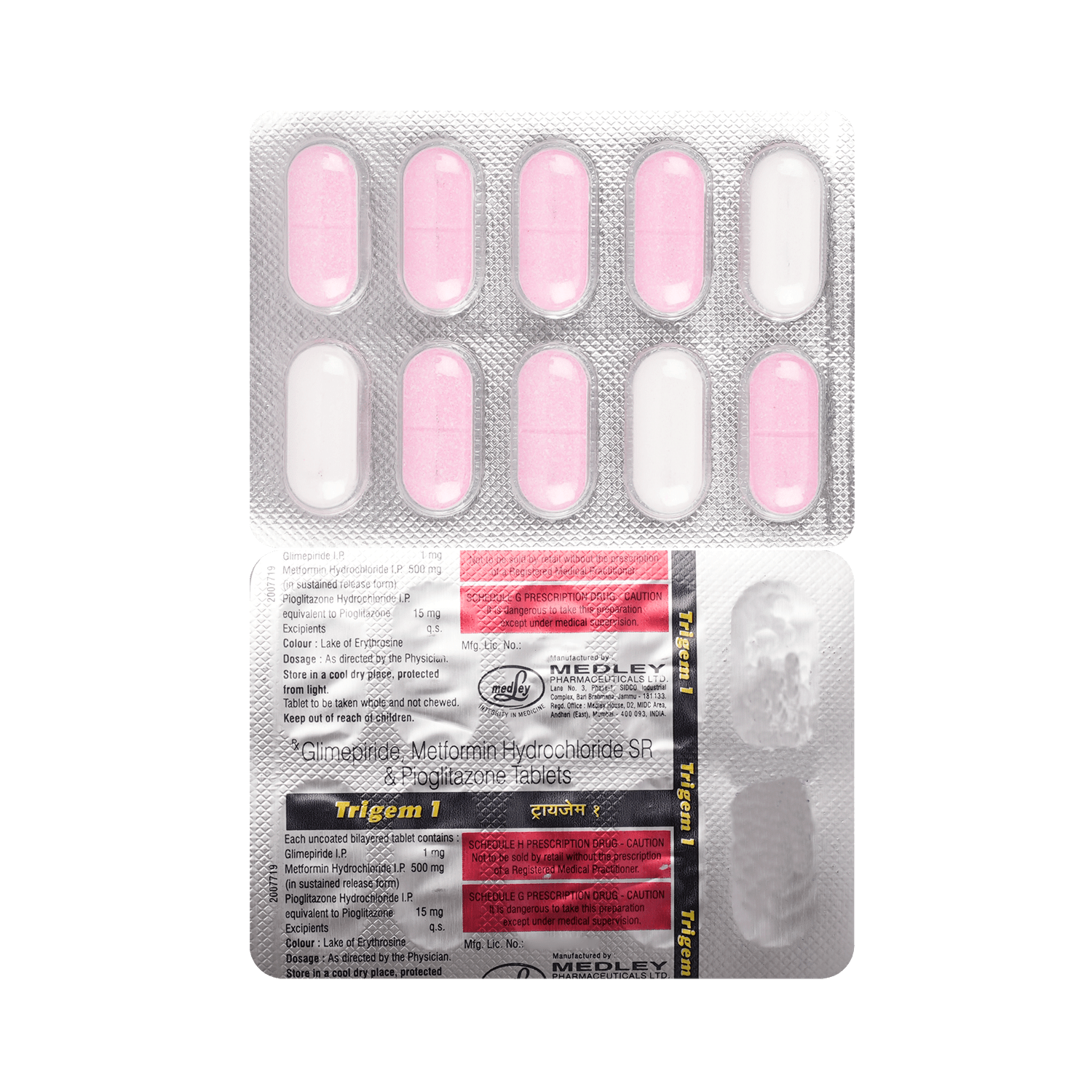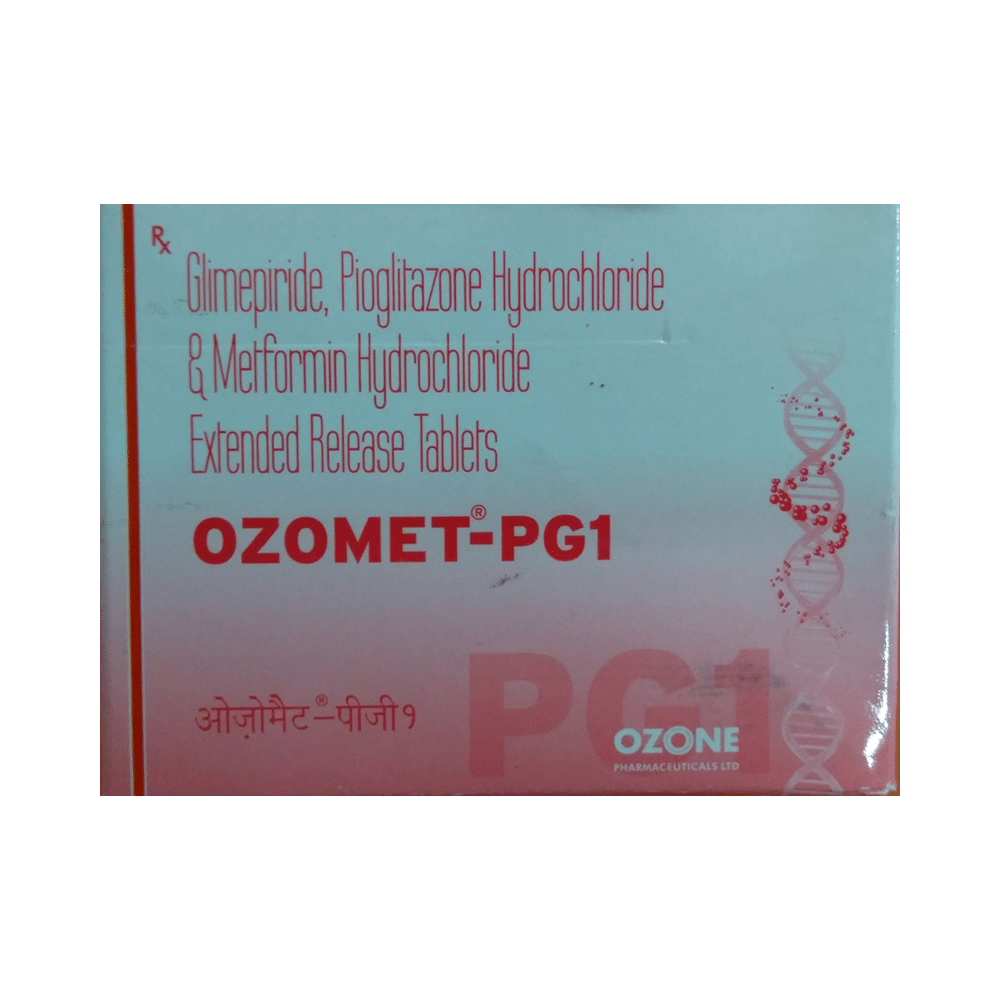
Glimkap PM 1 Tablet
strip of 10.0 tablets.Prescription required
About this product:
| Salt Composition: | Glimepiride (1mg) + Metformin (500mg) + Pioglitazone (5mg) |
| Manufacturer: | Karnataka Antibiotics & Pharmaceuticals Ltd |
| Storage: | Below 25 degree celcius |
Out of Stock
Have doubts about this medicine?
Have doubts about this medicine?
Glimkap PM 1 Tablet is a combination medicine used to control blood sugar levels in adults with type 2 diabetes mellitus. Glimkap PM 1 Tablet is a combination medicine that helps control blood sugar levels. This medicine is used together with diet and exercise to improve blood sugar control in adults with type 2 diabetes mellitus. It helps in proper utilization of insulin, thereby lowering the blood sugar levels. The medicine combines three antidiabetic agents: Glimepiride, Metformin, and Pioglitazone, each working through different mechanisms to provide better control of blood sugar when single or dual therapy is not effective. Common side effects are not listed, but it is important to consult your doctor for personalized advice.
Glimkap PM 1 Tablet is a combination of three antidiabetic medicines: Glimepiride, Metformin, and Pioglitazone. They work by different mechanisms to provide better control of blood sugar when single or dual therapy is not effective. Glimepiride increases the amount of insulin released by the pancreas. Metformin lowers glucose production in the liver, delays glucose absorption from intestines, and increases the body's sensitivity to insulin. Pioglitazone further increases insulin sensitivity.
Is it safe to drink alcohol while taking Glimkap PM 1 Tablet?
No, it is not recommended to drink alcohol while using Glimkap PM 1 Tablet. Drinking alcohol may lower your blood sugar levels (hypoglycemia) and increase the risk of lactic acidosis. It is essential to follow the instructions provided by your doctor and avoid consuming alcohol while taking this medication.
What information should I provide to my doctor before taking Glimkap PM 1 Tablet?
Before starting Glimkap PM 1 Tablet, inform your doctor about any pre-existing medical conditions, such as congestive heart failure, kidney problems, liver problems, or swelling of the back of the eye. Additionally, disclose any pregnancy, breastfeeding, or premenopausal status. Also, provide a list of all prescription and non-prescription medications, vitamins, and herbal supplements you are currently taking.
Can the use of Glimkap PM 1 Tablet lead to Vitamin B12 deficiency?
Yes, the long-term use of Glimkap PM 1 Tablet, which contains metformin, can interfere with the absorption of vitamin B12 in the stomach, potentially leading to vitamin B12 deficiency. It is crucial to discuss any concerns with your doctor and consider regular monitoring of your vitamin B12 levels.
Can the use of Glimkap PM 1 Tablet cause hypoglycemia?
Yes, Glimkap PM 1 Tablet can cause hypoglycemia (low blood sugar level). Symptoms may include nausea, headache, irritability, hunger, sweating, dizziness, fast heart rate, and feeling anxious or shaky. This is more likely to occur if you miss or delay meals, drink alcohol, over-exercise, or take other antidiabetic medications. Regular monitoring of blood sugar levels is essential, and it is recommended to always carry a sugary item with you.
What are the storage and disposal instructions for Glimkap PM 1 Tablet?
Store Glimkap PM 1 Tablet in its original container, tightly closed, and follow the storage instructions provided on the packaging or label. Dispose of any unused medication properly, ensuring it is not accessible to pets, children, or other individuals.
Take this medicine in the dose and duration as advised by your doctor. Swallow it as a whole. Do not chew, crush, or break it. Glimkap PM 1 Tablet is to be taken with food.
- Take it with food to lower your chance of having an upset stomach.
- It may cause hypoglycemia (low blood sugar level) when used with other antidiabetic medicines, alcohol, or if you delay or miss a meal.
- Always carry some sugary food or fruit juice with you in case you experience hypoglycemic symptoms such as cold sweats, cool pale skin, tremor, and anxiety.
- Your doctor may check your liver function regularly. Inform your doctor if you develop symptoms such as abdominal pain, loss of appetite, or yellowing of the eyes or skin (jaundice).

Alcohol
It is unsafe to consume alcohol with Glimkap PM 1 Tablet.

Breastfeed
Glimkap PM 1 Tablet is probably unsafe to use during breastfeeding. Limited human data suggests that the drug may pass into the breastmilk and harm the baby.

Pregnancy
Glimkap PM 1 Tablet may be unsafe to use during pregnancy. Although there are limited studies in humans, animal studies have shown harmful effects on the developing baby. Please consult your doctor.