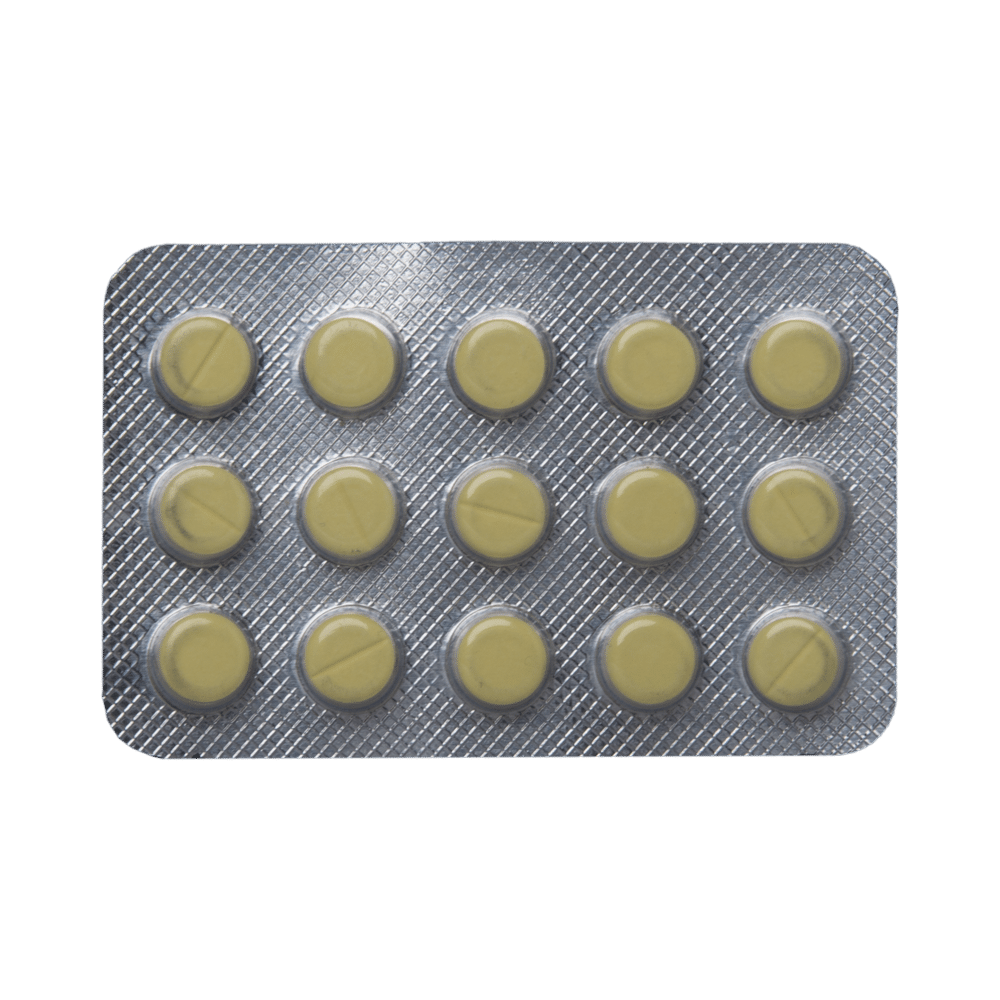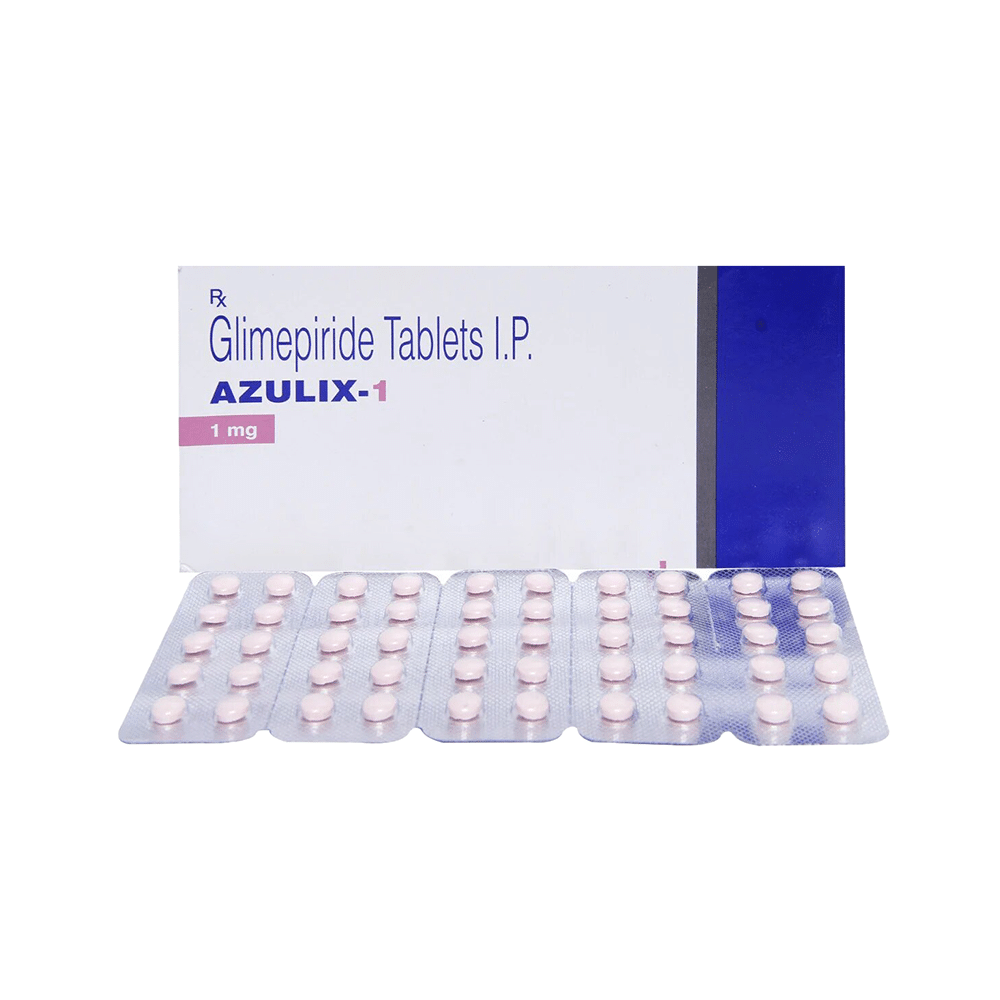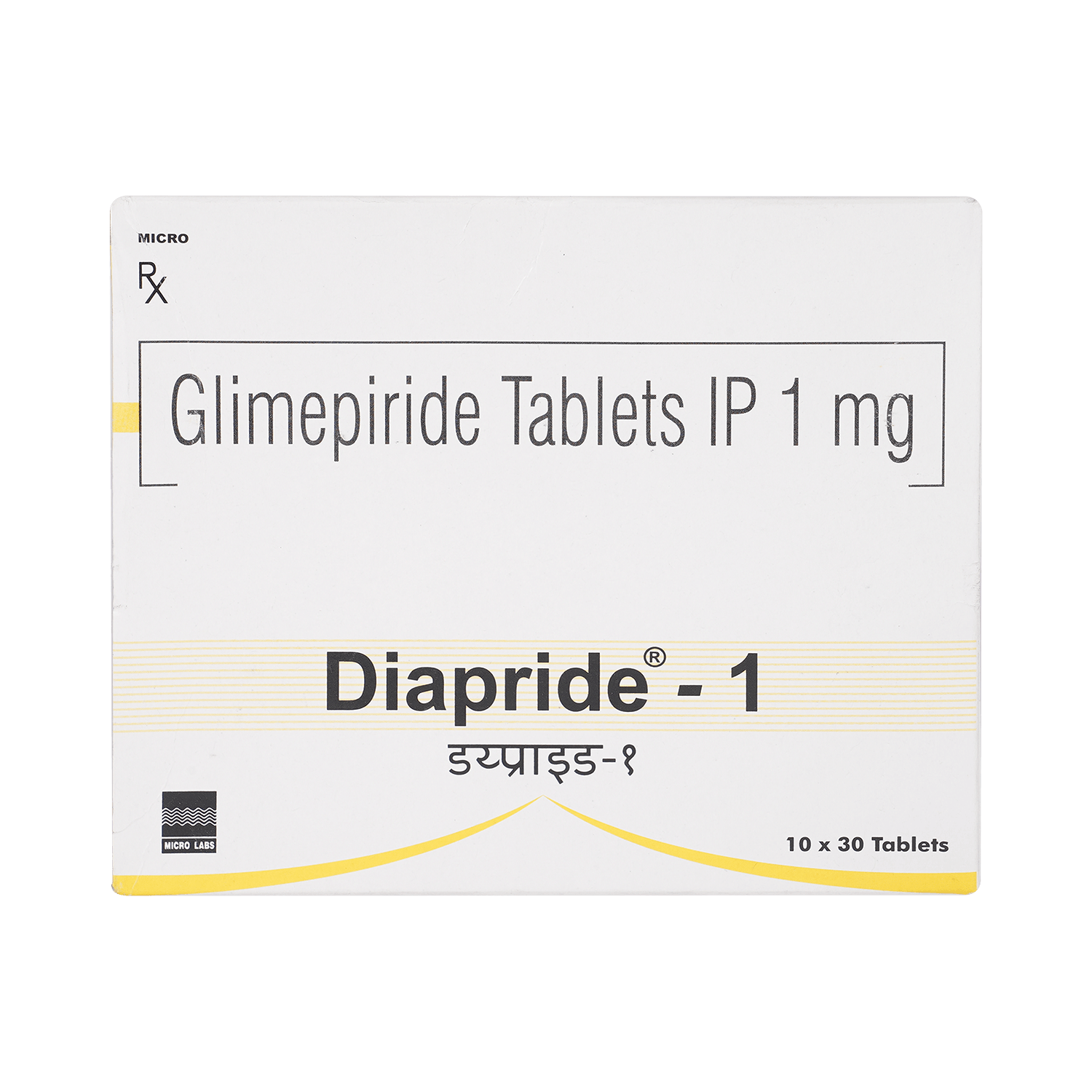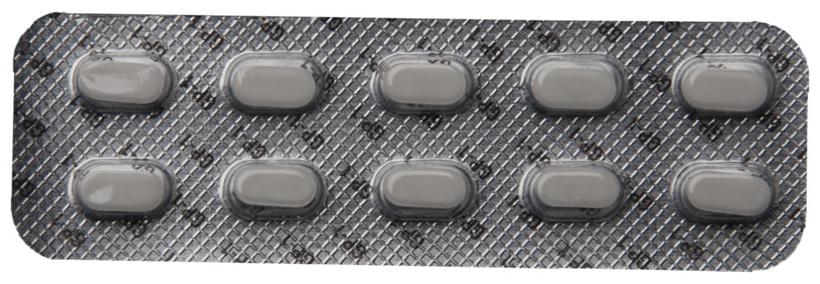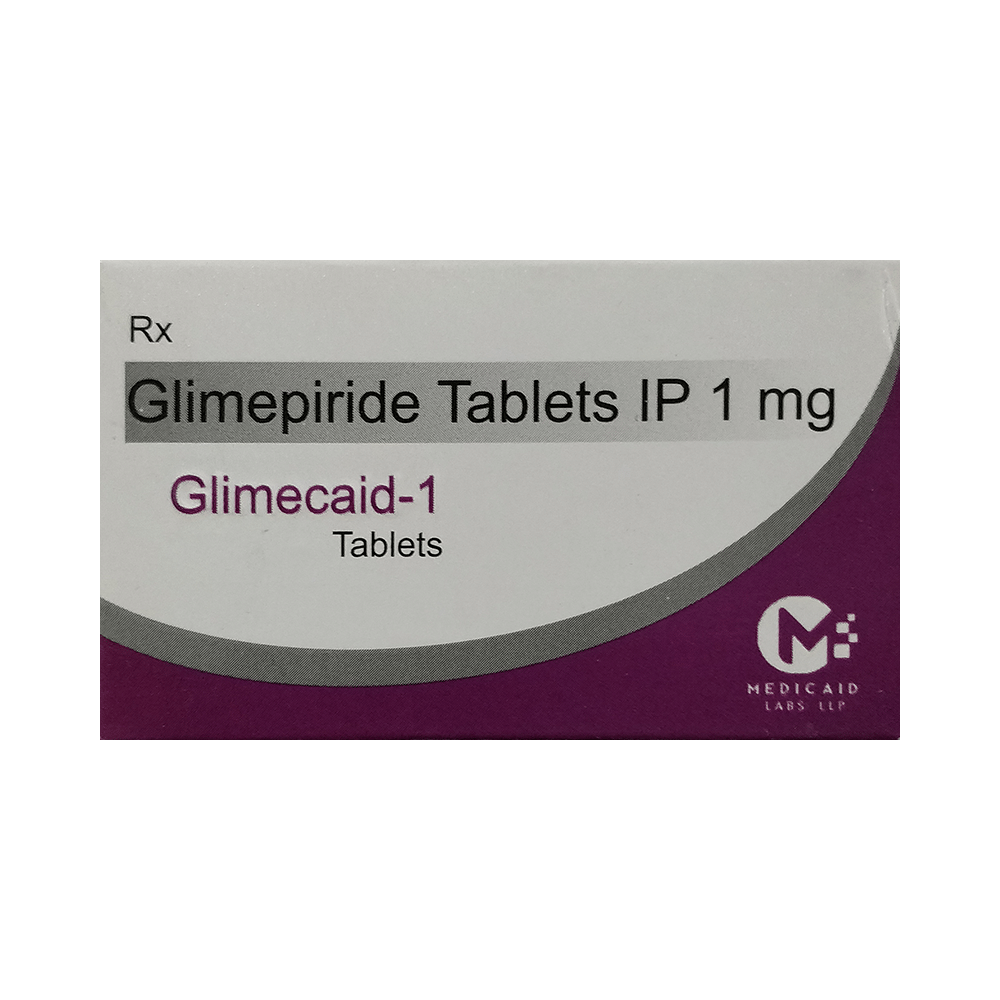
Glimecaid 1 Tablet
strip of 10.0 tablets.Prescription required
About this product:
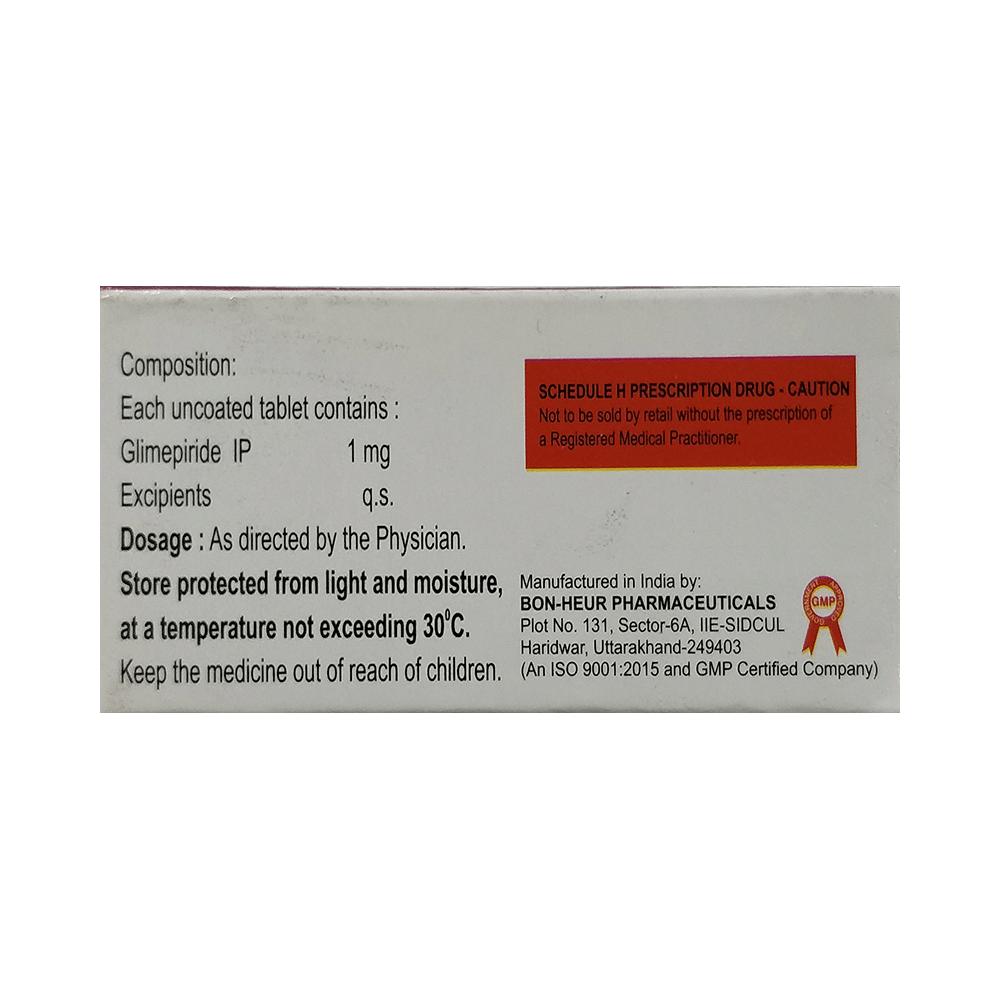
| Salt Composition: | Glimepiride (1mg) |
| Manufacturer: | Medicaid Labs LLP |
| Storage: | Below 25 degree celcius |
Out of Stock
Have doubts about this medicine?
Have doubts about this medicine?
Glimecaid 1 Tablet is a sulfonylurea medication used to treat type 2 diabetes mellitus in adults, helping to control blood sugar levels and prevent serious complications. Glimecaid 1 Tablet is an antidiabetic medication used to treat type 2 diabetes mellitus in adults. It works by increasing the amount of insulin released by the pancreas to lower blood glucose levels. It is important to take this medication as advised by your doctor and to monitor your blood sugar levels regularly.
Glimecaid 1 Tablet is an antidiabetic medication that works by increasing the amount of insulin released by the pancreas in order to lower blood glucose.
What is the dosage of Glimecaid 1 Tablet?
The recommended starting dose of Glimecaid 1 Tablet is typically 1-2 mg once daily. The dose may be adjusted based on blood glucose levels, with a maximum recommended dose of 8 mg per day. It's essential to take the medication as directed by your doctor and monitor your blood sugar levels regularly.
Does Glimecaid 1 Tablet make you sleepy?
Glimecaid 1 Tablet itself does not cause sleepiness. However, it may cause hypoglycemia (low blood sugar) when used with other anti-diabetes medications. This can lead to symptoms such as dizziness, shaking, anxiety, irritability, a fast heartbeat, and confusion.
Is Glimecaid 1 Tablet safe for kidneys?
Glimecaid 1 Tablet is generally safe for patients with normal kidney function. However, its use should be avoided in patients with severe kidney disease, as the medication is primarily eliminated by the kidneys.
Does Glimecaid 1 Tablet cause memory loss?
There is no known association between Glimecaid 1 Tablet and memory loss. However, hypoglycemia caused by the medication can lead to problems with concentration and reduced alertness.
Who should not take Glimecaid 1 Tablet?
Glimecaid 1 Tablet should be avoided by patients who are allergic to it, have severe kidney or liver disease, have G6PD-deficiency, or are due to have surgery. Additionally, patients trying to get pregnant, pregnant women, breastfeeding mothers, and those with insulin-dependent diabetes (type 1) should consult their doctor before taking this medication.
Can Glimecaid 1 Tablet cause weight gain?
Yes, Glimecaid 1 Tablet can cause mild weight gain in some people due to increased hunger caused by the release of insulin from the pancreas. To maintain a stable weight, it's essential to eat a balanced diet and engage in regular physical activity.
Can Glimecaid 1 Tablet cause dizziness?
Yes, Glimecaid 1 Tablet can cause dizziness as a side effect. If this happens, sit or lie down until the symptoms pass, and always carry some sugary food or fruit juice with you in case you experience dizziness while traveling.
What should you not eat while taking Glimecaid 1 Tablet?
It is advisable to avoid foods high in saturated and trans fats. Instead, consume healthy fats from fish and nuts. Control your carbohydrate intake as it directly affects blood sugar levels.
Is Glimecaid 1 Tablet safe to use?
Yes, Glimecaid 1 Tablet tablet is generally safe when used as directed by the doctor. However, it may show some side effects. For best results, use the medication in the correct dose and at the same time each day.
Can people with diabetes have proteins?
Yes, people with diabetes must include proteins along with other essential nutrients in their daily diet. Proteins are one of the major energy providers among all essential nutrients, and they help to regulate blood sugar levels.
Are artificial sweeteners good for people with diabetes?
No, artificial sweeteners are not good for people with diabetes. They can cause mild to severe side effects and should be avoided or limited as much as possible.
Can diabetes cause kidney failure?
Yes, uncontrolled diabetes can lead to diabetic nephropathy, a condition that can cause kidney failure over time. To prevent damage to kidneys, it's essential to keep diabetes in check, make dietary changes, monitor sugar levels regularly, and take prescribed medications on time.
Can diabetes be cured?
Diabetes is a condition that causes changes in blood glucose levels, but with simple lifestyle changes, diet, and medications, one can manage the condition and lead a healthy life. However, there is no known cure for diabetes at this time.
Take this medicine in the dose and duration as advised by your doctor. Swallow it as a whole. Do not chew, crush or break it. Glimecaid 1 Tablet is to be taken with food.
- Take Glimecaid 1 Tablet shortly before or with the first main meal of the day (usually breakfast)
- Exercise regularly
- Eat a healthy diet and take your other diabetes medicines (if prescribed) alongside
- Monitor your blood sugar level regularly while you are taking Glimecaid 1 Tablet
- Be careful while driving or operating machinery until you know how Glimecaid 1 Tablet affects you

Alcohol
It is unsafe to consume alcohol with Glimecaid 1 Tablet.

Breastfeed
Glimecaid 1 Tablet is probably unsafe to use during breastfeeding. Limited human data suggests that the drug may pass into the breastmilk and harm the baby.

Pregnancy
Glimecaid 1 Tablet may be unsafe to use during pregnancy. Although there are limited studies in humans, animal studies have shown harmful effects on the developing baby.