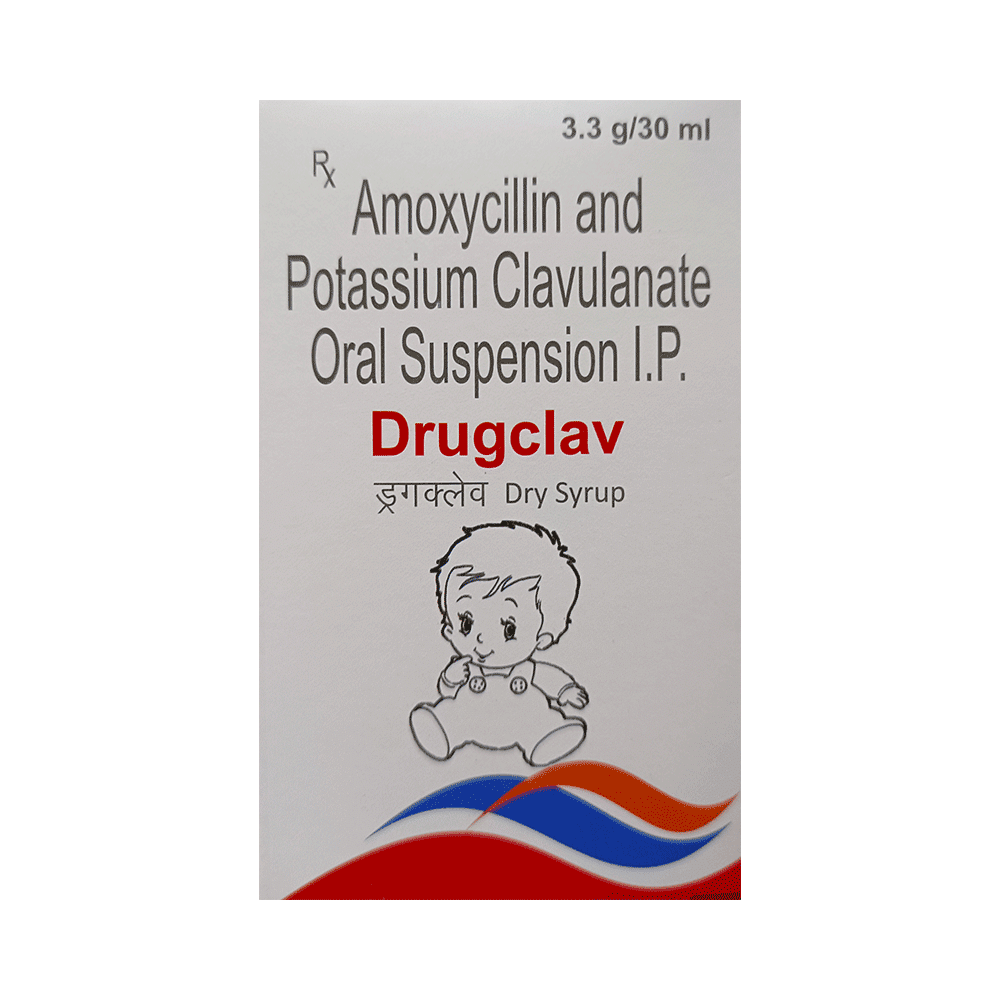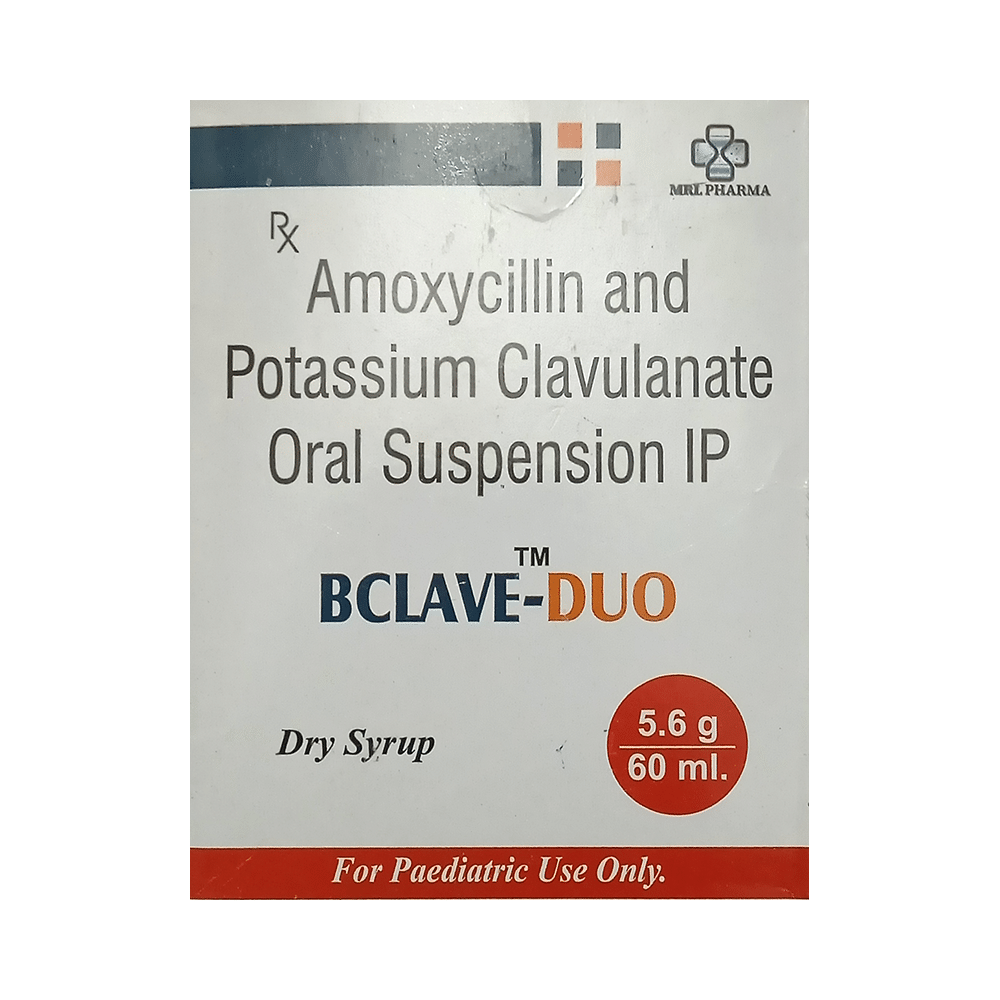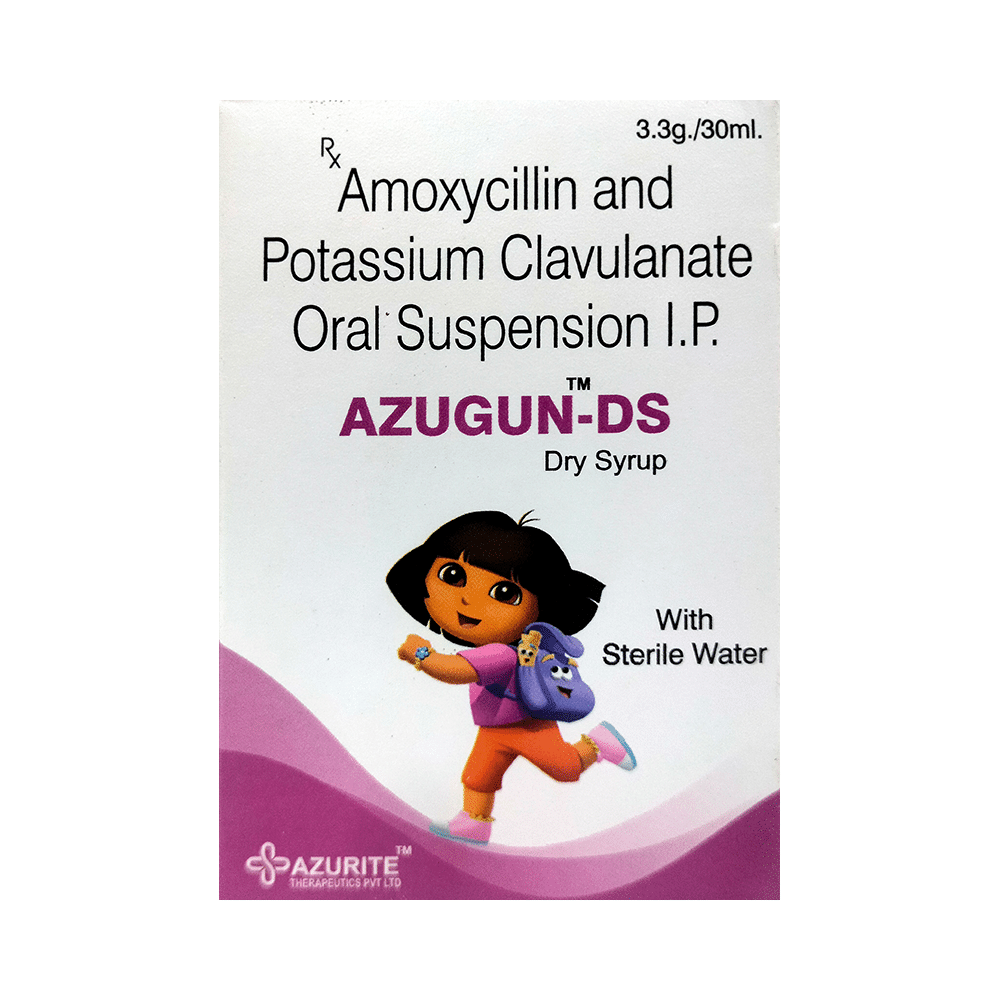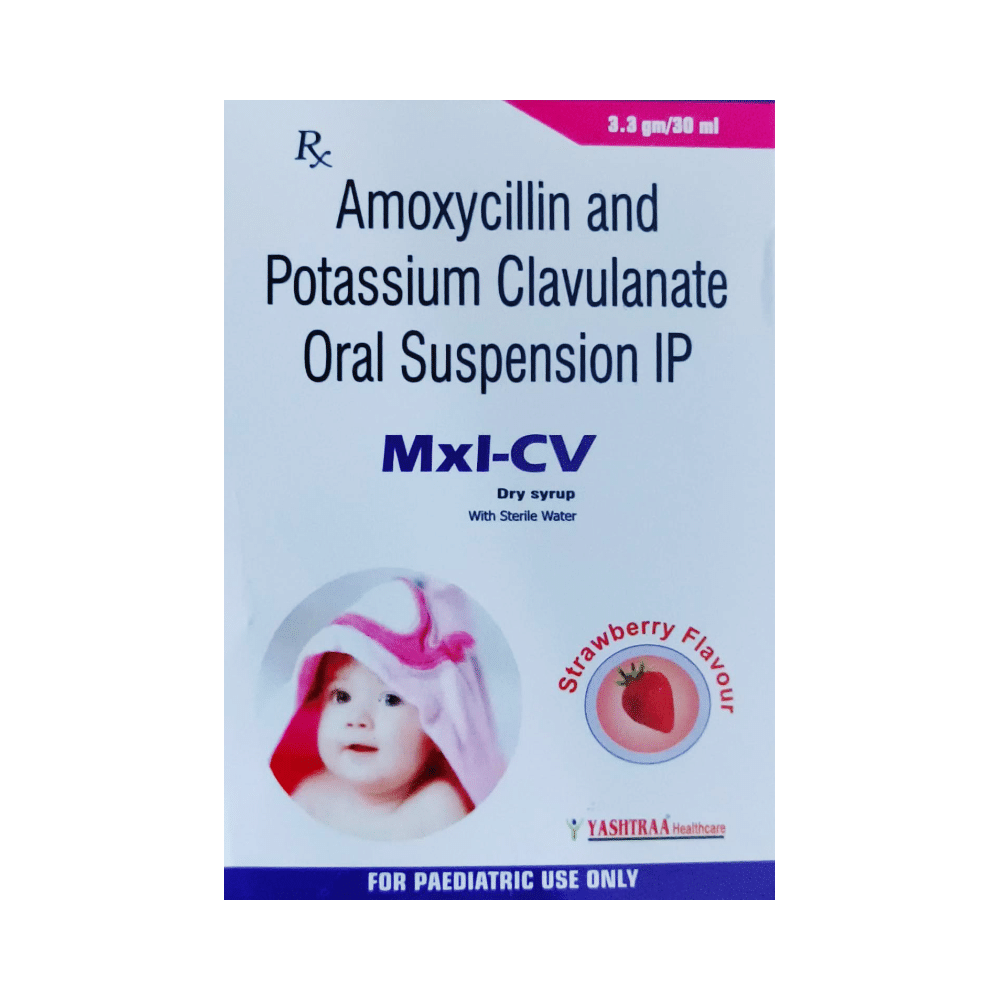
Gevoxtin Oral Suspension
bottle of 30.0 ml Oral Suspension.Prescription required
About this product:
| Salt Composition: | Amoxycillin (200mg/5ml) + Clavulanic Acid (28.5mg/5ml) |
| Manufacturer: | Glenvox Biotech |
| Storage: | Below 25 degree celcius |
Out of Stock
Have doubts about this medicine?
Have doubts about this medicine?
Gevoxtin Oral Suspension is an antibiotic medicine that helps treat bacterial infections of the ear, nose, throat, chest, lungs, teeth, skin, and urinary tract. Gevoxtin Oral Suspension is an antibiotic medicine that helps treat bacterial infections of the ear, nose, throat, chest, lungs, teeth, skin, and urinary tract. It is capable of killing bacteria that have become resistant to other therapies and thus also helps treat tuberculosis that is resistant to other treatments.
Gevoxtin Oral Suspension is an antibiotic. It has two active agents amoxycillin and clavulanic acid. Amoxycillin works by preventing the formation of the bacterial protective covering (cell wall) essential for the survival of the bacteria. Whereas clavulanic acid serves a special purpose of inhibiting an enzyme (beta-lactamase) that is produced by resistant bacteria. This makes the combination of amoxycillin and clavulanic acid an effective line of treatment for many types of infections.
Can other medicines be given at the same time as Gevoxtin Oral Suspension?
Gevoxtin Oral Suspension may interact with other medications. Tell your child's doctor about all of their current medications before starting this medicine. It is also important to check with your child’s doctor before giving any medication to your child.
Can I get my child vaccinated while on treatment with Gevoxtin Oral Suspension?
Antibiotics do not generally interfere with vaccine ingredients, and they usually won't cause a negative reaction in children after vaccination. However, it is best to postpone any vaccination until your child is fully recovered from the illness. Once your child feels better, you can proceed with the vaccination.
Which lab tests may my child undergo while taking Gevoxtin Oral Suspension on a long-term basis?
With prolonged therapy, the doctor may periodically monitor kidney and liver function tests to keep an eye on your child’s condition.
Can I give a higher than the recommended dose of Gevoxtin Oral Suspension to my child?
No, giving more than the recommended dose of this medicine can increase risks of side effects. If your child experiences an increase in symptoms, please consult your doctor for re-evaluation.
Can I stop giving Gevoxtin Oral Suspension to my child when the symptoms are relieved?
No, do not stop giving this medicine to your child unless the full course of treatment is complete, even if you feel better. Symptoms might improve before the infection is fully cured. Keep giving the medicine for the full course as it may still be having beneficial effects.
Can the use of Gevoxtin Oral Suspension cause diarrhea?
Yes, Gevoxtin Oral Suspension can sometimes cause diarrhea. This is because it kills harmful bacteria and can affect the good bacteria in your child's stomach. If your child experiences diarrhea, encourage them to drink plenty of fluids. If the diarrhea persists or you notice any signs of dehydration (like less frequent urination with dark urine), please contact your doctor before giving your child any other medication.
Do all viral common colds result in secondary bacterial infection?
Most times, bacteria do not develop after a viral infection. It is important to only use antibiotics after consulting with your child's doctor if the situation requires it.
The mucus coming out of my child’s nose is yellow-green. Is it a sign of a bacterial infection?
Yellow or green mucus in the nose does not necessarily mean you need to use antibiotics. During a common cold, this can be normal for mucus to thicken and change color, typically lasting 7-10 days. If your child shows other symptoms such as fever or difficulty breathing, it's important to seek medical advice immediately.
Is there any sign which shows that my child needs immediate medical attention?
You should call your child’s doctor immediately if your child experiences serious allergic reactions (breathing problems or skin rashes), gastrointestinal infections (diarrhea), and liver damage (weakness, paleness, vomiting). Although rare, these are serious side effects that need the attention of a healthcare professional.
Your child must complete the entire course of antibiotics. Stopping too soon may cause the bacteria to multiply again or cause another infection.
- Your child must complete the entire course of antibiotics. Stopping too soon may cause the bacteria to multiply again or cause another infection.
- Encourage your child to drink plenty of water in case diarrhea develops as a side effect.
- Never give Gevoxtin Oral Suspension until and unless prescribed by the doctor.
- Do not give Gevoxtin Oral Suspension to treat common cold and flu-like symptoms caused by viruses.
- Check ‘expiry’ before giving Gevoxtin Oral Suspension to your child. Immediately discard all the expired medicines.