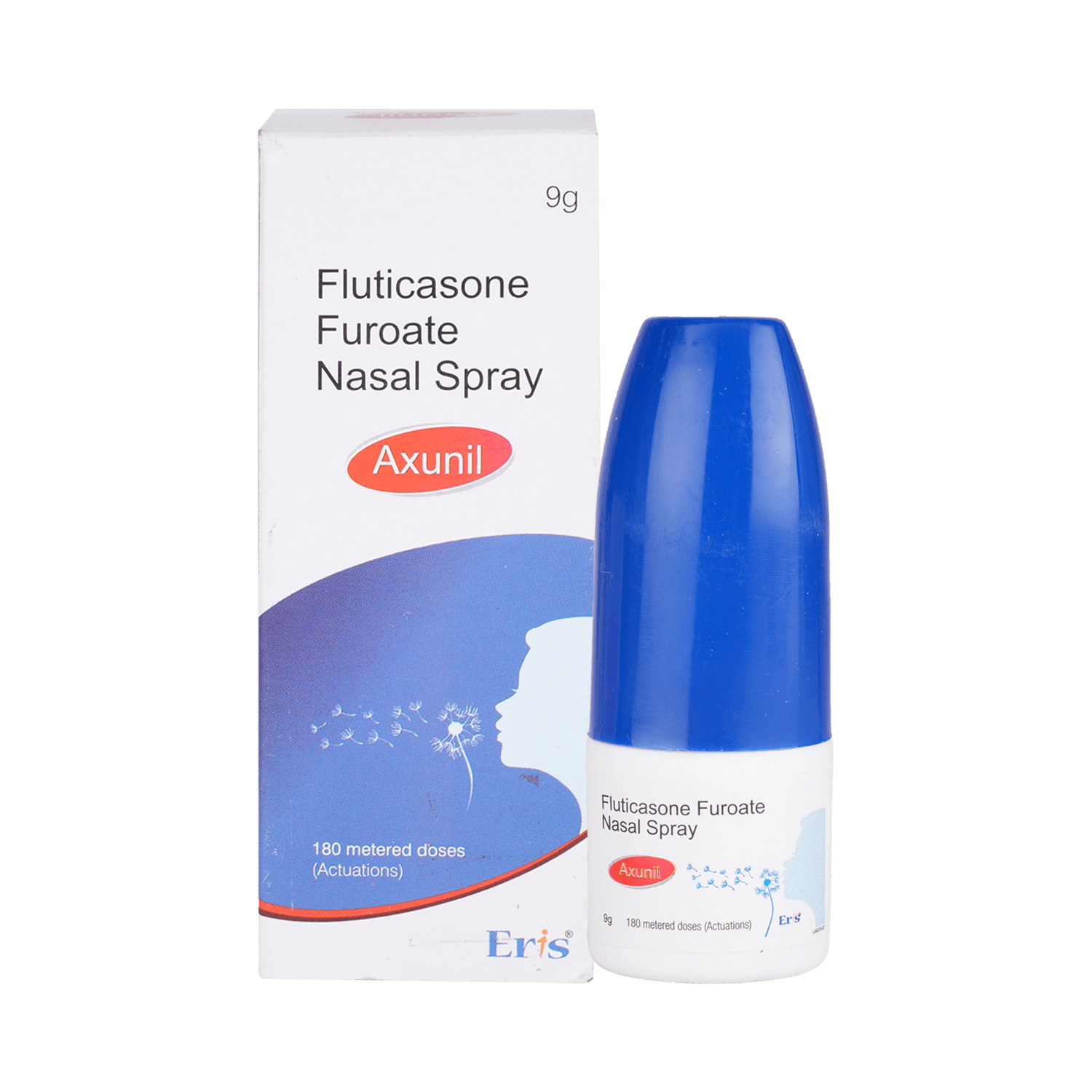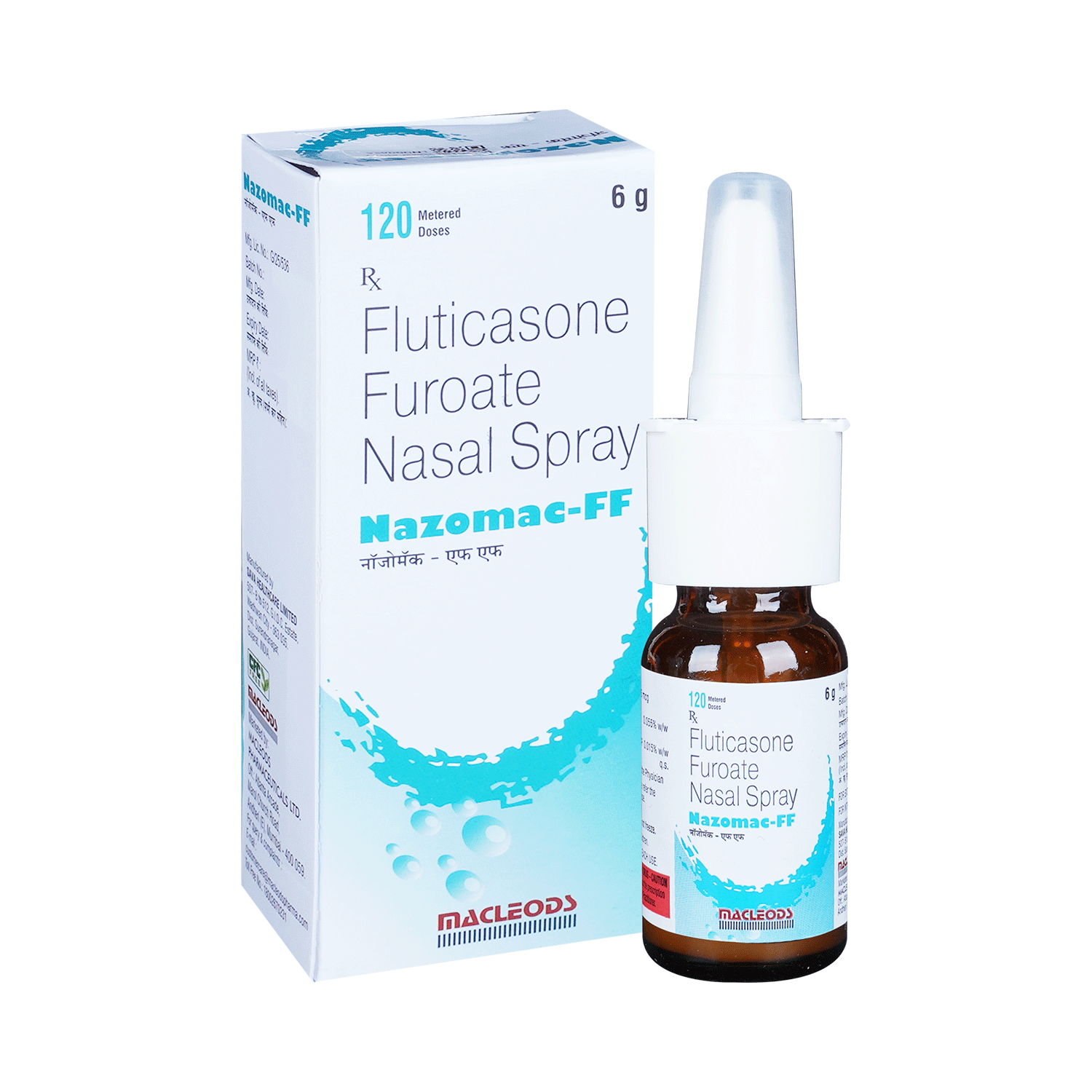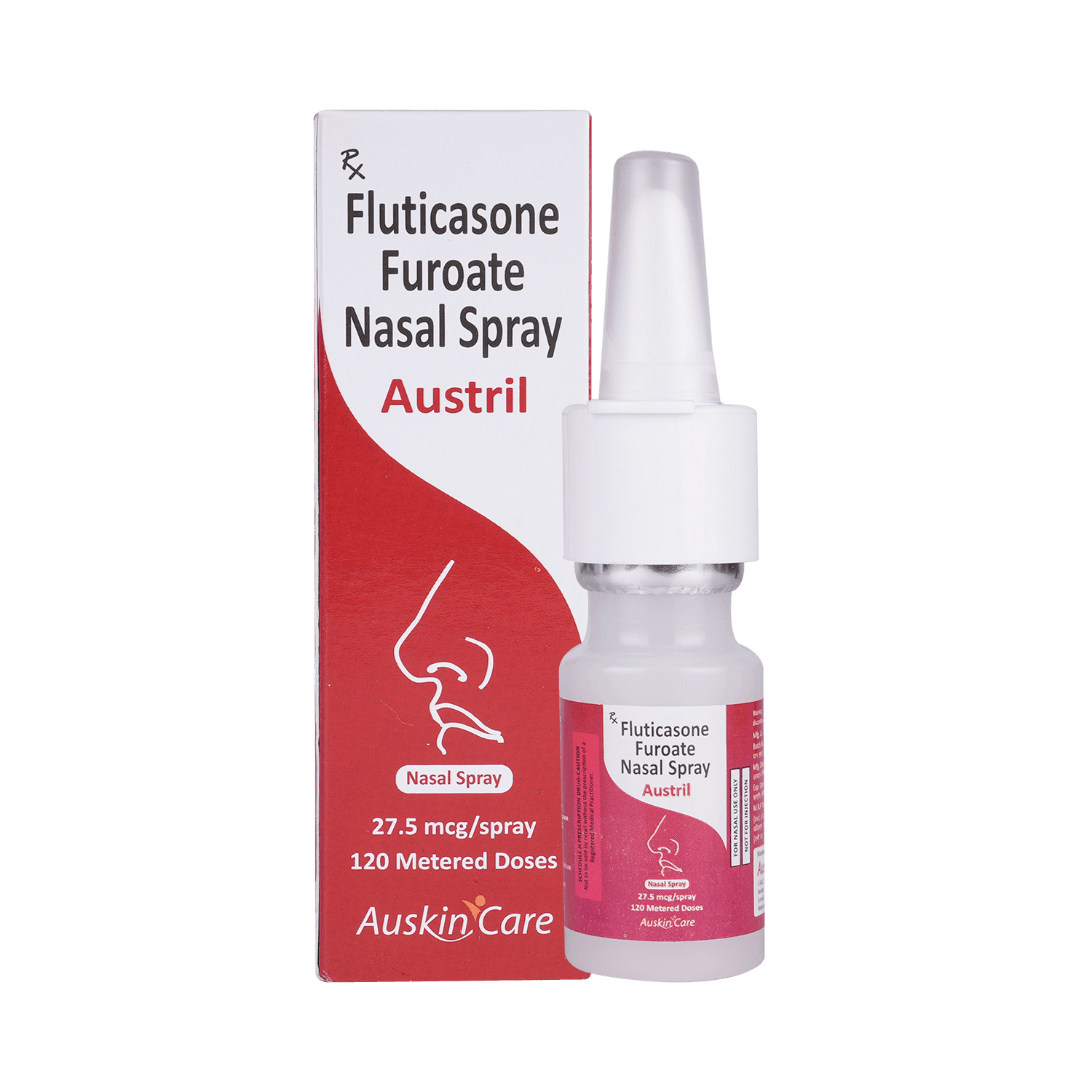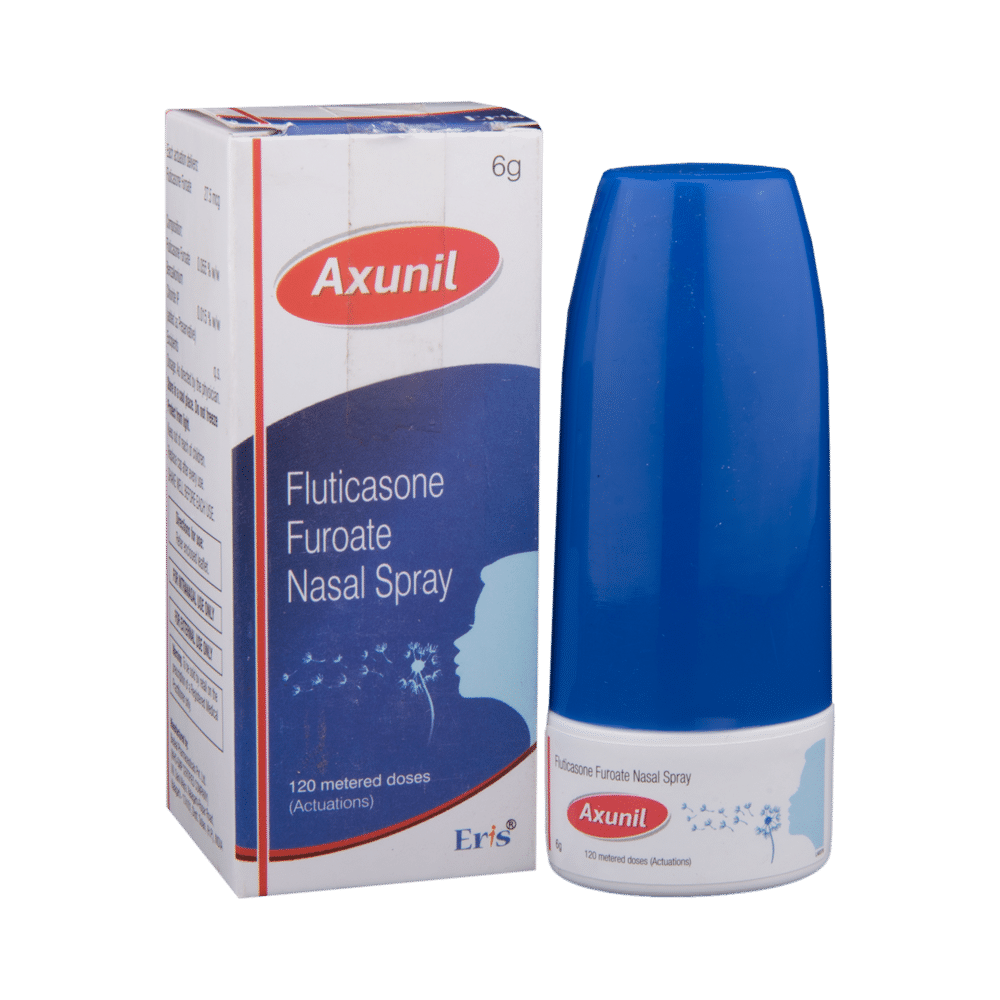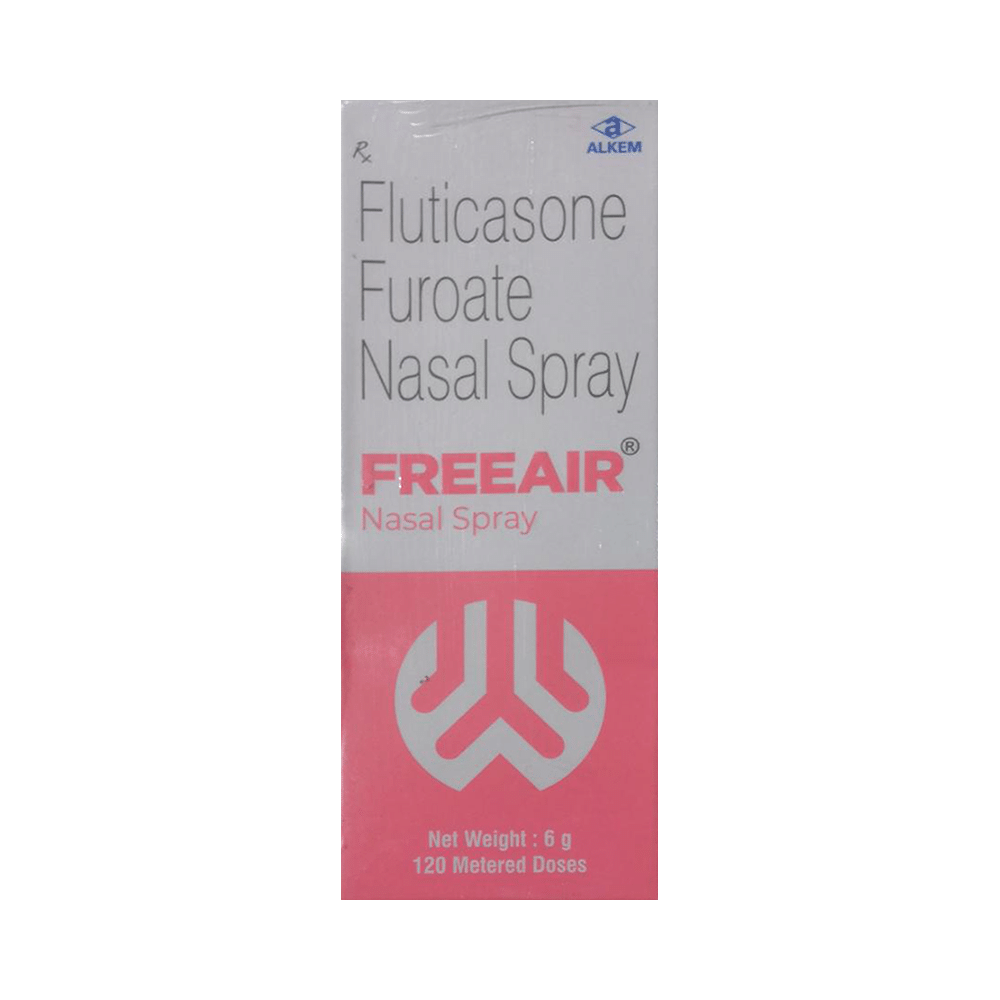
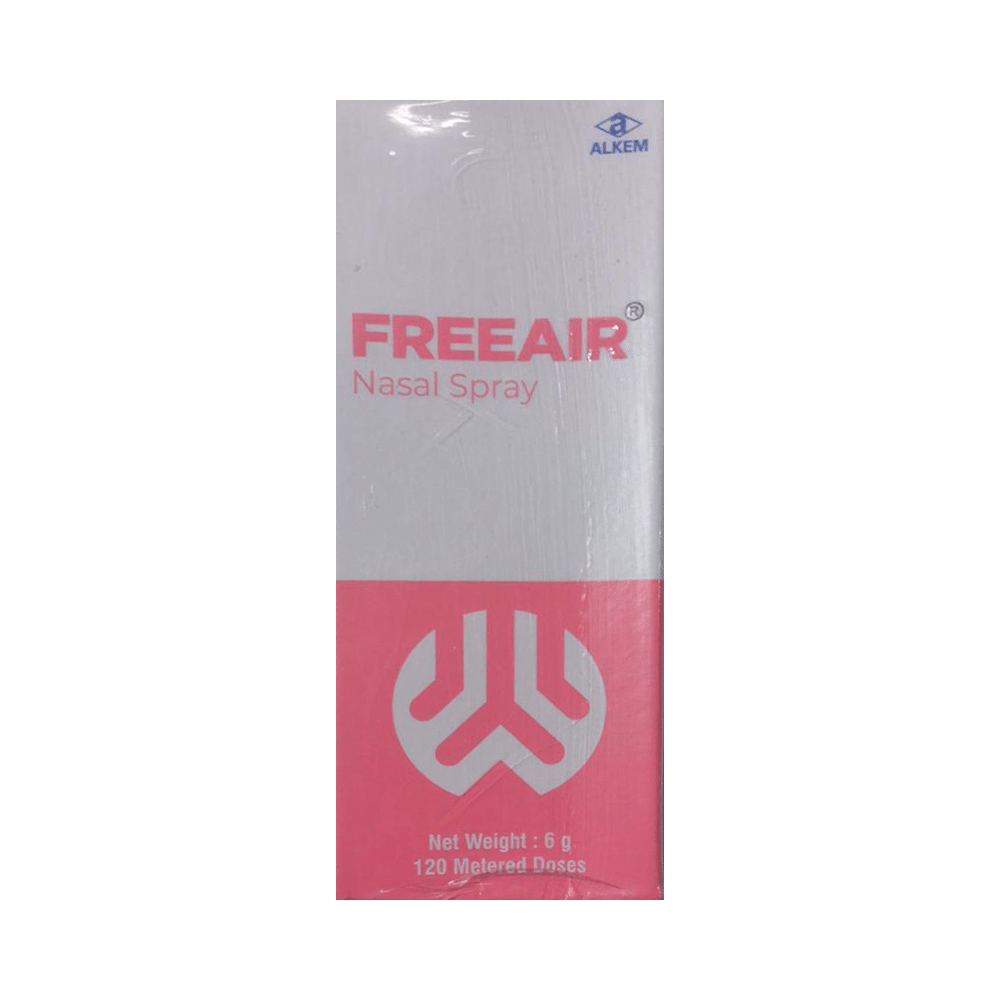
Freeair Nasal Spray
1 Bottle of 6 Gm.Prescription required
About this product:
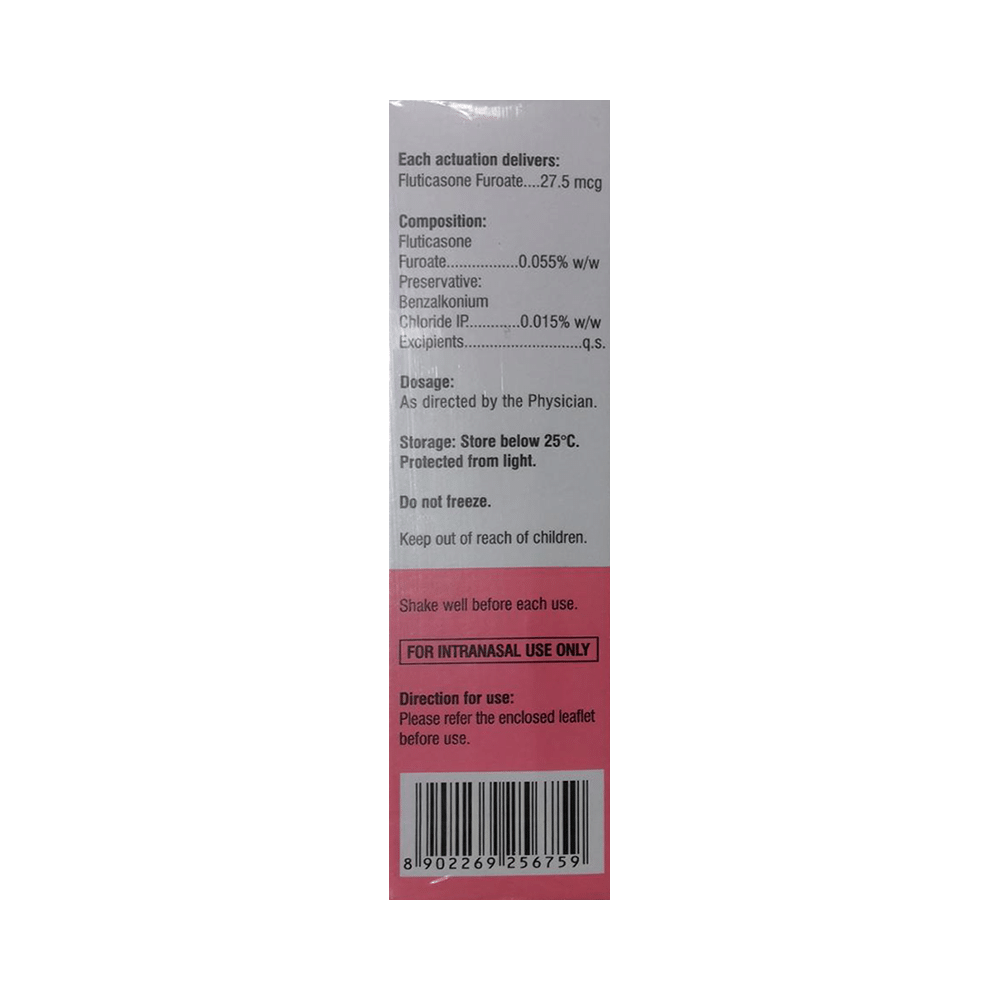
| Salt Composition: | Fluticasone (0.055%w/w) + Benzalkonium Chloride (0.015%w/w) |
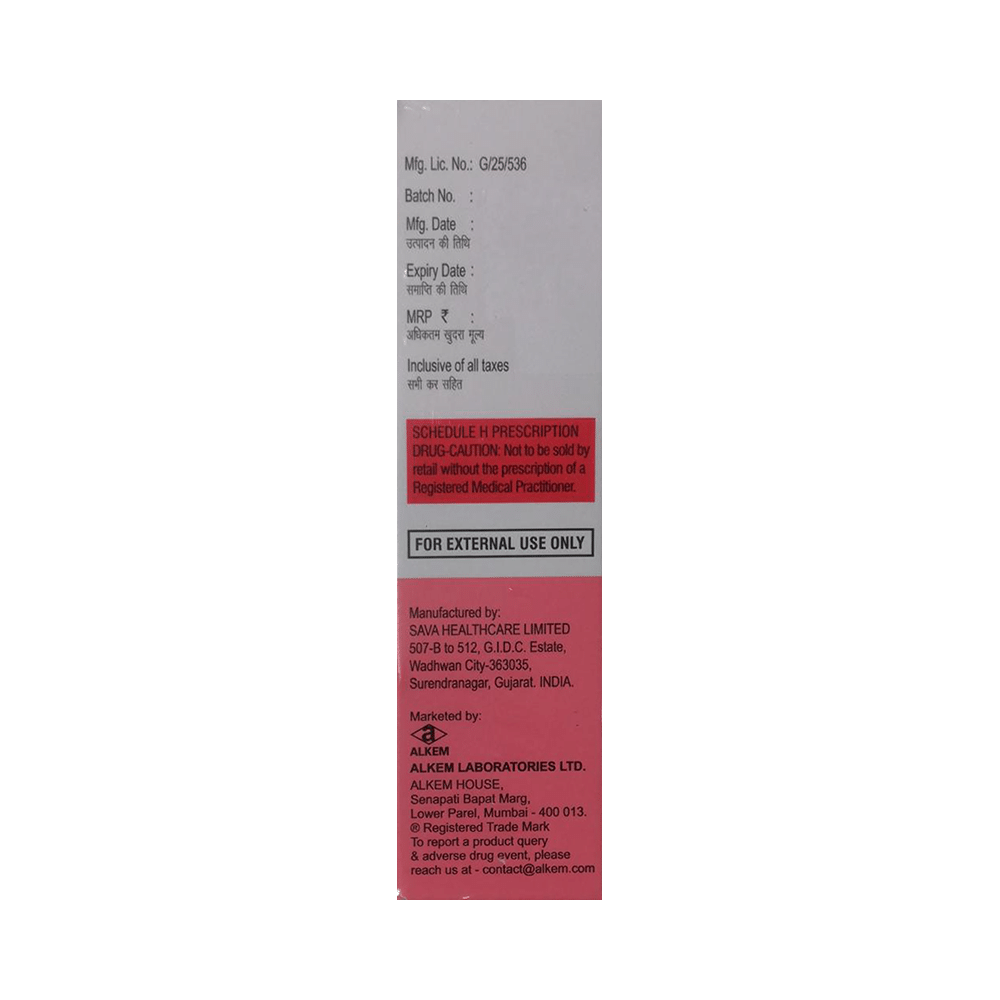
| Manufacturer: | Alkem Laboratories Ltd |
| Storage: | Below 25 degree celcius |
In Stock
Have doubts about this medicine?
Have doubts about this medicine?
Freeair Nasal Spray is a steroid that relieves symptoms of rhinitis such as runny nose, sneezing, and sinus discomfort by blocking the production of certain chemical messengers that cause inflammation and allergies. You should always use Freeair Nasal Spray as advised by your doctor. To get the full benefit of the medicine you should use it regularly. Normally you should blow your nose gently before using it, keep one nostril closed while applying the medicine into the other, and then sniff hard to make sure it reaches deep into the nose. Then repeat for the other nostril. Nasal irritation is a very common side effect of this medicine. It may also cause nosebleed and headaches in some patients. Talk to your doctor if you are worried about side effects or they do not go away. Using corticosteroids like this medicine makes you more susceptible to viral infections so you should stay away from people who have these infections. In general, you should try to avoid situations which make your symptoms worse (things like pollen and dust mites) and it’s best not to smoke.
Freeair Nasal Spray is a steroid medicine. It works by blocking the production of certain chemical messengers that cause inflammation in the inside of the nose.
How long does Freeair Nasal Spray take to relieve allergy symptoms?
It may take several days of regular use for your allergy symptoms to start improving. If you do not experience relief or if your symptoms worsen, please consult your doctor.
What should I do if I exceed the recommended dose of Freeair Nasal Spray?
It is not advisable to take more than the prescribed dose of this nasal spray or for an extended period, as it may increase the risk of side effects.
I recently had a nose surgery. Can I use Freeair Nasal Spray?
No, you should not use Freeair Nasal Spray if you have had a recent nose surgery or if you have any nose infections as it may lead to nose bleeding and further discomfort in your nose.
Can Freeair Nasal Spray be used to treat an asthma attack?
Freeair Nasal Spray is not suitable for treating asthma attacks. It provides relief from allergy symptoms such as a runny nose, sneezing, and itchy or watery eyes.
I am experiencing headaches after using Freeair Nasal Spray. Is this side effect?
Headaches are a common side effect of this medicine. It is recommended to rest, stay hydrated, and consult with your doctor about pain relief medication. If the headaches persist, please inform your doctor.
What lifestyle changes help manage allergies?
The best way to prevent any sort of allergic reaction is to avoid the substances (dust, pet fur, hair, insect bites, food allergies) you are sensitive to. If you have hay fever, try to minimize outdoor exposure during high pollen periods. Shower and change clothes after spending time outside to wash off pollen. Wearing a mask can also help protect your nasal passages when venturing outdoors.
Use this medicine in the dose and duration as advised by your doctor. Check the label for directions before use. Insert the bottle tip into one nostril and close the other nostril. Direct the spray towards the sides of your nostril away from the cartilage dividing the two sides of your nose. As you spray, breathe gently and keep the head upright. Repeat the same process for the other nostrils.
- Before using Freeair Nasal Spray inform your doctor if you have an infection in your nose or recently had any surgery on your nose.
- Do not increase the prescribed dose and inform the doctor if your symptoms do not improve or worsen.
- Avoid using Freeair Nasal Spray immediately after washing your face. If it is mixed with certain soaps or gets diluted with water its effectiveness may reduce.
- Do not share the bottle with anyone else so that you do not spread germs.
- Do not use this medicine for longer periods of time than is advised by the doctor.
- Nasal irritation, nosebleed, headaches

Breastfeed
Freeair Nasal Spray is probably safe to use during breastfeeding. Limited human data suggests that the drug does not represent any significant risk to the baby.

Pregnancy
Freeair Nasal Spray may be unsafe to use during pregnancy. Although there are limited studies in humans, animal studies have shown harmful effects on the developing baby. Your doctor will weigh the benefits and any potential risks before prescribing it to you. Please consult your doctor.