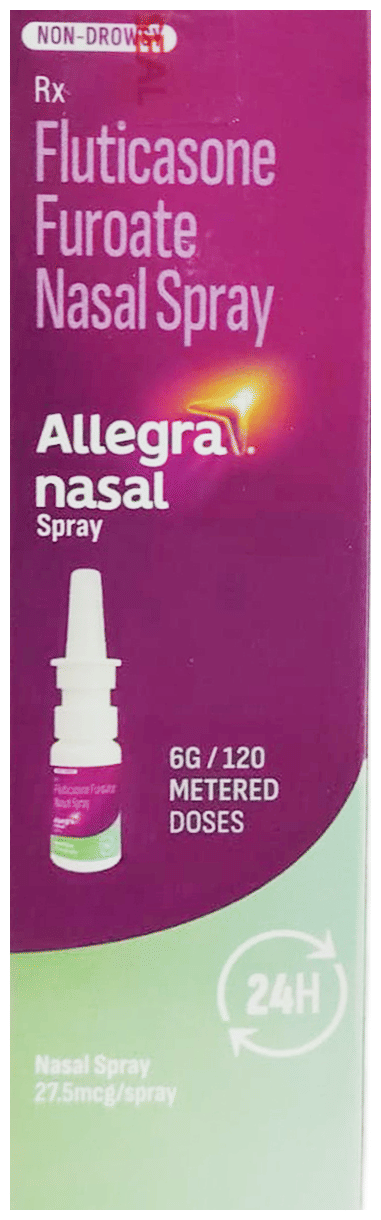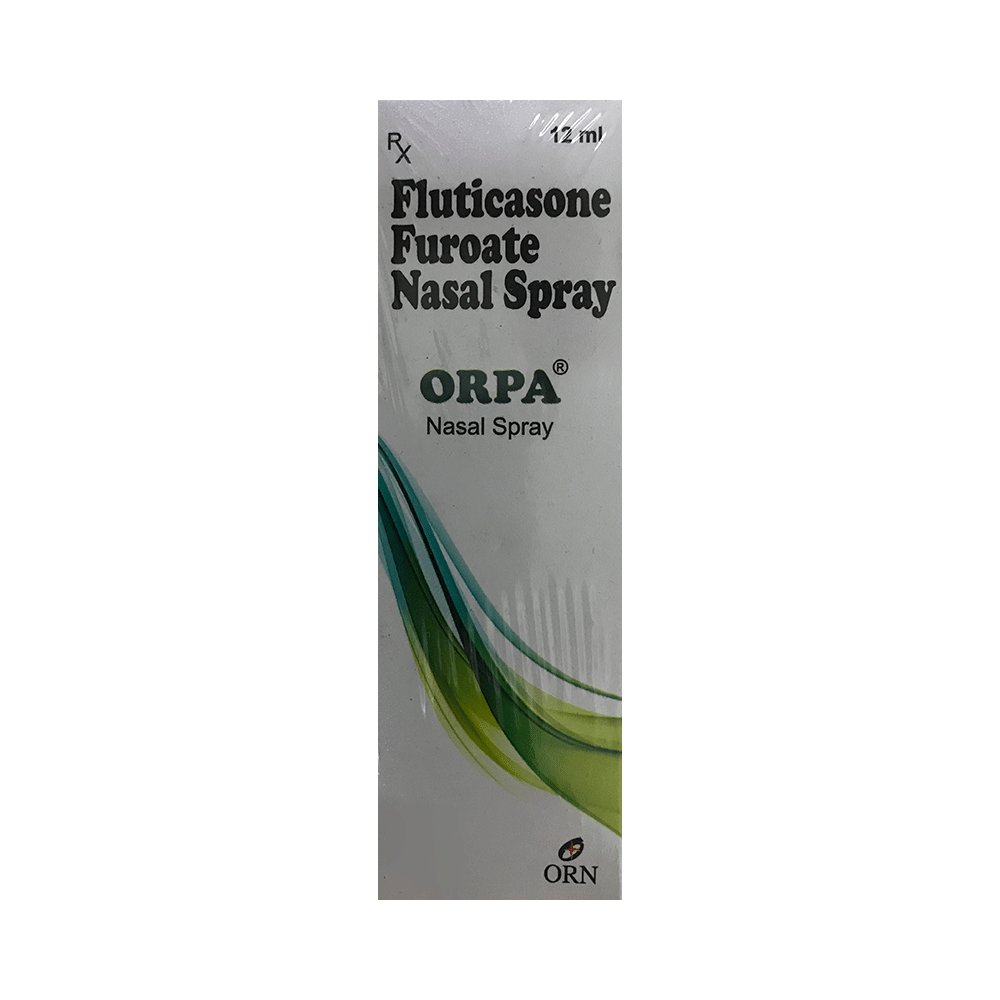
Flocare 27.5mcg Nasal Spray
bottle of 6.0 gm Nasal Spray.Prescription required
About this product:
| Salt Composition: | Fluticasone Furoate (27.5mcg) |
| Manufacturer: | Lividus Pharmaceuticals Pvt Ltd |
| Storage: | Below 25 degree celcius |
Out of Stock
Have doubts about this medicine?
Have doubts about this medicine?
Flocare 27.5mcg Nasal Spray is a steroid that relieves symptoms of allergic rhinitis such as runny nose, sneezing, and sinus discomfort. Flocare 27.5mcg Nasal Spray is a steroid that works by blocking the production of certain chemical messengers that cause inflammation and allergies. It relieves the discomfort and irritation in your nose. You should always use it as advised by your doctor but to get the full benefit you should take it regularly. It may take a few days for the spray to take full effect. If you do not see an improvement in your symptoms after a week you should talk to your doctor.
Flocare 27.5mcg Nasal Spray is a steroid which works by blocking the production of certain chemical messengers in the body that cause inflammation (redness and swelling) and allergies.
How does Flocare 27.5mcg Nasal Spray work as a corticosteroid to alleviate allergy symptoms?
Flocare 27.5mcg Nasal Spray reduces inflammation caused by allergies by blocking the release of certain natural substances that lead to allergic symptoms such as swelling, redness and pain.
Can Flocare 27.5mcg Nasal Spray cause severe allergic reactions in rare cases?
Yes, Flocare 27.5mcg Nasal Spray can cause serious allergic reactions such as rash, hives, breathing difficulty, swelling of the face, throat and tongue. It may also cause low blood pressure which could lead to lightheadedness or even fainting. If you experience any of these symptoms, contact your doctor immediately.
Does Flocare 27.5mcg Nasal Spray contribute to the development of chickenpox due to its immune-suppressing properties?
Yes, as a corticosteroid, Flocare 27.5mcg Nasal Spray can weaken the immune system and make you more susceptible to infections like chickenpox. If you develop chickenpox while using this medication, stop taking it immediately and consult your doctor.
How long should I use Flocare 27.5mcg Nasal Spray for allergy symptoms?
Continue using Flocare 27.5mcg Nasal Spray as long as you are exposed to the allergen that triggers your symptoms. Consult your doctor if you have any concerns about the duration of treatment.
Are there potential side effects associated with long-term use of Flocare 27.5mcg Nasal Spray?
Long-term use of Flocare 27.5mcg Nasal Spray can lead to side effects such as nosebleeds, hole in nasal cartilage and visual disturbances due to cataract or glaucoma. High doses may also increase the risk of weakening bones (osteoporosis) and diabetes.
Can Flocare 27.5mcg Nasal Spray cause thrush, a fungal infection of the nose and throat?
Yes, Flocare 27.5mcg Nasal Spray can cause thrush as a common side effect. To prevent this, thoroughly rinse your mouth after using the nasal spray. If you experience redness or white patches in your nose or mouth, inform your doctor.
Is Flocare 27.5mcg Nasal Spray suitable for treating runny nose and sneezing due to a common cold?
No, Flocare 27.5mcg Nasal Spray is only intended for allergic rhinitis and should not be used to treat symptoms of a common cold, which can be caused by viral infections.
Use this medicine in the dose and duration as advised by your doctor. Check the label for directions before use. Insert the bottle tip into one nostril and close the other nostril. Direct the spray towards the sides of your nostril away from the cartilage dividing the two sides of your nose. As you spray, breathe gently and keep the head upright. Repeat the same process for the other nostrils.
- The right way to use the nasal spray:
- Shake the bottle before using the medicine.
- Clean your nose thoroughly before using the medicine.
- Insert the bottle tip into one nostril and close the other nostril.
- Direct the spray towards the sides of your nostril away from the cartilage dividing the two sides of your nose.
- Breathe out gently through your mouth and repeat the same process for the other nostril.
- Avoid deep breathing as it will cause medication to go back to the throat and make it less effective.
- Do not share the bottle with anyone else so that you do not spread germs.
- Flocare 27.5mcg Nasal Spray should be avoided in patients with recent nasal ulcers, nasal surgery, or nasal trauma.
- Nasal discomforts such as burning or itching
- Nosebleeds
- Nasal inflammation
- Headaches

Breastfeed
Flocare 27.5mcg Nasal Spray is probably safe to use during breastfeeding. Limited human data suggests that the drug does not represent any significant risk to the baby. Use of Flocare 27.5mcg Nasal Spray in breastfeeding mothers should only be considered if the expected benefit to the mother is greater than any possible risk to the baby.

Pregnancy
Flocare 27.5mcg Nasal Spray may be unsafe to use during pregnancy. Although there are limited studies in humans, animal studies have shown harmful effects on the developing baby. Your doctor will weigh the benefits and any potential risks before prescribing it to you. Please consult your doctor.