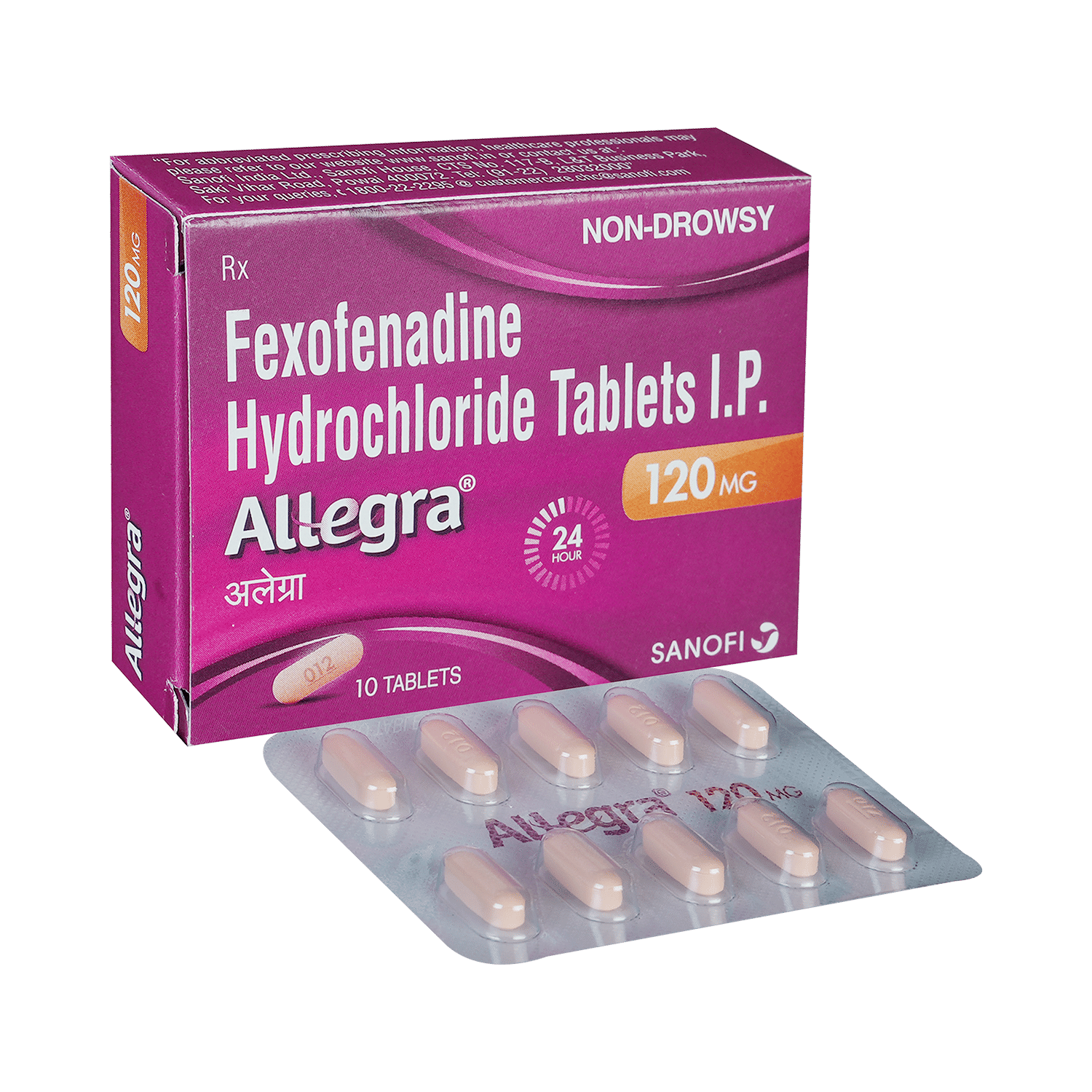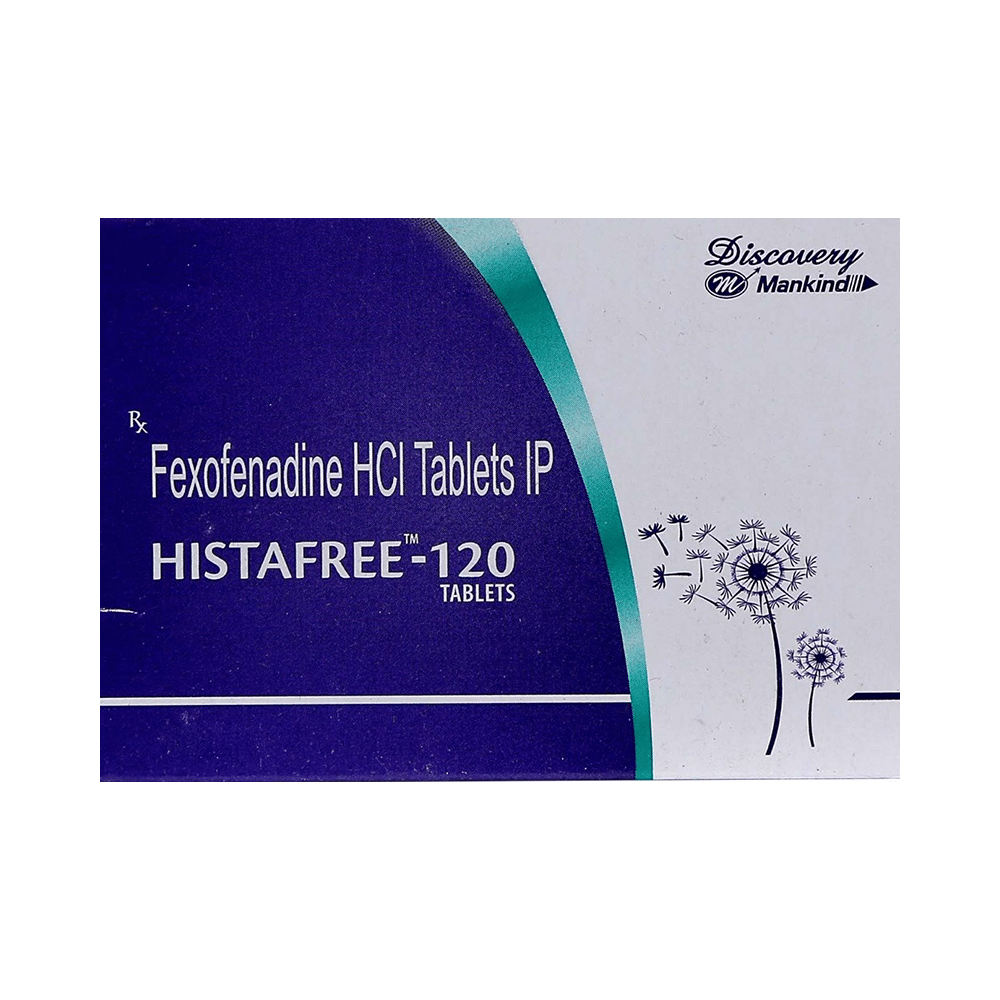
Fexodine 120mg Tablet
strip of 10.0 tablets.Prescription required
About this product:
| Salt Composition: | Fexofenadine (120mg) |
| Manufacturer: | Cipla Ltd |
| Storage: | Below 25 degree celcius |
Out of Stock
Have doubts about this medicine?
Have doubts about this medicine?
Fexodine 120mg Tablet is an anti-allergy medicine used in the treatment of allergic symptoms such as runny nose, congestion or stuffiness, sneezing, itching, swelling, and watery eyes. Fexodine 120mg Tablet may be taken with or without food in the dose and duration as advised by the doctor. The dose you are given will depend on your condition and how you respond to the medicine. You should keep taking this medicine for as long as your doctor recommends. Do not stop taking it without consulting your doctor. The most common side effects are headache, drowsiness, dizziness, and nausea. Most of these are temporary and usually resolve with time. Please consult your doctor if any of these side effects do not resolve or persist for a longer duration.
Fexodine 120mg Tablet belongs to a class of medicines called antihistamines. It blocks the effects of a chemical called histamine which is responsible for causing inflammation and its associated symptoms such as itching, redness, swelling, and irritation.
What is Fexodine 120mg Tablet used for?
Fexodine 120mg Tablet is used to treat seasonal allergic conditions, such as hay fever. It helps relieve symptoms like nose congestion (allergic rhinitis), sneezing, runny nose, itchy eyes, excessive tearing, and other allergy-related discomfort.
What should I tell my doctor before starting treatment with Fexodine 120mg Tablet?
Before taking Fexodine 120mg Tablet, tell your doctor if you have any other health issues like kidney, heart, or liver problems. This is because certain medical conditions might affect how the medication works and your dose may need to be adjusted. Also, let your doctor know about all the other medications you are currently taking because they may interact with Fexodine 120mg Tablet.
What if I forget to take a dose of Fexodine 120mg Tablet?
If you miss a dose of Fexodine 120mg Tablet, take it as soon as you remember. However, if it's almost time for your next scheduled dose, skip the missed dose and take the next one at the prescribed time. Do not double the dosage to make up for the missed dose as this can increase the risk of side effects.
Who should not take Fexodine 120mg Tablet?
Fexodine 120mg Tablet should not be given to patients with known allergies to any other ingredients in the medication. Signs of an allergic reaction may include skin rash, shortness of breath, and swelling of the face or tongue.
Can I stop taking Fexodine 120mg Tablet if I feel better?
No, you should not stop taking Fexodine 120mg Tablet even if you feel better unless your doctor tells you to stop. Stopping the medication suddenly might cause a return of symptoms and worsen your condition. Consult your doctor if you're unsure.
Is Fexodine 120mg Tablet an antibiotic?
No, Fexodine 120mg Tablet is not an antibiotic. It is an anti-allergy medication designed to treat allergy symptoms like sneezing, stuffy or runny nose, hives, etc. Antibiotics are used to fight bacterial infections.
Can Fexodine 120mg Tablet cause dizziness?
Yes, some patients may experience dizziness (feeling faint, weak, unsteady, or lightheaded) while taking Fexodine 120mg Tablet. If you feel dizzy or lightheaded, do not drive or operate machinery. It's best to rest and resume your activities when you feel better.
Take this medicine in the dose and duration as advised by your doctor. Swallow it as a whole. Do not chew, crush or break it. Fexodine 120mg Tablet may be taken with or without food but it is better to take it at a fixed time.
- Avoid drinking fruit juices (such as apple or orange) as this may affect the absorption of this medicine and cause more side effects.
- It may cause nausea. Stick to simple meals and do not eat rich or spicy food.
- Avoid using antacids 30 minutes before or after taking this medicine. It can make it harder for your body to absorb this medicine.
- Never give the medicine to someone who seems to be suffering from a similar illness. This medicine should be taken only if prescribed by a doctor.
- No common side effects listed.

Alcohol
It is not known whether it is safe to consume alcohol with Fexodine 120mg Tablet. Please consult your doctor.

Breastfeed
Fexodine 120mg Tablet is safe to use during breastfeeding. Human studies suggest that the drug does not pass into the breastmilk in a significant amount and is not harmful to the baby.

Pregnancy
Fexodine 120mg Tablet may be unsafe to use during pregnancy. Although there are limited studies in humans, animal studies have shown harmful effects on the developing baby. Your doctor will weigh the benefits and any potential risks before prescribing it to you. Please consult your doctor.