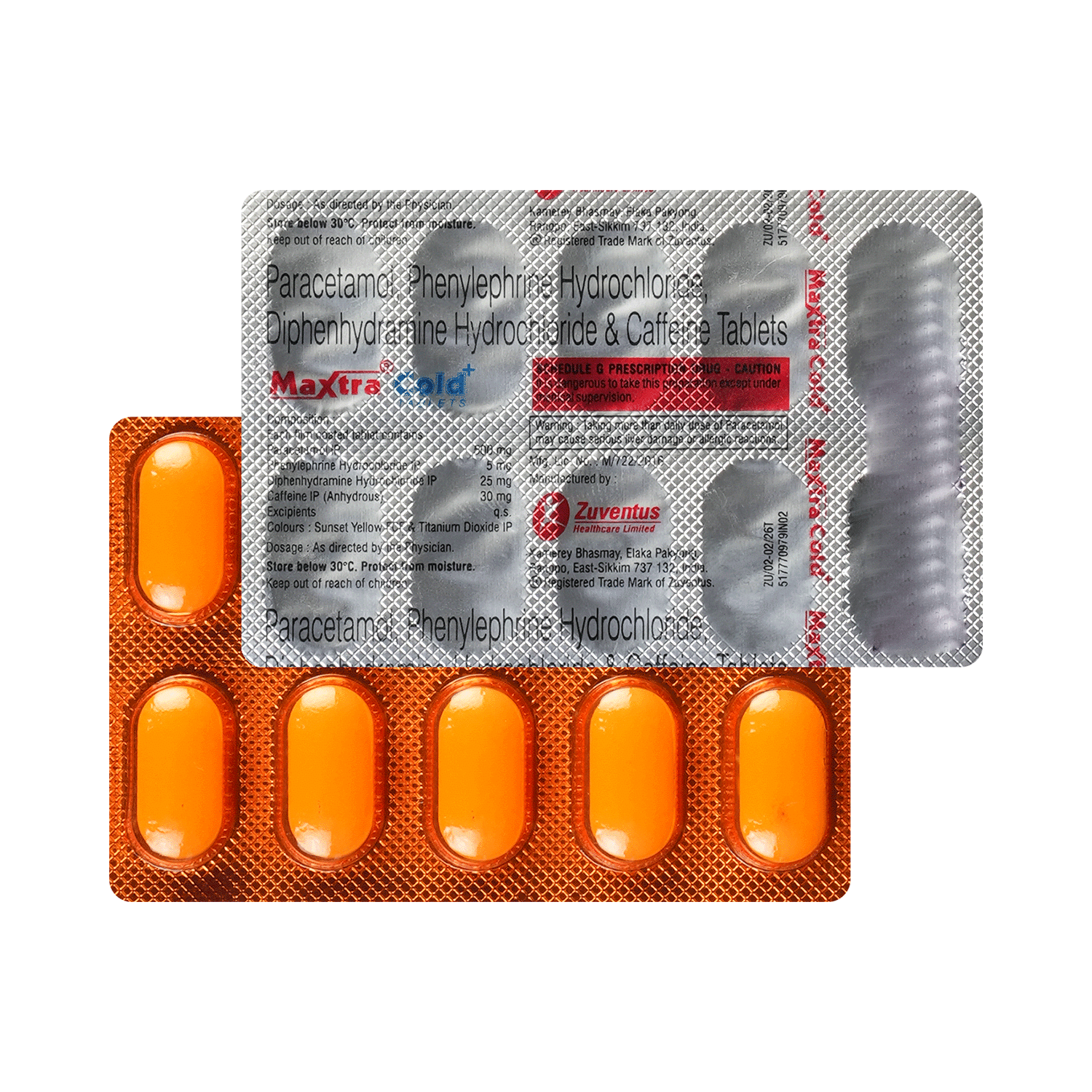
Fencaf Tablet
strip of 10.0 tablets.Prescription required
About this product:
| Salt Composition: | Caffeine (30mg) + Diphenhydramine (25mg) + Paracetamol (325mg) + Phenylephrine (5mg) |
| Manufacturer: | Biocorp Life Sciences Pvt Ltd |
| Storage: | Below 25 degree celcius |
Out of Stock
Have doubts about this medicine?
Have doubts about this medicine?
Fencaf Tablet is used to treat common cold symptoms, providing temporary relief from stuffiness in the nose and relieving allergy symptoms like runny nose and watery eyes. Fencaf Tablet is taken with or without food in a dose and duration as advised by the doctor. It is better to take it with food to avoid stomach upset. The dose you are given will depend on your condition and how you respond to the medicine. You should keep taking this medicine for as long as your doctor recommends. If you stop treatment too early your symptoms may come back and your condition may worsen. Let your doctor know about all other medications you are taking as some may affect or be affected by this medicine.
Fencaf Tablet is a combination of four medicines: Caffeine, Diphenhydramine, Paracetamol, and Phenylephrine, which relieves common cold symptoms.
What is Fencaf Tablet?
Fencaf Tablet contains a combination of paracetamol, caffeine, diphenhydramine, and phenylephrine. This combination is formulated to relieve symptoms associated with common cold ailments like body aches, headaches, fatigue, fever, watery eyes, sneezing, cough, sore throat, runny and stuffy nose.
Are there any foods that I need to avoid while taking Fencaf Tablet?
As Fencaf Tablet contains caffeine, it's advisable to avoid consuming further caffeine or food items with high caffeine content. This includes coffee, tea, cola drinks, and chocolate. Additionally, abstaining from alcohol (beer, wine, etc.) is recommended during treatment.
Can the use of Fencaf Tablet cause sleepiness or drowsiness?
Yes, Fencaf Tablet may induce feelings of sleepiness or drowsiness. It's recommended to refrain from operating machinery, driving a vehicle, working at heights, or engaging in potentially dangerous activities until you understand how this medicine affects you.
Are there any serious side effects associated with the use of Fencaf Tablet?
Serious side effects with Fencaf Tablet are rare and uncommon. If you experience allergic reactions, skin rash or peeling, mouth ulcers, breathing problems, unexplained bleeding, recurrent fevers or infections, vision disturbances, fast or irregular heartbeat, immediately report these symptoms to your doctor.
Can I breastfeed while taking Fencaf Tablet?
No, it is not advised to breastfeed while taking Fencaf Tablet. The presence of diphenhydramine in the medicine may pass into breast milk and potentially harm a nursing infant. Inform your doctor if you are breastfeeding.
Will a higher than the recommended dose of Fencaf Tablet be more effective?
No, taking a higher than the recommended dose will not enhance its effectiveness. In fact, it may increase the likelihood of experiencing serious side effects and even toxicity. If your symptoms are not relieved by the recommended dosage or if they worsen, consult your doctor.
Are there any contraindications associated with use of Fencaf Tablet?
Fencaf Tablet is not advised for individuals with high blood pressure (hypertension), cardiovascular disorders, or a history of stomach ulcers or hyperthyroidism unless cleared by your doctor. Additionally, avoid taking Fencaf Tablet if you are currently on antidepressant drugs (monoamine oxidase inhibitors like phenelzine and isocarboxazid, or tricyclic antidepressants like imipramine and amitriptyline).
What are the instructions for the storage and disposal of Fencaf Tablet?
Store this medication in its original packaging, tightly sealed. Follow the storage instructions provided on the label. Do not consume unused medicine and dispose of it safely to prevent it from being accessed by children, pets, or others.
Take this medicine in the dose and duration as advised by your doctor. Swallow it as a whole. Do not chew, crush or break it. Fencaf Tablet may be taken with or without food but it is better to take it at a fixed time.
- Fencaf Tablet is prescribed to get relief from symptoms of common cold.
- Take exactly as directed by your doctor or on the label. Do not increase the dosage or take for longer than is recommended.
- Inform your doctor if you are taking any other medications for cold.
- Call your doctor if your symptoms have not improved within seven days of treatment or if you develop a fast or uneven heartbeat, severe dizziness or anxiety, severe headache, fever, or rash.
- Inform your doctor if you are taking any antidepressants.

Alcohol
It is unsafe to consume alcohol with Fencaf Tablet.

Breastfeed
Fencaf Tablet is probably safe to use during breastfeeding. Limited human data suggests that the drug does not represent any significant risk to the baby.

Pregnancy
Fencaf Tablet may be unsafe to use during pregnancy. Although there are limited studies in humans, animal studies have shown harmful effects on the developing baby. Your doctor will weigh the benefits and any potential risks before prescribing it to you. Please consult your doctor.