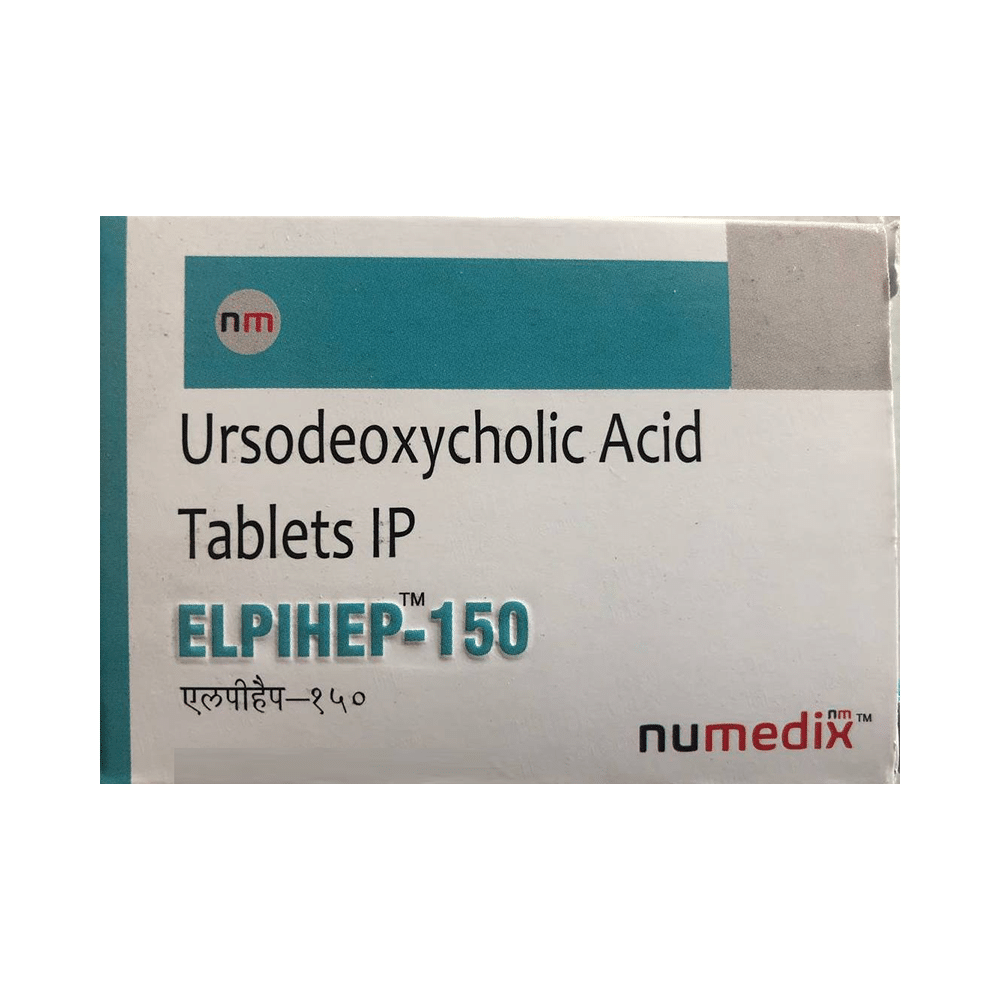
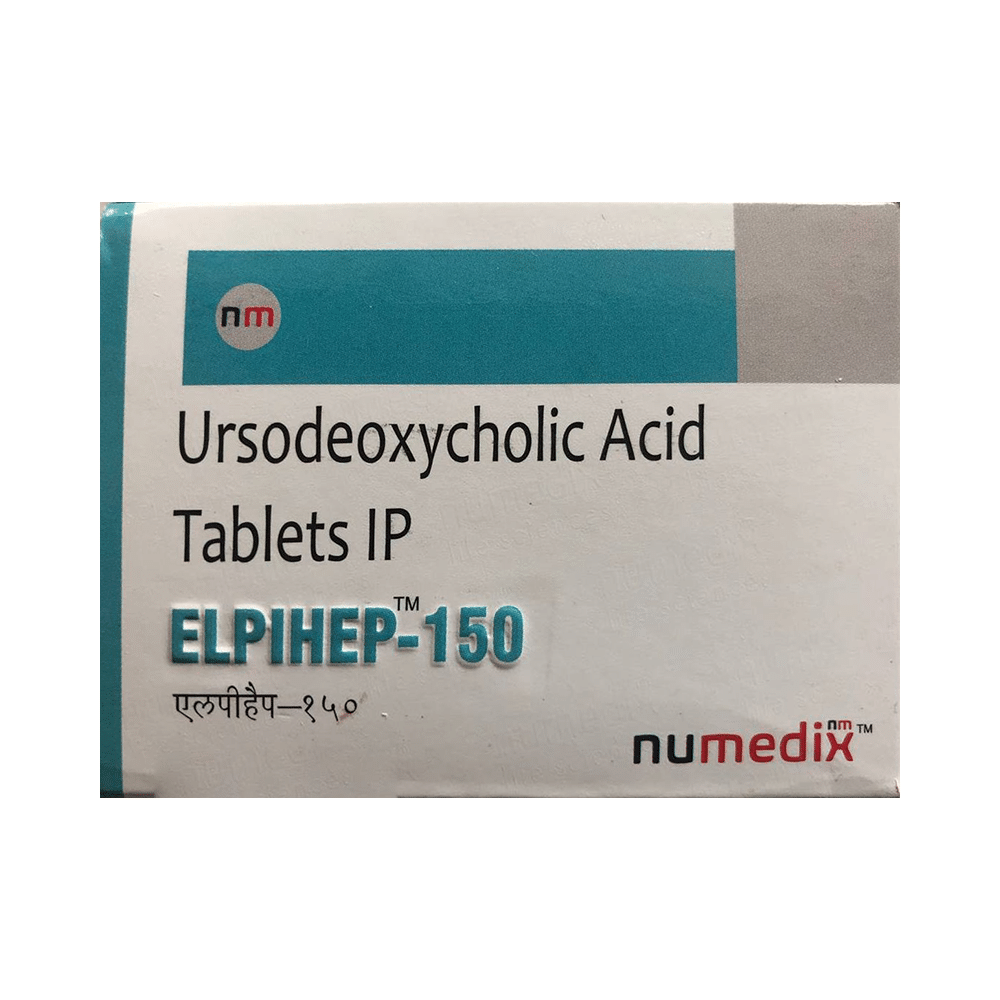
Elpihep 150 Tablet
strip of 10.0 tablets.Prescription required
About this product:
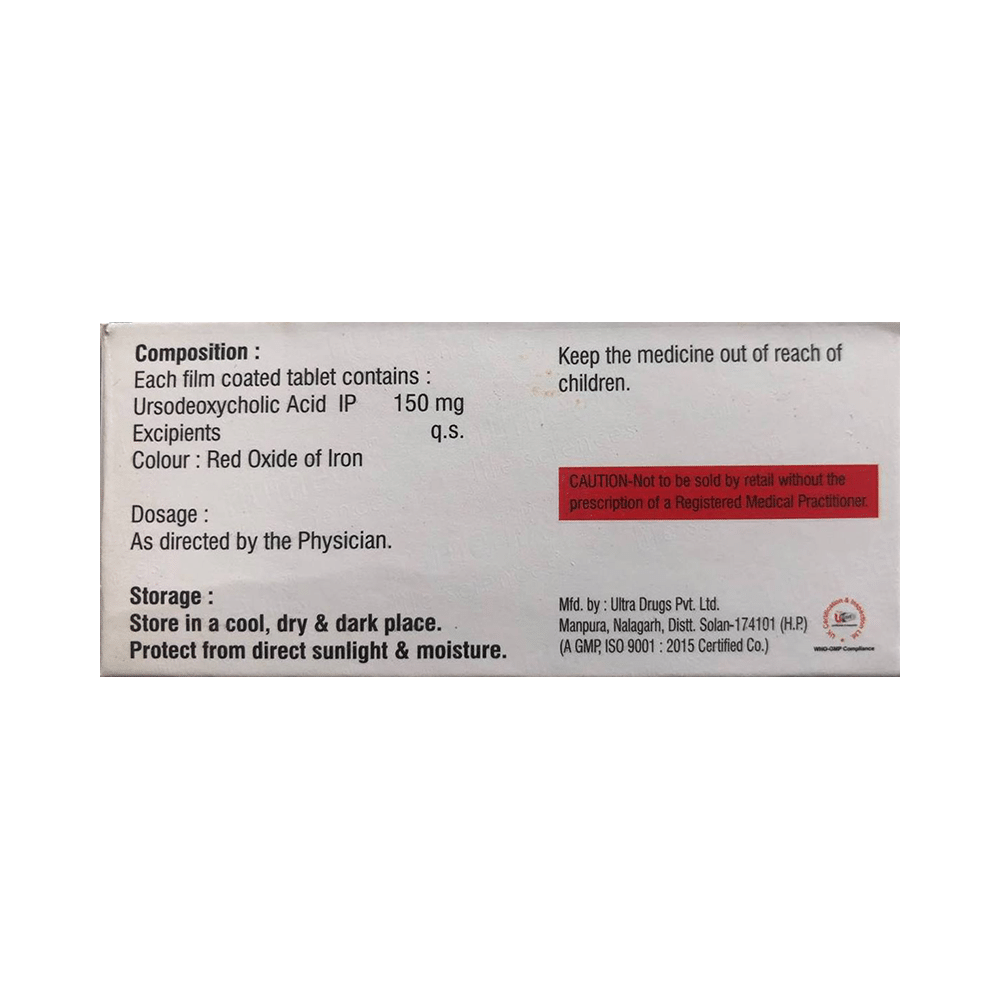
| Salt Composition: | Ursodeoxycholic Acid (150mg) |
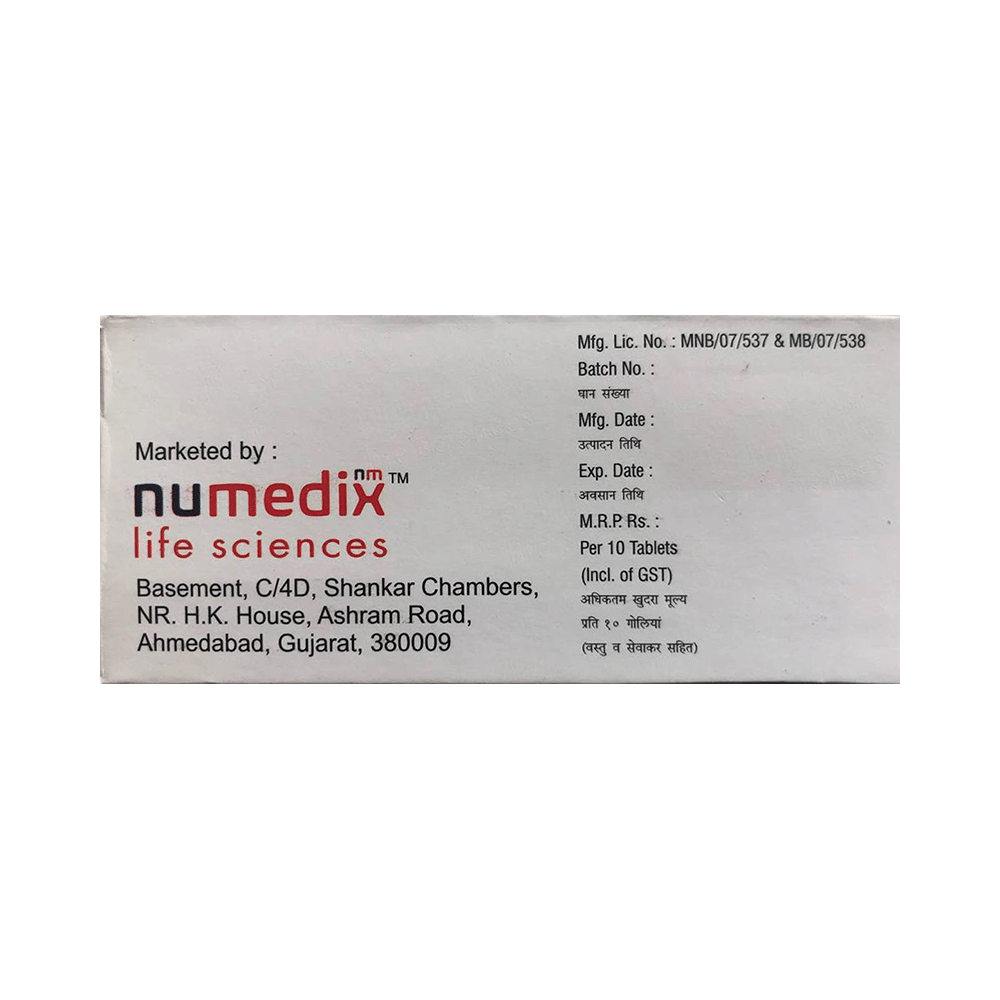
| Manufacturer: | Numedix Life Sciences |
| Storage: | Below 25 degree celcius |
Out of Stock
Have doubts about this medicine?
Have doubts about this medicine?
Elpihep 150 Tablet is used to dissolve certain gallstones and prevent them from forming. It is also used to treat a type of liver disease called primary biliary cirrhosis. Elpihep 150 Tablet should be swallowed whole after a meal and with a glass of milk or water. The dose will depend on what you are being treated for and your body weight. Take it regularly to get maximum benefit and keep taking it for as long as prescribed (several months or longer). Keep taking it even if your symptoms disappear. This medicine's most common side effects are abdominal pain, diarrhea, hair loss, itching, nausea, and rash. Not everyone gets these side effects. If you are worried about them or they do not go away, let your doctor know. Before taking this medicine, you should tell your doctor if you have an inflammation of the gallbladder or bile ducts, you get frequent cramp-like pain in your upper abdomen, you have been coughing up blood or you have gained weight rapidly. Using this medicine can reduce or increase the effect of some other medicines so tell your doctor all other medicines you are taking. Women should discontinue hormonal birth control pills as they can increase the production of gallstones. During the treatment, you may need ultrasound scans or frequent blood tests to check your liver function.
Elpihep 150 Tablet is a hepatoprotective medication. It works by reducing the amount of cholesterol in the blood and helps dissolve gallbladder stones that are composed mainly of cholesterol. It also improves liver enzymes, protects liver cells from injury caused due to toxic bile acids, and improves liver function.
When should I take Elpihep 150 Tablets?
The suitable timing of taking this medicine might differ depending on your condition. Your doctor may instruct you to take 2 to 3 doses per day, with the last dose taken at bedtime. It's essential to follow your doctor's instructions for when and how to take Elpihep 150 Tablets.
Is Elpihep 150 Tablet safe?
Elpihep 150 Tablet is generally considered a safe and effective medicine. However, like all medications, it may cause some common side effects, such as diarrhea. If you experience persistent or severe diarrhea, consult your doctor, who may adjust your dosage or discontinue treatment if necessary.
How does Elpihep 150 Tablet help the liver?
Elpihep 150 Tablet acts on the liver by suppressing the synthesis and secretion of cholesterol, thereby decreasing the cholesterol levels in bile. This medicine also helps by stopping the intestines from absorbing bile salts and cholesterol, which leads to a reduction in cholesterol saturation in bile and eventual dissolution of gallstones.
Does Elpihep 150 Tablet cause weight gain?
Yes, there is a chance of weight gain with Elpihep 150 Tablet, particularly in patients with liver disease associated with chronic stasis of bile in small bile ducts. This is because the bile cannot flow from the liver to the small intestine, leading to potential weight gain.
What should I avoid while taking Elpihep 150 Tablet?
While taking Elpihep 150 Tablet, it's essential to avoid taking antacid preparations without consulting your doctor, as they can decrease the effectiveness of the medicine. Additionally, medications like cholestyramine or colestipol may affect the efficacy of Elpihep 150 Tablet. Consult your doctor about maintaining an appropriate time gap between these medications.
Take this medicine in the dose and duration as advised by your doctor. Swallow it as a whole. Do not chew, crush or break it. Elpihep 150 Tablet is to be taken with food.
- Take Elpihep 150 Tablet after a meal with a glass of milk or water
- Eat a healthy diet
- Exercise regularly
- Avoid alcohol intake
- Drink plenty of fluids and inform your doctor if diarrhea persists or if you find blood in your stools
- Do not stop taking the medication without talking to your doctor
- Abdominal pain
- Diarrhea
- Hair loss
- Itching
- Nausea
- Rash

Alcohol
Elpihep 150 Tablet may cause excessive drowsiness with alcohol.

Breastfeed
Elpihep 150 Tablet is probably safe to use during breastfeeding. Limited human data suggests that the drug does not represent any significant risk to the baby.

Pregnancy
Elpihep 150 Tablet is generally considered safe to use during pregnancy. Animal studies have shown low or no adverse effects to the developing baby; however, there are limited human studies.