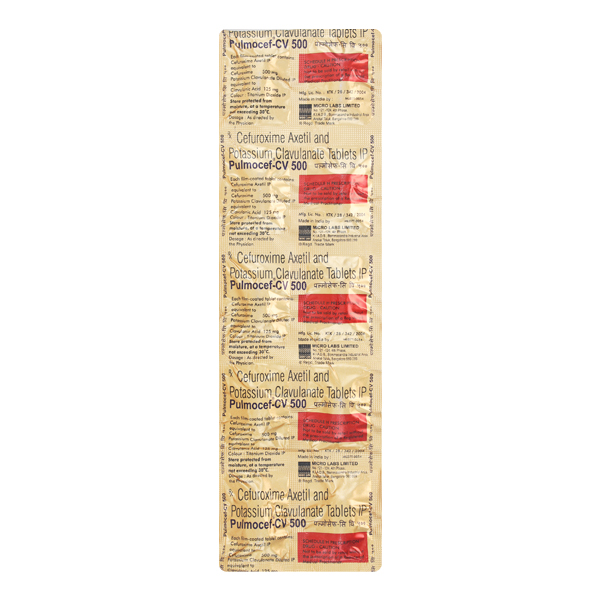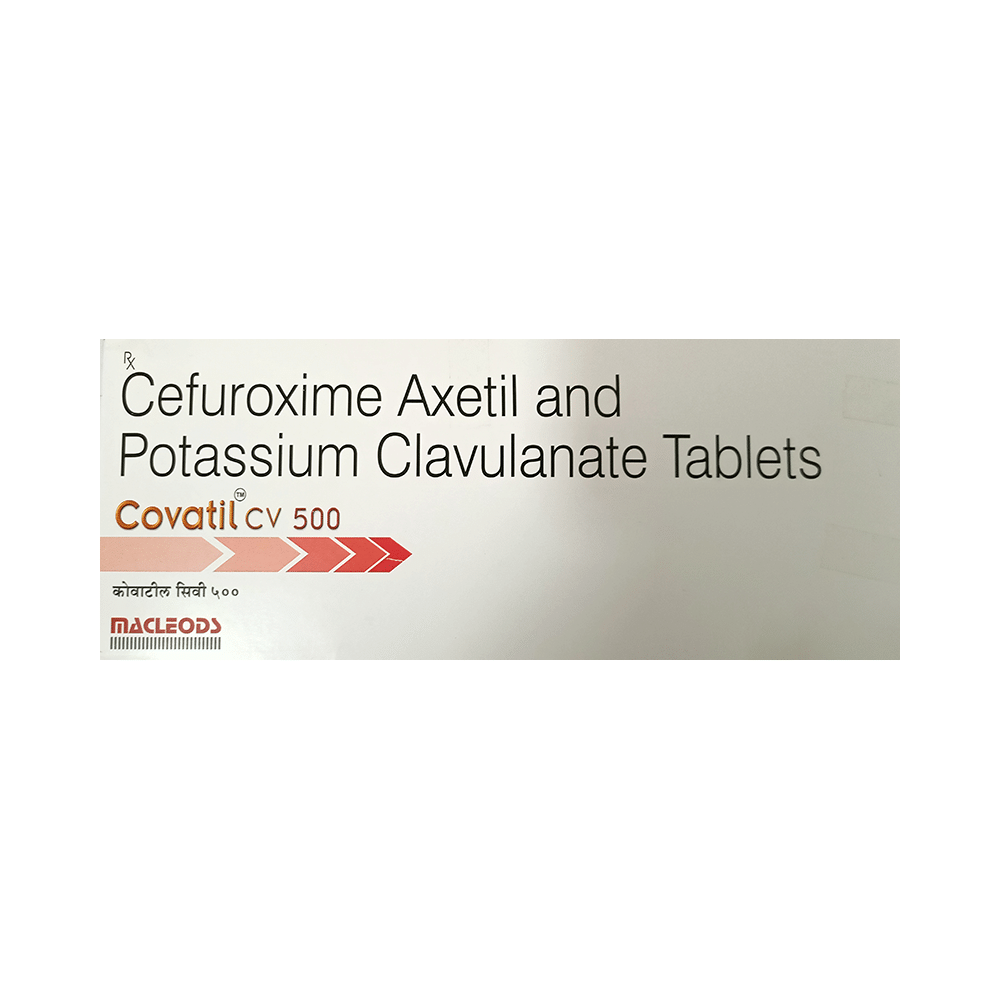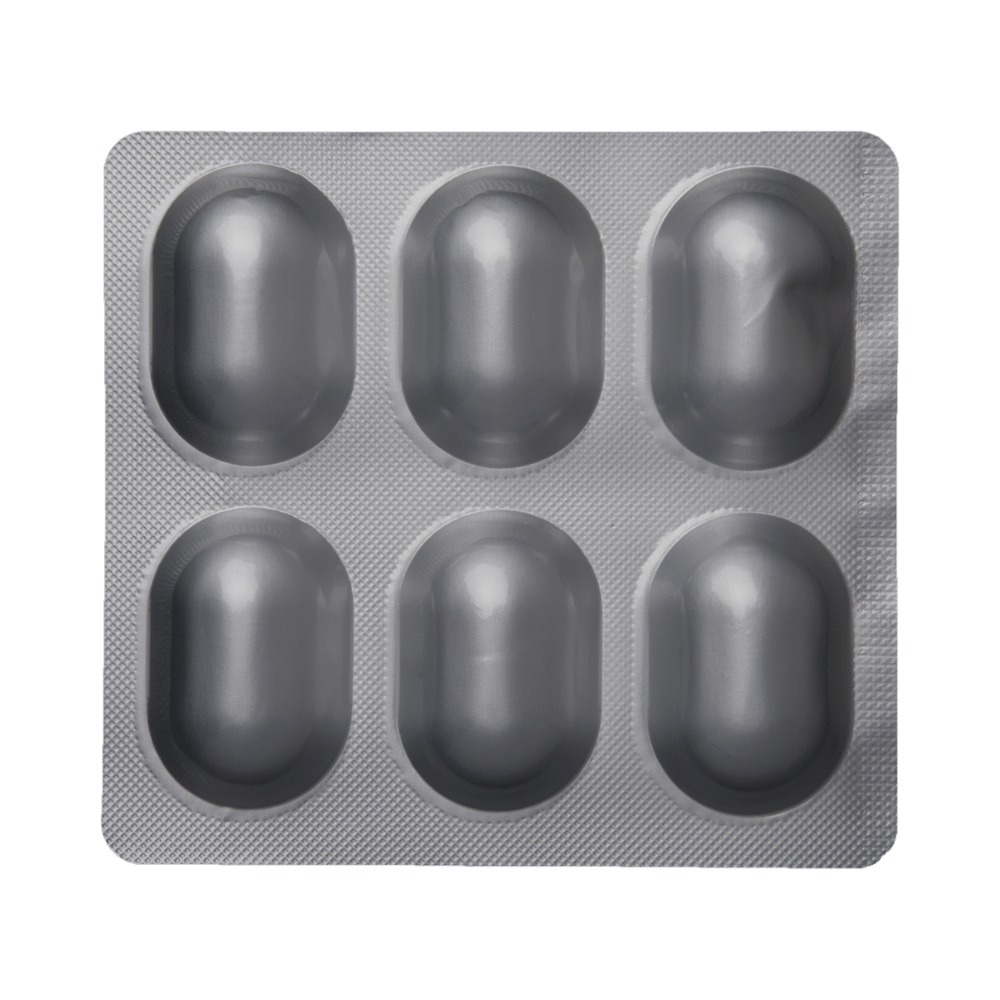
Edrucef CV 500mg/125mg Tablet
strip of 10.0 tablets.Prescription required
About this product:
| Salt Composition: | Cefuroxime (500mg) + Clavulanic Acid (125mg) |
| Manufacturer: | Alna Biotech Pvt Ltd |
| Storage: | Below 25 degree celcius |
Out of Stock
Have doubts about this medicine?
Have doubts about this medicine?
Edrucef CV 500mg/125mg Tablet is a combination medicine that is used to treat various types of bacterial infections. It fights against the microorganisms to prevent their growth and further spread of the infection. Edrucef CV 500mg/125mg Tablet is a prescription medicine. It is advised to take it as per the prescription. It can be taken with or without food but it must be taken at a fixed time to ensure better efficacy. Do not consume more than the recommended dose as this may have harmful effects on your body. If you miss a dose, take it as soon as you remember. The course of the treatment must be completed even if you feel better. Sudden discontinuation of the treatment may affect the potency of the medicine.
Edrucef CV 500mg/125mg Tablet is a combination of two medicines: Cefuroxime and Clavulanic Acid. Cefuroxime is an antibiotic. It works by preventing the formation of the bacterial protective covering which is essential for the survival of bacteria in the human body. Clavulanic Acid is a beta-lactamase inhibitor which blocks the action of enzymes produced by bacteria to inactivate Cefuroxime. Addition of Clavulanic Acid reduces resistance and enhances the activity of Cefuroxime against bacteria.
Can Edrucef CV 500mg/125mg Tablet be used to treat viral infections?
No, Edrucef CV 500mg/125mg Tablet is specifically indicated for the treatment of bacterial infections only. It does not have any effect on viral infections such as the common cold or flu.
What are the contraindications associated with the use of Edrucef CV 500mg/125mg Tablet?
The use of Edrucef CV 500mg/125mg Tablet should be avoided in patients who have a known allergy to any component of this medicine. It is essential to inform your doctor about your medical history before taking this medication to prevent potential side effects.
Can the use of Edrucef CV 500mg/125mg Tablet cause diarrhea?
Yes, as with other antibiotics, the use of Edrucef CV 500mg/125mg Tablet can lead to diarrhea. This occurs because the antibiotic may kill the beneficial bacteria in your stomach, resulting in an imbalance. If you experience diarrhea, it is recommended that you drink plenty of water or other fluids. However, if the diarrhea persists, consult with your doctor for further guidance. Do not take any additional medications without consulting a healthcare professional.
Can I stop taking Edrucef CV 500mg/125mg Tablet when I feel better?
No, it is crucial to complete the full course of treatment with Edrucef CV 500mg/125mg Tablet as directed by your doctor. Even if you experience symptom improvement before the infection is fully cleared, stopping the medication prematurely can lead to a recurrence or worsening of the condition.
What are the instructions for the storage and disposal of Edrucef CV 500mg/125mg Tablet?
To ensure the safety and efficacy of Edrucef CV 500mg/125mg Tablet, it is essential to store this medication in its original packaging or container, tightly sealed. Follow the specific storage instructions provided on the pack or label. Once the medication has been used, properly dispose of any unused product to prevent accidental consumption by pets, children, and other individuals.
Take this medicine in the dose and duration as advised by your doctor. Swallow it as a whole. Do not chew, crush or break it. Edrucef CV 500mg/125mg Tablet may be taken with or without food but it is better to take it at a fixed time.
- You have been prescribed this combination medicine to treat bacterial infections
- even if they have developed resistance
- Do not skip any doses and finish the full course of treatment even if you feel better. Stopping it early may make the infection to come back and harder to treat.
- Take it with food to avoid an upset stomach.
- Diarrhea may occur as a side effect. Taking probiotics may help. Talk to your doctor if you notice bloody stools or develop abdominal cramps.
- Stop taking Edrucef CV 500mg/125mg Tablet and inform your doctor immediately if you develop an itchy rash, swelling of the face, throat or tongue or breathing difficulties while taking it.
- Do not use leftover medicine for treating any infection in the future. Always consult your doctor before taking any antibiotic.
- No common side effects listed.

Alcohol
Consuming alcohol with Edrucef CV 500mg/125mg Tablet does not cause any harmful side effects.

Breastfeed
Edrucef CV 500mg/125mg Tablet is safe to use during breastfeeding. Human studies suggest that the drug does not pass into the breastmilk in a significant amount and is not harmful to the baby.

Pregnancy
Edrucef CV 500mg/125mg Tablet is generally considered safe to use during pregnancy. Animal studies have shown low or no adverse effects to the developing baby; however, there are limited human studies.