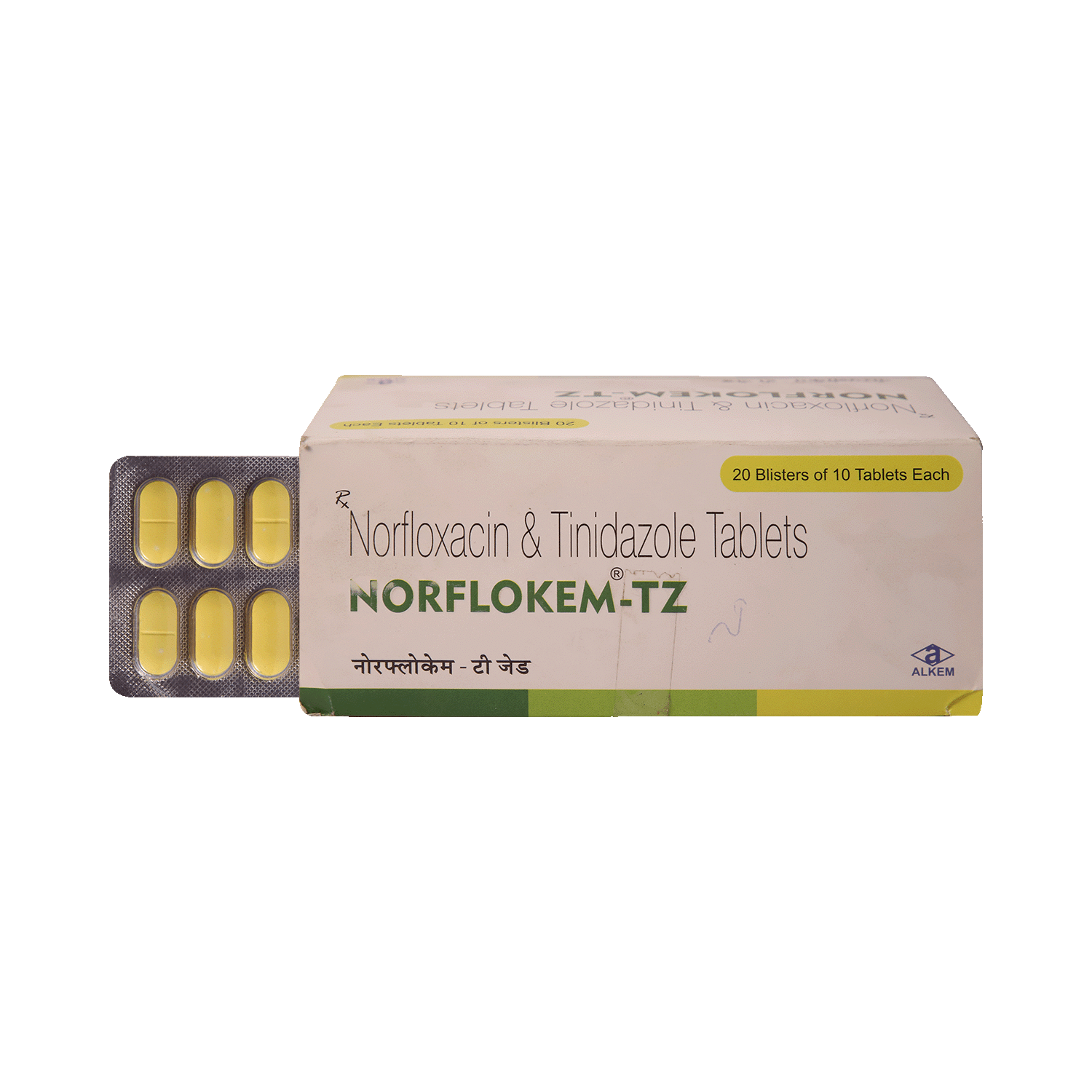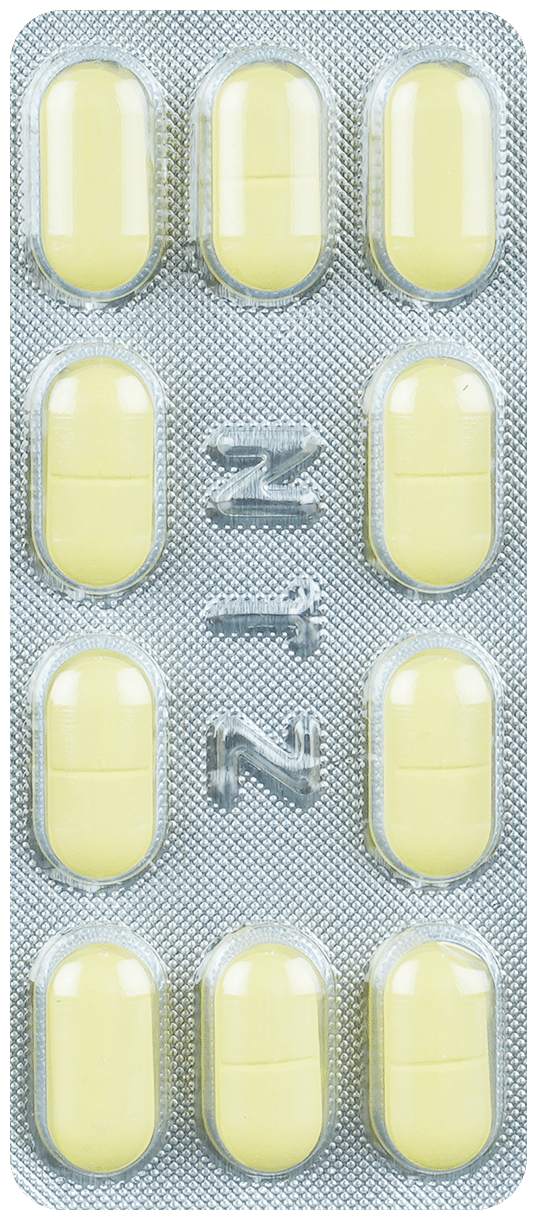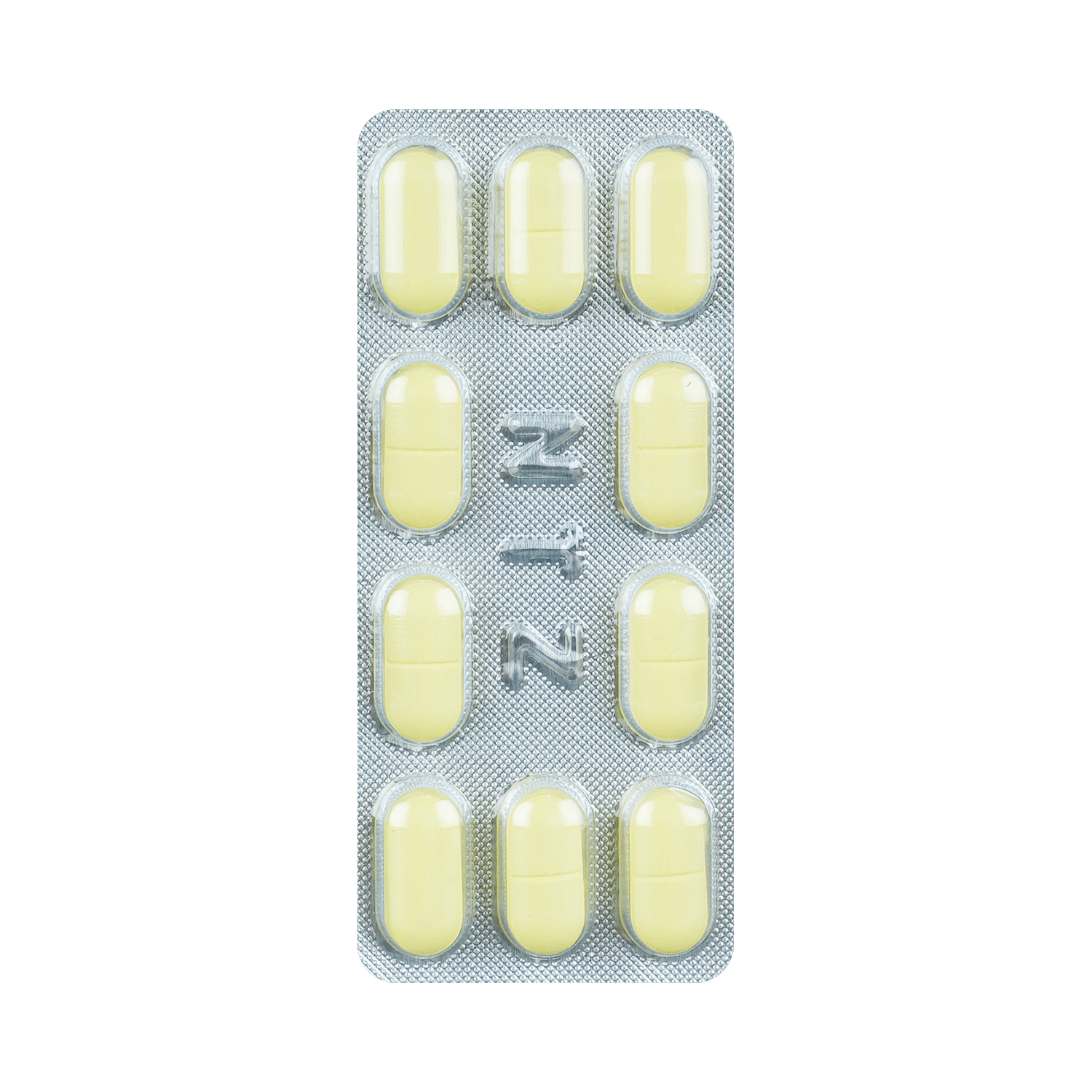
Diaba 400 mg/600 mg Tablet
strip of 10.0 tablets.Prescription required
About this product:
| Salt Composition: | Norfloxacin (400mg) + Tinidazole (600mg) |
| Manufacturer: | Sun Pharmaceutical Industries Ltd |
| Storage: | Below 25 degree celcius |
Out of Stock
Have doubts about this medicine?
Have doubts about this medicine?
Diaba 400 mg/600 mg Tablet is a combination of two antibiotics that effectively treat diarrhea and dysentery. Diaba 400 mg/600 mg Tablet is a prescription medicine that can be taken with or without food. Take the medicine in the dose and duration advised by your doctor. Do not consume more than the recommended dose as this may have harmful effects on your body. If you miss a dose, take it as soon as you remember. The treatment must be completed even if you feel better. Diaba 400 mg/600 mg Tablet may lead to some side effects such as nausea, dryness of mouth, stomach upset, etc. To overcome any such side effects, it is advised to eat a healthy balanced diet and drink plenty of fluid. If any of the side effects get aggravated, contact your doctor immediately. Pregnant or breastfeeding women should also consult with doctors before taking it. Avoid drinking alcohol as it can cause excessive dizziness with this medicine. In cases of severe liver or kidney disease, it is advised to consult your doctor before you start with the treatment. It is strictly advised not to drive or operate heavy machinery while you are on the treatment.
Diaba 400 mg/600 mg Tablet is a combination of two antibiotics: Norfloxacin and Tinidazole. Norfloxacin works by preventing the bacterial cells from dividing and repairing, thereby killing the bacteria. Tinidazole kills parasites and anaerobic bacteria that cause infections by damaging their DNA. Together, they treat your infection effectively.
What is Diaba 400 mg/600 mg Tablet?
Diaba 400 mg/600 mg Tablet is a combination medication containing Norfloxacin and Tinidazole. It is used to treat diarrhea and dysentery caused by infection, working by killing harmful microorganisms that cause infection. The two active ingredients work together to treat infection more effectively.
Can I stop taking Diaba 400 mg/600 mg Tablet when my symptoms are relieved?
No, it is essential to complete the full course of treatment with Diaba 400 mg/600 mg Tablet, even if your symptoms improve before the infection is fully cured. Stopping treatment prematurely may lead to incomplete eradication of the infection.
Can Diaba 400 mg/600 mg Tablet increase the risk of tendon rupture?
Yes, Diaba 400 mg/600 mg Tablet may increase the risk of tendon rupture, particularly in the Achilles tendon. If you experience sudden pain, swelling, or bruising after an injury, or are unable to use the affected arm or leg, seek medical attention immediately.
Can the use of Diaba 400 mg/600 mg Tablet cause a metallic taste?
Yes, Diaba 400 mg/600 mg Tablet may cause a temporary metallic taste. To minimize this effect, chew sugar-free gum or mints, brush your teeth after meals, and stay hydrated.
Are there any specific contraindications associated with the use of Diaba 400 mg/600 mg Tablet?
Diaba 400 mg/600 mg Tablet is contraindicated in patients with known allergies to Norfloxacin or Tinidazole, or any other excipients present in the medication. It is also recommended to avoid use in patients with a history of tendinitis or tendon rupture caused by other medications, as well as those with certain neurological disorders.
Can I drink alcohol while taking Diaba 400 mg/600 mg Tablet?
No, it is recommended to avoid drinking alcohol while taking Diaba 400 mg/600 mg Tablet and for at least 3 days after completing the treatment. Concomitant use may cause an unpleasant reaction, including stomach pain, nausea, vomiting, headache, flushing, or redness of the face.
Can I take ORS solution with Diaba 400 mg/600 mg Tablet?
Yes, you can take ORS (oral rehydration salts) with Diaba 400 mg/600 mg Tablet. ORS is a special combination of dry salts that can help restore lost fluids due to diarrhea. You can obtain ORS packets or solution from a nearby pharmacy, shop, or our website.
Can I take a higher than the recommended dose of this medicine?
No, taking a higher dose of Diaba 400 mg/600 mg Tablet can increase the risk of side effects. The medication takes time to show its full effect and treat your infection. If you experience increased severity of diarrhea, consult your doctor for re-evaluation.
What is the recommended storage condition for Diaba 400 mg/600 mg Tablet?
Store Diaba 400 mg/600 mg Tablet in its original container, tightly closed. Follow the storage instructions provided on the pack or label. Dispose of any unused medication to prevent accidental consumption by pets, children, or other individuals.
What if I don't get better after using Diaba 400 mg/600 mg Tablet?
Inform your doctor if you do not feel better after completing the full course of treatment. Also, report any worsening of symptoms while taking this medication.
Can I stop taking Diaba 400 mg/600 mg Tablet when I feel better?
No, it is essential to complete the full course of treatment with Diaba 400 mg/600 mg Tablet, even if you feel better. Stopping treatment prematurely may lead to incomplete eradication of the infection.
What if I miss my dose?
Take Diaba 400 mg/600 mg Tablet as soon as you remember. However, do not take an extra dose to make up for a missed dose. Instead, resume your regular dosing schedule.
Take this medicine in the dose and duration as advised by your doctor. Swallow it as a whole. Do not chew, crush or break it. Diaba 400 mg/600 mg Tablet is to be taken with food.
- Your doctor has prescribed this combination medicine for the treatment of diarrhea and dysentery.
- Diarrhea can cause dehydration. Drink plenty of fluids to help rehydrate you.
- Consult your doctor if your diarrhea lasts for more than 48 hours.
- Do not use Diaba 400 mg/600 mg Tablet if you have blood in your stool or if you are severely constipated.
- It may cause dizziness and sleepiness. Do not drive or do anything that requires mental focus until you know how it affects you.
- Avoid consuming alcohol when taking Diaba 400 mg/600 mg Tablet as it may irritate your stomach and also cause excessive dizziness.
- Notify your doctor if you feel pain in your tendons, numbness, or tingling sensations.
- Inform your doctor if you are pregnant or planning to conceive or breastfeeding.
- No common side effects listed.

Alcohol
Consuming alcohol while taking Diaba 400 mg/600 mg Tablet may cause symptoms such as flushing, increased heart beat, nausea, thirst, chest pain and low blood pressure (Disulfiram reaction).

Breastfeed
Diaba 400 mg/600 mg Tablet is probably unsafe to use during breastfeeding. Limited human data suggests that the drug may pass into the breastmilk and harm the baby.

Pregnancy
Diaba 400 mg/600 mg Tablet may be unsafe to use during pregnancy. Although there are limited studies in humans, animal studies have shown harmful effects on the developing baby. Your doctor will weigh the benefits and any potential risks before prescribing it to you. Please consult your doctor.