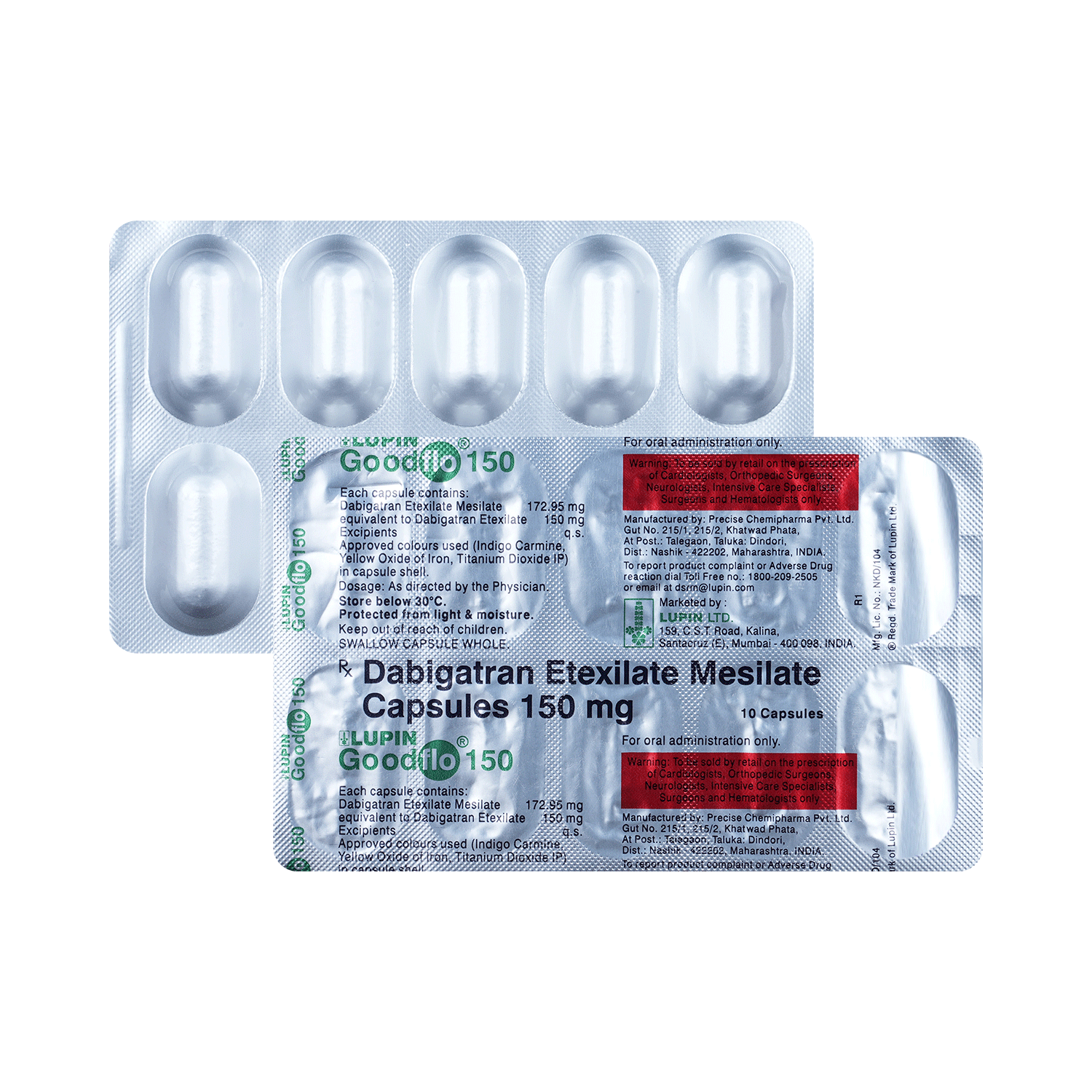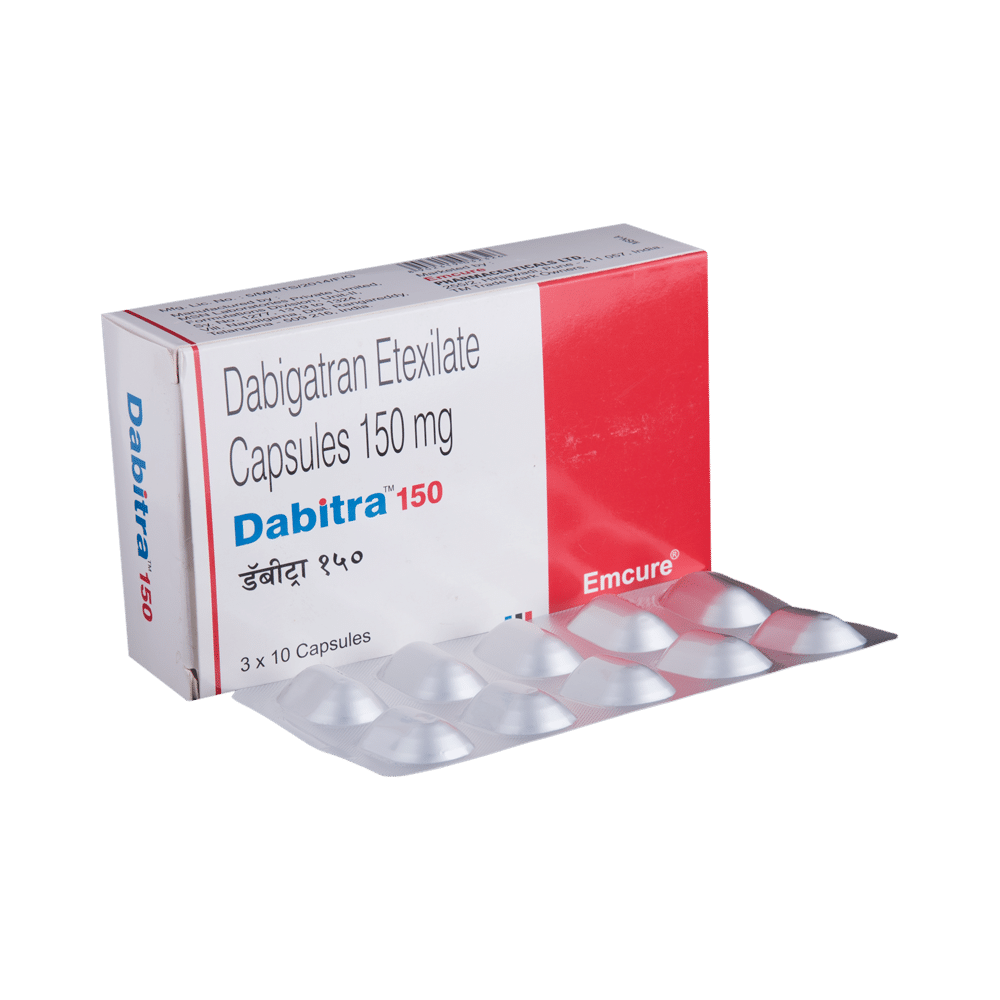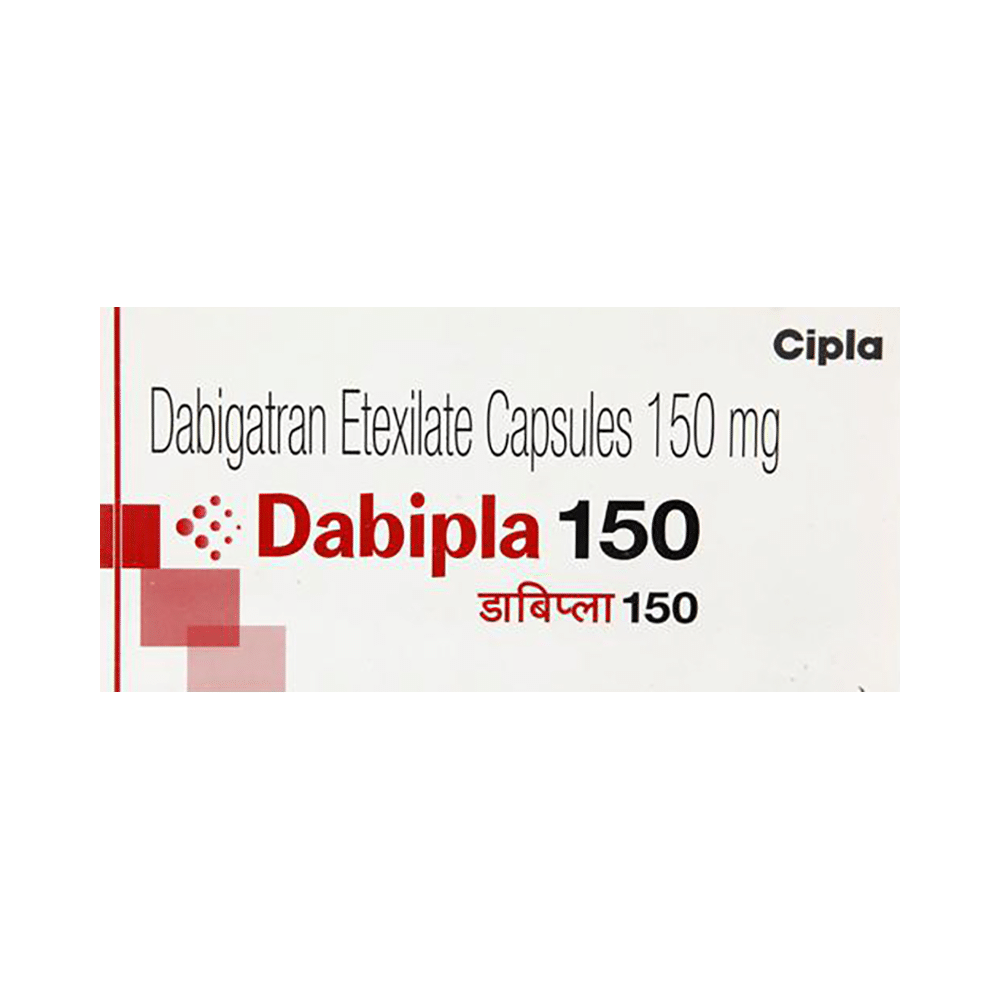
Dabiac 150mg Capsule
strip of 10.0 capsules.Prescription required
About this product:
| Salt Composition: | Dabigatran Etexilate (150mg) |
| Manufacturer: | Chemo Healthcare Pvt Ltd |
| Storage: | Below 25 degree celcius |
Out of Stock
Have doubts about this medicine?
Have doubts about this medicine?
Dabiac 150mg Capsule is an anticoagulant or blood thinner that helps prevent and treat blood clots, reducing the risk of stroke and heart attack. Dabiac 150mg Capsule is commonly used in patients with irregular heart rhythm (atrial fibrillation) to prevent clot formation. It also reduces the risk of getting clots in people who have undergone knee or hip replacement surgeries. It can be taken with or without food, but it is best to take them at the same time each day. You may need to take this medicine for many years, even for life in some cases. Do not stop taking it or change the dose without guidance from your doctor.
Dabiac 150mg Capsule is a novel oral anticoagulant (NOAC) that works by preventing the formation of blood clots in the body.
When should I take Dabiac 150mg Capsule?
Dabiac 150mg Capsule is typically taken twice daily at the same time, with a gap of approximately 12 hours between doses.
Can I drink alcohol with Dabiac 150mg Capsule?
Consuming alcohol while taking Dabiac 150mg Capsule can increase its effect and potentially lead to increased bleeding. Regular alcohol intake may also increase the risk of gastric ulcers, which could further contribute to bleeding issues. It is advised to avoid alcohol while using Dabiac 150mg Capsule. Please consult your doctor if any bleeding episodes occur.
Can Dabiac 150mg Capsule cause hair loss?
Dabiac 150mg Capsule is generally not associated with significant hair loss compared to other blood-thinning medications. However, some rare reports of hair loss have been linked to this medication. If you notice any changes in your hair, consult your doctor to rule out any potential causes.
When will I feel better after taking Dabiac 150mg Capsule?
Dabiac 150mg Capsule helps reduce the risk of blood clots forming in major blood vessels of your legs, lungs, heart, and brain. You may not experience immediate changes but continuing with the medication as prescribed by your doctor is crucial to realizing its full benefits.
Does Dabiac 150mg Capsule affect the liver?
Unlike some other anticoagulants, Dabiac 150mg Capsule generally has minimal effect on liver function. However, long-term use might increase the chance of mild liver injury in individuals with elevated liver enzymes. It is advised to inform your doctor about any pre-existing liver conditions before starting this medication.
How should I store Dabiac 150mg Capsule?
Dabiac 150mg Capsule should be stored at room temperature, between 59°F and 86°F (15°C to 30°C). It should be kept in a dry place, away from moisture. Ensure the bottle is tightly sealed after each use and keep it out of reach of children. If opened, the medication should be used within four months.
Can the use of Dabiac 150mg Capsule increase the risk of bleeding?
Yes, Dabiac 150mg Capsule can potentially increase the likelihood of bleeding. Always exercise caution when engaging in activities that may lead to injuries or increased bleeding risks. Immediately inform your doctor if you experience any unusual bruising or bleeding episodes.
Who should not take Dabiac 150mg Capsule?
Individuals experiencing excessive bleeding, or those with known allergies to Dabiac 150mg Capsule should avoid its use. This medication should also be avoided by people with artificial (prosthetic) heart valves. Consult your doctor if you have ever had a valve replacement in your heart, as this might influence your suitability for this treatment.
Take this medicine in the dose and duration as advised by your doctor. Dabiac 150mg Capsule may be taken with or without food, but it is better to take it at a fixed time.
- Take it as per dose and duration suggested by your doctor.
- Be careful while shaving, cutting fingernails or toenails, using sharp objects or engaging in contact sports.
- If you are going to have a surgery or dental treatment, you may be asked to stop taking Dabiac 150mg Capsule temporarily.
- Your doctor may get a blood test done to check kidney function before starting treatment with this medicine.
- Inform your doctor if you are pregnant, planning pregnancy or breastfeeding.

Alcohol
It is unsafe to consume alcohol with Dabiac 150mg Capsule.

Breastfeed
Dabiac 150mg Capsule is probably unsafe to use during breastfeeding. Limited human data suggests that the drug may pass into the breastmilk and harm the baby.

Pregnancy
Dabiac 150mg Capsule may be unsafe to use during pregnancy. Although there are limited studies in humans, animal studies have shown harmful effects on the developing baby.