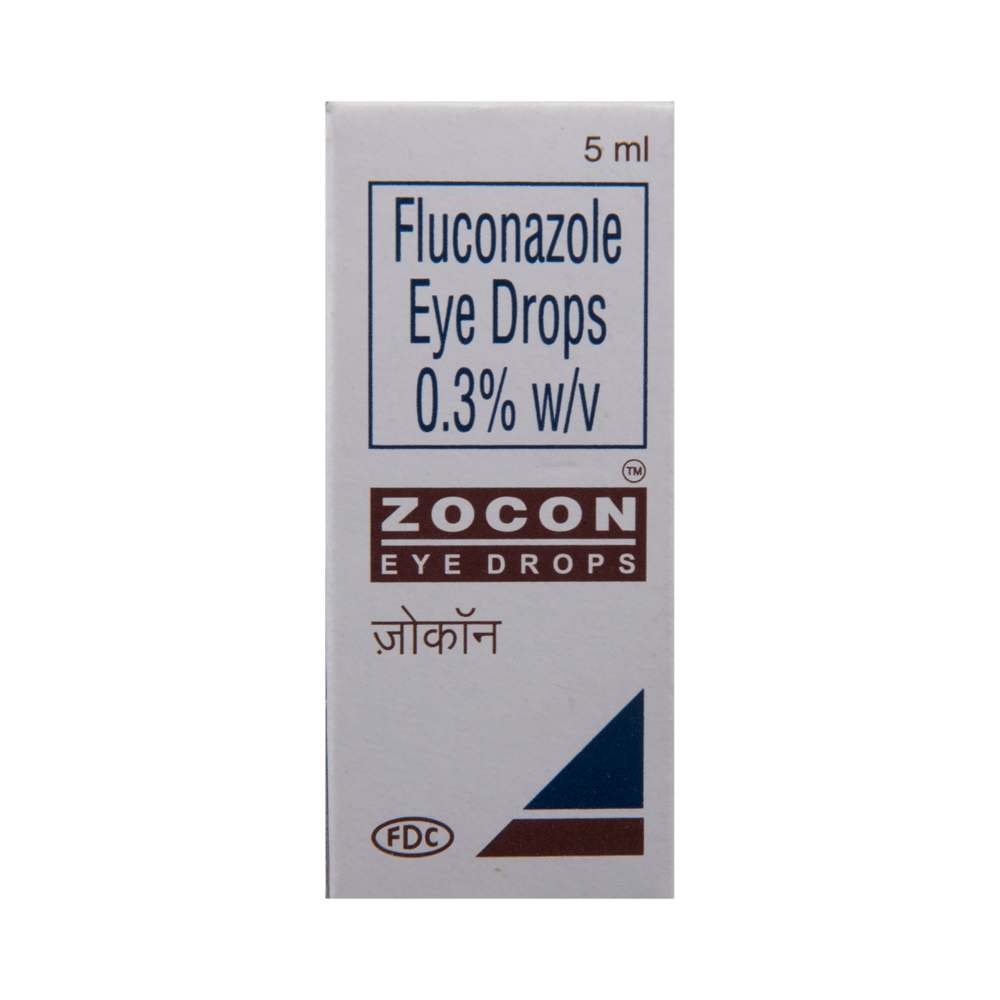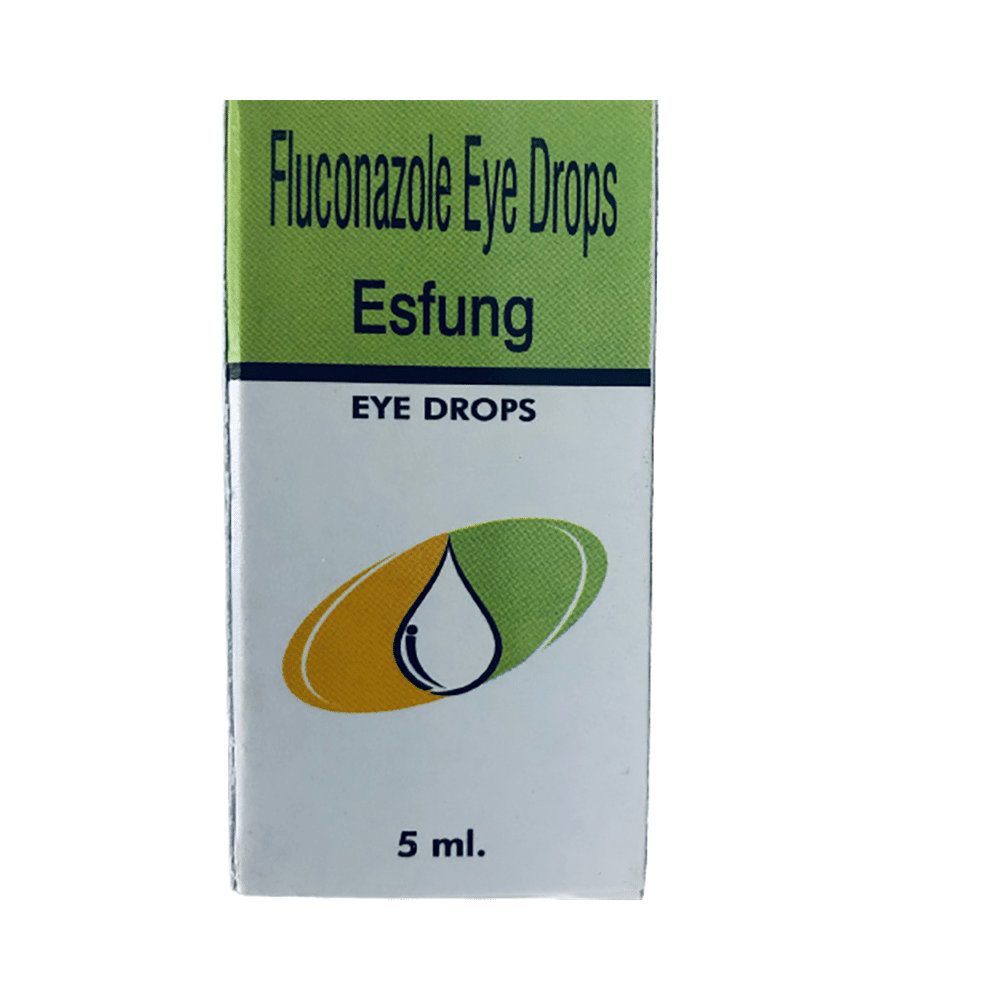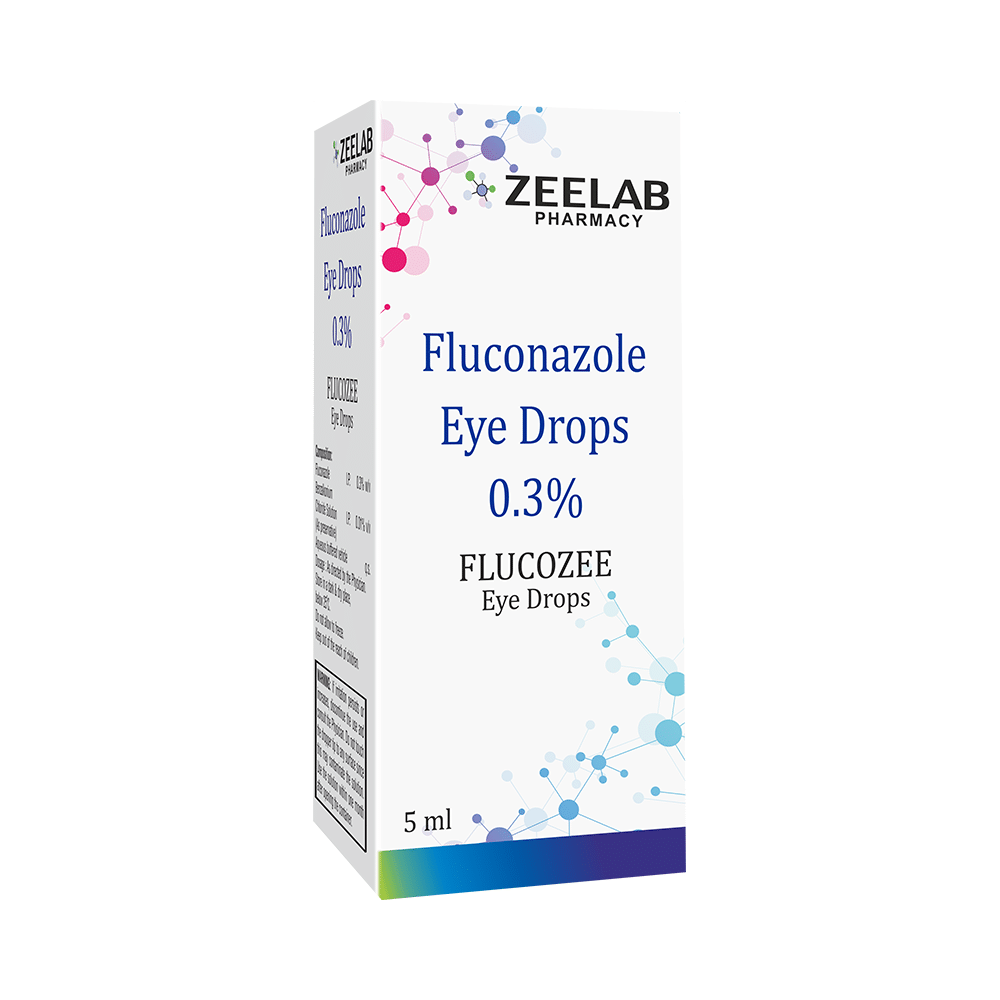
Coneal Eye Drop
bottle of 5.0 ml Eye Drop
About this product:
| Salt Composition: | Fluconazole (0.3% w/v) |
| Manufacturer: | Ahlcon Parenterals India Limited |
| Storage: | Below 25 degree celcius |
Out of Stock
Have doubts about this medicine?
Have doubts about this medicine?
Coneal Eye Drop is an antifungal medication that treats eye infections by killing fungi in the eye, relieving discomfort, itching, and irritation. Coneal Eye Drop is for external use only. Take it in the dose and duration as advised by your doctor. Wash your hands before and after applying the medicine. Hold the dropper close to the eye without touching it. Gently squeeze the dropper and place the medicine inside the lower eyelid. Wipe off extra liquid. This medicine should be used regularly to get the most benefit from it. If you miss a dose, take it as soon as possible. However, if it is almost time for your next dose, skip the missed dose and go back to your regular schedule. Do not double the dose. Do not use more than you need, it will not clear your condition faster and may only increase the side effects. Do not use it for longer than your doctor has told you to and let him or her know if your condition does not improve after 2 to 4 weeks of treatment. It may cause irritation and burning sensation immediately following application. However, these side effects are temporary and usually subside on their own. Inform your doctor if they persist for a longer duration. Do not wear contact lenses while using it. Do not use the open bottle for more than 4 weeks.
Coneal Eye Drop is an antifungal medication which treats eye infections. It works by killing the fungi in the eye by destroying their cell membrane. This relieves discomfort, itching, and irritation in the eye.
What is Coneal Eye Drop used for?
Coneal Eye Drop is an antifungal medication used to treat fungal eye infections.
How long should I use Coneal Eye Drop for?
You should not use Coneal Eye Drop for more than 7 days, unless your doctor advises you otherwise. Using it for a longer period may make the infection resistant to the medication. If you've had the infection for over 6 months, inform your doctor, as they may need to adjust the dose or recommend a different treatment.
How does Coneal Eye Drop work?
Coneal Eye Drop kills fungi by destroying their cell membranes, thereby treating the infection and relieving symptoms such as pain, redness, itching, or soreness.
When can I expect Coneal Eye Drop to start working?
You may start seeing improvements in your symptoms within 3 days. Itching and discharge (if any) are often the first things to get better. However, pain and soreness may take a little longer to resolve, sometimes up to 7 days. If your symptoms worsen or don't improve after this time, consult your doctor immediately.
Can I stop using Coneal Eye Drop once my symptoms have improved?
No, you should not stop using Coneal Eye Drop suddenly without consulting your doctor. Stopping the medication too early can allow the fungus to continue growing and prevent complete healing.
Under which conditions should I avoid using Coneal Eye Drop?
You should avoid using Coneal Eye Drop if you're allergic to it or any of its components. If you're unsure about allergies or are using the medication for the first time, consult your doctor.
How should I store and dispose of Coneal Eye Drop?
Keep Coneal Eye Drop in its original container, tightly closed. Store it according to the instructions on the pack or label. Dispose of any unused medication, and keep it out of reach of children and others to avoid misuse.
This medicine is for external use only. Use it in the dose and duration as advised by your doctor. Check the label for directions before use. Hold the dropper close to the eye without touching it. Gently squeeze the dropper and place the medicine inside the lower eyelid. Wipe off the extra liquid.
- Your doctor has prescribed Coneal Eye Drop to treat fungal infections of the eye.
- Do not skip any doses and finish the full course of treatment even if you feel better.
- Apply pressure on the corner of the eye (close to the nose) for about 1 minute immediately after instilling the drop.
- Wait for at least 5-10 minutes before delivering the next medication in the same eye to avoid dilution.
- Stinging sensation may occur for 1-2 mins. Notify your doctor if it persists for longer.
- If you wear soft contact lenses, remove them before putting in these eye drops and wait at least 15 minutes before putting your lenses back in.
- Make sure to use within 4 weeks of opening the bottle.
- No common side effects listed.

Breastfeed
Coneal Eye Drop is safe to use during breastfeeding. Human studies suggest that the drug does not pass into the breastmilk in a significant amount and is not harmful to the baby.

Pregnancy
Coneal Eye Drop is unsafe to use during pregnancy as there is definite evidence of risk to the developing baby. However, the doctor may rarely prescribe it in some life-threatening situations if the benefits are more than the potential risks. Please consult your doctor.