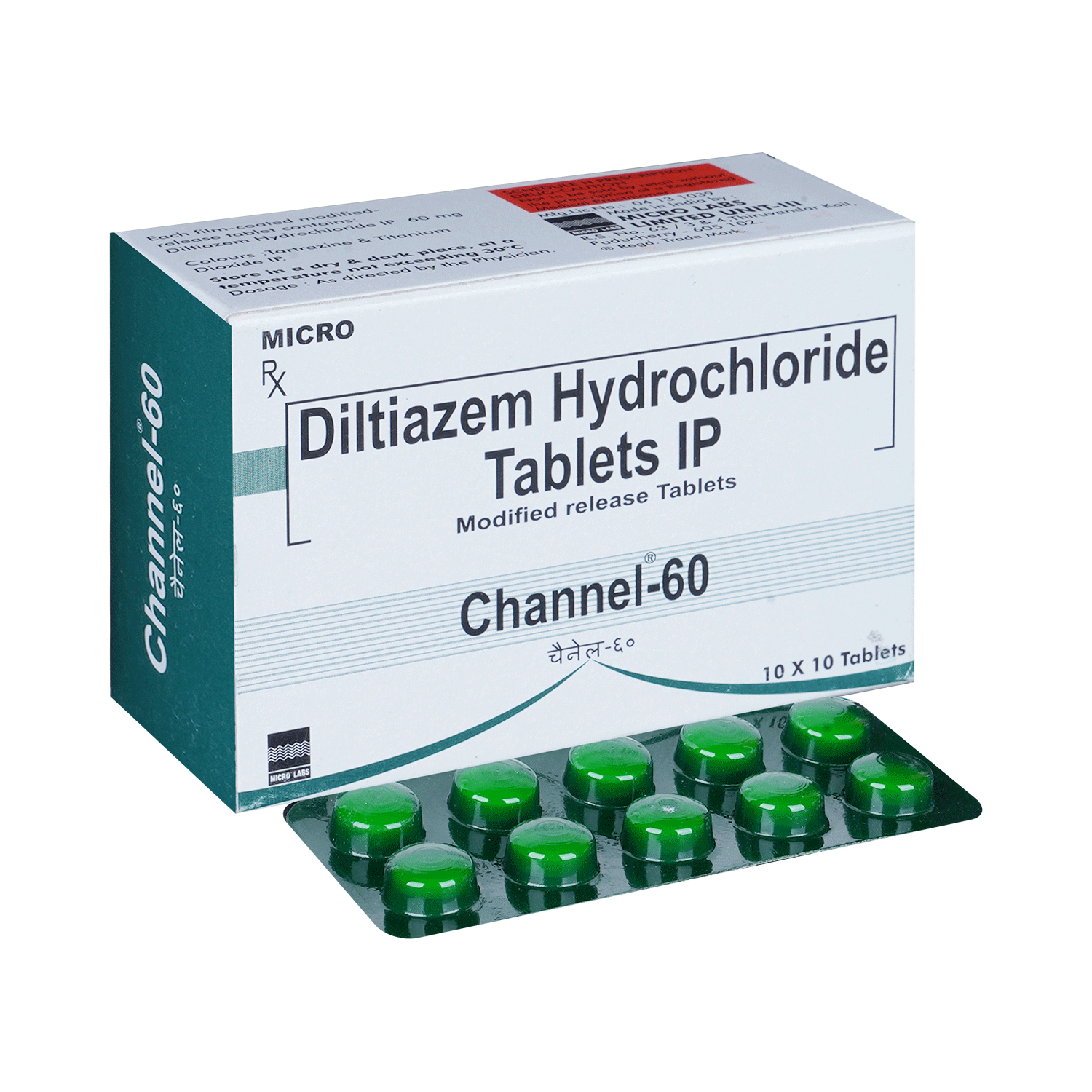
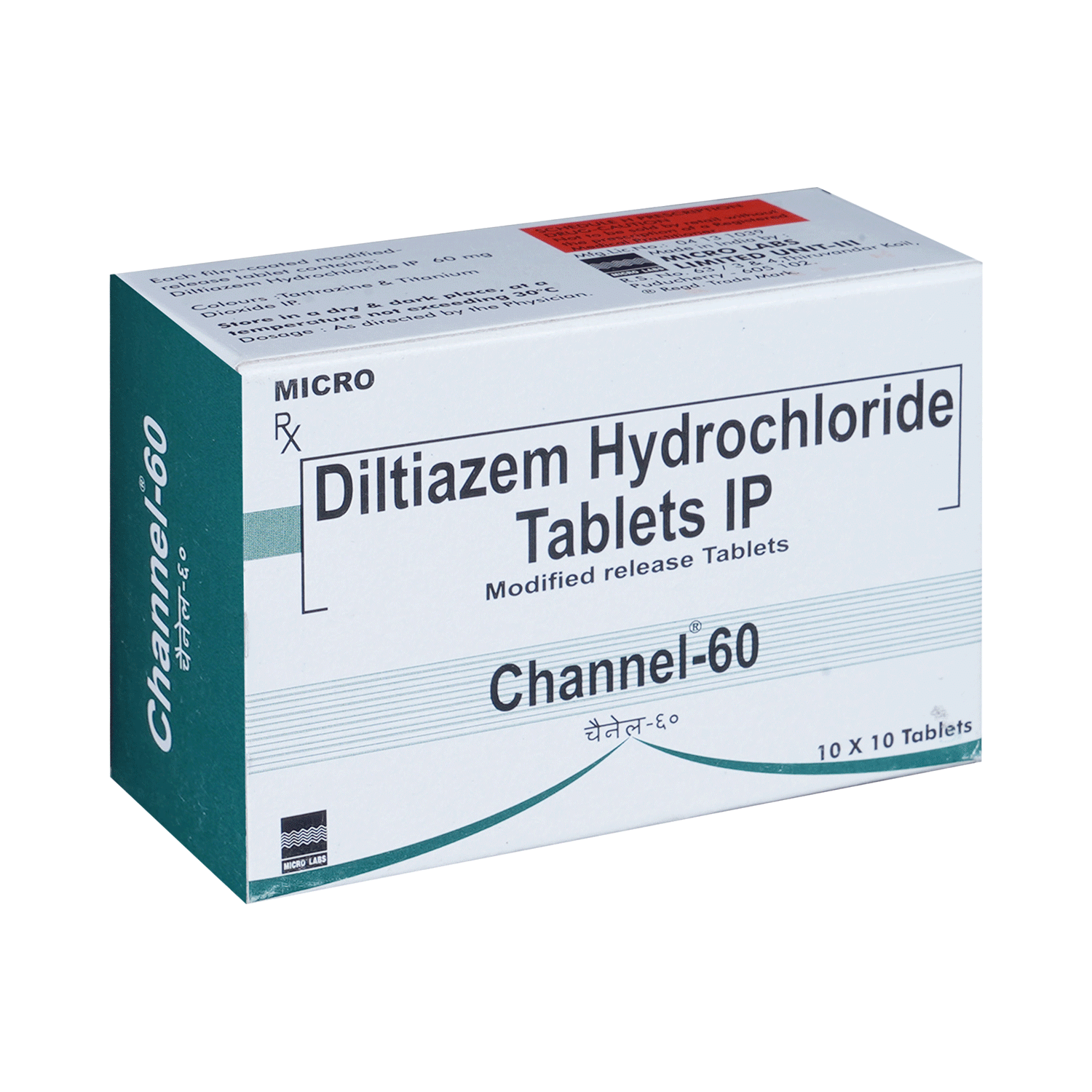
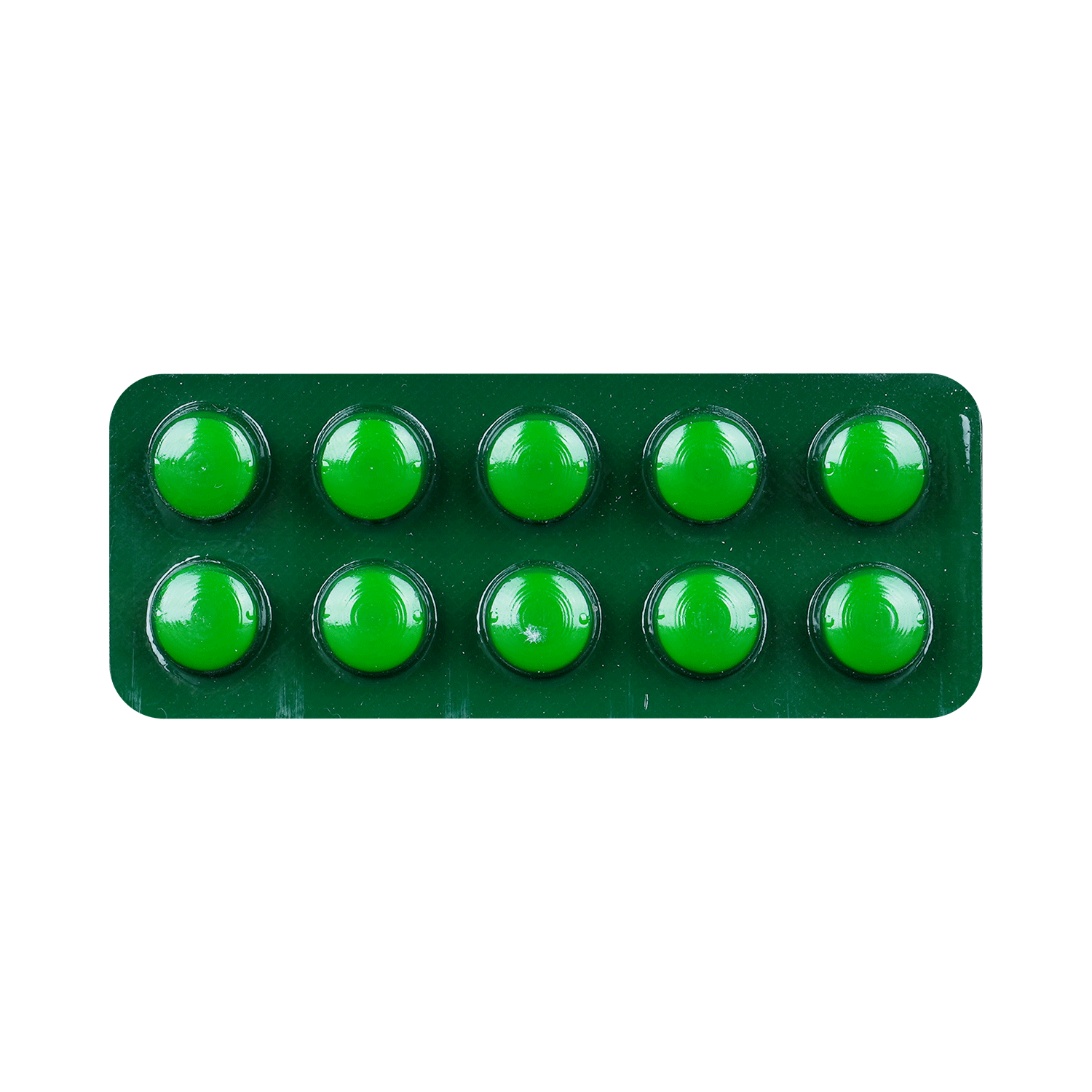
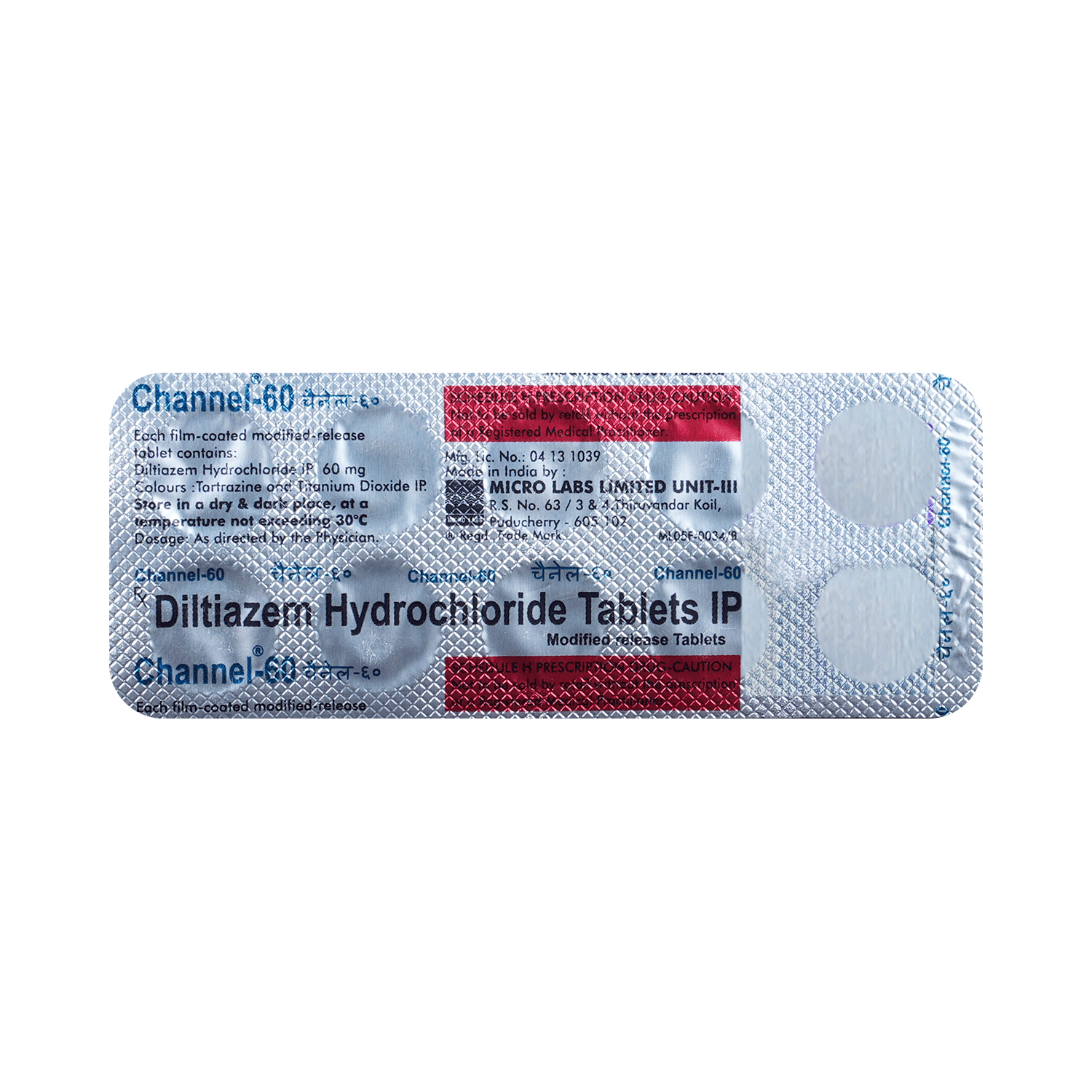
Channel 60mg Tablet
strip of 10.0 tablets.Prescription required
About this product:
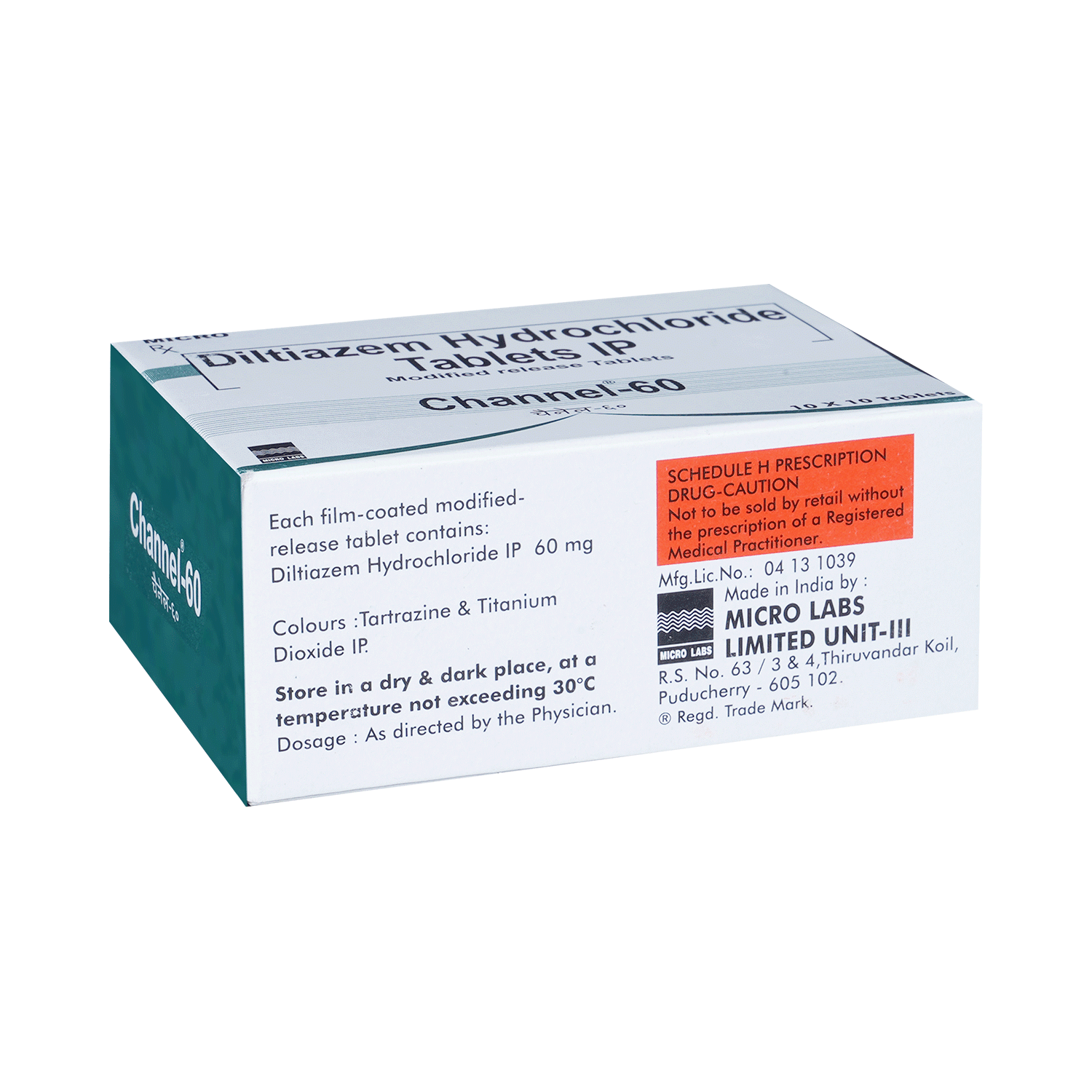
| Salt Composition: | Diltiazem (60mg) |
| Manufacturer: | Micro Labs Ltd |
| Storage: | Below 25 degree celcius |
Out of Stock
Have doubts about this medicine?
Have doubts about this medicine?
Channel 60mg Tablet is used to treat angina (heart-related chest pain), high blood pressure, and some types of irregular heartbeats (arrhythmia). Channel 60mg Tablet may be taken with or without food, but it is better to take it regularly at a fixed time each day as advised by your doctor. Keep using this medicine even if you feel well. If you stop taking it suddenly, your condition may worsen. This medicine is only part of a treatment program that should include a healthy diet, regular exercise, and weight reduction as advised by your doctor.
Channel 60mg Tablet is used to treat angina (heart-related chest pain), high blood pressure, and some types of irregular heartbeats (arrhythmia). It is known as a calcium channel blocker. It works by relaxing blood vessels to lower blood pressure. This helps to reduce the workload of the heart.
Is Channel 60mg Tablet a blood thinner?
No, Channel 60mg Tablet is not a blood thinner. It belongs to the calcium channel blocker class of medicines. It is used to treat hypertension, arrhythmias and angina (chest pain caused by a reduction of oxygen to the heart muscle).
Does Channel 60mg Tablet cause weight gain?
Yes, Channel 60mg Tablet may cause weight gain in some people. However, if you are experiencing weight gain while taking it, consult your doctor or a nutritionist.
Is it better to take Channel 60mg Tablet in the morning or at night?
It is recommended to take Channel 60mg Tablet at night before meals. The exact dosage and timing should be determined by your doctor.
Does Channel 60mg Tablet affect sleep?
Channel 60mg Tablet may cause sleeplessness, which does not affect everyone. If this persists, talk to your doctor.
Who should not take Channel 60mg Tablet?
You should not take Channel 60mg Tablet if you are allergic to it, have an irregular or slow heartbeat, heart failure, or low blood pressure. It is also not recommended for pregnant or breastfeeding women.
What are the symptoms of overdose of Channel 60mg Tablet?
Symptoms of overdose of Channel 60mg Tablet include slow, fast, or irregular heartbeat, fainting, difficulty breathing, and seizures. Other potential side effects include dizziness, confusion, nausea, vomiting, and increased sweating.
How long do I need to take Channel 60mg Tablet? Can I stop it on my own?
Your doctor will determine the duration of treatment with Channel 60mg Tablet. Do not stop taking it without your doctor's guidance or adjust the dose without their approval as this could lead to worsening angina or increase in blood pressure.
What should I avoid while taking Channel 60mg Tablet?
It is advisable to avoid alcohol consumption while taking Channel 60mg Tablet. Additionally, be cautious when driving or operating machinery as it may cause dizziness and general feeling of unwellness.
What are the serious side effects of Channel 60mg Tablet?
Serious side effects of Channel 60mg Tablet include severe allergic reaction, yellowing of the skin or eyes, nausea, extreme tiredness. Other potential adverse reactions include unusual bleeding or bruising, lack of energy, loss of appetite, and stomach pain. Additionally, flu-like symptoms and a possible increase in chest pain (angina) may occur.
Take this medicine in the dose and duration as advised by your doctor. Swallow it as a whole. Do not chew, crush, or break it. Channel 60mg Tablet may be taken with or without food, but it is better to take it at a fixed time.
- Slows down the heartbeat and allows the blood vessels in the body to relax.
- Helps prevent angina attacks (chest pain caused by heart disease), certain abnormal heart rhythms, stroke, and heart attack.
- It may cause dizziness or sleepiness. Do not drive or do anything requiring concentration until you know how it affects you.
- It may cause you to feel lightheaded or weak especially when you stand up (orthostatic hypotension). Rise slowly if you have been sitting or lying down.
- It is best to avoid drinking alcohol while taking Channel 60mg Tablet as it may make the side effects worse.
- It is best to avoid stopping taking it suddenly without talking to your doctor first.

Alcohol
Caution is advised when consuming alcohol with Channel 60mg Tablet. Please consult your doctor.

Breastfeed
Channel 60mg Tablet should be used with caution during breastfeeding. Breastfeeding should be held until the treatment of the mother is completed and the drug is eliminated from her body. Alternative method of infant feeding should be considered.

Pregnancy
Channel 60mg Tablet may be unsafe to use during pregnancy. Although there are limited studies in humans, animal studies have shown harmful effects on the developing baby. Your doctor will weigh the benefits and any potential risks before prescribing it to you. Please consult your doctor.