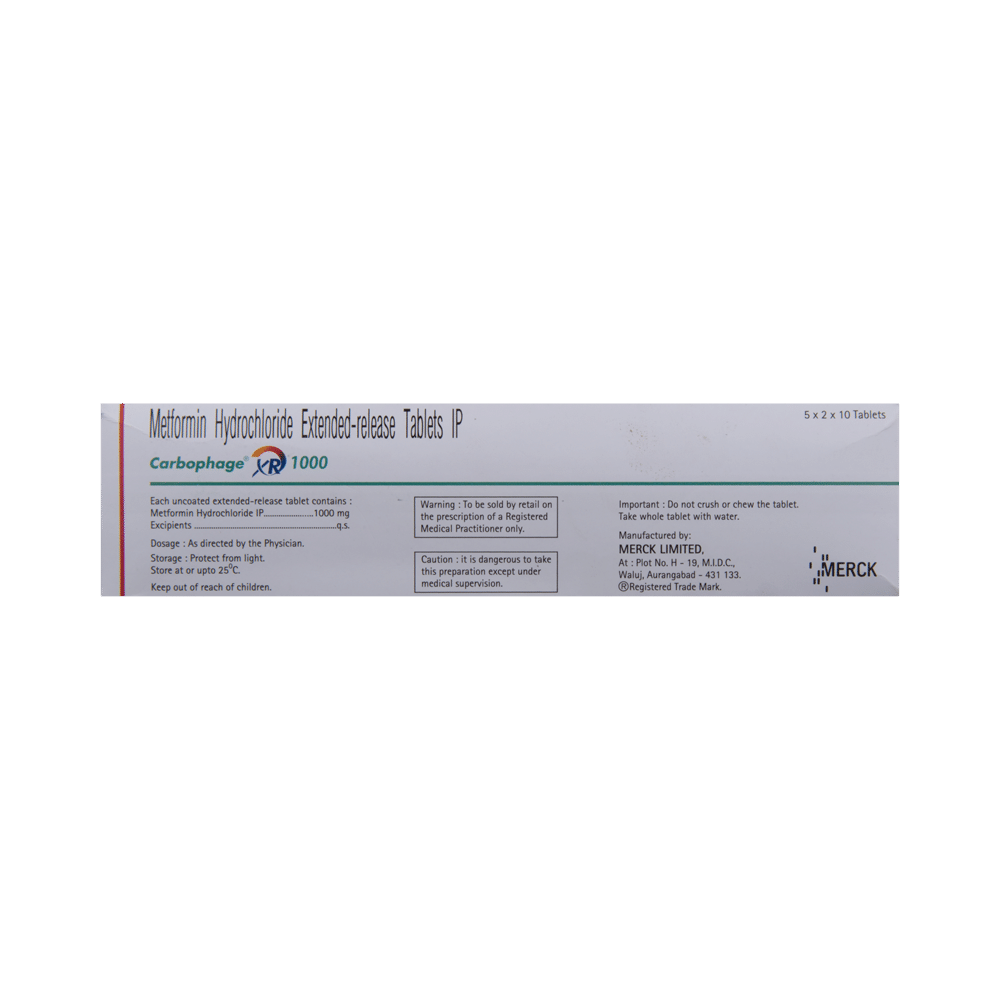

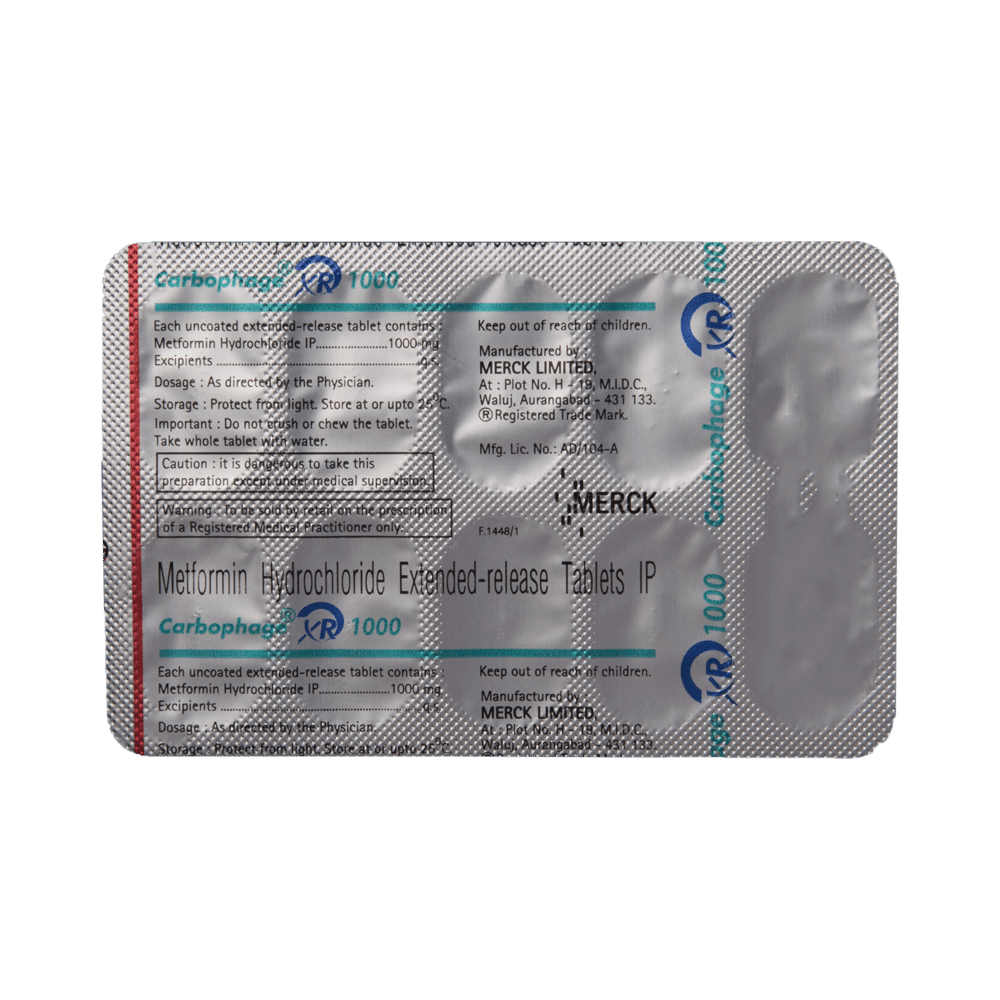
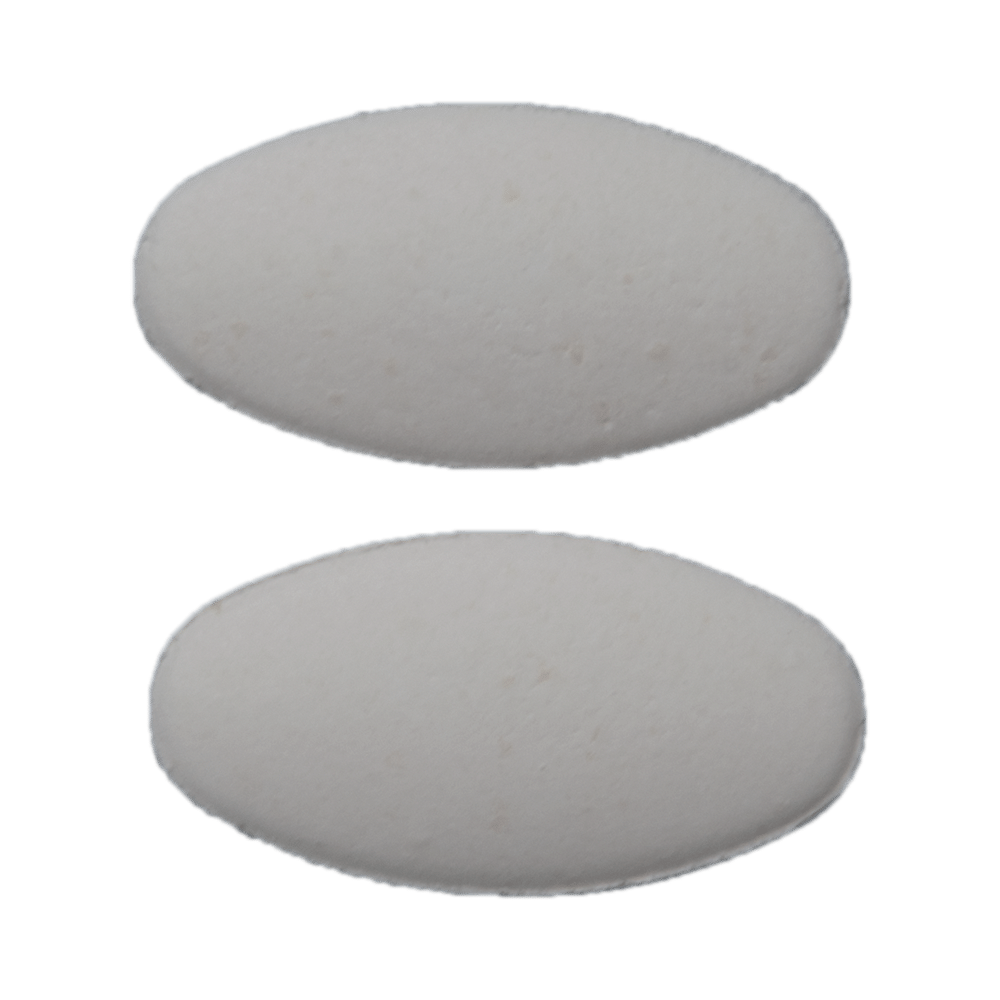
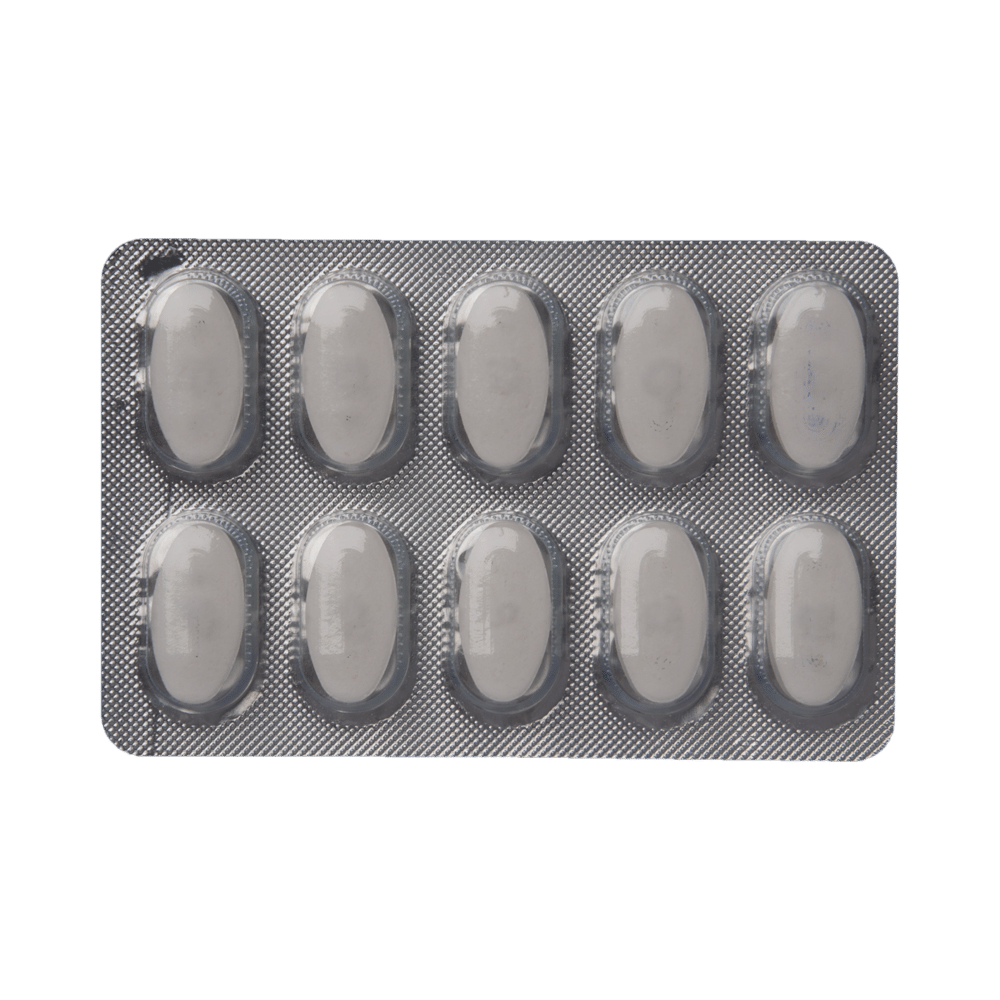
Carbophage XR 1000 Tablet
1 Strip of 10 Tablet.Prescription required
About this product:
| Salt Composition: | Metformin (1000mg) |
| Manufacturer: | Merck Ltd |
| Storage: | Below 25 degree celcius |
In Stock
Have doubts about this medicine?
Have doubts about this medicine?
Carbophage XR 1000 Tablet is used to treat type 2 diabetes mellitus and Polycystic ovary syndrome (PCOS) in women. Carbophage XR 1000 Tablet is a medication primarily used to manage type 2 diabetes mellitus by controlling blood sugar levels, thereby preventing serious complications such as heart attacks. It is also prescribed for treating Polycystic ovary syndrome (PCOS) in women. While effective, it may cause side effects like hypoglycemia, lactic acidosis, and vitamin B12 deficiency. Regular monitoring of blood sugar levels and kidney functions is essential while on this medication. Consult your doctor for personalized advice and guidance.
Carbophage XR 1000 Tablet is an anti-diabetic medication (biguanide). It works by lowering glucose production in the liver, delaying the absorption of sugar (glucose) from the intestines, and increasing the body's sensitivity to insulin.
What does Carbophage XR 1000 Tablet do exactly?
Carbophage XR 1000 Tablet is a medication used to treat type 2 diabetes. It helps regulate blood sugar levels by decreasing glucose production from the liver, reducing glucose absorption from the intestine, and improving the body's sensitivity to insulin. This allows the body to respond better to the insulin it produces naturally, ultimately helping to lower blood sugar levels.
Does Carbophage XR 1000 Tablet cause weight loss?
Yes, Carbophage XR 1000 Tablet has been shown to cause weight loss in people who are overweight or obese. However, it is essential to consult a doctor before taking this medication for weight loss, as it may not be suitable for everyone. Additionally, weight loss may vary depending on individual factors, such as diet and exercise habits.
What are the benefits of taking Carbophage XR 1000 Tablet?
Carbophage XR 1000 Tablet is a highly effective medication for controlling blood sugar levels in people with type 2 diabetes. It promotes the body's response to insulin, decreases glucose production from the liver, and reduces glucose absorption from the intestine. Unlike other oral antidiabetic medications, Carbophage XR 1000 Tablet rarely causes low blood sugar when taken alone, as it prevents the pancreas from secreting more insulin. Additionally, it helps control weight gain and is well-tolerated by most patients.
Can Carbophage XR 1000 Tablet make you sleepy?
Carbophage XR 1000 Tablet is generally well-tolerated and does not cause sleepiness in most patients. However, it may rarely cause sleep disorders or insomnia, particularly in individuals with pre-existing kidney problems. If you experience sleepiness or fatigue while taking Carbophage XR 1000 Tablet, it is essential to consult your doctor to rule out any underlying serious side effects, such as lactic acidosis.
How to take Carbophage XR 1000 Tablet?
Take Carbophage XR 1000 Tablet with or after a meal. Swallow the tablet whole with a glass of water, and do not crush or chew it. If your doctor has prescribed one tablet a day, take it in the morning with breakfast. For two tablets a day, take one in the morning and one in the evening with dinner. For three doses a day, take one with breakfast, one with lunch, and one with dinner. Taking Carbophage XR 1000 Tablet with meals can help reduce digestive problems such as indigestion, nausea, vomiting, diarrhea, stomach ache, and loss of appetite.
Take this medicine in the dose and duration as advised by your doctor. Swallow it as a whole. Do not chew, crush, or break it. Carbophage XR 1000 Tablet is to be taken with food.
- You have been prescribed Carbophage XR 1000 Tablet to control the blood sugar level and reduce the risk of diabetic complications such as heart attacks.
- Hypoglycemia (low blood sugar level) may occur when taken along with other antidiabetic medicines, alcohol, or on delaying/skipping a meal. Carry a sugar source with you for immediate relief.
- Tell your doctor immediately if you experience any deep or rapid breathing, persistent nausea, vomiting, and stomach pain as Carbophage XR 1000 Tablet may cause a rare but serious condition called lactic acidosis.
- Prolonged use of Carbophage XR 1000 Tablet may lead to vitamin B12 deficiency which may lead to anemia, causing fatigue, pale skin, shortness of breath, or headache. Notify your doctor if you experience any of these as you may require supplements.
- Your doctor will monitor your blood sugar levels and kidney functions regularly while you are taking this medication.

Alcohol
It is unsafe to consume alcohol with Carbophage XR 1000 Tablet.

Breastfeed
Carbophage XR 1000 Tablet should be used with caution during breastfeeding. Breastfeeding should be held until the treatment of the mother is completed and the drug is eliminated from her body.

Pregnancy
Carbophage XR 1000 Tablet is generally considered safe to use during pregnancy. Animal studies have shown low or no adverse effects to the developing baby; however, there are limited human studies.