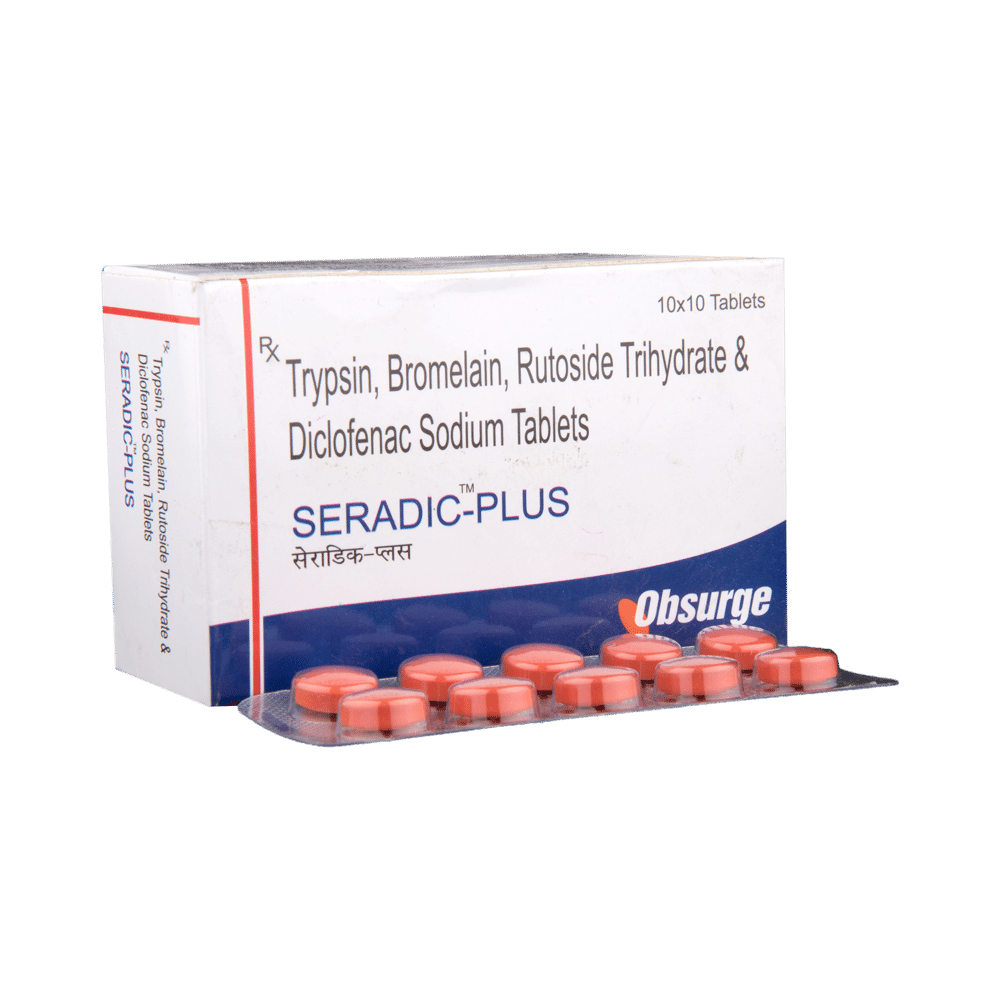
Bysin D Tablet
strip of 10.0 tablets.Prescription required
About this product:
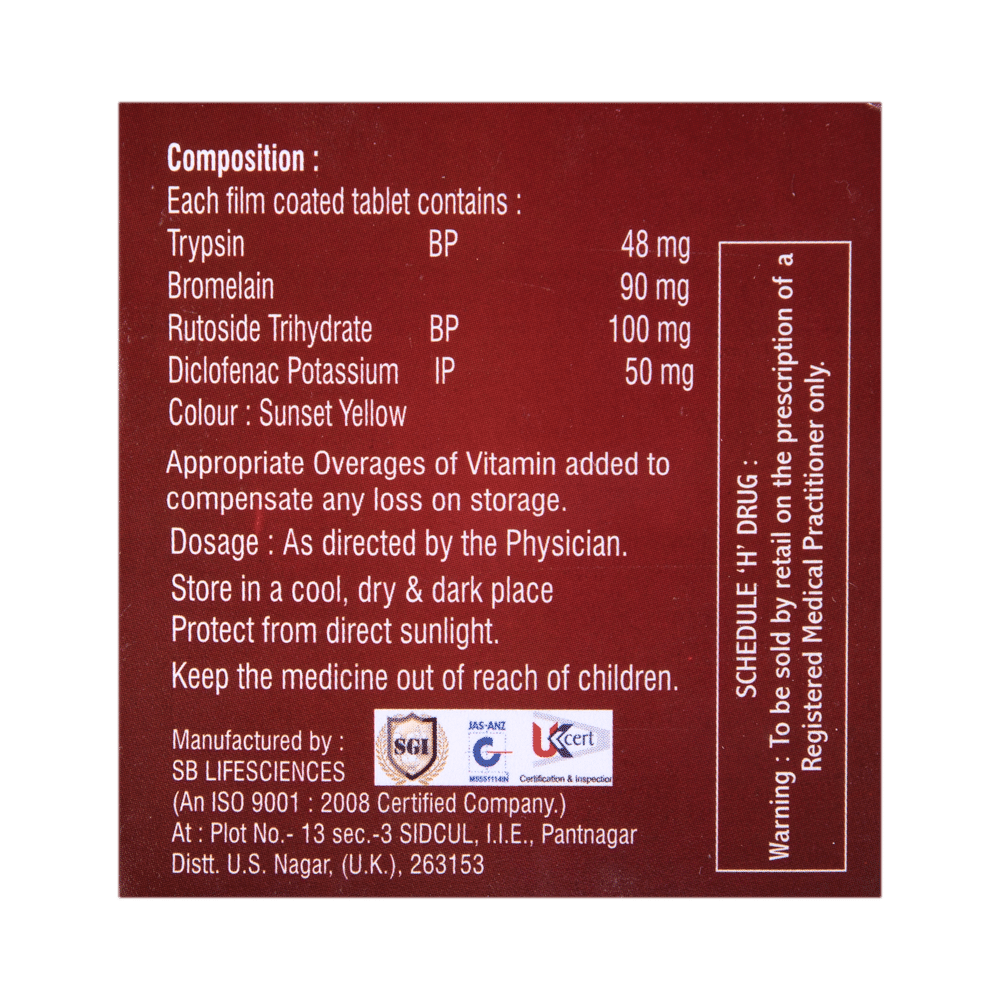
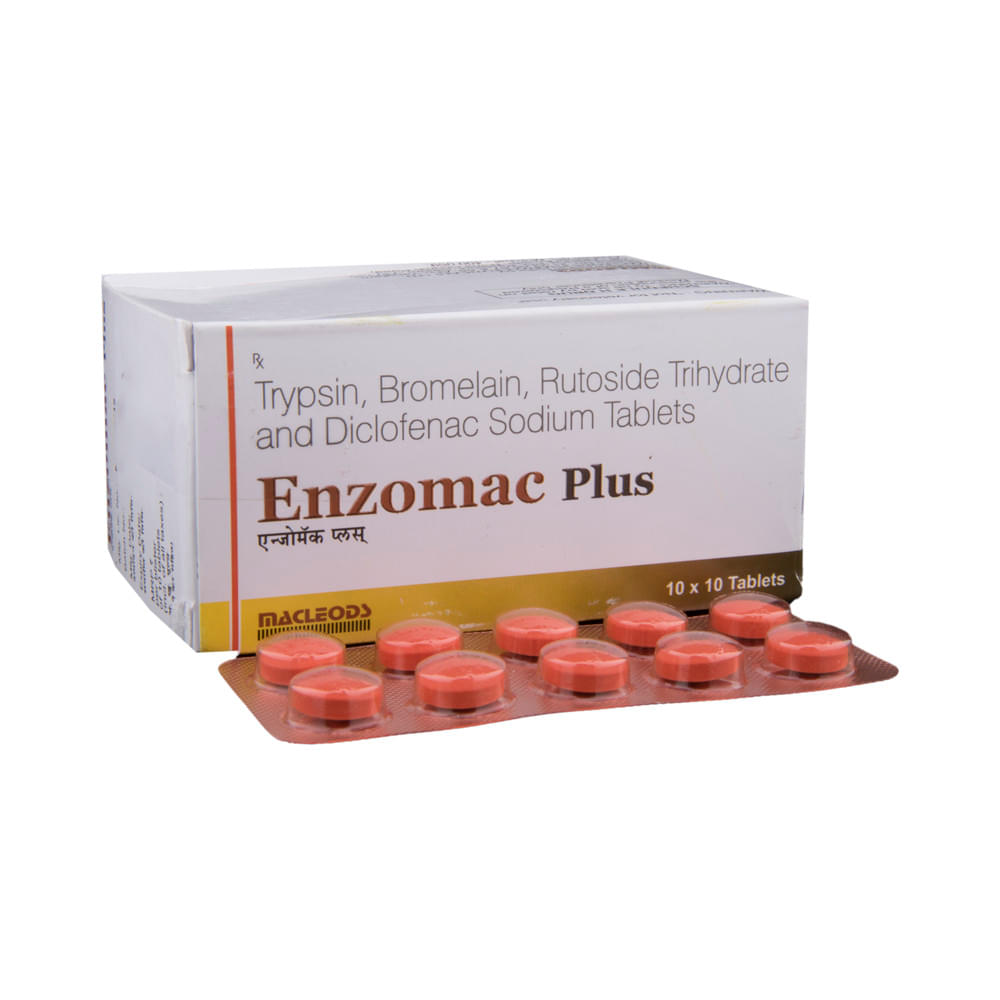
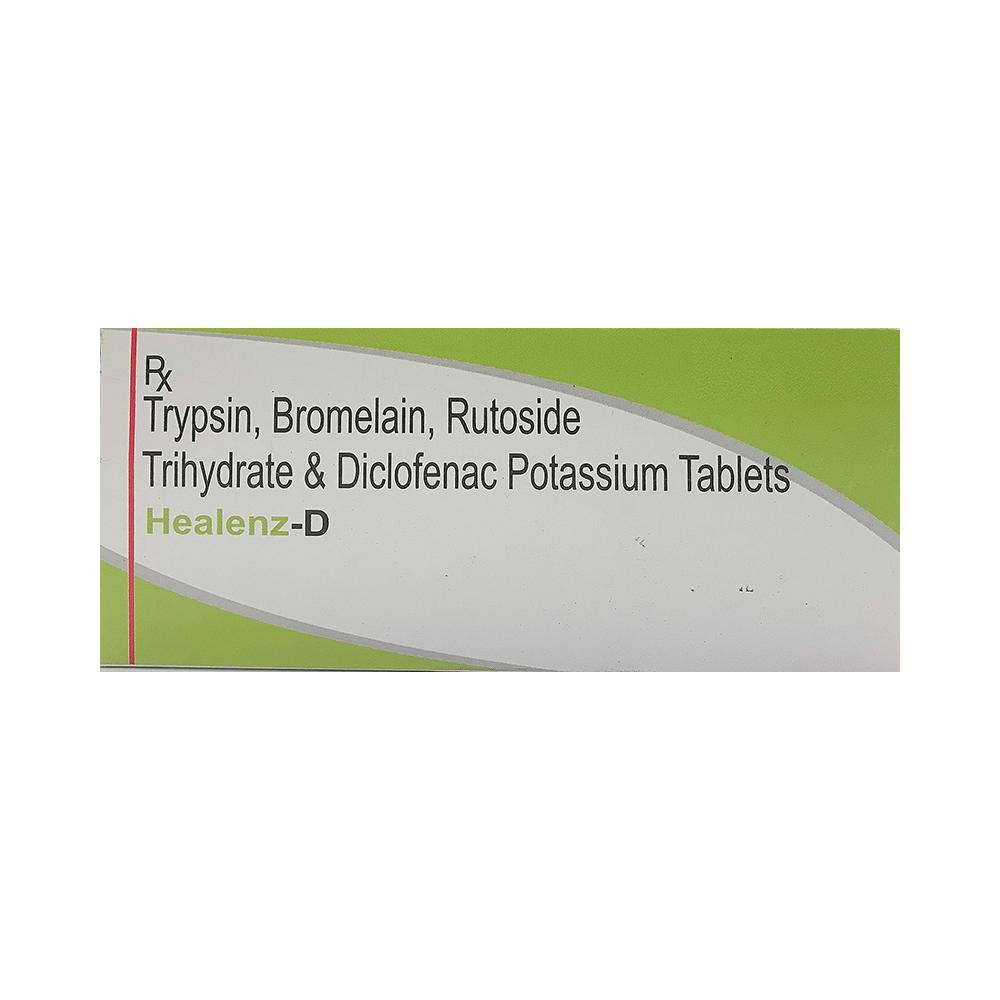
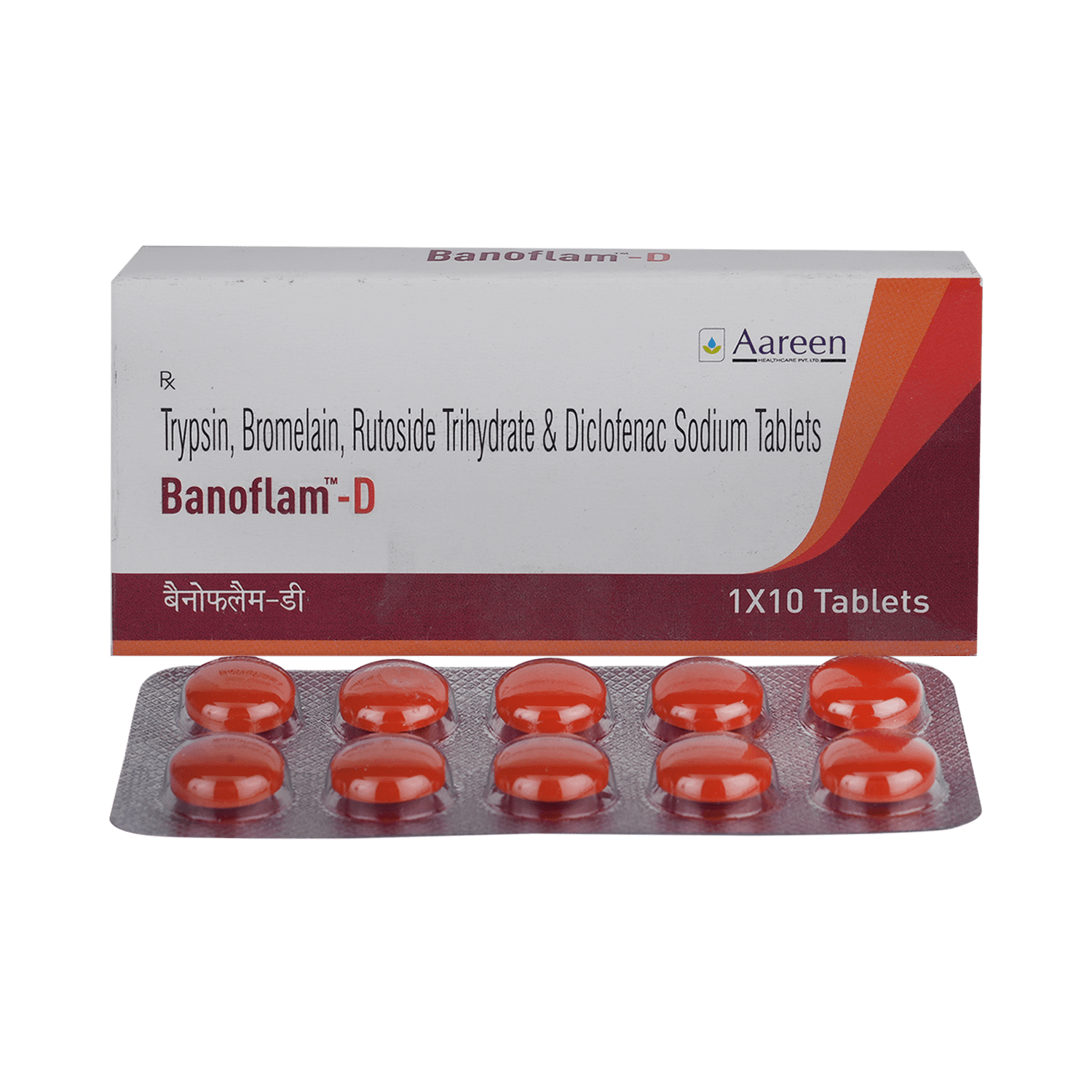
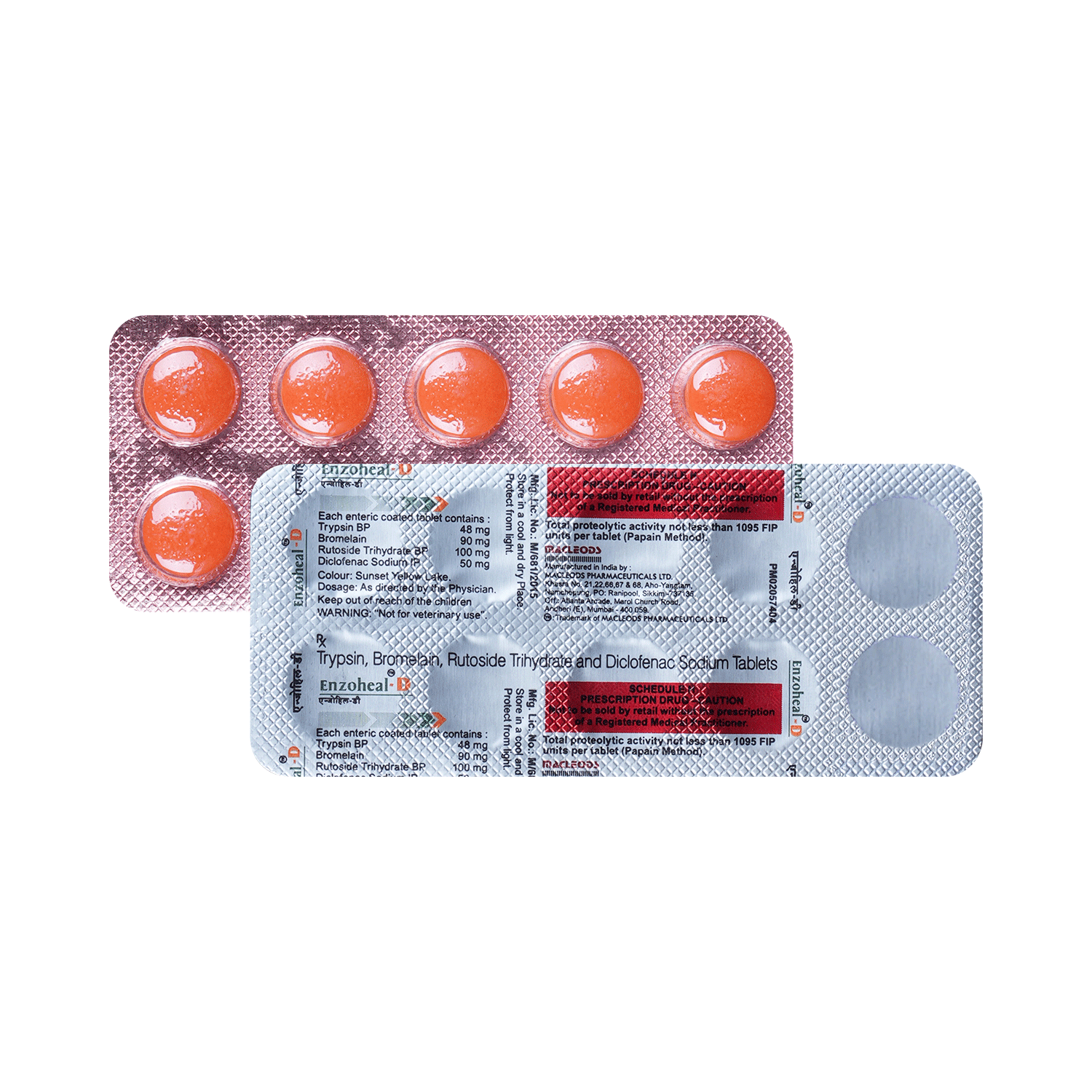
| Salt Composition: | Trypsin (48mg) + Bromelain (90mg) + Rutoside (100mg) + Diclofenac (50mg) |
| Manufacturer: | Nosme Pharmaceuticals |
| Storage: | Below 25 degree celcius |
Out of Stock
Have doubts about this medicine?
Have doubts about this medicine?
Bysin D Tablet is a pain relieving medicine used to reduce pain and inflammation in conditions like rheumatoid arthritis, ankylosing spondylitis, and osteoarthritis. Bysin D Tablet should be taken with food. This will prevent you from getting an upset stomach. You should take it regularly as advised by your doctor. Do not take more or use it for a longer duration than recommended by your doctor. Some of the common side effects of this medicine include nausea, vomiting, heartburn, diarrhea, loss of appetite, and indigestion. If any of these side effects bother you or do not go away with time, you should let your doctor know. Your doctor may help you with ways to reduce or prevent the side effects.
Bysin D Tablet is a combination of four medicines: Trypsin, Bromelain, Rutoside and Diclofenac. Trypsin and Bromelain are enzymes. They increase blood supply and make the body produce substances that fight pain and swelling. Rutoside is an antioxidant which protects the body from damage by chemicals (free radicals) and further reduces swelling. Diclofenac is a non-steroidal anti-inflammatory drug (NSAID) which works by blocking the release of certain chemical messengers (prostaglandins) in the brain that cause pain and inflammation (redness and swelling).
What is Bysin D Tablet?
Bysin D Tablet is a combination medication that contains four active ingredients: Trypsin, Bromelain, Rutoside, and Diclofenac. It works by reducing pain and inflammation in the body.
Can Bysin D Tablet cause dizziness?
Yes, some patients may experience dizziness when taking Bysin D Tablet. If you feel dizzy or lightheaded, it is recommended to rest for a while and resume once you feel better.
What are the contraindications associated with Bysin D Tablet?
Bysin D Tablet should be avoided in patients with a known allergy to painkillers (NSAIDs) or any of its components. It is also not recommended for individuals with a history of stomach ulcers, active recurrent bleeding, heart failure, high blood pressure, liver disease, or kidney disease.
Can I take a higher dose than recommended?
No, taking more Bysin D Tablet than prescribed can increase the risk of side effects and potentially harm your kidneys on long-term use. If you experience increased pain and swelling, consult your doctor for re-evaluation.
How should I store Bysin D Tablet?
Store Bysin D Tablet in its original container, tightly closed, according to the instructions provided on the pack or label. Dispose of unused medication and keep it out of reach of children and pets.
Can I stop taking Bysin D Tablet when my symptoms improve?
Bysin D Tablet is typically used for short-term relief. If your doctor has advised you to continue using the medication, follow their instructions. Otherwise, discontinue use once your pain and swelling are relieved.
Can Bysin D Tablet cause nausea and vomiting?
Yes, some patients may experience nausea and vomiting when taking Bysin D Tablet. To minimize this risk, take the medication with milk or food, avoid fatty or fried foods, and drink plenty of water if you vomit.
Take this medicine in the dose and duration as advised by your doctor. Swallow it as a whole. Do not chew, crush or break it. Bysin D Tablet is to be taken with food.
- Bysin D Tablet helps relieve pain and inflammation that may occur due to trauma, surgery or everyday activity.
- It may also be used to relieve inflammation in rheumatic and degenerative conditions such as rheumatoid arthritis and osteoarthritis.
- It may increase the severity of your condition at the start of treatment. Continue using it as prescribed by your doctor.
- It may cause dizziness and blurred vision. Do not drive or do anything requiring concentration until you know how it affects you.
- It may change the color, consistency, and odor of your stool. This is harmless. Inform your doctor if this bothers you.
- It may also be used to relieve fever, muscle pain, back pain, toothache, or pain in the ear and throat.

Alcohol
It is not known whether it is safe to consume alcohol with Bysin D Tablet. Please consult your doctor.

Breastfeed
Information regarding the use of Bysin D Tablet during breastfeeding is not available. Please consult your doctor.

Pregnancy
Bysin D Tablet is unsafe to use during pregnancy as there is definite evidence of risk to the developing baby. However, the doctor may rarely prescribe it in some life-threatening situations if the benefits are more than the potential risks. Please consult your doctor.