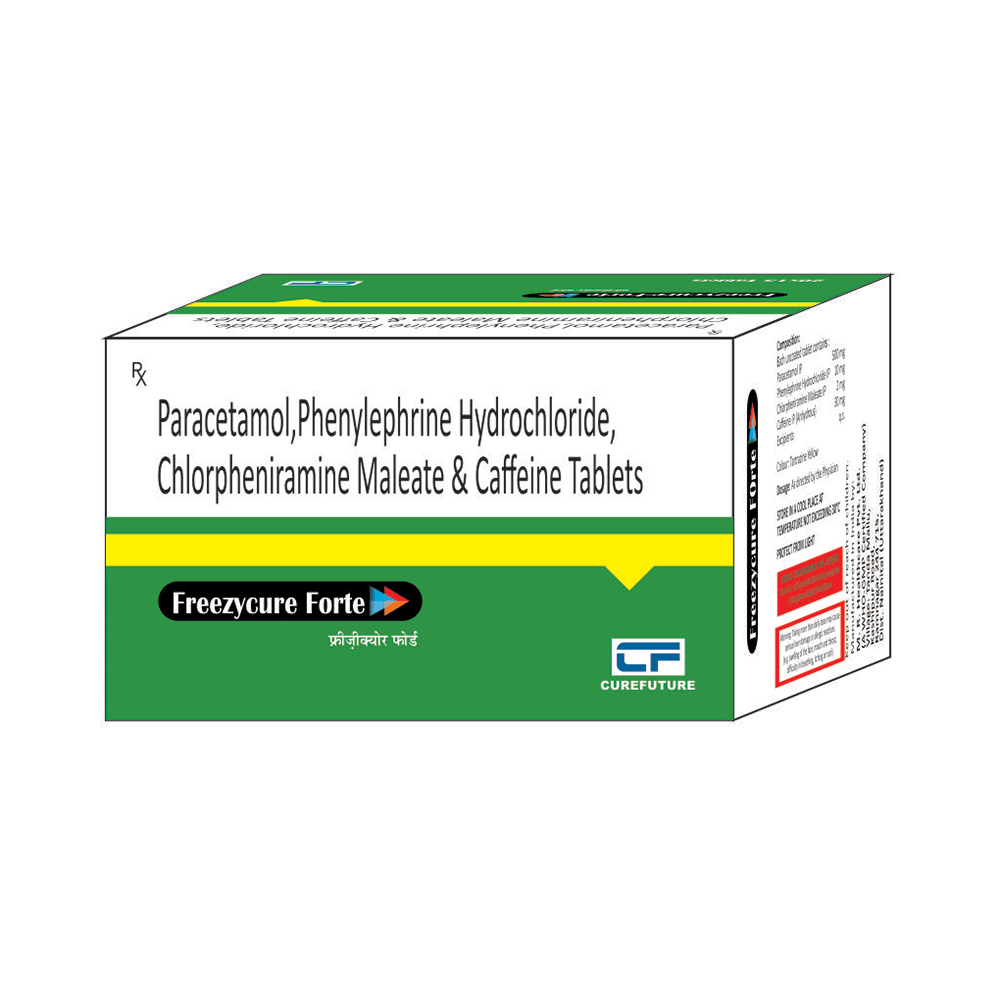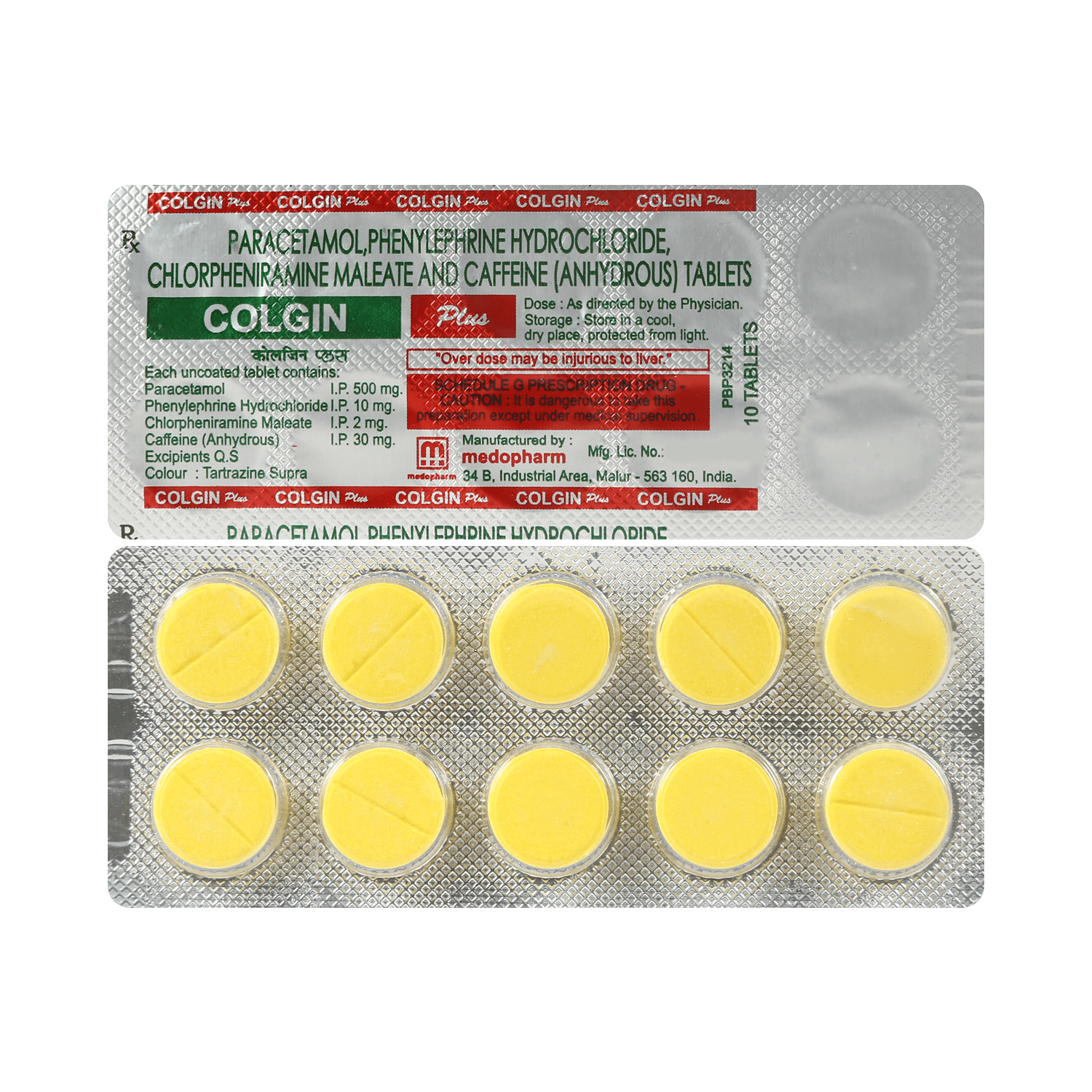
Anti CC Tablet
strip of 10.0 tablets.Prescription required
About this product:
| Salt Composition: | Caffeine (30mg) + Chlorpheniramine Maleate (2mg) + Paracetamol (500mg) + Phenylephrine (10mg) |
| Manufacturer: | Embiotic Laboratories Pvt Ltd |
| Storage: | Below 25 degree celcius |
Out of Stock
Have doubts about this medicine?
Have doubts about this medicine?
Anti CC Tablet is used to treat common cold symptoms, providing temporary relief from stuffiness in the nose and relieving allergy symptoms like runny nose and watery eyes. Anti CC Tablet is a combination of four medicines: Caffeine, Chlorpheniramine Maleate, Paracetamol, and Phenylephrine, which relieves common cold symptoms. It is used to treat common cold symptoms, providing temporary relief from stuffiness in the nose and relieving allergy symptoms like runny nose and watery eyes. However, it is important to note that Anti CC Tablet may be unsafe to use during pregnancy and breastfeeding, and it is not recommended to consume alcohol with this medicine.
Anti CC Tablet is a combination of four medicines: Caffeine, Chlorpheniramine Maleate, Paracetamol, and Phenylephrine, which relieves common cold symptoms.
What is Anti CC Tablet?
Anti CC Tablet contains a combination of four medications: Caffeine, Chlorpheniramine, Paracetamol, and Phenylephrine. This combination helps to alleviate symptoms of cold by addressing various aspects such as congestion, fever, body pain, and fatigue.
Are there any contraindications for taking Anti CC Tablet?
Anti CC Tablet should not be used if you have high blood pressure (hypertension), any underlying serious heart condition or cardiovascular disorder, a history of stomach ulcers, or hyperthyroidism. Additionally, it is advised to avoid using this medication in conjunction with antidepressant drugs that are monoamine oxidase inhibitors (MAOIs). These include phenelzine and isocarboxazid, as well as tricyclic antidepressants like imipramine and amitriptyline.
What are the symptoms for which Anti CC Tablet is most effective?
Anti CC Tablet is designed to alleviate symptoms of cold. It helps with congestion, fever, body aches, and fatigue. This medication can be particularly helpful when experiencing a common cold.
What are the instructions for storing Anti CC Tablet?
Store your medications in a cool dry place and keep them in the original pack or container until it is time to take them. Store them out of sight and reach of children. It's crucial to follow these storage guidelines to ensure that the medication remains effective and safe for use.
Can I breastfeed while taking Anti CC Tablet?
It is not advisable to breastfeed while using Anti CC Tablet because it contains Chlorpheniramine, an antihistamine which can pass into the breast milk. This could potentially harm your baby.
What are the potential side effects of taking Anti CC Tablet?
Like most medications, Anti CC Tablet may come with potential side effects. Common side effects include dizziness, drowsiness, headache, and dry mouth. If you experience any severe or persistent adverse effects, it is crucial to consult your doctor immediately.
How should I dispose of leftover Anti CC Tablet?
Never discard unused medication down the drain. Leftover medications can pose risks to the environment and potentially harm people and animals who come into contact with them. You must ensure proper disposal by following your local guidelines or contacting your pharmacy for advice.
Take this medicine in the dose and duration as advised by your doctor. Swallow it as a whole. Do not chew, crush or break it. Anti CC Tablet may be taken with or without food, but it is better to take it at a fixed time.
- Take exactly as directed by your doctor or on the label. Do not increase the dosage or take for longer than is recommended.
- Inform your doctor if you are taking any other medications for cold.
- Call your doctor if your symptoms have not improved within seven days of treatment or if you develop a fast or uneven heartbeat, severe dizziness or anxiety, severe headache, fever, or rash.
- Along with taking Anti CC Tablet, do the following simple tips at home to get relief: steam inhalation, gargling with warm saltwater, apply vapor rubs on chest and back if needed, take enough rest, take warm food and fluid only, ensure adequate fluid intake, and advise hygiene measures to reduce spread: frequent hand-washing, avoiding sharing towels, pillowcases, etc.

Alcohol
It is unsafe to consume alcohol with Anti CC Tablet.

Breastfeed
Anti CC Tablet is probably safe to use during breastfeeding. Limited human data suggests that the drug does not represent any significant risk to the baby.

Pregnancy
Anti CC Tablet may be unsafe to use during pregnancy. Although there are limited studies in humans, animal studies have shown harmful effects on the developing baby. Your doctor will weigh the benefits and any potential risks before prescribing it to you. Please consult your doctor.