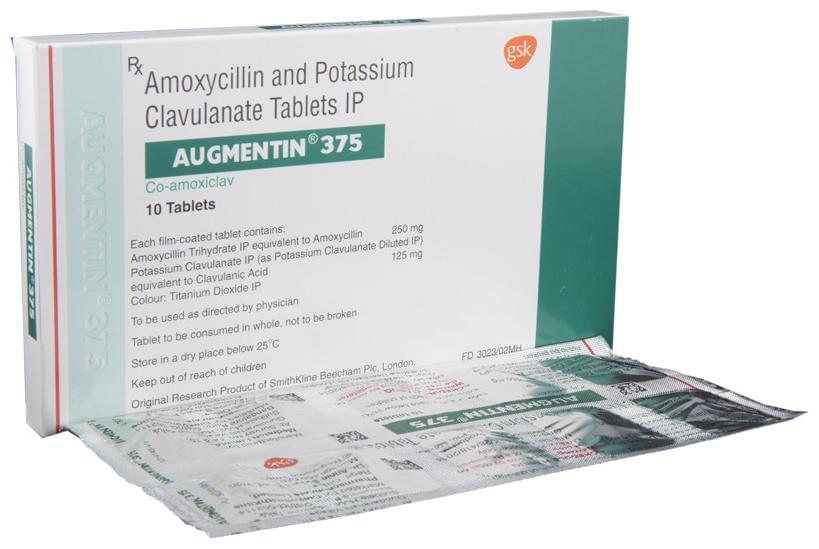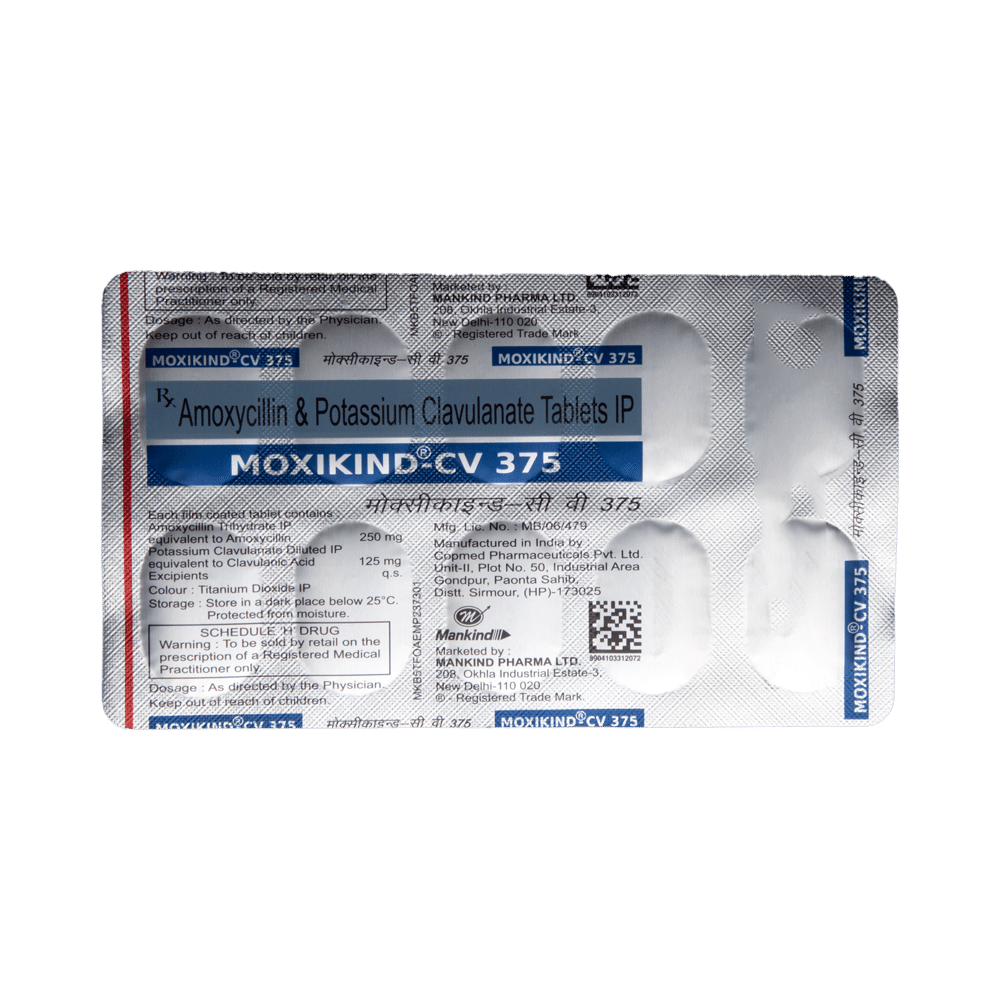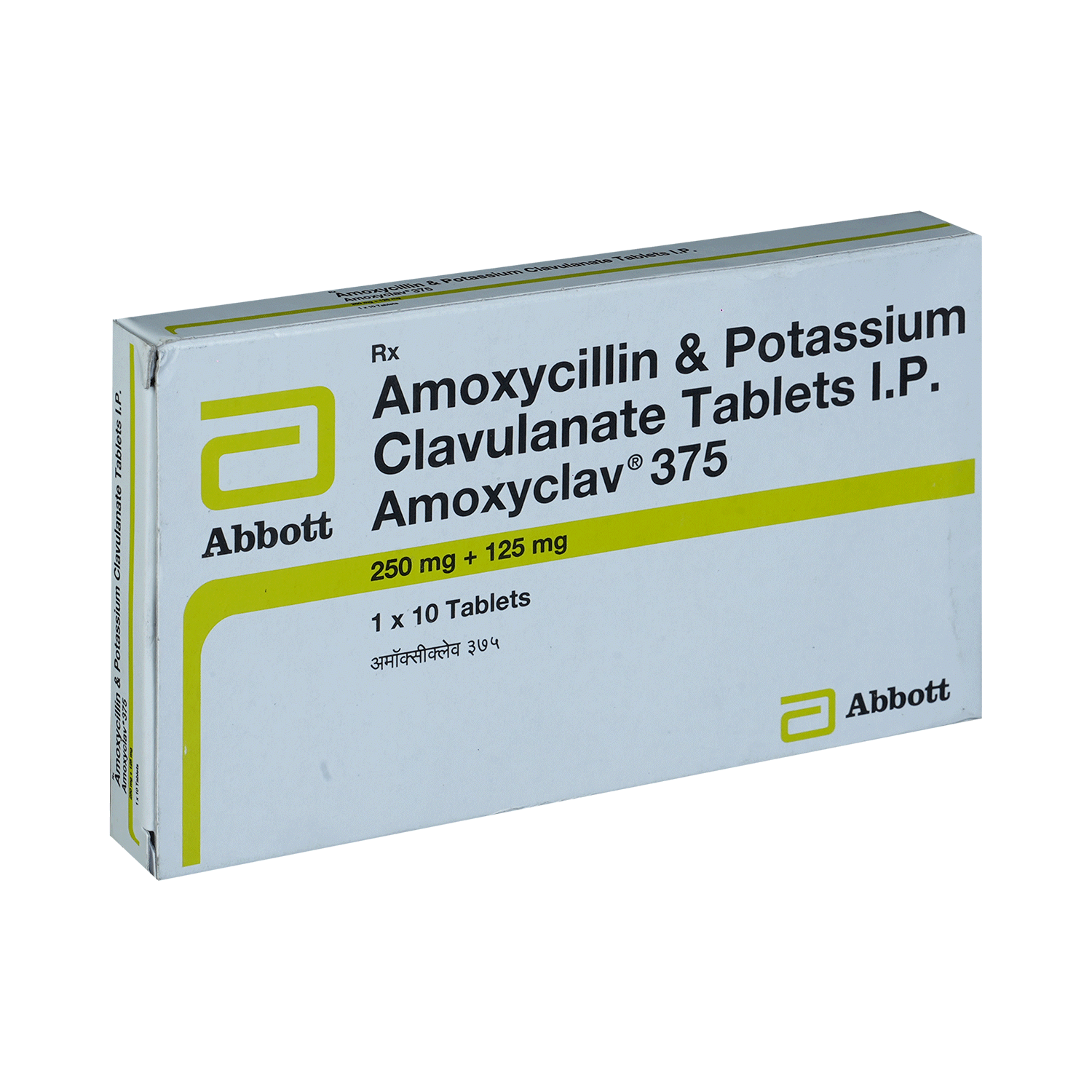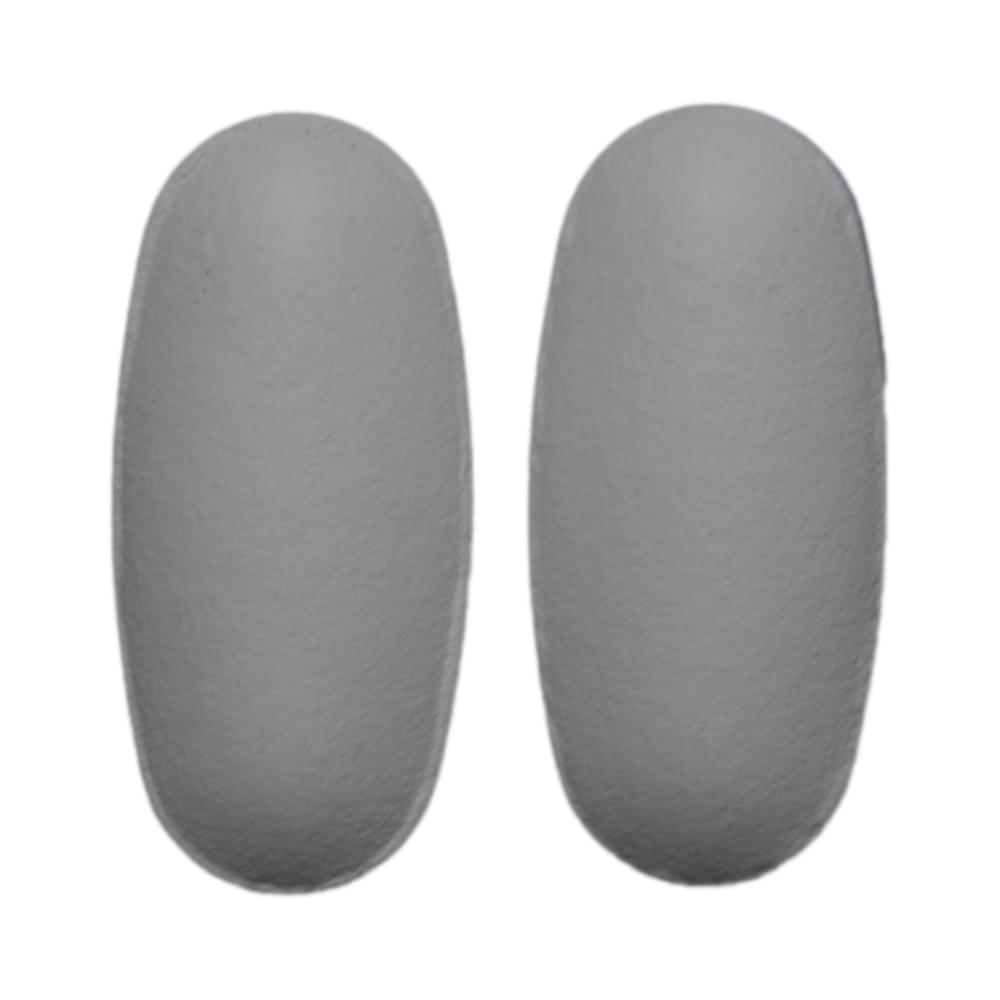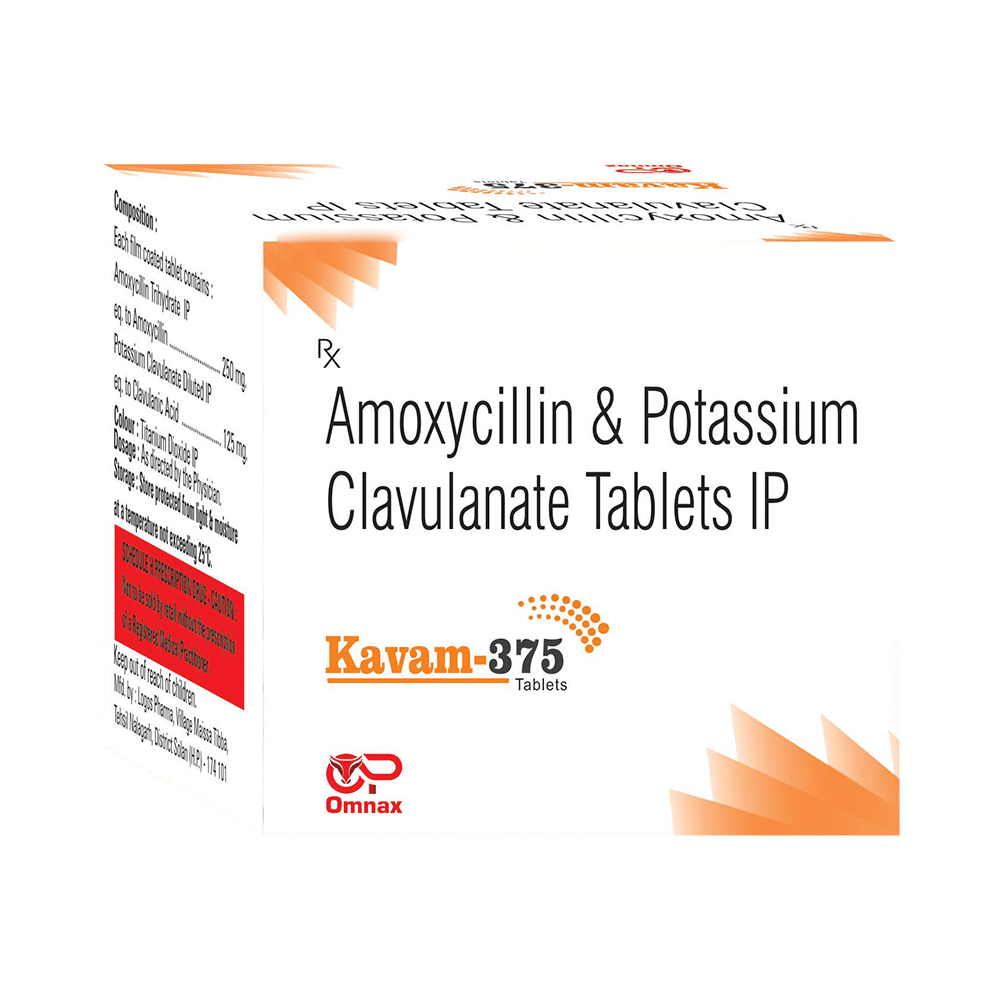
Amoxsyn CV 375 Tablet
strip of 10.0 tablets.Prescription required
About this product:
| Salt Composition: | Amoxycillin (250mg) + Clavulanic Acid (125mg) |
| Manufacturer: | Synmedic Laboratories |
| Storage: | Below 25 degree celcius |
Out of Stock
Have doubts about this medicine?
Have doubts about this medicine?
Amoxsyn CV 375 Tablet is an antibiotic that helps your body fight infections caused by bacteria. Amoxsyn CV 375 Tablet is an antibiotic that helps your body fight infections caused by bacteria. It is used to treat infections of the lungs (e.g., pneumonia), ear, nasal sinus, urinary tract, skin, and soft tissue. It will not work for viral infections such as the common cold.
Amoxsyn CV 375 Tablet is a combination of two medicines: Amoxycillin and Clavulanic Acid. Amoxycillin is an antibiotic. It works by preventing the formation of the bacterial protective covering which is essential for the survival of bacteria. Clavulanic Acid is a beta-lactamase inhibitor which reduces resistance and enhances the activity of Amoxycillin against bacteria.
What is Amoxsyn CV 375 Tablet used to treat?
Amoxsyn CV 375 Tablet is a combination of two medicines: Amoxycillin and Clavulanic acid. It is used to treat bacterial infections such as tonsillitis, sinusitis, otitis media, respiratory tract infections, urinary tract infections, boils, abscesses, cellulitis, wound infection, bone infection, and oral cavity infections.
Is Amoxsyn CV 375 Tablet safe for use?
Amoxsyn CV 375 Tablet is generally considered safe when taken as directed by a doctor. However, common side effects may include diarrhea, nausea, vomiting, rash, allergic reaction, and other uncommon or rare side effects.
What cautions should be associated with the use of Amoxsyn CV 375 Tablet?
The use of Amoxsyn CV 375 Tablet is contraindicated in patients with known allergies to penicillins or any other ingredient, as well as those with a history of liver disease. Inform your doctor if you have any allergies.
Can the use of Amoxsyn CV 375 Tablet affect contraceptive efficacy?
Yes, the use of Amoxsyn CV 375 Tablet can lower the effectiveness of birth control pills. Consult your doctor and discuss alternative methods of contraception such as condoms, diaphragms, or spermicides.
Should I take a higher dose of Amoxsyn CV 375 Tablet?
No, taking a higher than recommended dose of Amoxsyn CV 375 Tablet can increase the risk of side effects. Complete the full course of treatment as directed by your doctor.
How should I store and dispose of Amoxsyn CV 375 Tablet?
Keep Amoxsyn CV 375 Tablet in its original container, tightly closed, and store it according to the instructions on the pack or label. Dispose of unused medicine safely.
Should I stop taking Amoxsyn CV 375 Tablet if my symptoms improve?
No, do not stop taking Amoxsyn CV 375 Tablet before completing the full course of treatment, even if you feel better. Continue to take the medication as directed by your doctor.
Can Amoxsyn CV 375 Tablet cause an allergic reaction?
Yes, Amoxsyn CV 375 Tablet can cause an allergic reaction in some individuals. Get emergency medical help if you experience signs of an allergic reaction such as hives, difficulty breathing, or swelling of the face, lips, tongue, or throat.
Can I take Amoxsyn CV 375 Tablet to treat a cold or flu?
No, Amoxsyn CV 375 Tablet is not effective in treating viral infections like the common cold or flu. Consult your doctor and avoid self-medication.
Will Amoxsyn CV 375 Tablet cause drowsiness?
No, Amoxsyn CV 375 Tablet does not typically cause drowsiness. However, if you experience any unusual effects, consult your doctor.
Take this medicine in the dose and duration as advised by your doctor. Swallow it as a whole. Do not chew, crush or break it. Amoxsyn CV 375 Tablet is to be taken with food.
- Diarrhea may occur as a side effect. Taking probiotics along with Amoxsyn CV 375 Tablet may help. Talk to your doctor if you notice bloody stools or develop abdominal cramps.
- Do not take antacids 2 hours before or after taking Amoxsyn CV 375 Tablet.
- Stop taking Amoxsyn CV 375 Tablet and inform your doctor immediately if you develop an itchy rash, swelling of the face, throat or tongue or breathing difficulties while taking it.
- Do not use leftover medicine for treating any infection in the future. Always consult your doctor before taking any antibiotic.
- Stick to simple meals, avoid rich or spicy food and drink plenty of water while taking Amoxsyn CV 375 Tablet.
- Diarrhea may occur as a side effect. Taking probiotics along with Amoxsyn CV 375 Tablet may help. Talk to your doctor if you notice bloody stools or develop abdominal cramps.

Alcohol
Consuming alcohol with Amoxsyn CV 375 Tablet does not cause any harmful side effects.

Breastfeed
Amoxsyn CV 375 Tablet is safe to use during breastfeeding. Human studies suggest that the drug does not pass into the breastmilk in a significant amount and is not harmful to the baby.

Pregnancy
Amoxsyn CV 375 Tablet is generally considered safe to use during pregnancy. Animal studies have shown low or no adverse effects to the developing baby; however, there are limited human studies.