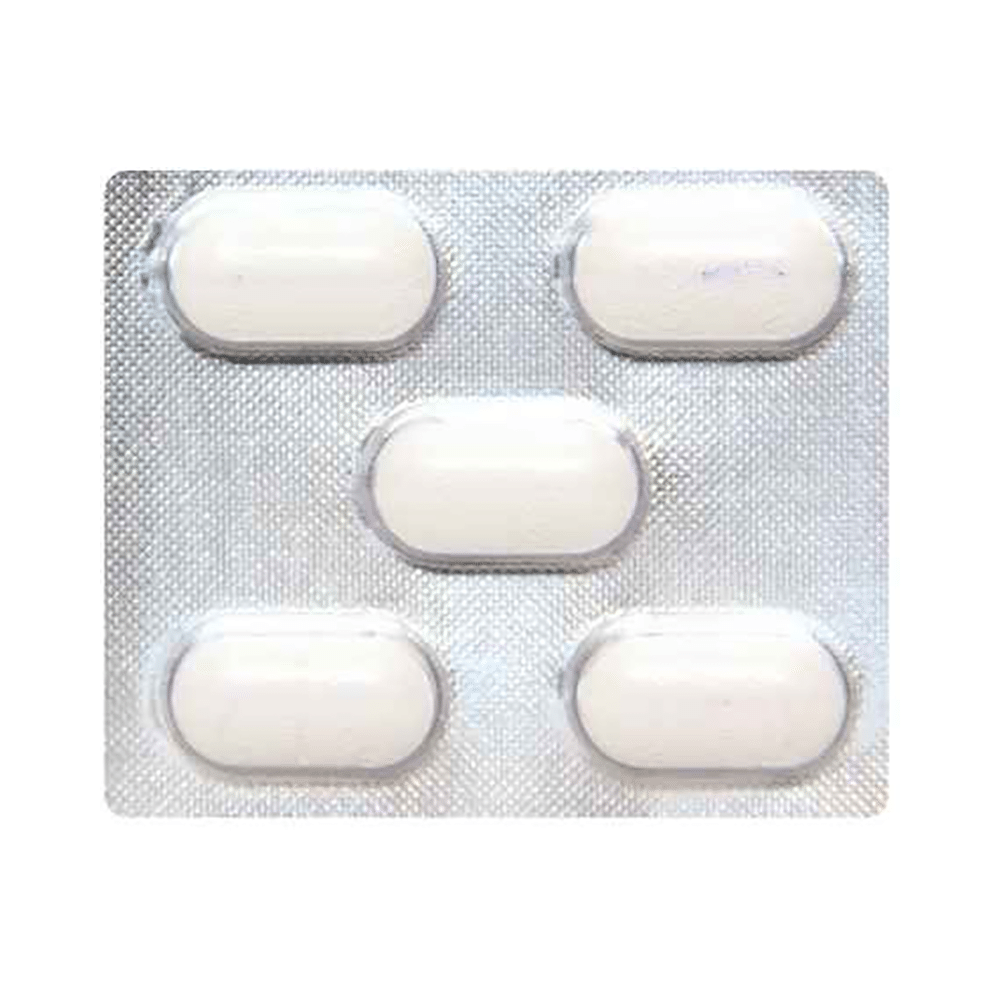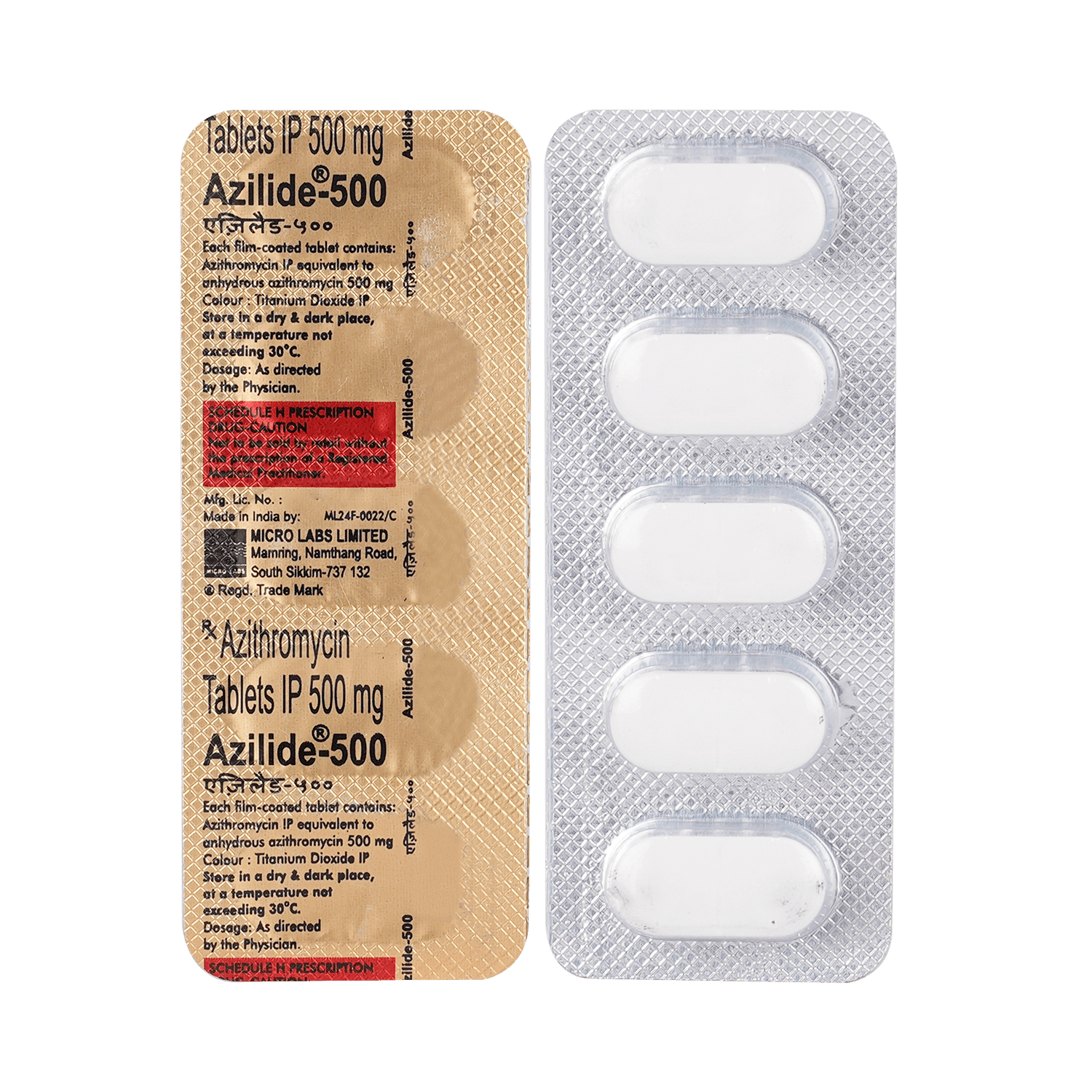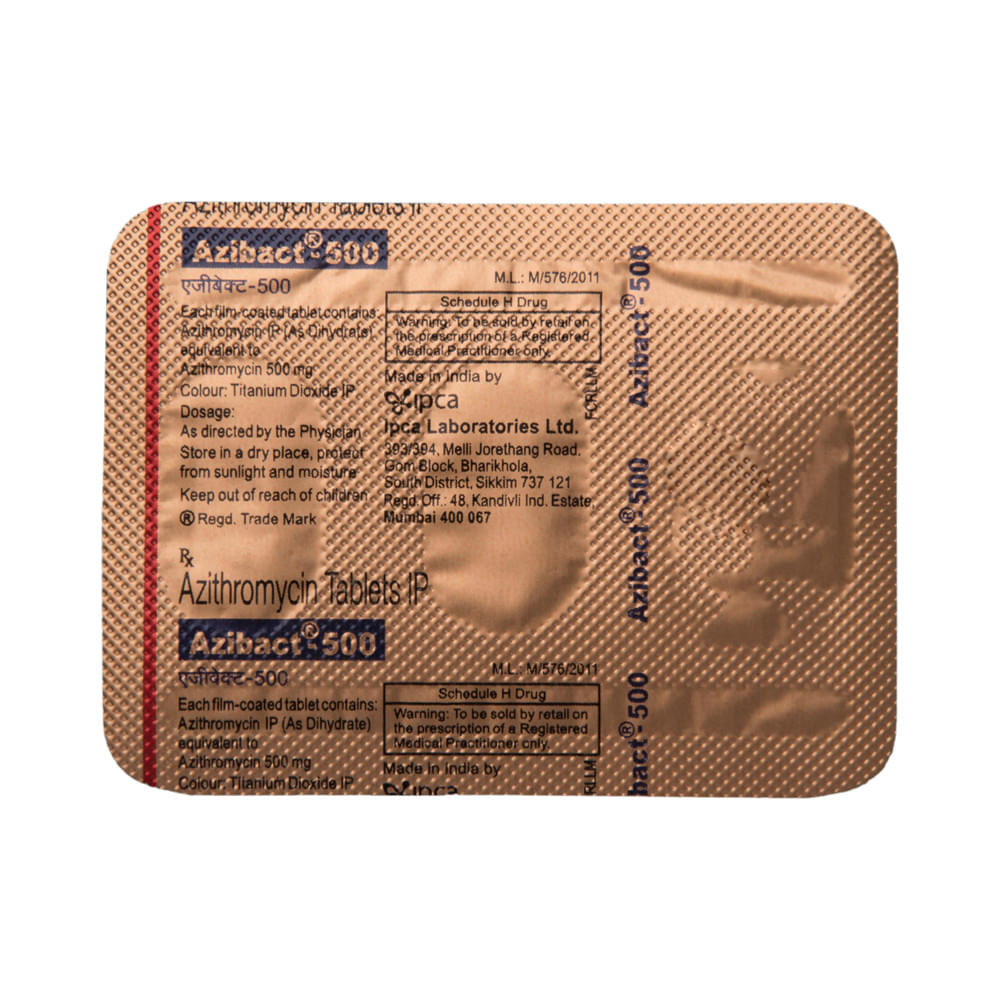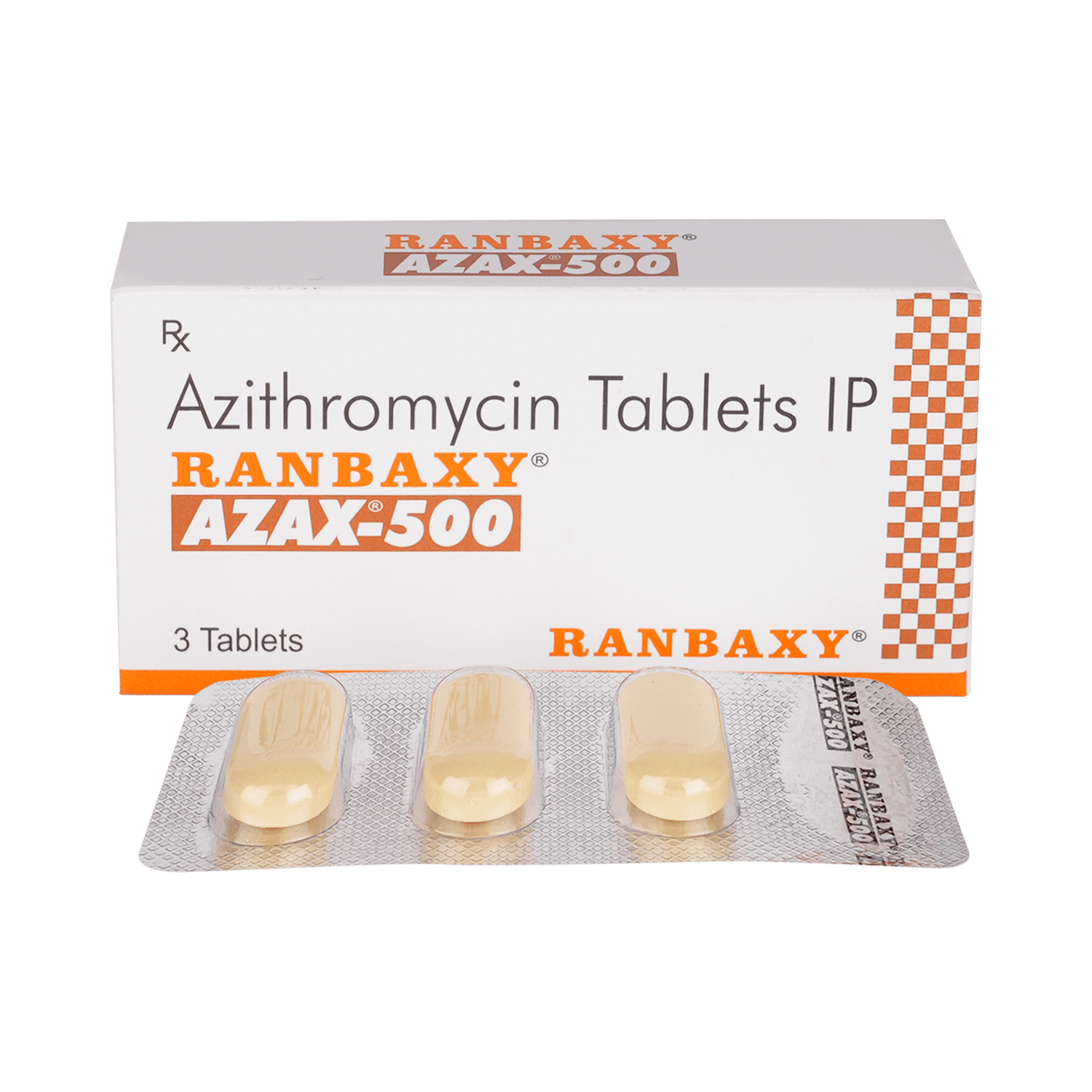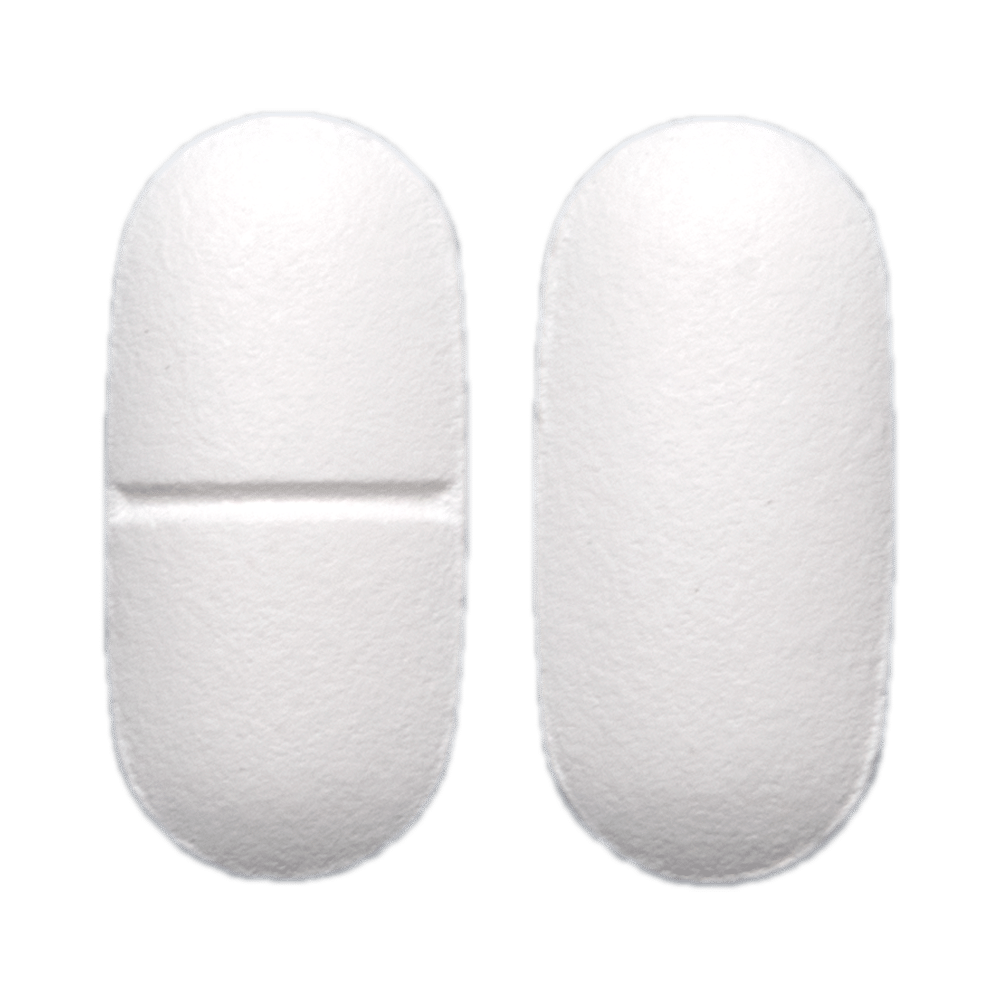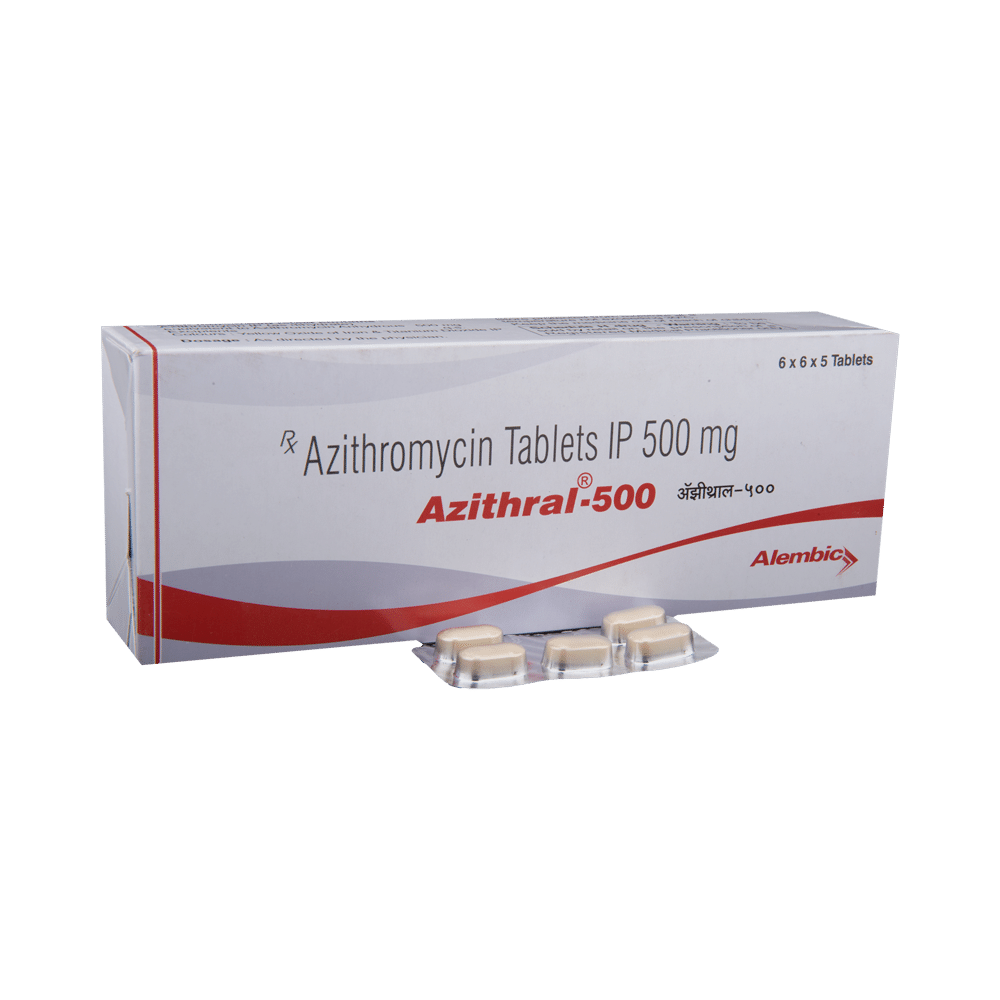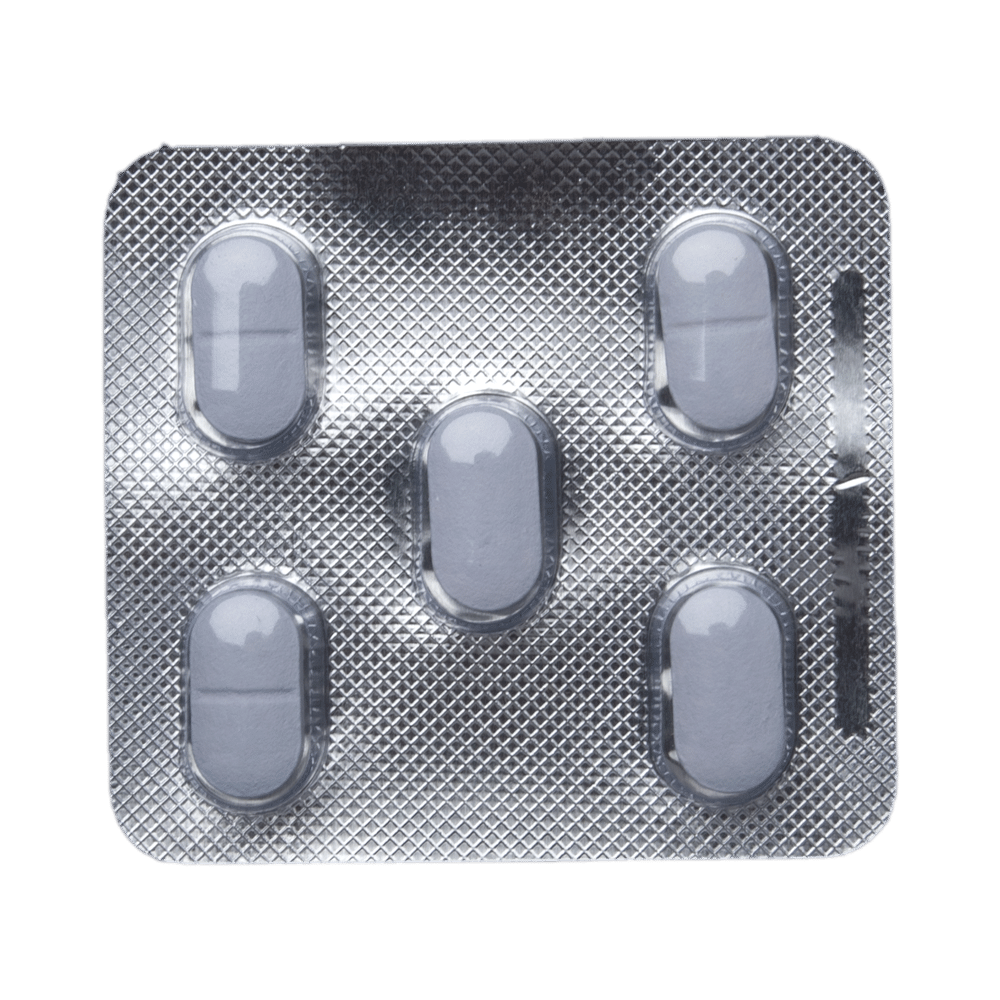
Aequimycin 500mg Tablet
strip of 3.0 tablets.Prescription required
About this product:
| Salt Composition: | Azithromycin (500mg) |
| Manufacturer: | Aequitas Healthcare Pvt Ltd |
| Storage: | Below 25 degree celcius |
Out of Stock
Have doubts about this medicine?
Have doubts about this medicine?
Aequimycin 500mg Tablet is an antibiotic used to treat various bacterial infections including respiratory tract, ear, nose, throat, lungs, skin, and eye infections, as well as typhoid fever and some sexually transmitted diseases like gonorrhea. Aequimycin 500mg Tablet is a versatile antibiotic used to treat a wide range of bacterial infections in both adults and children. It is effective against infections of the respiratory tract, ear, nose, throat, lungs, skin, and eyes. Additionally, it is used to treat typhoid fever and certain sexually transmitted diseases such as gonorrhea. While generally safe, it is important to complete the full course of treatment to prevent the infection from returning and becoming harder to treat. Common side effects may include diarrhea, which usually resolves after completing the course. Serious side effects like an itchy rash, swelling of the face, throat, or tongue, or breathing difficulties require immediate medical attention.
Aequimycin 500mg Tablet is an antibiotic. It works by preventing the synthesis of essential proteins required by bacteria to carry out vital functions. Thus, it stops the bacteria from growing and prevents the infection from spreading.
Take this medicine in the dose and duration as advised by your doctor. Swallow it as a whole. Do not chew, crush, or break it. Aequimycin 500mg Tablet may be taken with or without food, but it is better to take it at a fixed time.
- Do not skip any doses and finish the full course of treatment even if you feel better. Stopping it early may make the infection come back and harder to treat.
- Take it 1 hour before or two hours after food.
- Do not take antacids 2 hours before or after taking Aequimycin 500mg Tablet.
- Diarrhea may occur as a side effect but should stop when your course is complete. Inform your doctor if it doesn't stop or if you find blood in your stools.
- Stop taking Aequimycin 500mg Tablet and inform your doctor immediately if you develop an itchy rash, swelling of the face, throat, or tongue, or breathing difficulties while taking it.

Alcohol
It is unsafe to consume alcohol with Aequimycin 500mg Tablet.

Breastfeed
Aequimycin 500mg Tablet is safe to use during breastfeeding. Human studies suggest that the drug does not pass into the breastmilk in a significant amount and is not harmful to the baby. There may be a possibility of diarrhea or rash in the baby.

Pregnancy
Aequimycin 500mg Tablet is generally considered safe to use during pregnancy. Animal studies have shown low or no adverse effects to the developing baby; however, there are limited human studies.