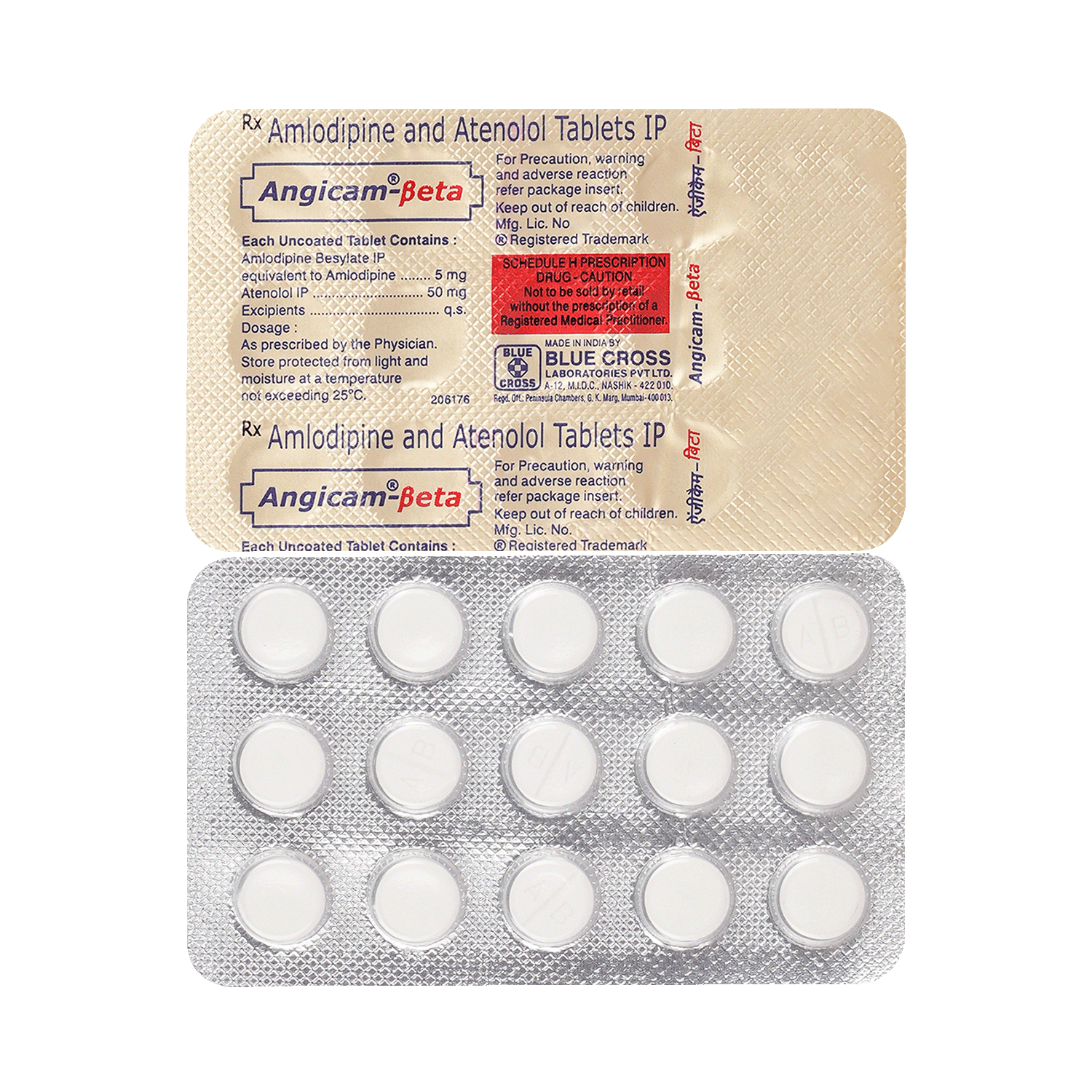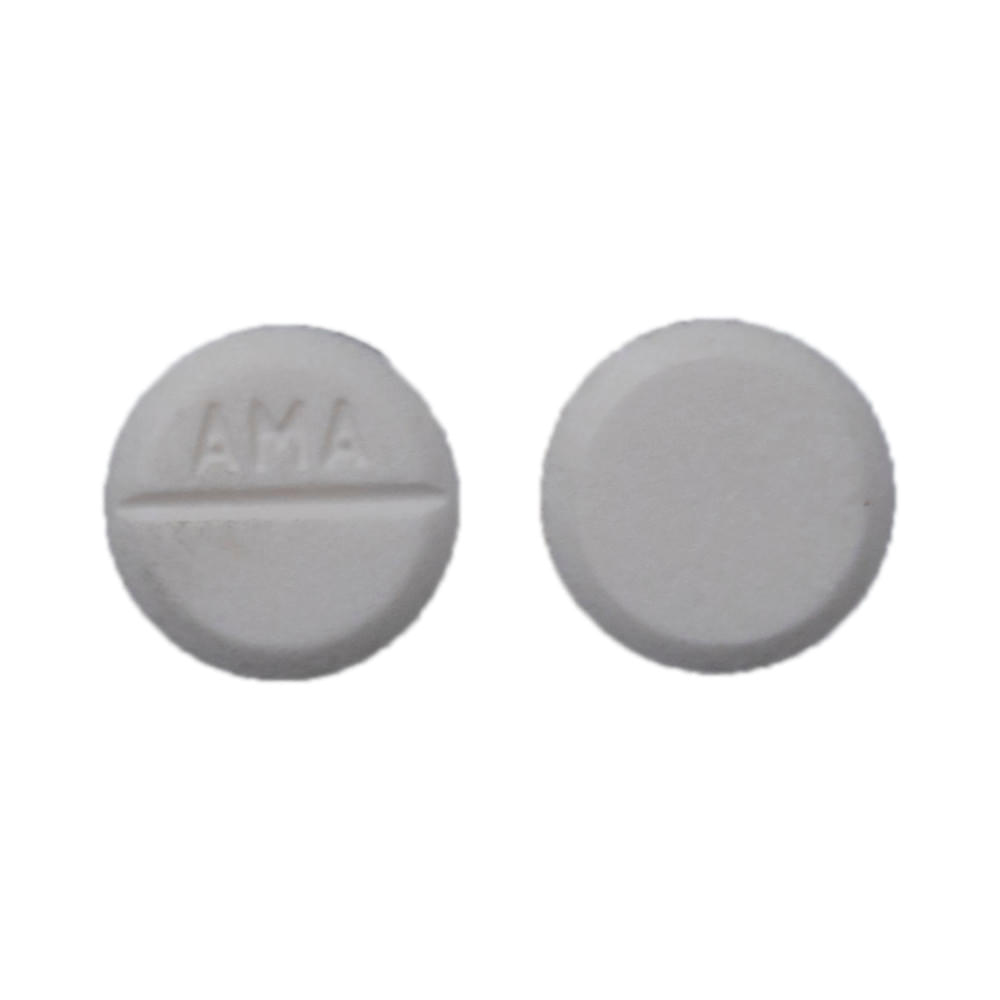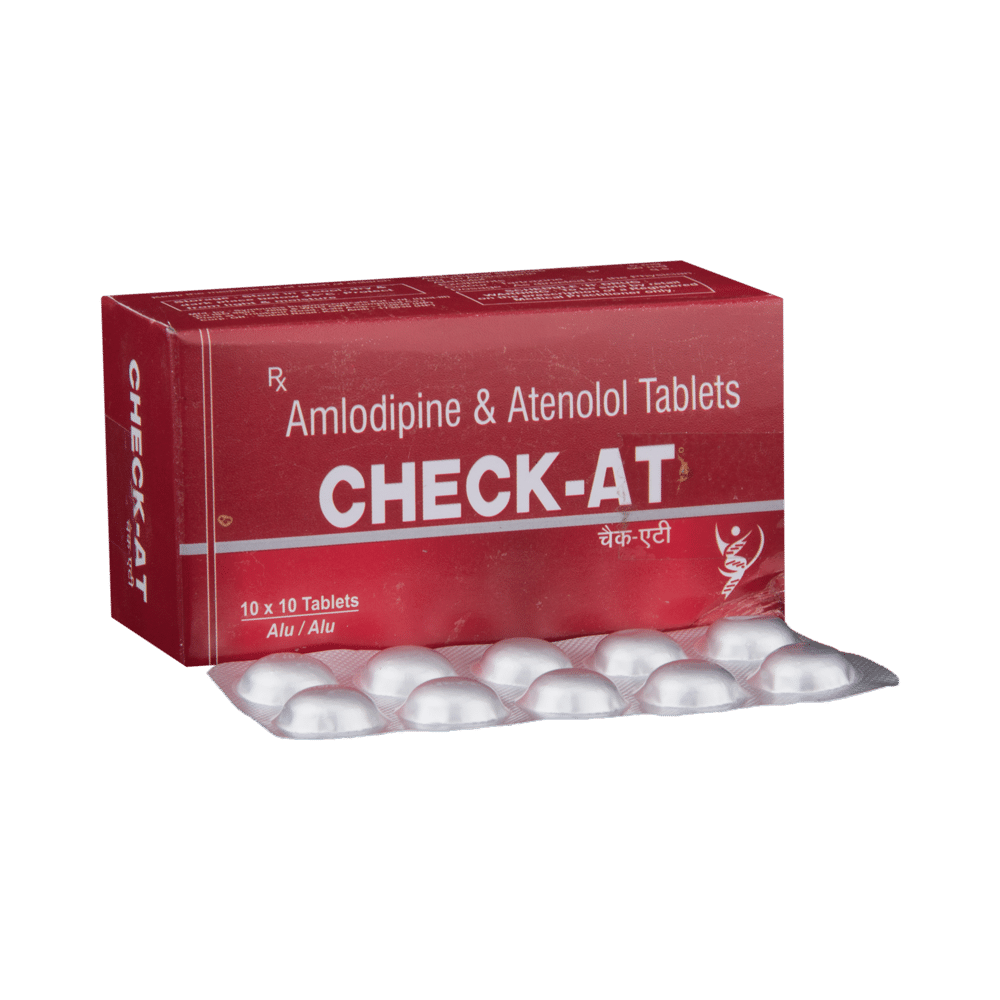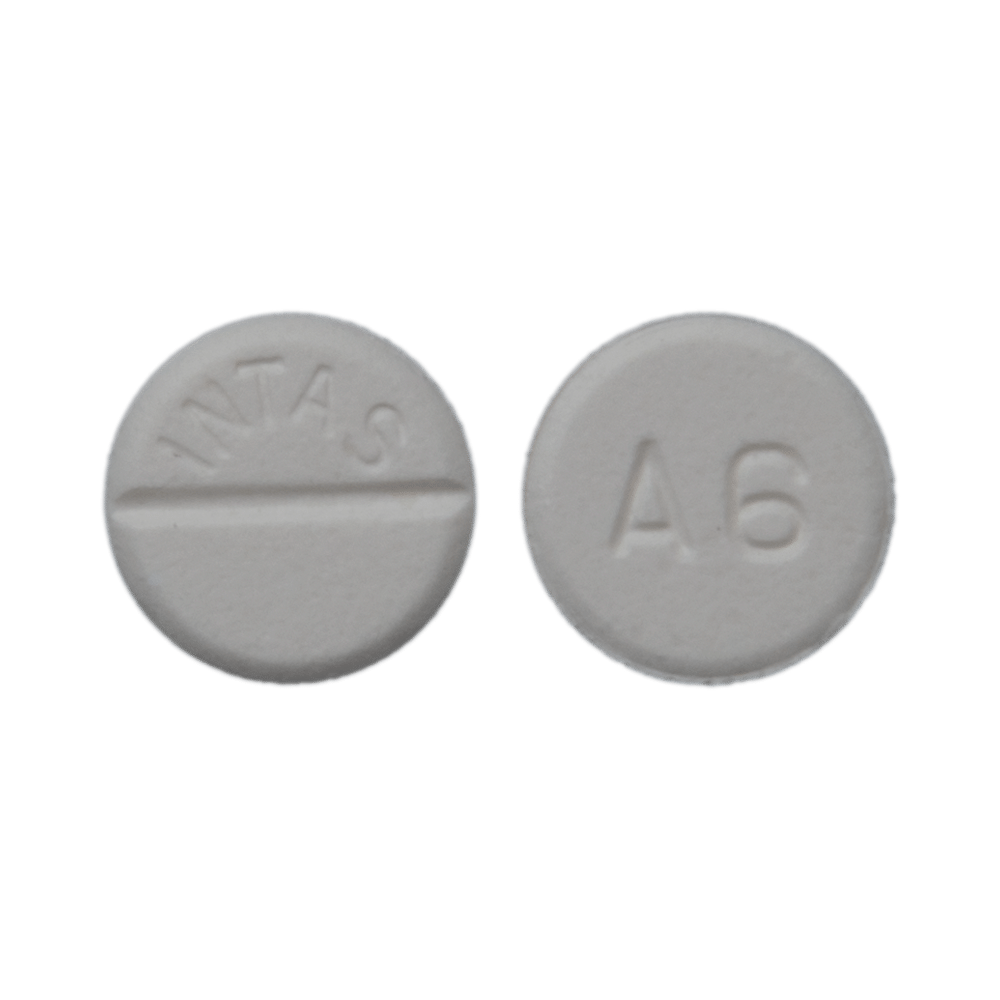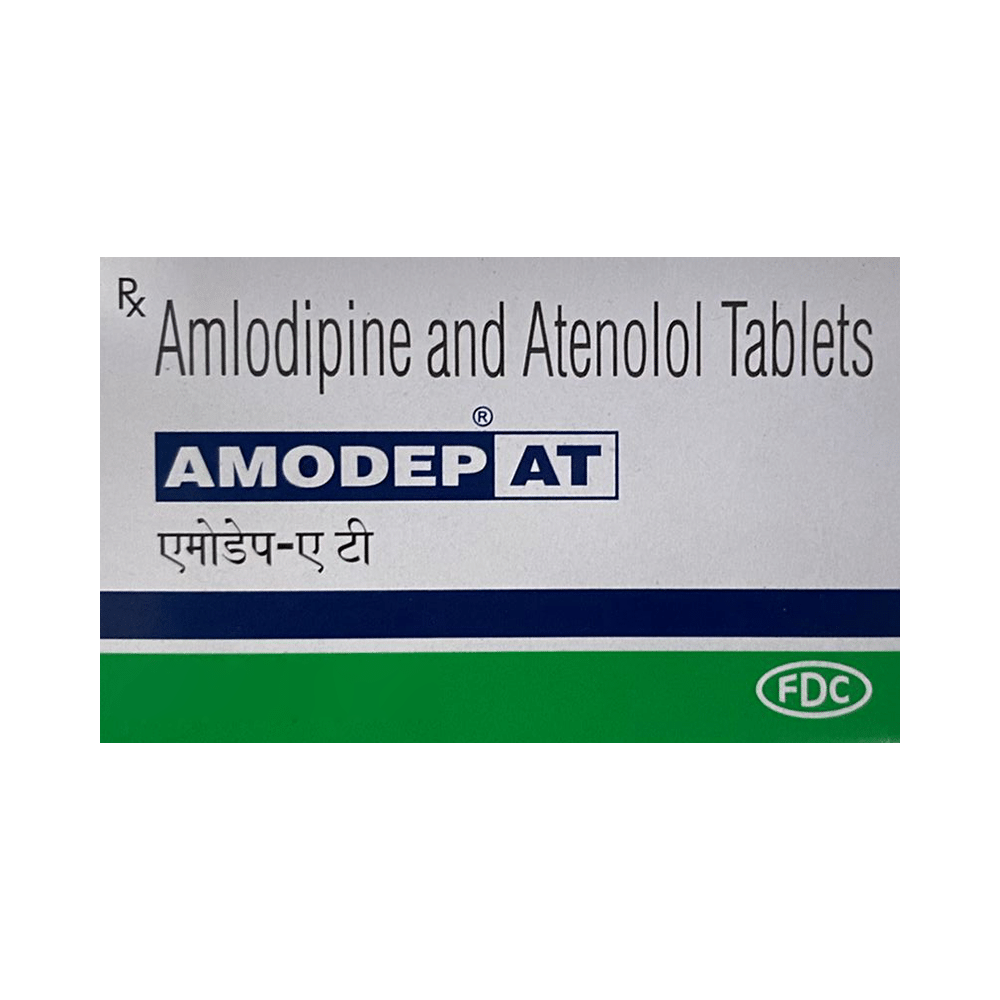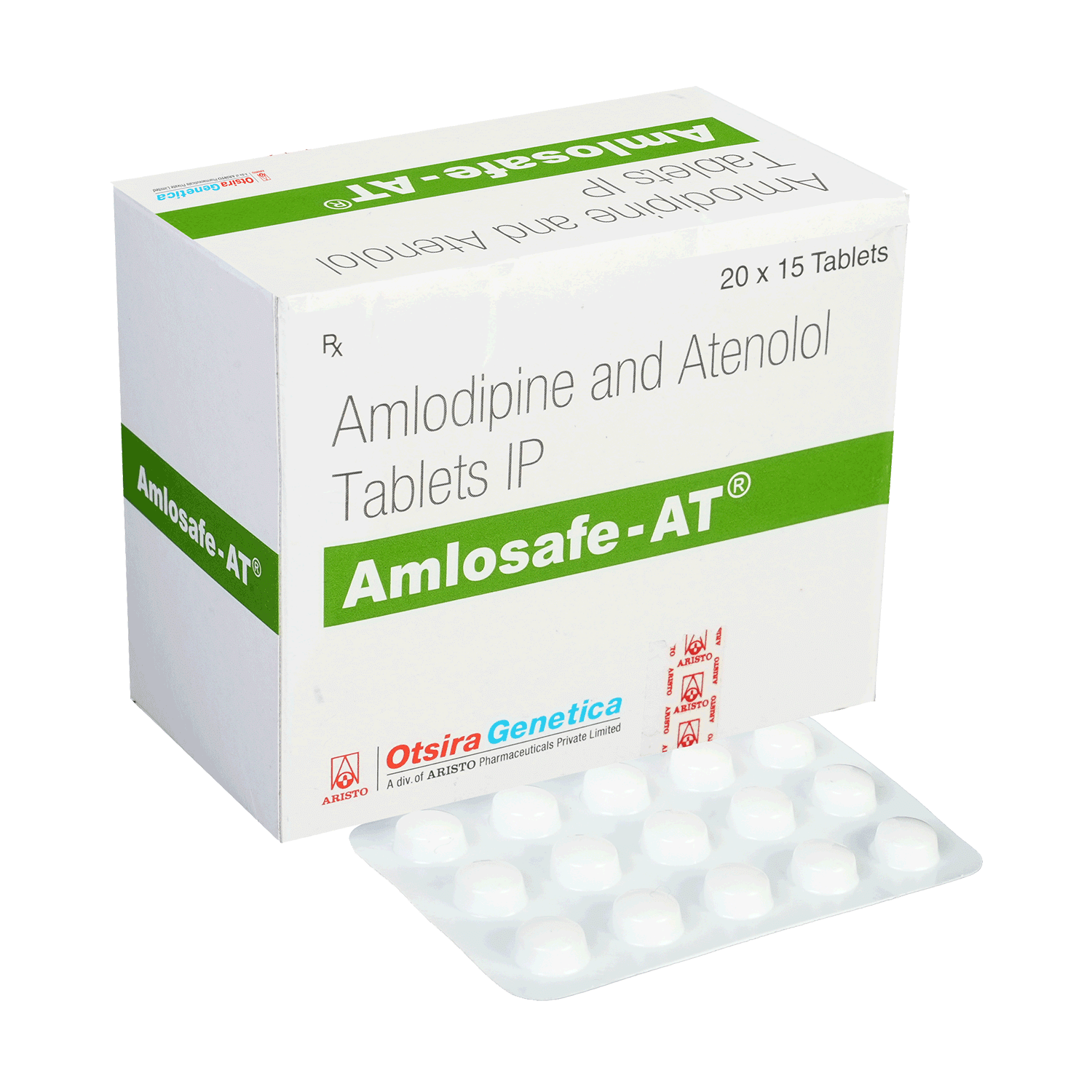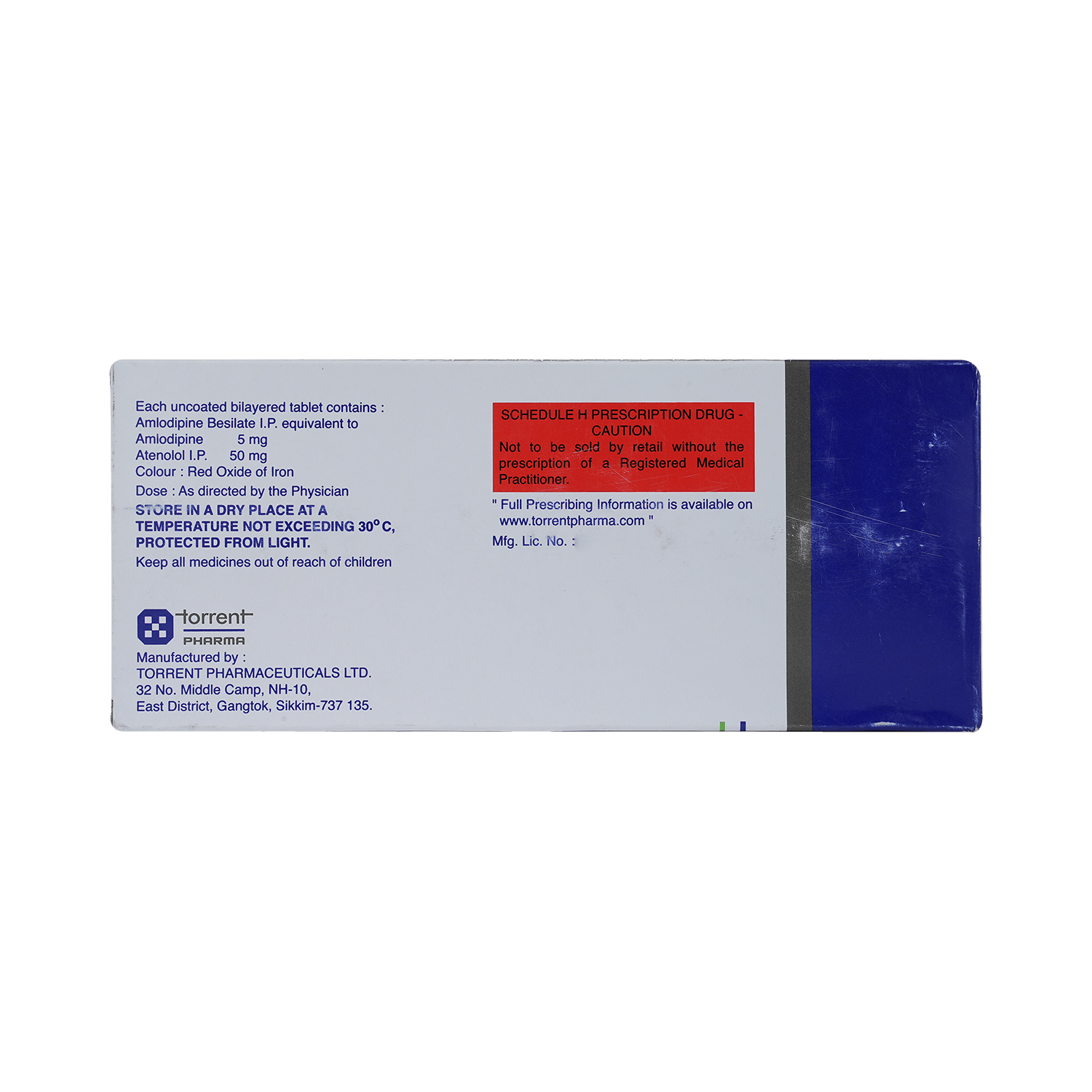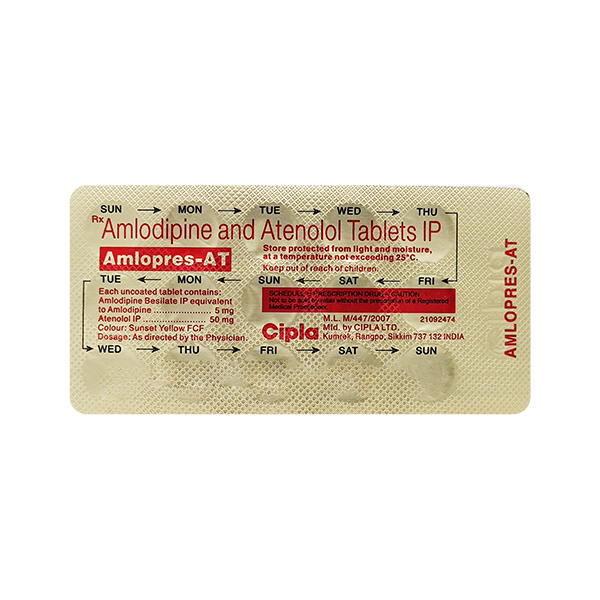
Acard 5mg/50mg Tablet
strip of 10.0 tablets.Prescription required
About this product:
| Salt Composition: | Amlodipine (5mg) + Atenolol (0mg) |
| Manufacturer: | Edward Young Labs |
| Storage: | Below 25 degree celcius |
Out of Stock
Have doubts about this medicine?
Have doubts about this medicine?
Acard 5mg/50mg Tablet is used to treat hypertension (high blood pressure) and angina. It is a combination of two medicines that controls blood pressure when a single medication is not effective. Acard 5mg/50mg Tablet may be taken with or without food. Take it at the same time each day. Keep taking it for as long as advised by your doctor. Even if you feel well, do not stop this medicine on your own because high blood pressure often has no symptoms. If you stop taking it, your condition may get worse. Keeping active with regular exercise, reducing your weight and eating a healthy diet will also help control your blood pressure. Follow your doctor’s advice while taking this medicine.
Acard 5mg/50mg Tablet is a combination of two medicines:
What lifestyle changes should I make while taking Acard 5mg/50mg Tablet?
To enhance your overall health while taking Acard 5mg/50mg Tablet, consider making lifestyle changes such as quitting smoking, maintaining a healthy weight, and following a balanced diet rich in fruits and vegetables. Regular exercise can also help strengthen your heart and reduce the risk of heart attack and stroke. However, it is essential to consult with your doctor before making any significant changes to your lifestyle.
Can I stop taking Acard 5mg/50mg Tablet if I feel well?
No, it is crucial to continue taking Acard 5mg/50mg Tablet as advised by your doctor, even if you feel well. Sudden discontinuation of the medication can lead to serious complications, including heart attack and stroke. Always follow the instructions provided by your doctor and do not make any changes to your treatment regimen without consulting with them first.
Are there any special instructions regarding the storage and disposal of this medicine?
Yes, it is essential to store Acard 5mg/50mg Tablet in its original container, tightly closed, and according to the instructions provided on the pack or label. Dispose of any unused medicine properly, and ensure it is not consumed by pets, children, or other individuals.
What are the contraindications associated with the use of Acard 5mg/50mg Tablet?
Acard 5mg/50mg Tablet is contraindicated in patients who are allergic to amlodipine, atenolol, or any of its ingredients. Additionally, it is recommended to avoid this medication in patients with a history of asthma or lung disease. Inform your doctor about your medical history and the medications you are currently taking to ensure safe and effective treatment.
Can the use of Acard 5mg/50mg Tablet cause headache?
Yes, Acard 5mg/50mg Tablet may cause headaches, particularly during the initial stages of treatment. Headaches are usually temporary and may resolve within the first week of treatment. However, if you experience frequent or persistent headaches, it is essential to consult with your doctor to rule out any underlying conditions.
Can I feel dizzy after taking Acard 5mg/50mg Tablet?
Yes, Acard 5mg/50mg Tablet can cause dizziness, especially when you suddenly rise from a lying or sitting position. To minimize the risk of dizziness or fainting, rise slowly and carefully when changing positions. If you experience persistent dizziness or lightheadedness, consult with your doctor for guidance.
Take this medicine in the dose and duration as advised by your doctor. Swallow it as a whole. Do not chew, crush or break it. Acard 5mg/50mg Tablet is to be taken empty stomach.
- You have been prescribed Acard 5mg/50mg Tablet for the treatment of high blood pressure.
- Lowering blood pressure reduces chance of future heart attack & strokes.
- It may cause dizziness. Get up slowly when rising from a sitting or lying position.
- Do not stop taking the medication suddenly without talking to your doctor as it can cause sudden increase in your blood pressure.
- Let your doctor know if you are pregnant or planning for pregnancy.

Alcohol
It is unsafe to consume alcohol with Acard 5mg/50mg Tablet.

Breastfeed
Acard 5mg/50mg Tablet is probably unsafe to use during breastfeeding. Limited human data suggests that the drug may pass into the breastmilk and harm the baby.

Pregnancy
Acard 5mg/50mg Tablet is unsafe to use during pregnancy as there is definite evidence of risk to the developing baby. However, the doctor may rarely prescribe it in some life-threatening situations if the benefits are more than the potential risks. Please consult your doctor.