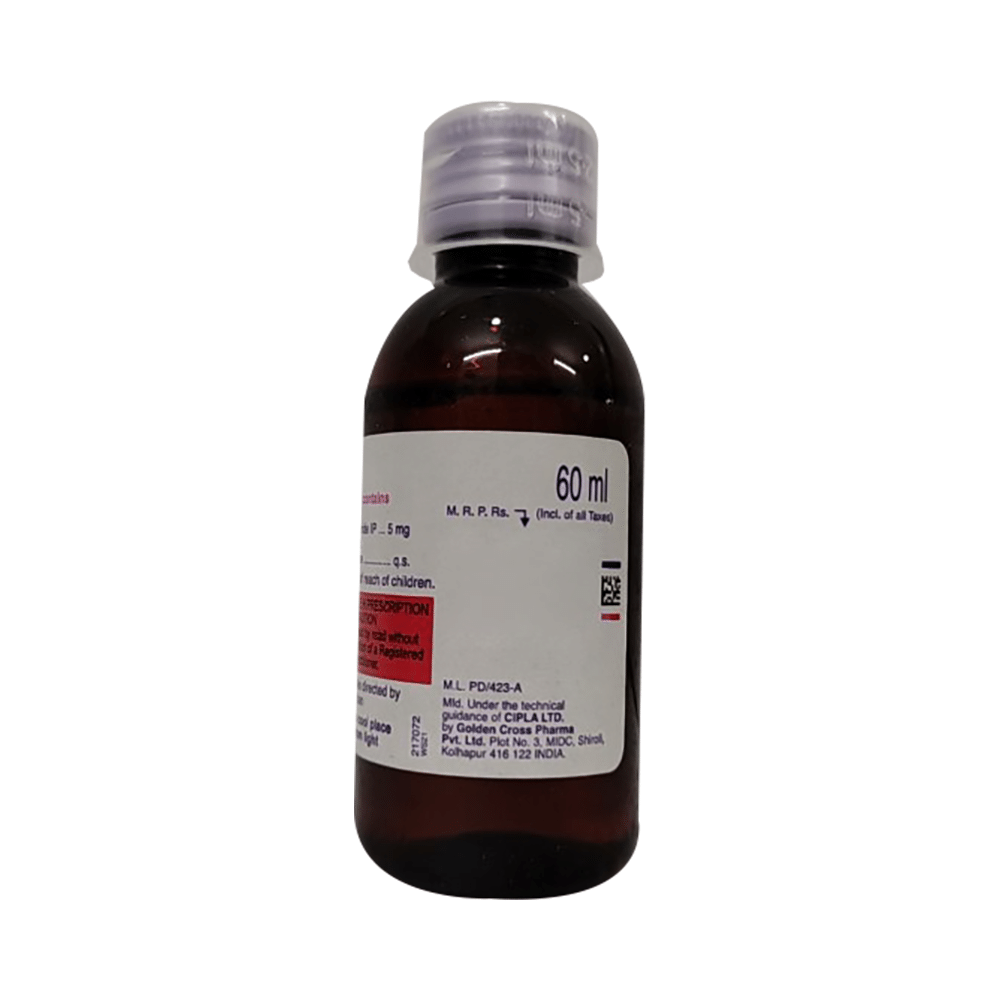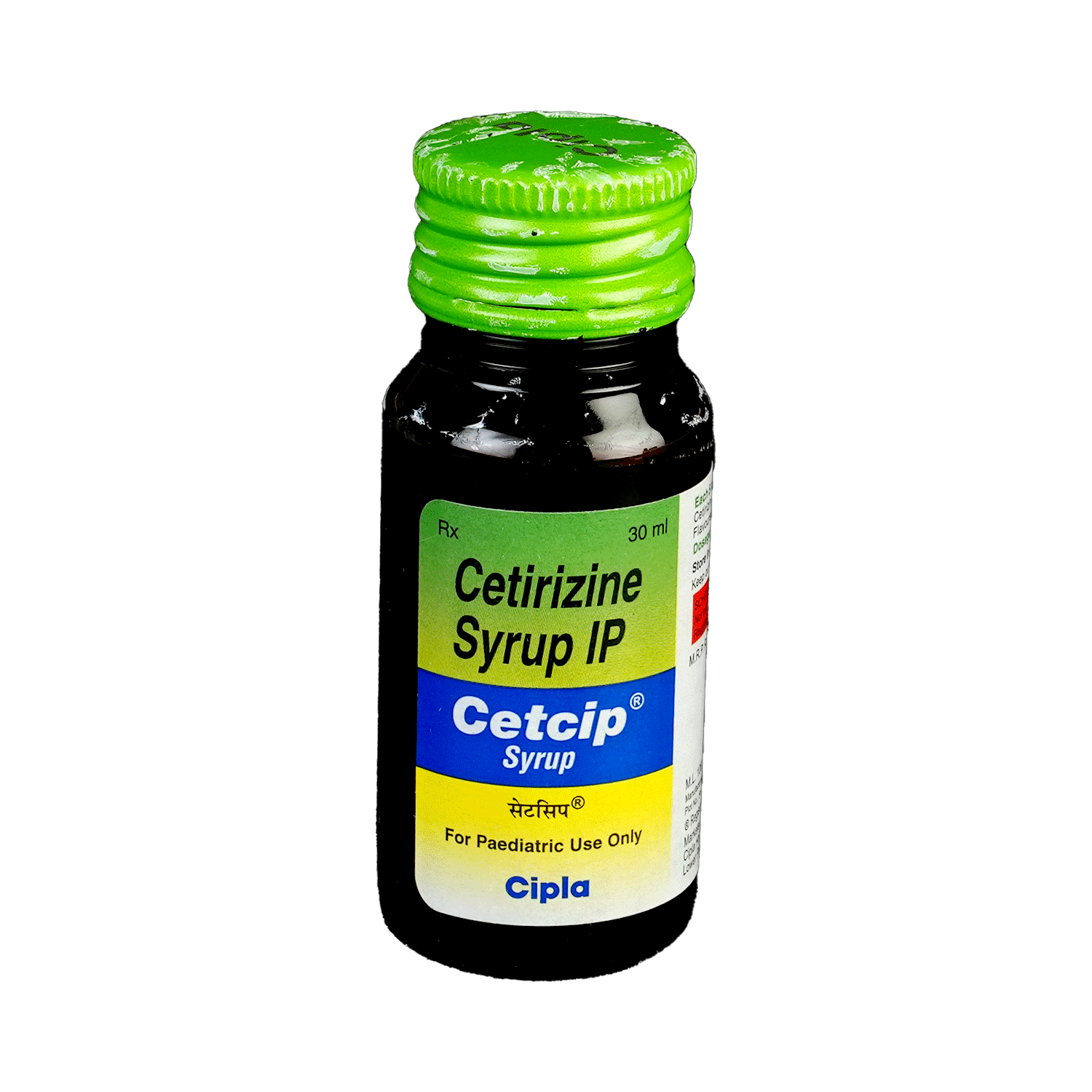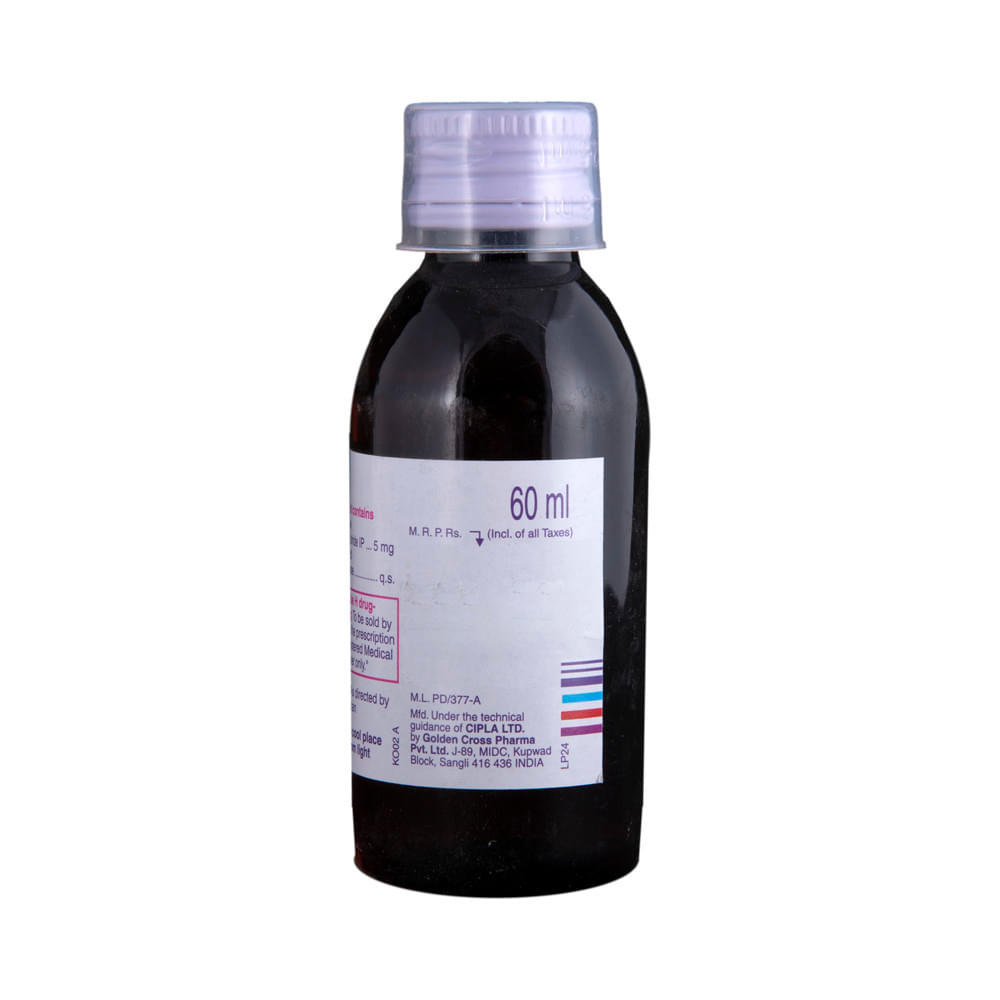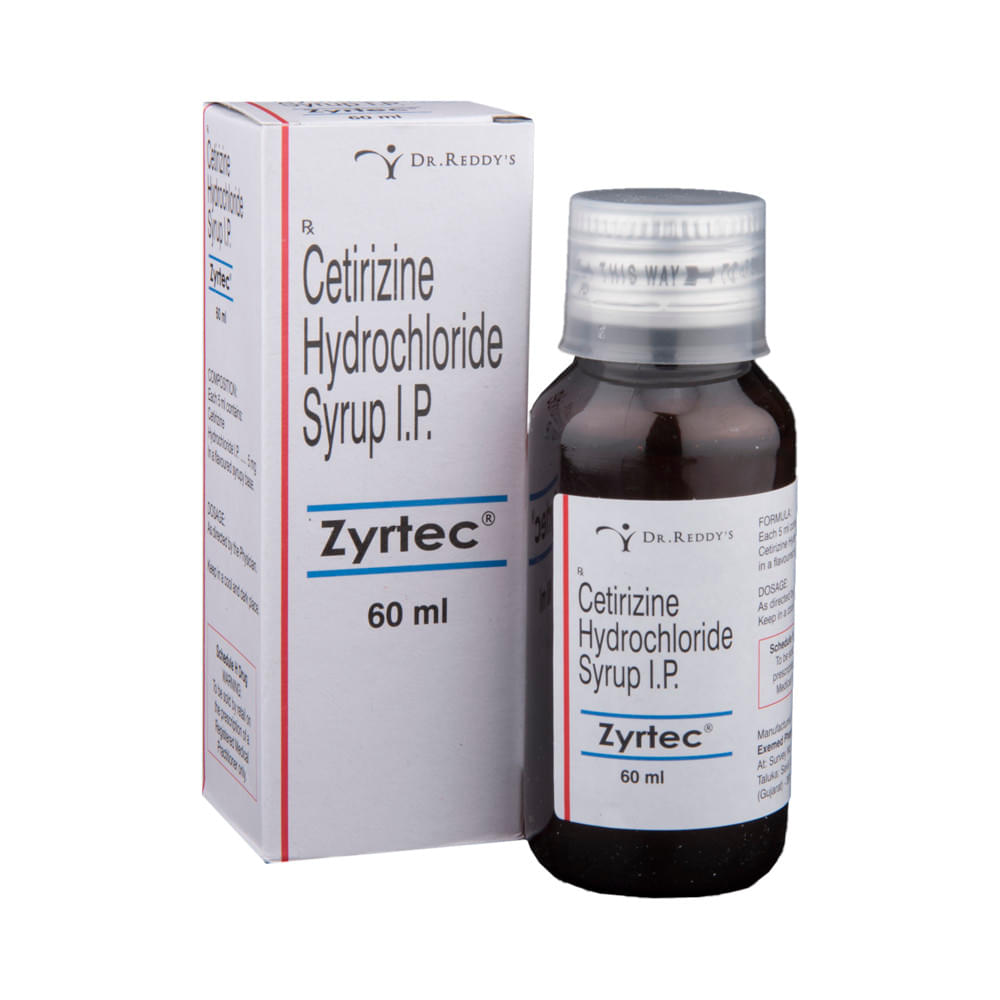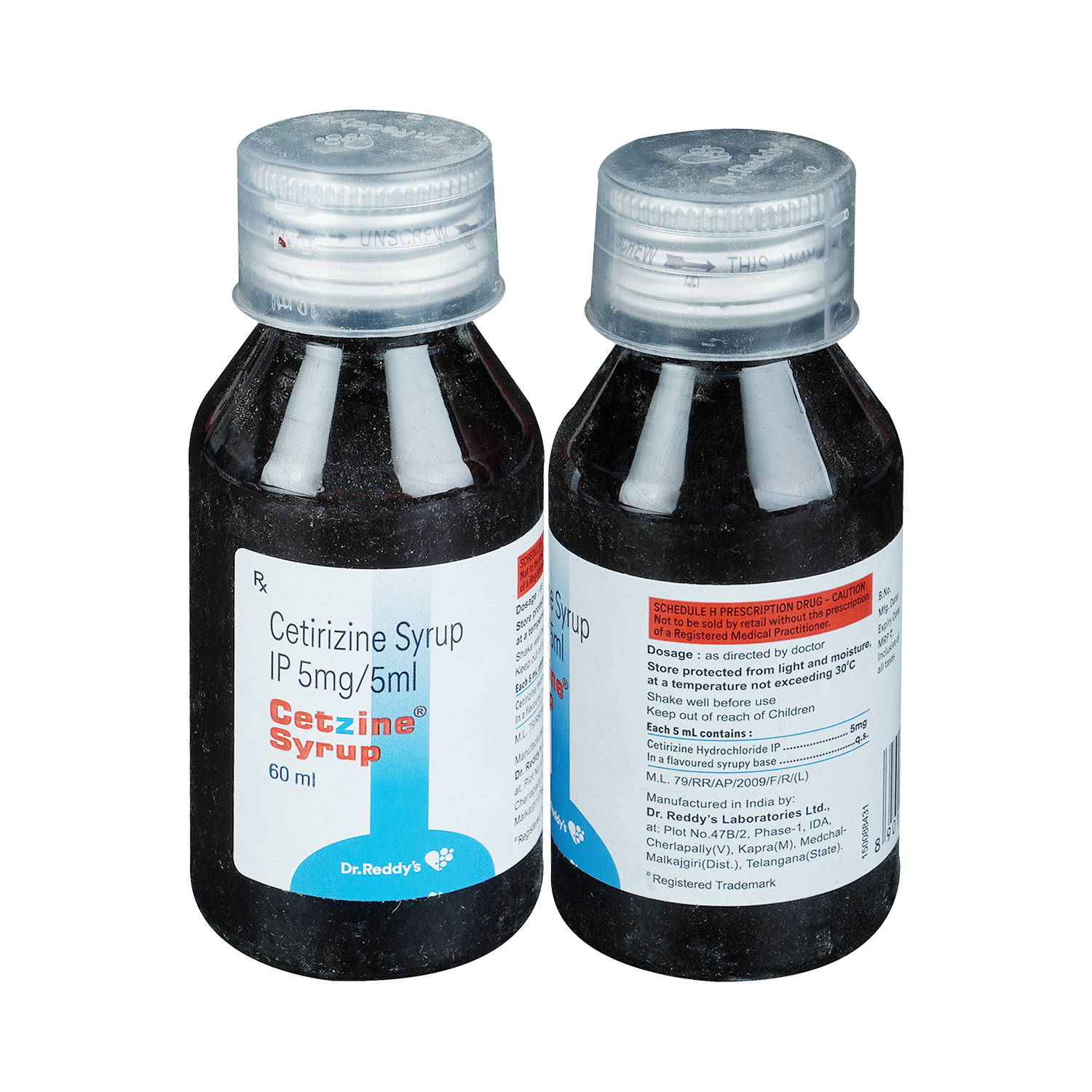
Zinepal Syrup
bottle of 30.0 ml Syrup.Prescription required
About this product:
| Salt Composition: | Cetirizine (5mg/ml) |
| Manufacturer: | Tanpal Nutraceuticals |
| Storage: | Below 25 degree celcius |
Out of Stock
Have doubts about this medicine?
Have doubts about this medicine?
Zinepal Syrup is given to children to treat various symptoms such as watery eyes, runny nose, sneezing, and itching associated with allergic conditions like hay fever, urticaria (hives), conjunctivitis (red, itchy eye), and common cold. Give this medicine to your child orally with or without food in the dose, time, and way prescribed by your child's doctor. It could either be prescribed alone or in combination with other medicines. The allergic symptoms may subside after your child has taken the initial few doses of Zinepal Syrup. In case of serious allergic conditions, your child may have to continue taking the medicine for a week or two. If your child vomits within 30 minutes of taking this medicine, repeat the same dose after your child feels better. But, refrain from doing so if it is already time for the next dose.
Zinepal Syrup belongs to a class of medicines called antihistamines. It blocks the natural chemical substance (histamine) produced in the body during an allergic state and subsides (lowers) your child's immune system's response to these conditions. As a result, the symptoms are relieved, and eventually, the condition is cured.
Take this medicine in the dose and duration as advised by your doctor. Check the label for directions before use. Measure it with a measuring cup and take it by mouth. Shake well before use. Zinepal Syrup may be taken with or without food but it is better to take it at a fixed time.
- Try giving the medicines at the same time each day to help you remember.
- Your child may feel sleepy or dizzy after each dose of Zinepal Syrup. If this happens, make your child sit or lie down and ask them to be careful while performing tasks that require mental focus.
- Avoid giving Zinepal Syrup with fatty meals and fruit juice as both can reduce the absorption of the medicine.
- Zinepal Syrup can trigger constipation in your child. Give plenty of fluids and a fiber-rich diet to your child.

Alcohol
Zinepal Syrup may cause excessive drowsiness with alcohol.

Breastfeed
Zinepal Syrup is probably safe to use during breastfeeding. Limited human data suggests that the drug does not represent any significant risk to the baby. Larger doses or prolonged use of Zinepal Syrup may cause sleepiness and other effects in the baby.

Pregnancy
Zinepal Syrup is generally considered safe to use during pregnancy. Animal studies have shown low or no adverse effects to the developing baby; however, there are limited human studies.