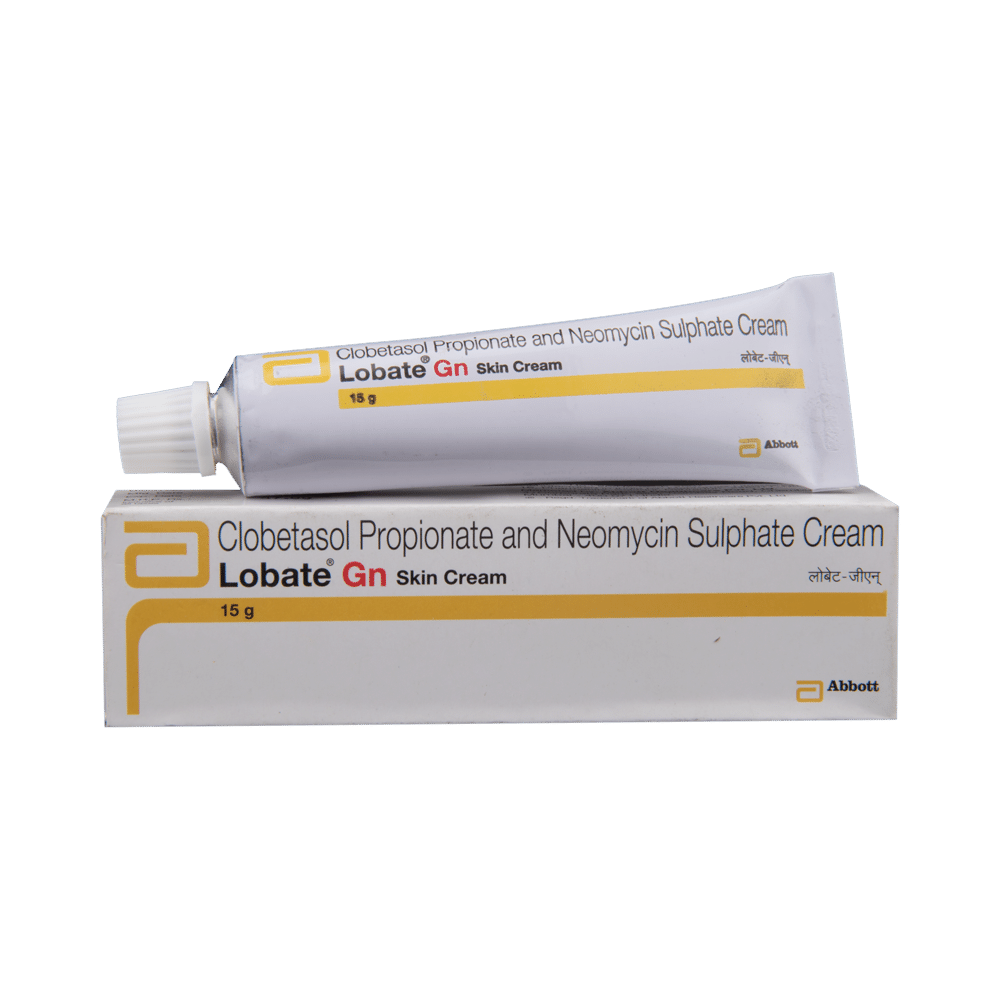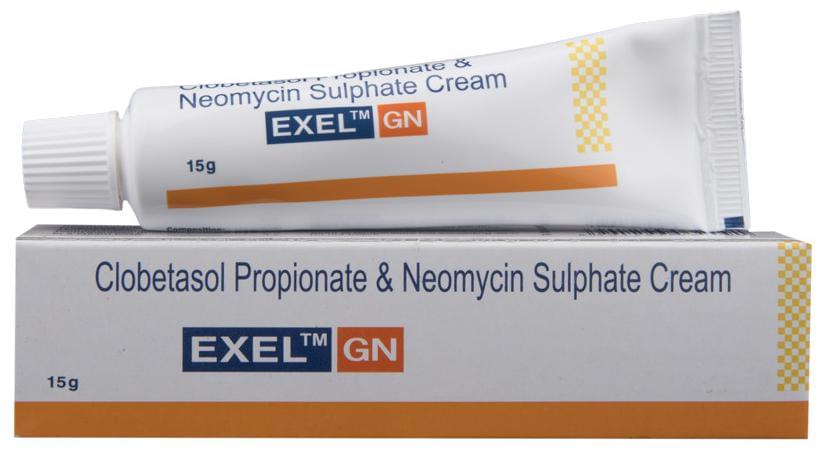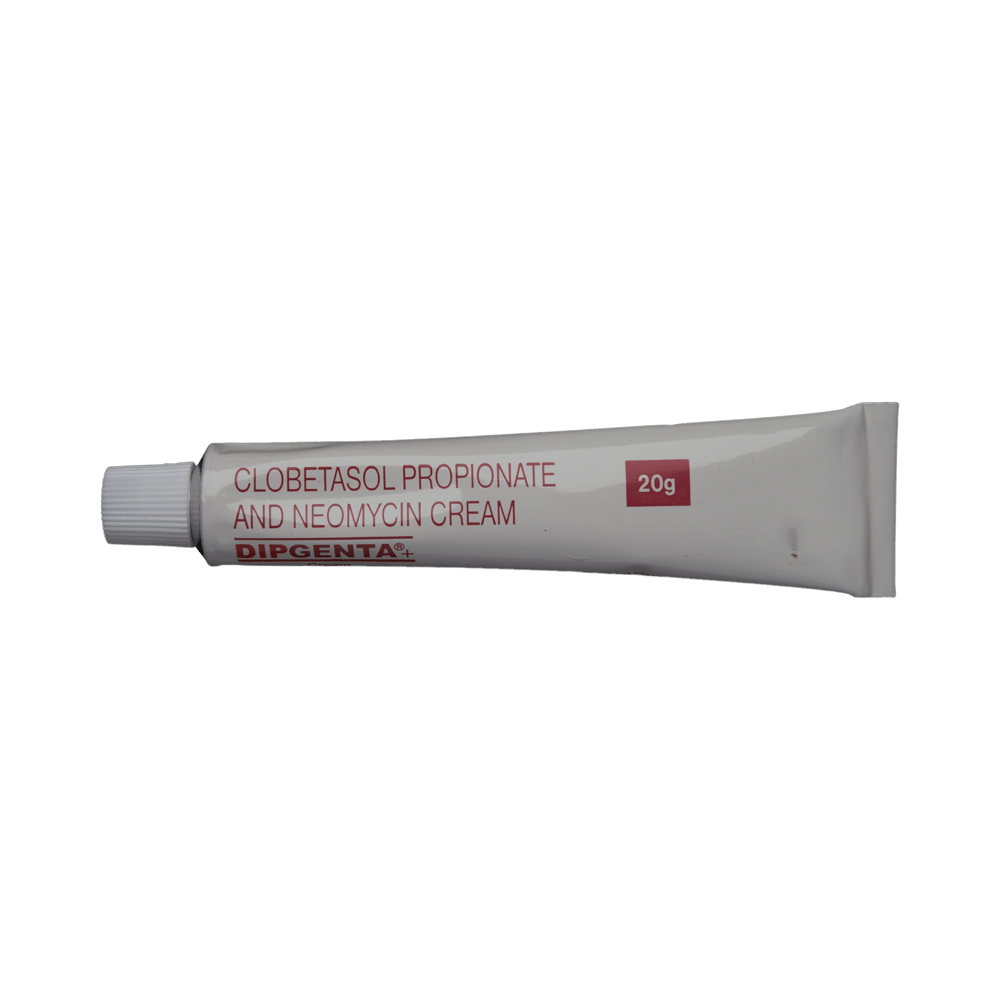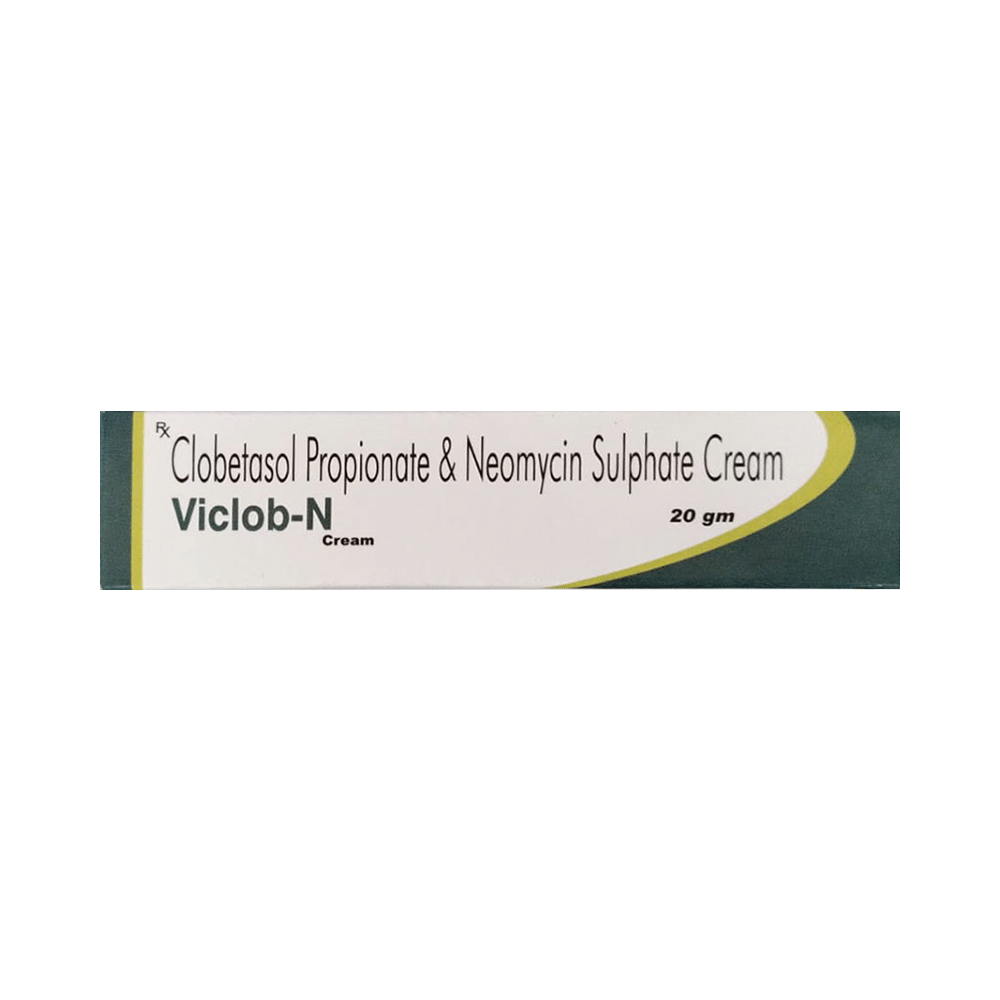
Viclob N Cream
tube of 20.0 gm Cream
About this product:
| Salt Composition: | Clobetasol (0.05% w/w) + Neomycin (0.5% w/w) |
| Manufacturer: | Kivi Labs Ltd |
| Storage: | Below 25 degree celcius |
Out of Stock
Have doubts about this medicine?
Have doubts about this medicine?
Viclob N Cream is used to treat various types of skin infections, minimizing symptoms of inflammation such as redness, swelling, and itching, and preventing the growth of infection-causing microorganisms to promote faster healing of infections. Viclob N Cream is only meant for external use and should be used as advised by your doctor. A thin layer of the medicine should be applied only to the affected areas of the skin with clean and dry hands. Wash your hands before and after the application of the medicine. If it gets into your eyes, nose, mouth, or vagina rinse with water. It may take several days to weeks for your symptoms to improve, but you should keep using this medicine regularly. The course of the treatment should be completed to ensure better efficacy of the medicine. If your condition does not improve or gets worse, you should talk to your doctor.
Viclob N Cream is a combination of two medicines: Clobetasol and Neomycin. Clobetasol is a steroid medicine that blocks the production of certain chemical messengers (prostaglandins) that make the skin red, swollen, and itchy. Neomycin is an antibiotic that stops bacterial growth by preventing the synthesis of essential proteins required by bacteria to carry out vital functions.
How should I use Viclob N Cream?
Use Viclob N Cream as directed by your doctor or according to the instructions on the label. Apply a thin layer of cream two to three times a day, or as advised, to cover the affected area. The dose will depend on the condition being treated. Wash your hands after using the cream unless it's for treating hand infections. Avoid contact with your eyes.
What precautions should I take when using Viclob N Cream?
Do not use Viclob N Cream on your face, and avoid contact with your eyes. Do not cover the treated area with a bandage or dressing, as this can increase absorption of the medicine and raise the risk of side effects. Only use Viclob N Cream for the condition it's prescribed for. Do not give it to others even if their symptoms appear similar.
What happens if I use more than the recommended dose of Viclob N Cream for a long time?
Use Viclob N Cream only as directed by your doctor. Taking higher doses or using it for extended periods can lead to changes in skin color, thinning or weakening of the skin, visible veins under the skin, and increased hair growth. The medicine may also be absorbed into the bloodstream, causing weight gain, high blood pressure, and facial rounding. If symptoms worsen, consult your doctor.
Can I stop using Viclob N Cream when my symptoms improve?
No, do not stop using Viclob N Cream even if symptoms seem to have improved. Complete the full course of treatment to ensure the infection is fully cured.
What are the contraindications for using Viclob N Cream?
Using Viclob N Cream can be harmful for patients with known allergies to its components or excipients. Avoid using it for fungal infections (ringworm, athlete's foot), viral infections (herpes, chickenpox), acne, rosacea, or any other conditions without consulting your doctor.
How should I store and dispose of Viclob N Cream?
Keep the medicine in its original packet or container, tightly closed. Store it according to the instructions on the label. Dispose of unused medicine properly, ensuring it's not consumed by pets, children, or other individuals.
This medicine is for external use only. Use it in the dose and duration as advised by your doctor. Check the label for directions before use. Clean and dry the affected area and apply the cream. Wash your hands after applying unless hands are the affected area.
- Apply the cream to the affected area as a thin film two or three times daily or as advised by your doctor.
- Do not use it more often or for longer than advised by your doctor. Inform your doctor if your skin problem hasn't improved after seven days of treatment.
- Do not apply it to broken skin and avoid getting it in your eyes, nose, or mouth.
- Do not cover the area being treated with airtight dressings such as bandages unless directed by a doctor as this may increase the risk of side effects.
- It may cause temporary burning, itching, or redness at the application site. This is usually mild. Consult your doctor if you experience a more severe reaction.

Breastfeed
Viclob N Cream is probably safe to use during breastfeeding. Limited human data suggests that the drug does not represent any significant risk to the baby.

Pregnancy
Viclob N Cream may be unsafe to use during pregnancy. Although there are limited studies in humans, animal studies have shown harmful effects on the developing baby. Your doctor will weigh the benefits and any potential risks before prescribing it to you. Please consult your doctor.