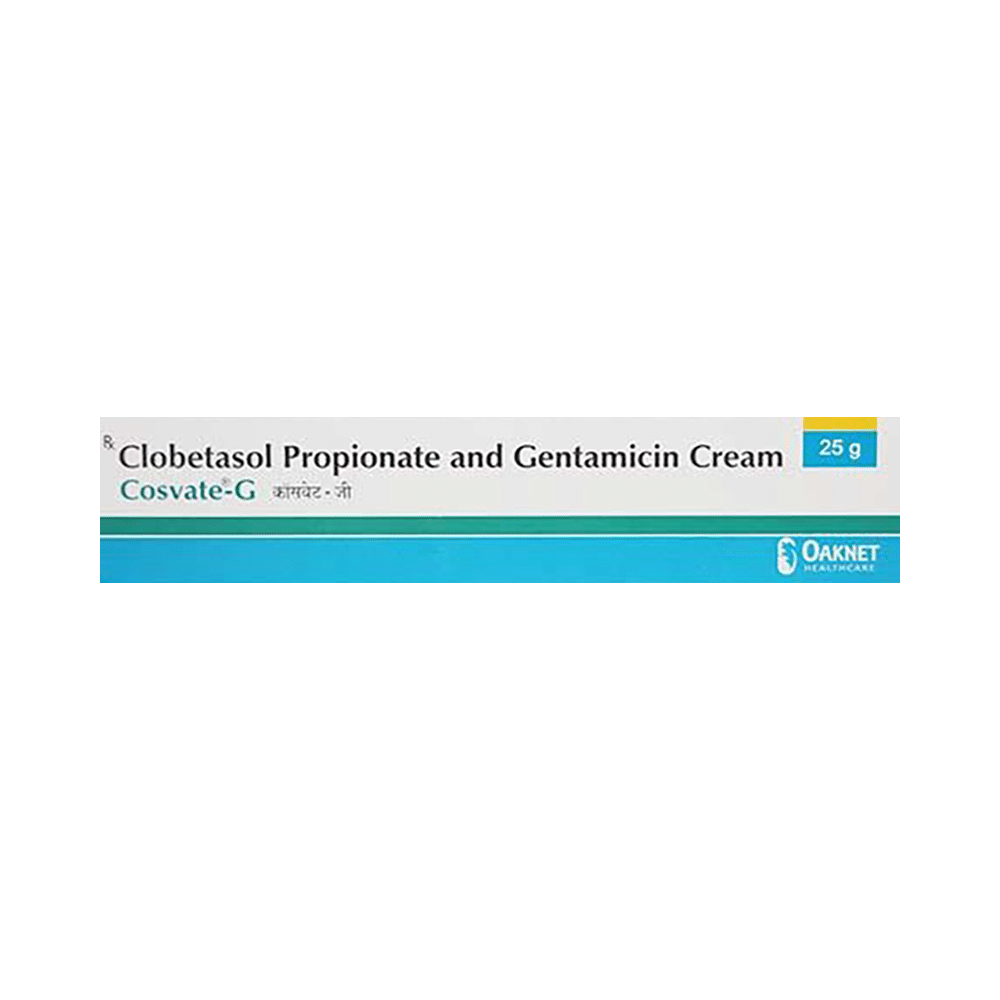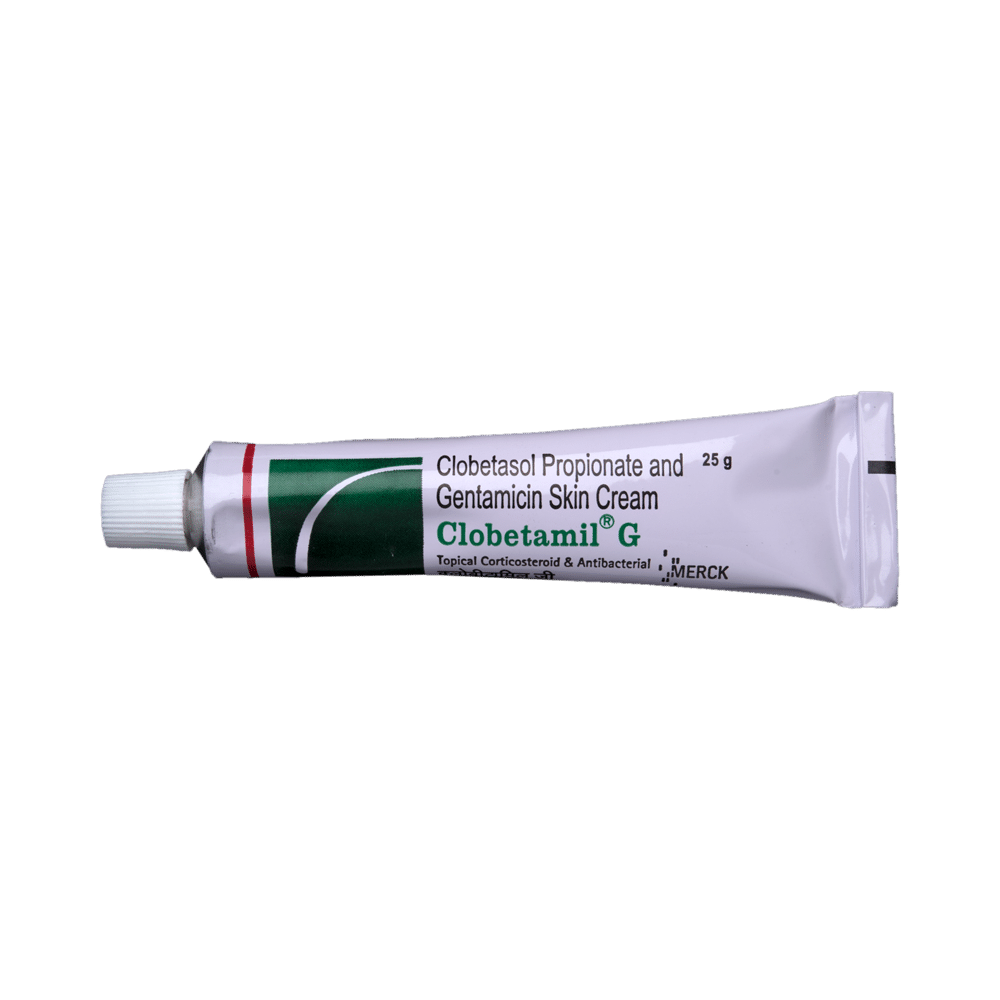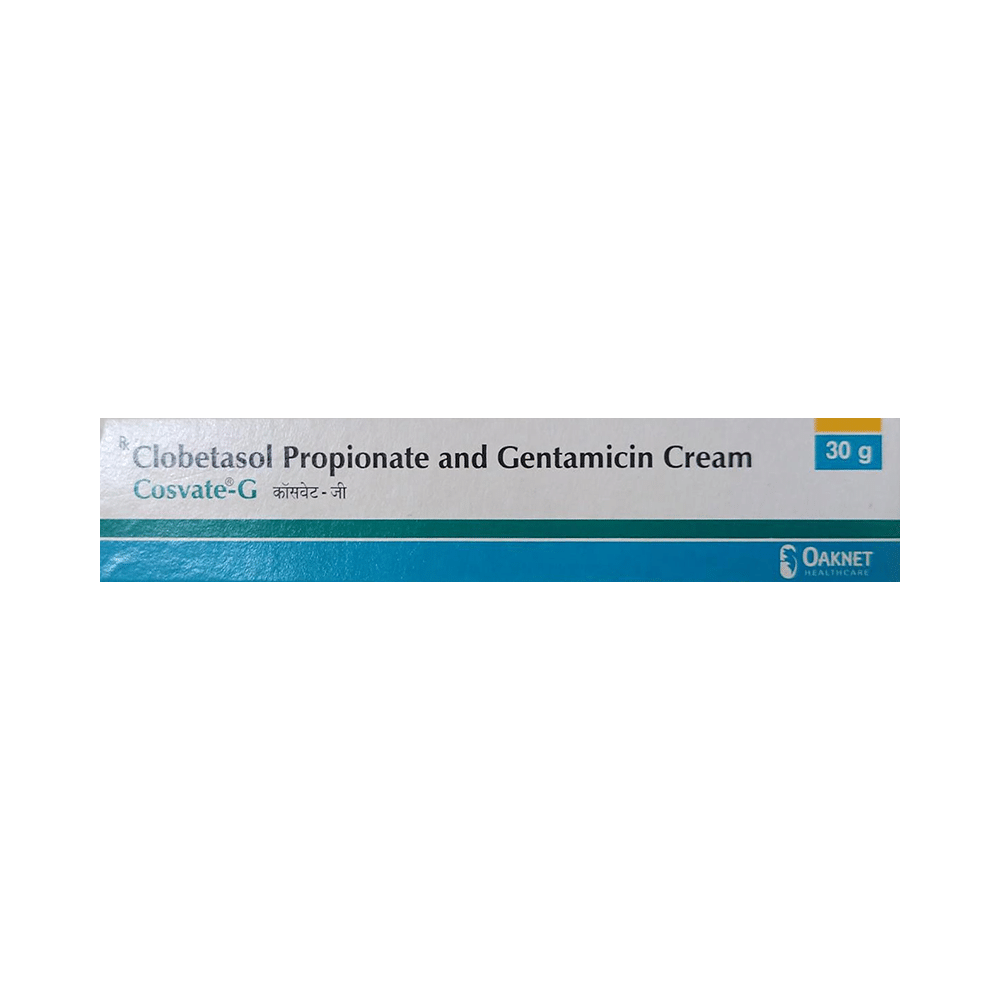
Tenovate G Cream
tube of 10.0 gm Cream.Prescription required
About this product:
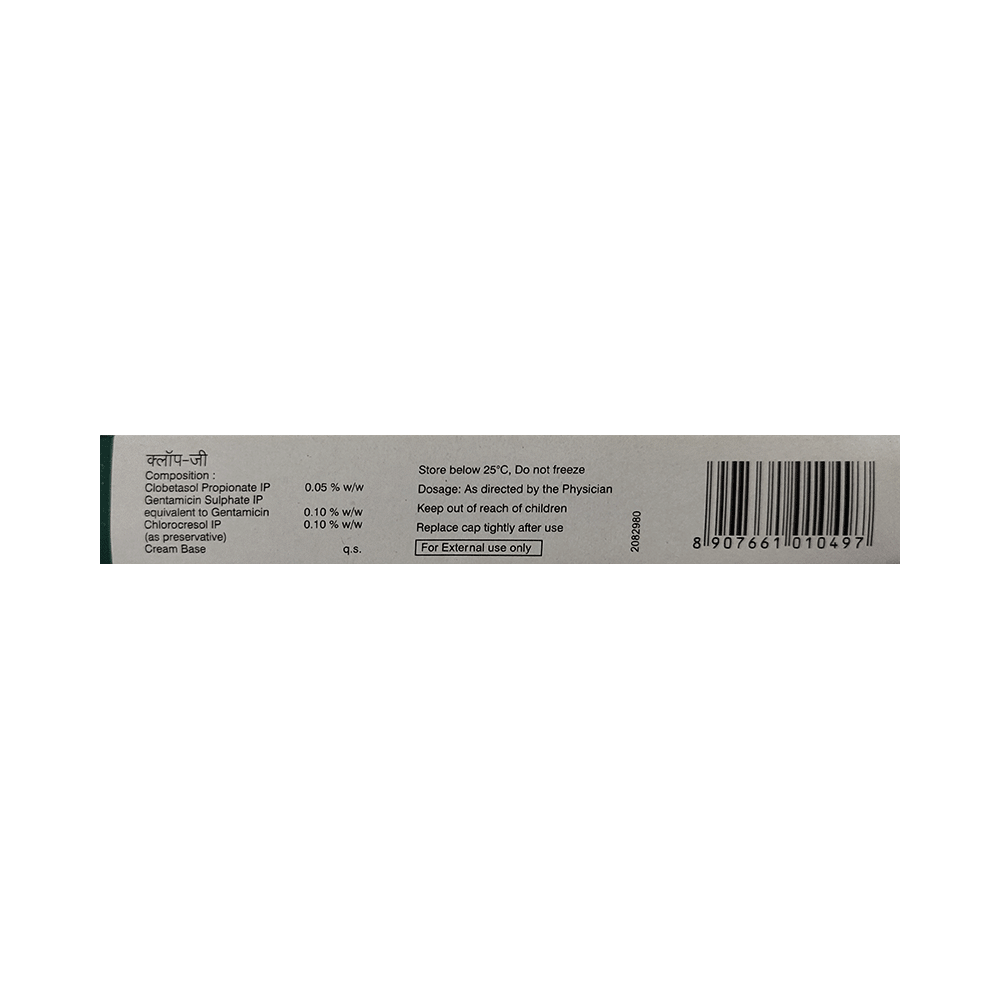
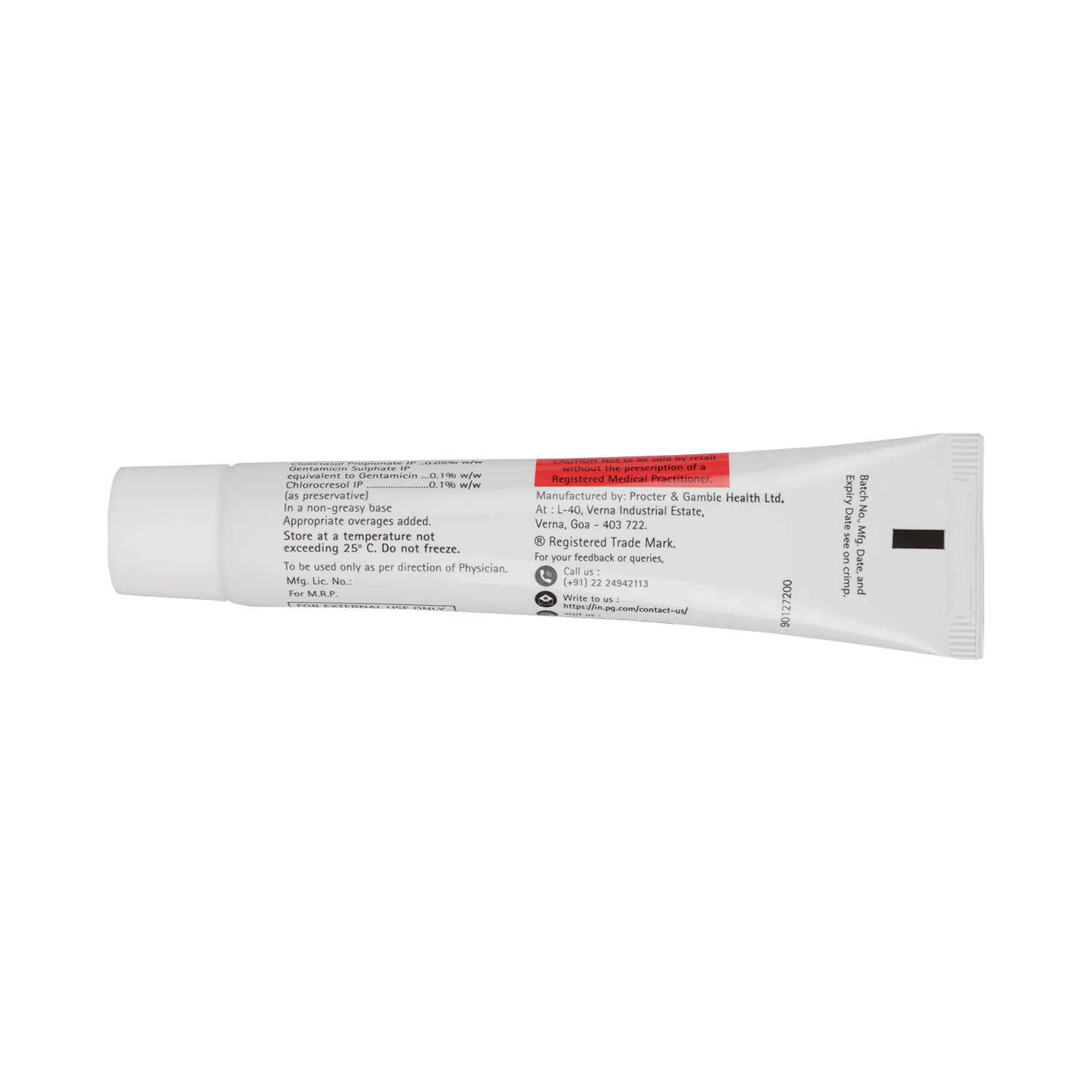
| Salt Composition: | Clobetasol (0.05% w/w) + Gentamicin (0.1% w/w) |
| Manufacturer: | Glaxo SmithKline Pharmaceuticals Ltd |
| Storage: | Below 25 degree celcius |
Out of Stock
Have doubts about this medicine?
Have doubts about this medicine?
Tenovate G Cream is a combination medicine used in the treatment of bacterial skin infections, minimizing symptoms of inflammation such as redness, swelling, and itching by acting against the infection-causing microorganisms. Tenovate G Cream is only meant for external use and should be used as advised by your doctor. A thin layer of the medicine should be applied only to the affected areas of the skin with clean and dry hands. Wash your hands before and after applying the medicine. If it gets into your eyes, nose, mouth, or vagina rinse with water. It may take several days to weeks for your symptoms to improve, but you should keep using this medicine regularly. The course of the treatment should be completed to ensure better efficacy of the medicine. If your condition does not improve or gets worse, you should talk to your doctor.
Tenovate G Cream is a combination of two medicines: Clobetasol and Gentamicin. Clobetasol is a steroid medicine that blocks the production of certain chemical messengers (prostaglandins) that make the skin red, swollen, and itchy. Gentamicin is an antibiotic that stops bacterial growth by preventing the synthesis of essential proteins required by the bacteria to carry out vital functions.
This medicine is for external use only. Use it in the dose and duration as advised by your doctor. Check the label for directions before use. Clean and dry the affected area and apply the cream. Wash your hands after applying unless hands are the affected area.
- Tenovate G Cream may take several weeks to show its action. Keep using it as suggested by your doctor.
- Wash your skin with a mild cleanser and pat it dry before applying Tenovate G Cream.
- Apply it as a thin layer onto clean, dry, unbroken skin affected by acne.
- Avoid contact with your eyes, nose, or mouth. Rinse it off with water if you accidentally get the cream in these areas.
- It is advisable not to touch or scratch the infected area as it can worsen the situation.
- No common side effects listed.

Alcohol
No interaction found/established

Breastfeed
Tenovate G Cream is probably safe to use during breastfeeding. Limited human data suggests that the drug does not represent any significant risk to the baby.

Pregnancy
Tenovate G Cream is unsafe to use during pregnancy as there is definite evidence of risk to the developing baby. However, the doctor may rarely prescribe it in some life-threatening situations if the benefits are more than the potential risks. Please consult your doctor.