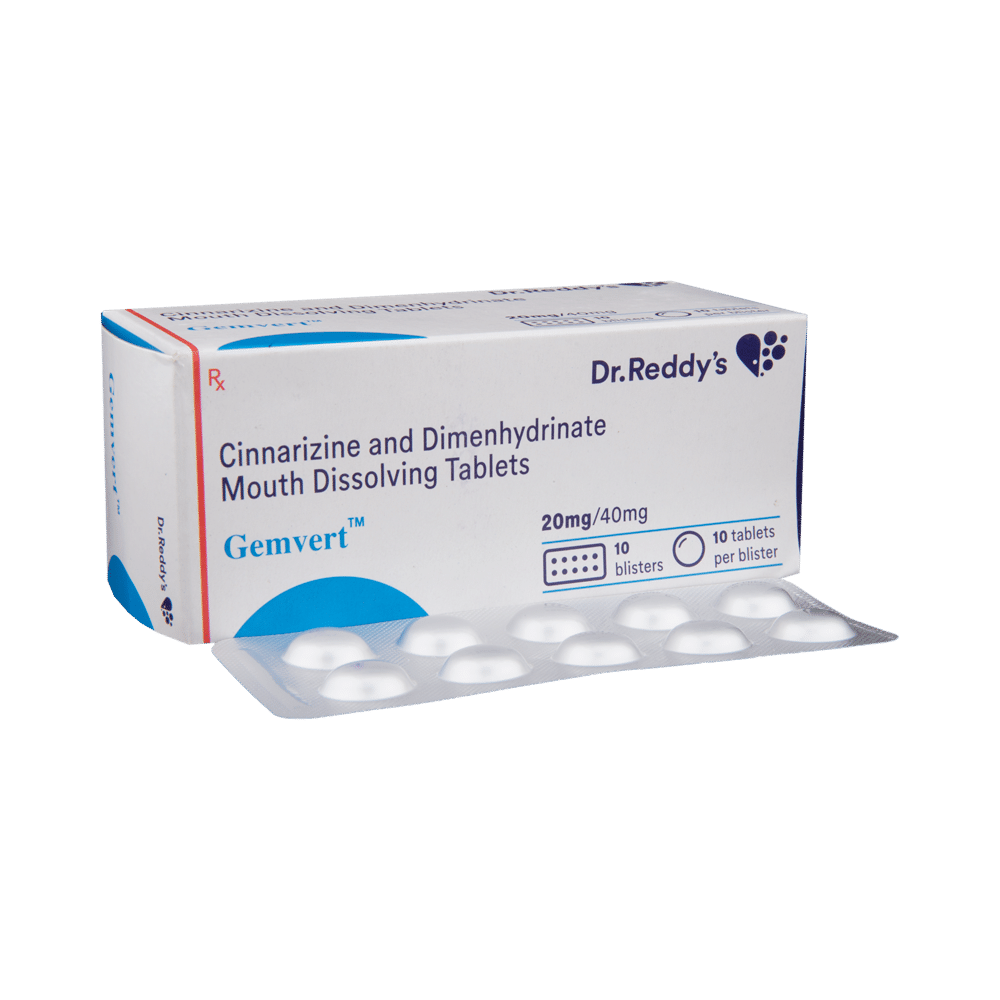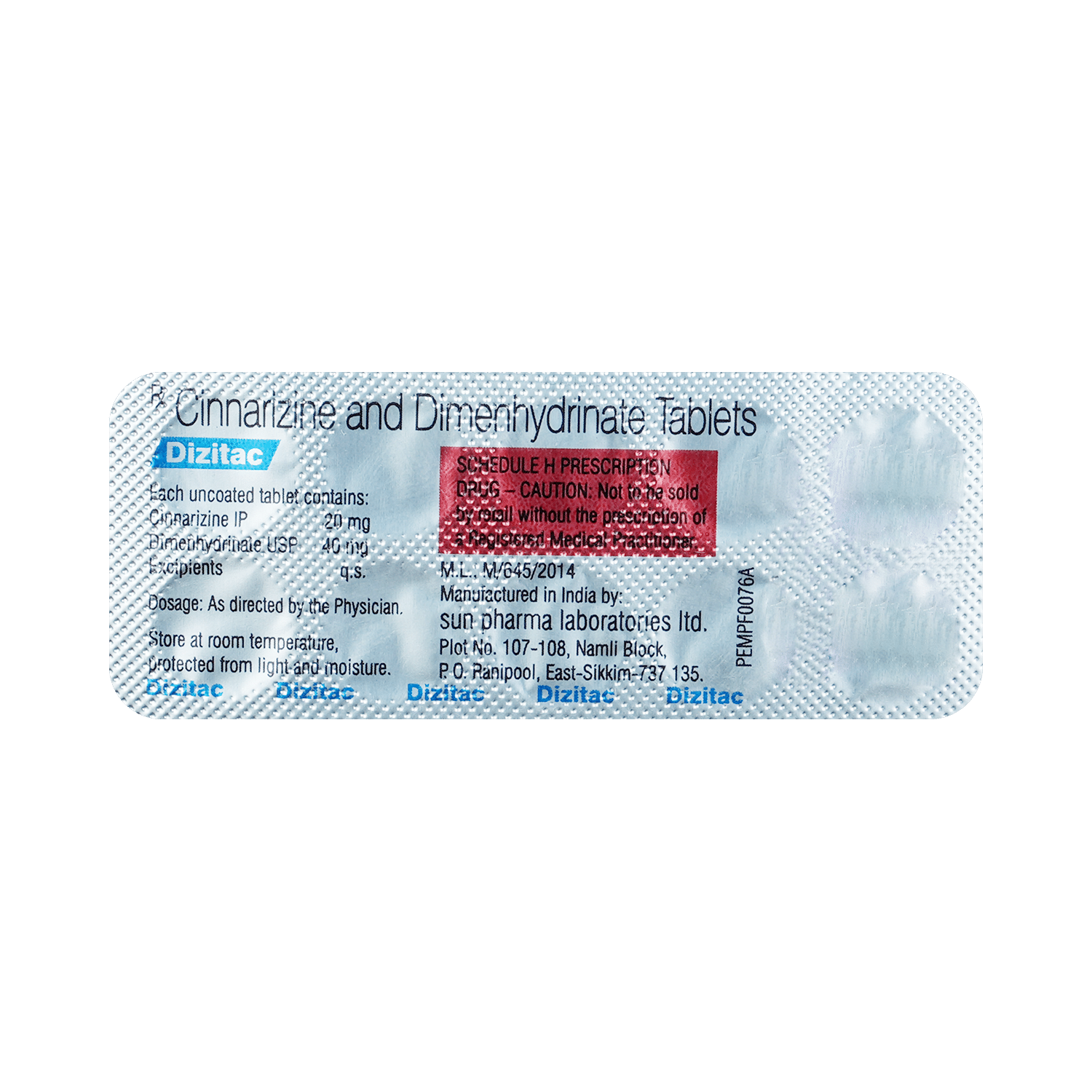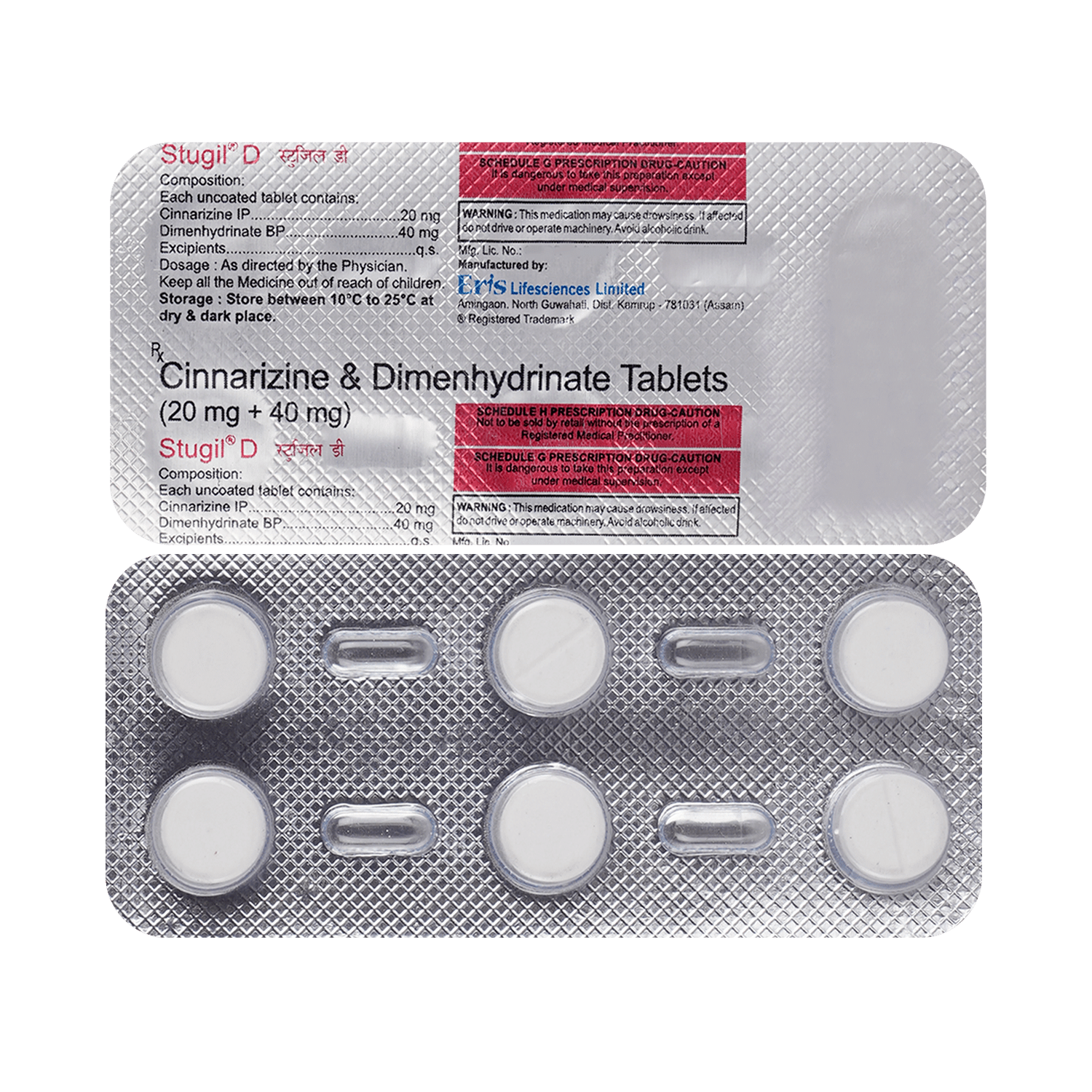

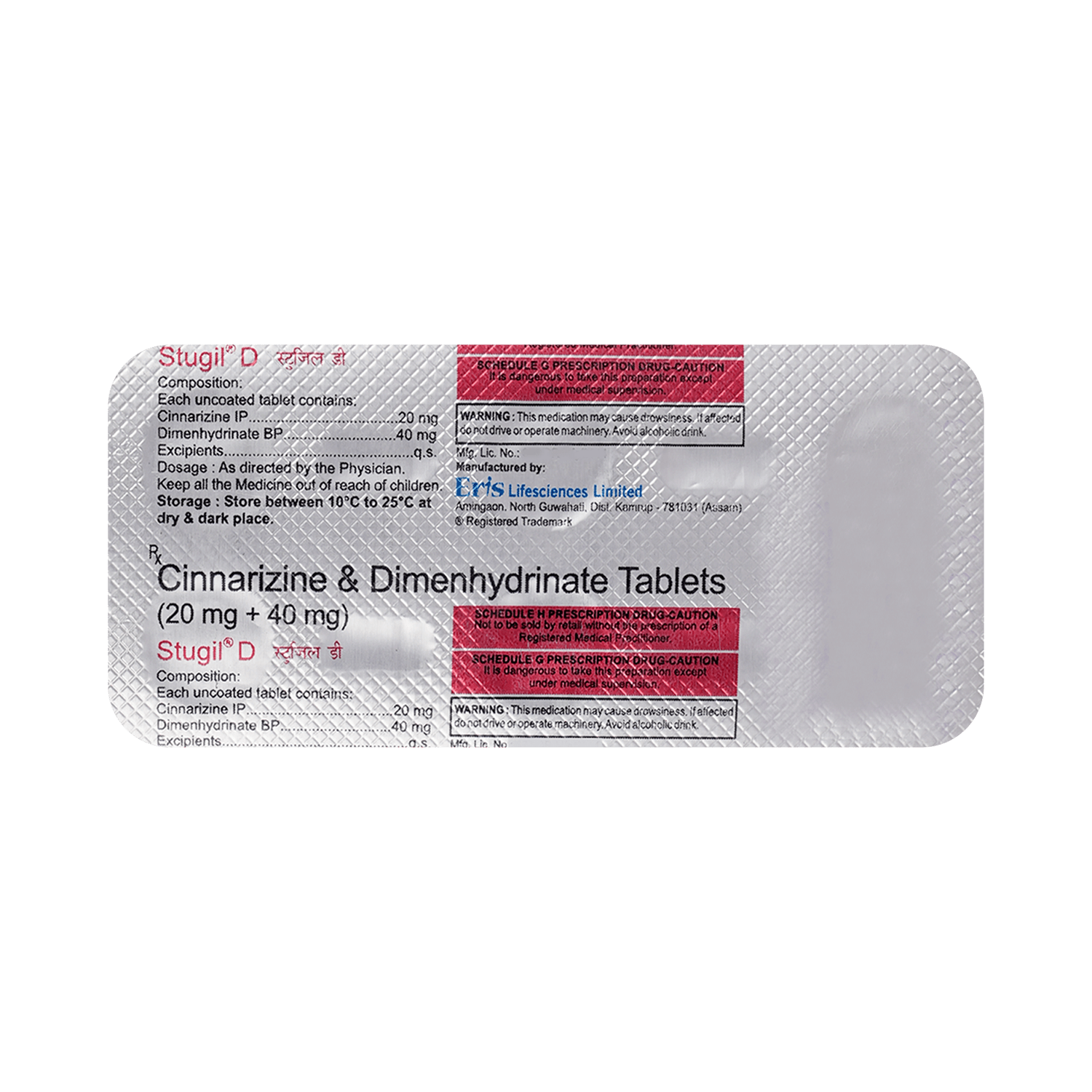
Stugil D Tablet
strip of 6.0 tablets.Prescription required
About this product:
| Salt Composition: | Cinnarizine (20mg) + Dimenhydrinate (40mg) |
| Manufacturer: | Strides shasun Ltd |
| Storage: | Below 25 degree celcius |
Out of Stock
Have doubts about this medicine?
Have doubts about this medicine?
Stugil D Tablet is used to treat vertigo by relaxing vascular smooth muscles of the blood vessels of the ear and improving blood circulation. Stugil D Tablet is a combination medicine which acts by relaxing vascular smooth muscles of the blood vessels of the ear and improves the blood circulation. It also blocks the action of a chemical messenger that is responsible for lightheadedness in vertigo. Stugil D Tablet should be taken with food to avoid stomach upset. Take this medicine as advised by your doctor and preferably at a fixed time each day. Do not skip any doses but if you miss a dose of this medicine take it as soon as you remember. Finish the full course of treatment and never stop this medicine suddenly without talking to your doctor.
Stugil D Tablet is a combination of two medicines: Cinnarizine and Dimenhydrinate. Cinnarizine is a calcium channel antagonist which works by preventing constriction of the blood vessels of the inner ear. This improves the microcirculation of the ear. Dimenhydrinate is an antiallergic. It blocks the action of a chemical messenger (histamine) that is responsible for light-headedness in vertigo.
Does Stugil D Tablet cause drowsiness?
Yes, Stugil D Tablet can cause drowsiness. It's important to avoid driving, operating machinery, working at heights or engaging in potentially dangerous activities until you understand how this medicine affects you.
Can Stugil D Tablet cause indigestion?
Stugil D Tablet may lead to indigestion. Taking the medication with or after meals can help prevent this. If indigestion persists, consult your doctor.
Are there any contraindications associated with using Stugil D Tablet?
Stugil D Tablet is potentially harmful for individuals with hypersensitivity to diphenhydramine or other antihistamines of a similar structure, or to any of the excipients. It should be avoided in patients with glaucoma, seizures, increased intracranial pressure, alcohol abuse, urinary tract issues, liver or kidney disease. It's also not recommended during pregnancy and breastfeeding.
What if I accidentally take too much of this medicine?
If you accidentally ingest a high dose, seek immediate medical attention by visiting the nearest emergency department. Symptoms of an overdose may include fatigue, dilated pupils, difficulty urinating, dry mouth, flushing, rapid heart rate, sweating, headache, dizziness, and shakiness.
What if I miss a dose of Stugil D Tablet?
If you miss a dose of Stugil D Tablet, skip the missed dose and take your next dose at its usual time. Do not double your dose to compensate for a missed one.
Can I stop taking Stugil D Tablet if I feel well?
You should not stop taking Stugil D Tablet without consulting your doctor. If you discontinue the medication before advised, symptoms of vertigo may reappear (dizziness and spinning). Always follow the instructions of your healthcare professional.
What are the storage and disposal instructions for Stugil D Tablet?
Store this medicine in its original container or packaging, keeping it tightly sealed. Follow the storage instructions listed on the medication label or packaging. Dispose of unused medication responsibly by ensuring it is not consumed by pets, children, or other individuals.
Take this medicine in the dose and duration as advised by your doctor. Swallow it as a whole. Do not chew, crush or break it. Stugil D Tablet is to be taken with food.
- Take it with food to avoid stomach upset.
- Do not drive or do anything that requires mental focus until you know how this medicine affects you.
- Do not drink alcohol while taking this medicine as it may cause increased sleepiness.
- Do not take this medicine if you are pregnant or breastfeeding.
- Do not stop taking Stugil D Tablet without talking to your doctor first.
- No common side effects listed.

Alcohol
Stugil D Tablet may cause excessive drowsiness with alcohol.

Breastfeed
Information regarding the use of Stugil D Tablet during breastfeeding is not available. Please consult your doctor.

Pregnancy
Stugil D Tablet may be unsafe to use during pregnancy. Although there are limited studies in humans, animal studies have shown harmful effects on the developing baby. Your doctor will weigh the benefits and any potential risks before prescribing it to you. Please consult your doctor.