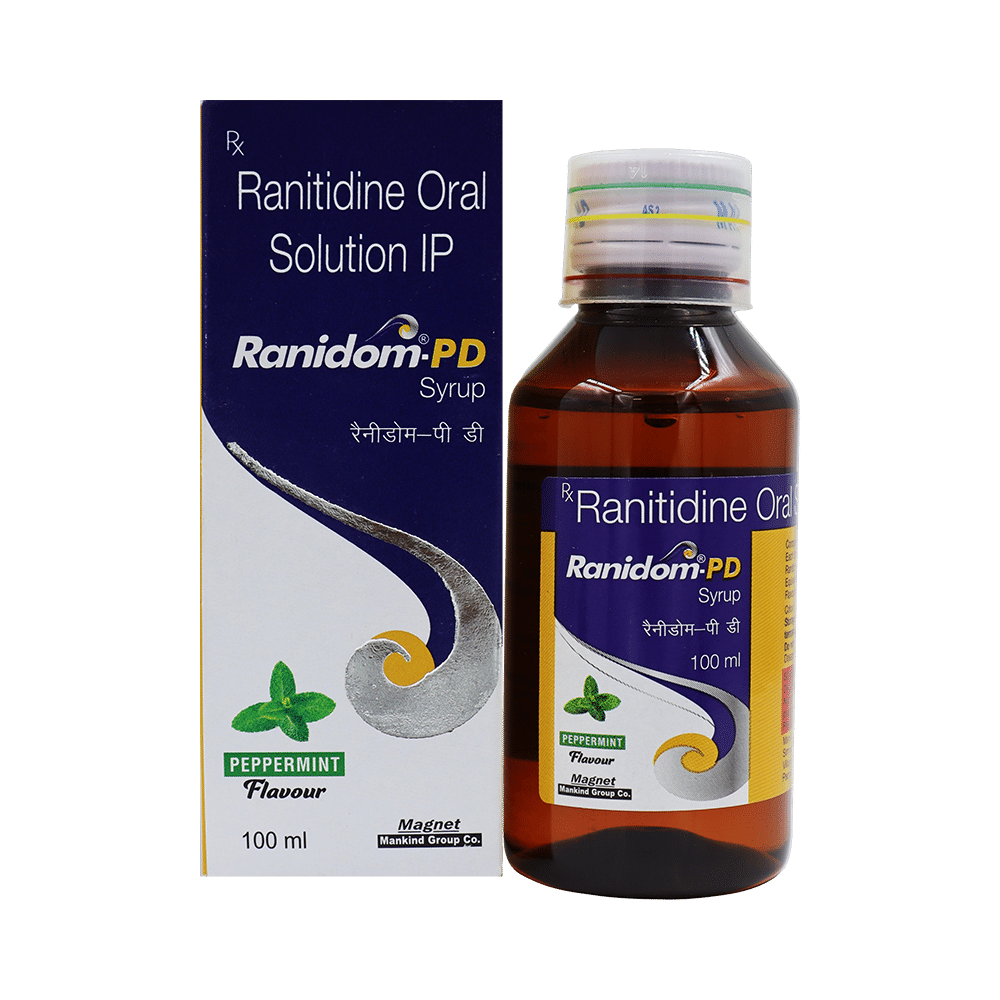
Runcid 75mg Syrup
bottle of 100.0 ml Syrup.Prescription required
About this product:
| Salt Composition: | Ranitidine (75mg/5ml) |
| Manufacturer: | Kiama Lifesciences |
| Storage: | Below 25 degree celcius |
Out of Stock
Have doubts about this medicine?
Have doubts about this medicine?
Runcid 75mg Syrup is a medicine that reduces the amount of acid your stomach makes. It is used to treat and prevent heartburn, indigestion, and other symptoms caused by too much acid in the stomach. Runcid 75mg Syrup is also commonly prescribed to prevent stomach ulcers and heartburn seen with the use of painkillers. The medicine must be taken in dose and duration as prescribed by the doctor. How much you need and how often you take it will depend on what you are being treated for. Follow the advice of your doctor. This medicine should relieve indigestion and heartburn within a few hours and you may only need to take it for a short time when you have symptoms. If you are taking it to prevent ulcers and other conditions you may need to take it for longer. You should keep taking it regularly to prevent problems from happening in the future. You may be able to help improve your symptoms by eating smaller meals more often and avoiding spicy or fatty foods.
Runcid 75mg Syrup is a histamine H2 receptor blocker that reduces the amount of acid made in the stomach. It relieves acid-related indigestion and heartburn.
Is Runcid 75mg Syrup safe for long-term use?
While limited data exists on its long-term safety profile, Runcid 75mg Syrup generally possesses a favorable safety record. It's essential to follow the recommended usage duration prescribed by your doctor and avoid self-prescribing or extending the treatment beyond two weeks without their guidance.
Can I take Runcid 75mg Syrup on an empty stomach?
Runcid 75mg Syrup can be taken with or without food. It is generally recommended to consume it once daily before bedtime or twice daily in the morning and before bedtime, as your doctor might suggest.
Is Runcid 75mg Syrup effective?
The effectiveness of Runcid 75mg Syrup is contingent upon its correct usage, prescribed dosage, and duration. If you experience no improvement in your condition after consistent use, consult your doctor to determine the next course of action.
What are the dos and don’ts while taking Runcid 75mg Syrup?
While taking Runcid 75mg Syrup, avoid taking aspirin or other painkillers intended for arthritis, period pain, or headache as they can irritate your stomach. In case of any concerns, consult your doctor to explore alternative treatment options. Additionally, it's advisable to steer clear of coffee, tea, cocoa, and cola drinks due to their potential for stomach irritation. Opt for smaller, more frequent meals while chewing thoroughly with minimal haste during consumption.
Can I drink alcohol with Runcid 75mg Syrup?
Runcid 75mg Syrup does not interfere with the normal function of alcohol, however, it is generally advisable to avoid alcohol as much as possible to accelerate recovery and minimize potential stomach irritation.
How long does it take for Runcid 75mg Syrup to start working?
Runcid 75mg Syrup's effects are usually felt within a matter of minutes, with its impact remaining noticeable throughout the day or night.
What is the difference between Runcid 75mg Syrup and omeprazole?
Runcid 75mg Syrup belongs to the histamine H2 antagonist class, while Omeprazole falls under the proton pump inhibitor group. Both medications work by reducing stomach acid production, aiding symptom relief and promoting healing.
Take this medicine in the dose and duration as advised by your doctor. Check the label for directions before use. Measure it with a measuring cup and take it by mouth. Shake well before use. Runcid 75mg Syrup may be taken with or without food but it is better to take it at a fixed time.
- If you are also taking other medications to treat acidity (e.g. antacid), take them 2 hours before or after taking Runcid 75mg Syrup.
- Avoid taking soft drinks, citrus fruits like orange and lemon, which can irritate the stomach and increase acid secretion.
- Inform your doctor if you do not feel better after taking Runcid 75mg Syrup for 2 weeks as you may be suffering from some other problems.
- Inform your doctor if you have ever been diagnosed with kidney disease as dose of your medicine may need to be adjusted.
- Do not stop taking the medication without talking to your doctor.
- Headache
- Constipation
- Feeling drowsy or tired
- Diarrhea

Alcohol
It is unsafe to consume alcohol with Runcid 75mg Syrup.

Breastfeed
Runcid 75mg Syrup is probably safe to use during breastfeeding. Limited human data suggests that the drug does not represent any significant risk to the baby.

Pregnancy
Runcid 75mg Syrup is generally considered safe to use during pregnancy. Animal studies have shown low or no adverse effects to the developing baby; however, there are limited human studies.